The United States has abruptly withdrawn B-1 and B-52 bombers from RAF Fairford in England, a move that tightens the focus on Washington’s next step as President Donald Trump weighs whether to escalate the war with Iran.
US Bomber Pullback From RAF Fairford
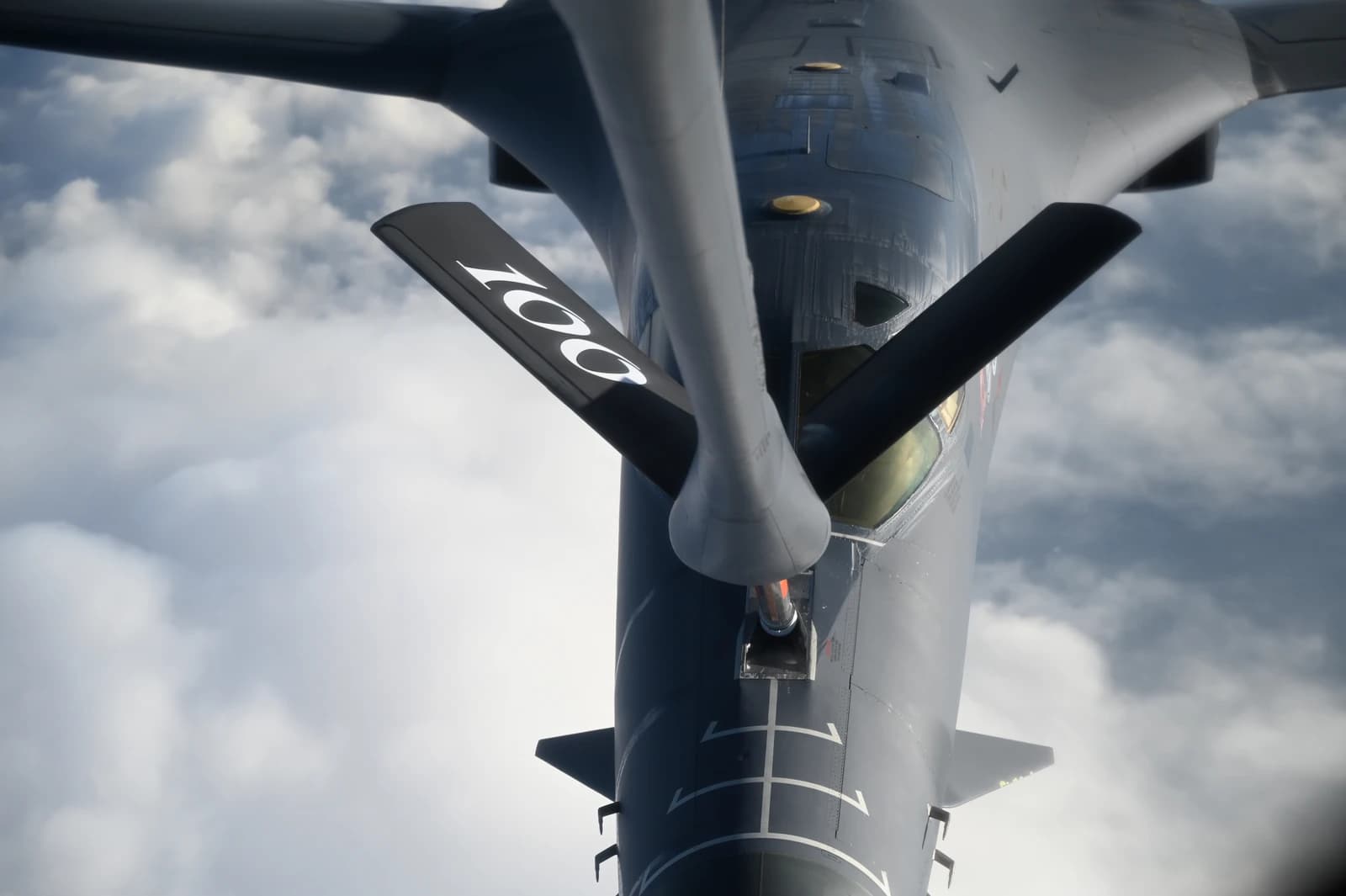
The bomber pullback matters because RAF Fairford has been used for long-range US strikes in the Middle East for decades, and shifting aircraft back to the United States changes the operational footprint at a moment when military planners are still weighing additional attacks on Iran. It also comes after security concerns around the base, including an investigation into an alleged terror plot linked by British officials to Tehran, which Iran denies.
A Pentagon official said the bombers were moved back to their home bases in the US. Aircraft trackers had been monitoring dozens of B-52 and B-1 sorties out of Fairford since the early days of the Iran conflict, and observers saw a new wave of B-1 departures on Sunday.
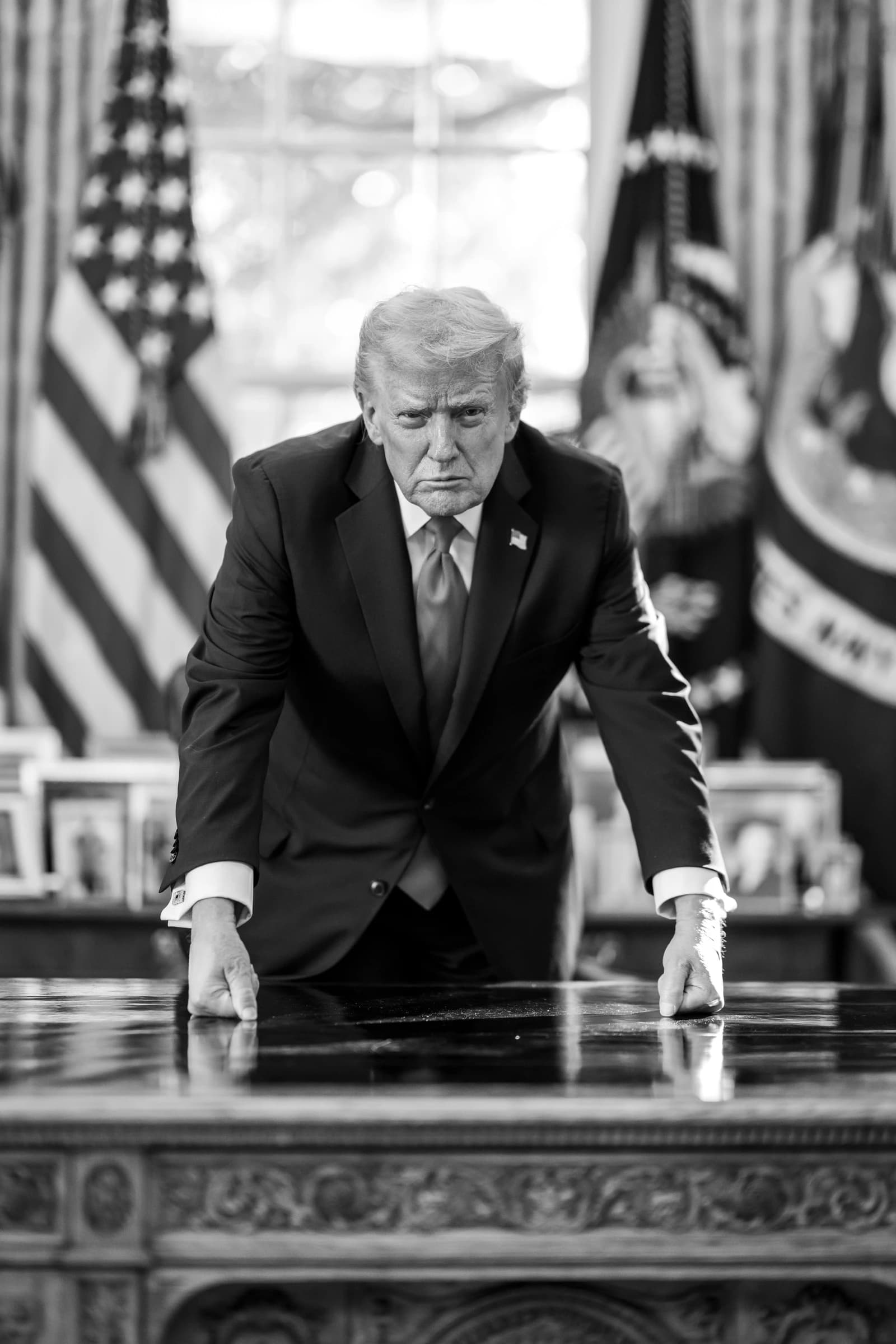
Trump said on Saturday that he was still deciding on Iran, telling reporters, “We have some decisions to make” and framing the choice as “the easy way” or “the hard way.” That leaves investors and diplomats watching for signs that the US may either widen strikes or try to cap the operation after Trump previously promised Americans it would last only weeks.
The move comes as the US keeps a substantial force in the region. The USS Theodore Roosevelt and the USS Makin Island group are heading toward the Middle East, bringing more than 7,000 sailors and 2,000 Marines, and could lift the number of US aircraft carriers in the region to three by late October.
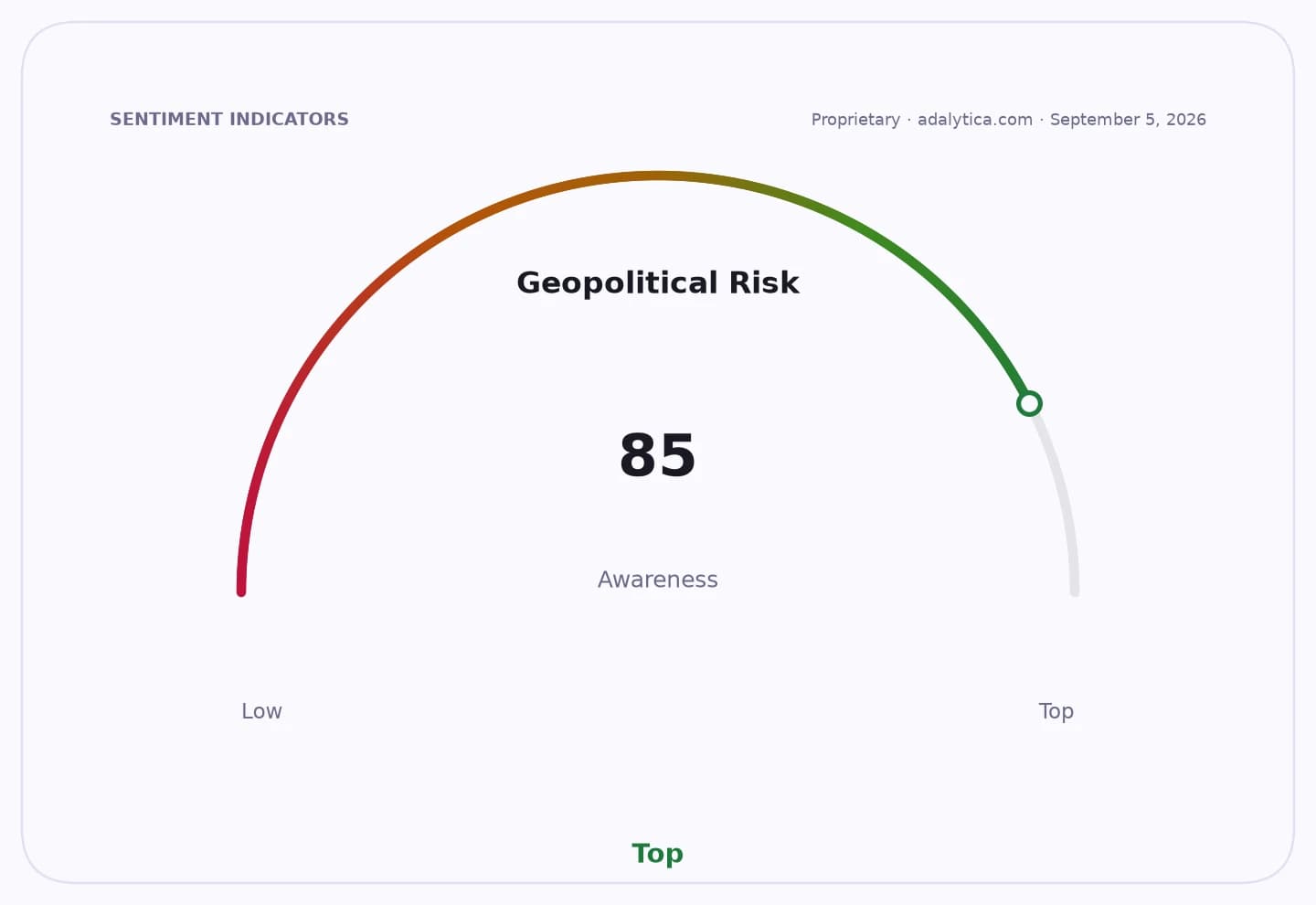
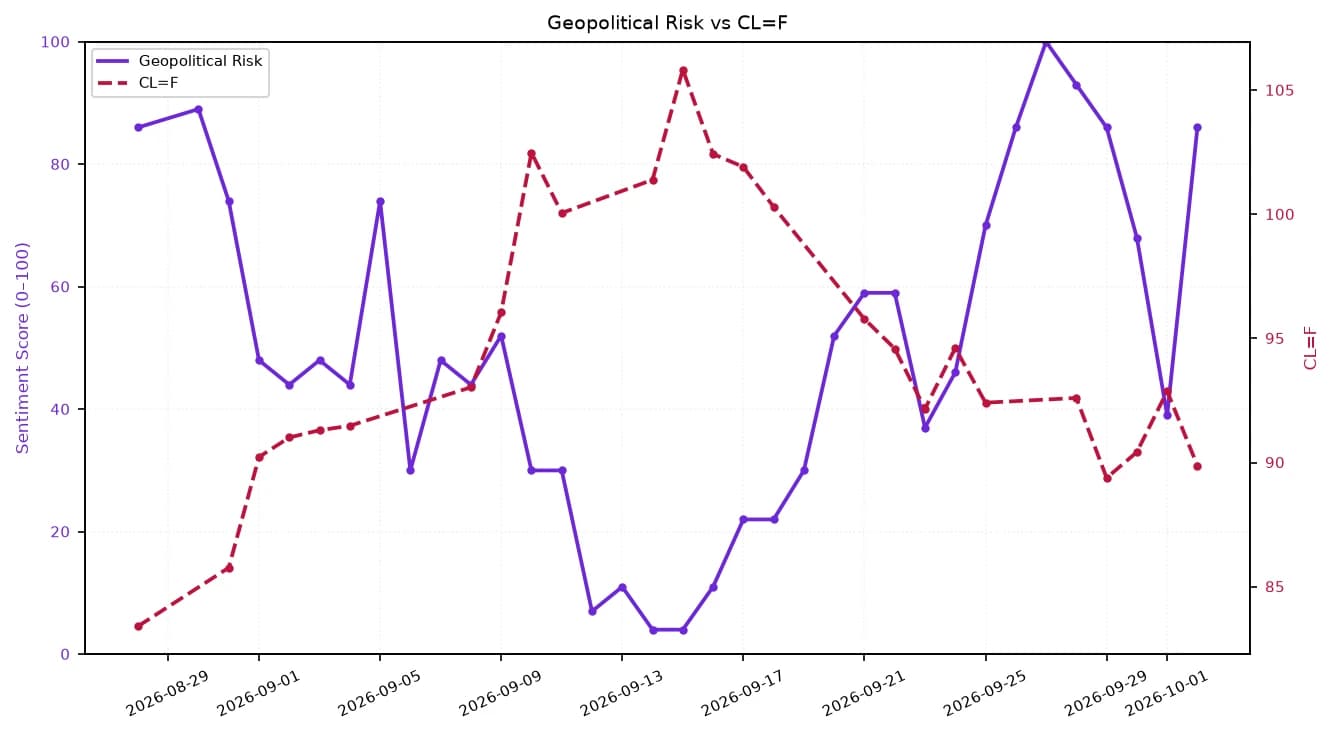
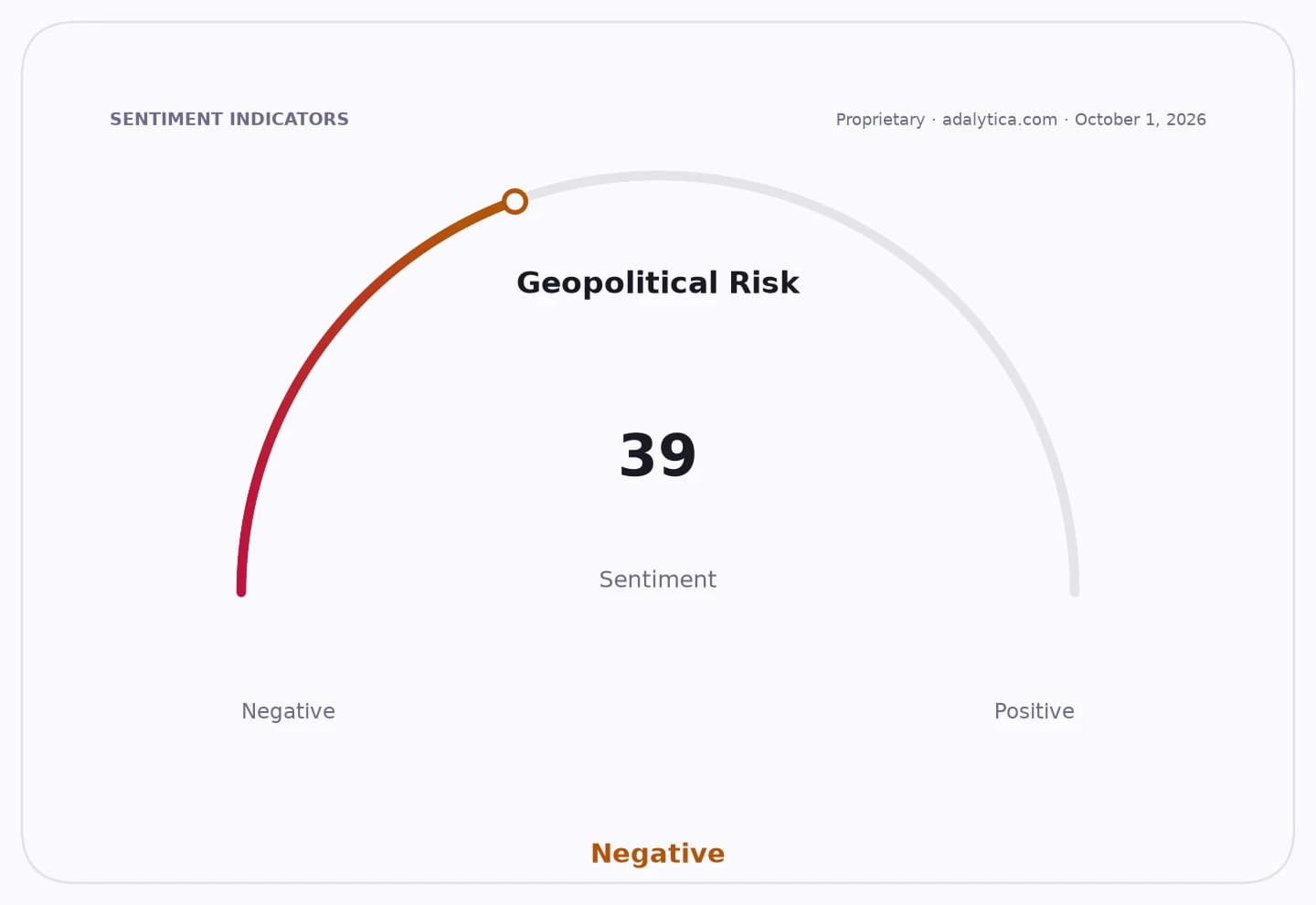
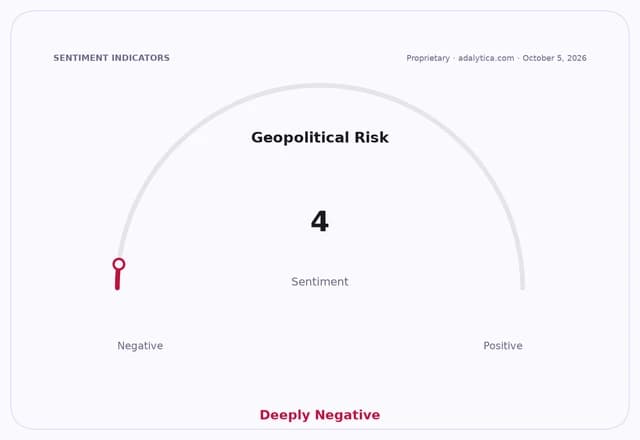
For markets, the signal is less about the bombers themselves than about the probability of a broader regional conflict that could hit oil, shipping and defense spending. Adalytica’s Global Stability Sentiment gauge is at 4, or “Extreme Fear,” while WTI crude sentiment remains elevated, suggesting traders are still pricing geopolitical risk even as headline moves ebb and flow.
Defense names have already reflected the tension. The Aerospace & Defense ETF, XAR, has fallen to 233.09 from 289.53 earlier in the year and sits below its 50-day moving average, while ITA is also trading under its 50-day and 200-day averages, showing that broader defense shares have not yet translated the Middle East buildup into a sustained rally.
The next catalyst is whether the White House opts for more strikes, leans on carrier power in the region or pushes for diplomacy. Any further escalation would raise the odds of retaliation against US assets, allied bases and energy infrastructure, while a pause could cool the fear trade that has been driving defense and oil watchers.
| Entity | Gains | Losses |
|---|---|---|
| US military planners | ▲More flexible strike posture | ▼Exposed bases in Europe |
| Iran | ▲Strategic leverage from escalation risk | ▼Security pressure from US assets |
| Oil bulls | ▲Higher geopolitical risk premium | ▼Demand if conflict stays contained |
| Defense contractors | ▲Potential procurement tailwinds | ▼If escalation stops short of expansion |