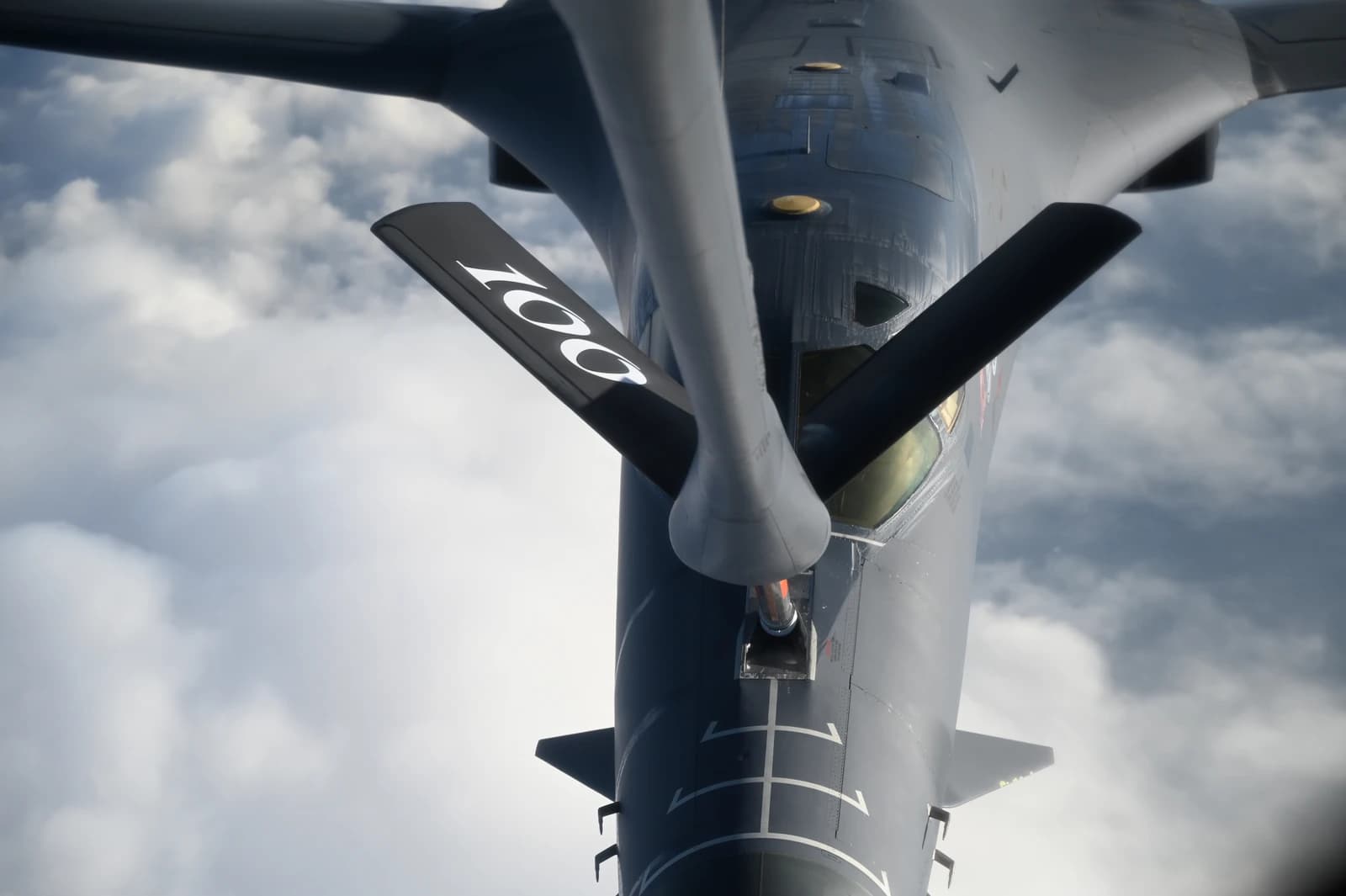
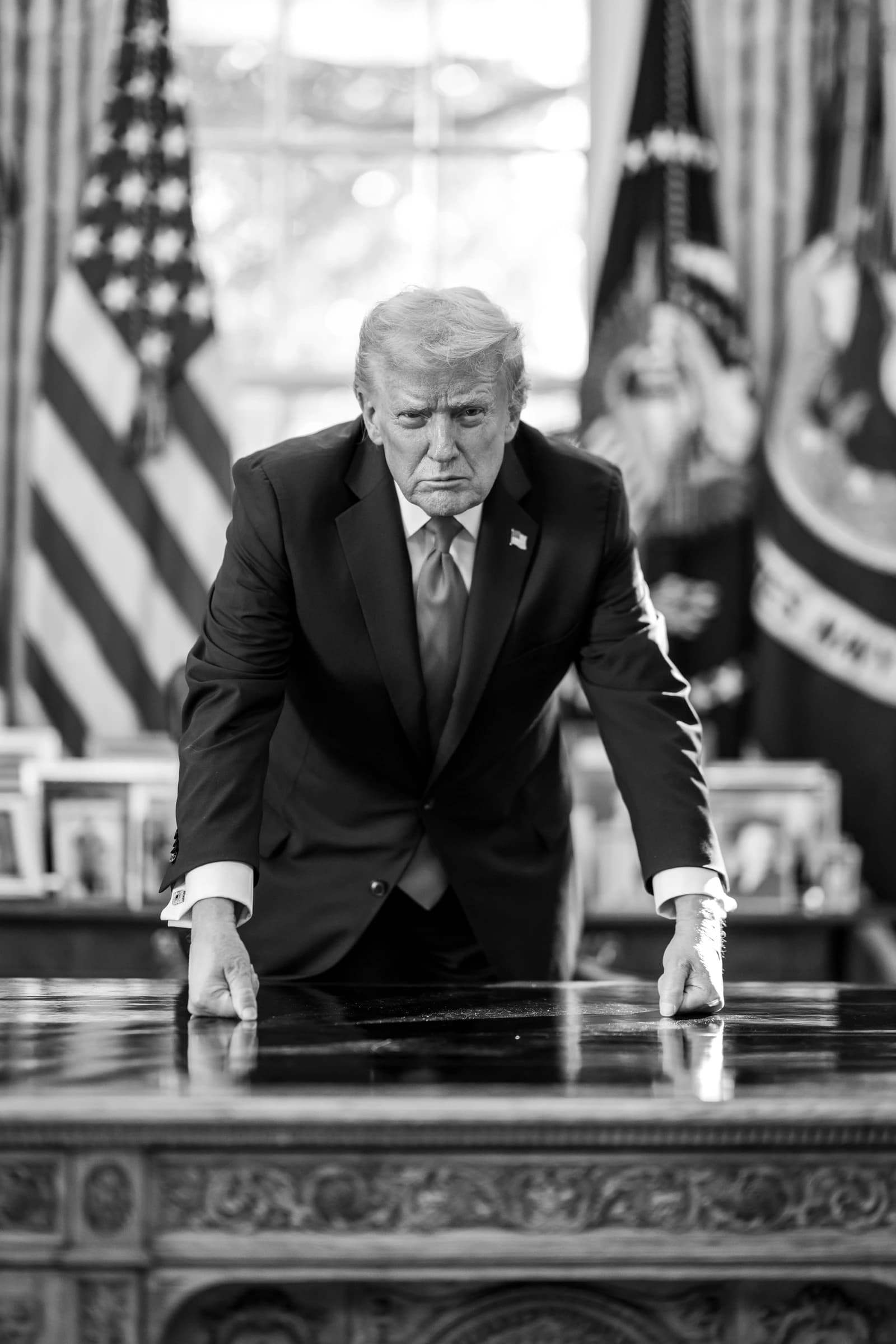
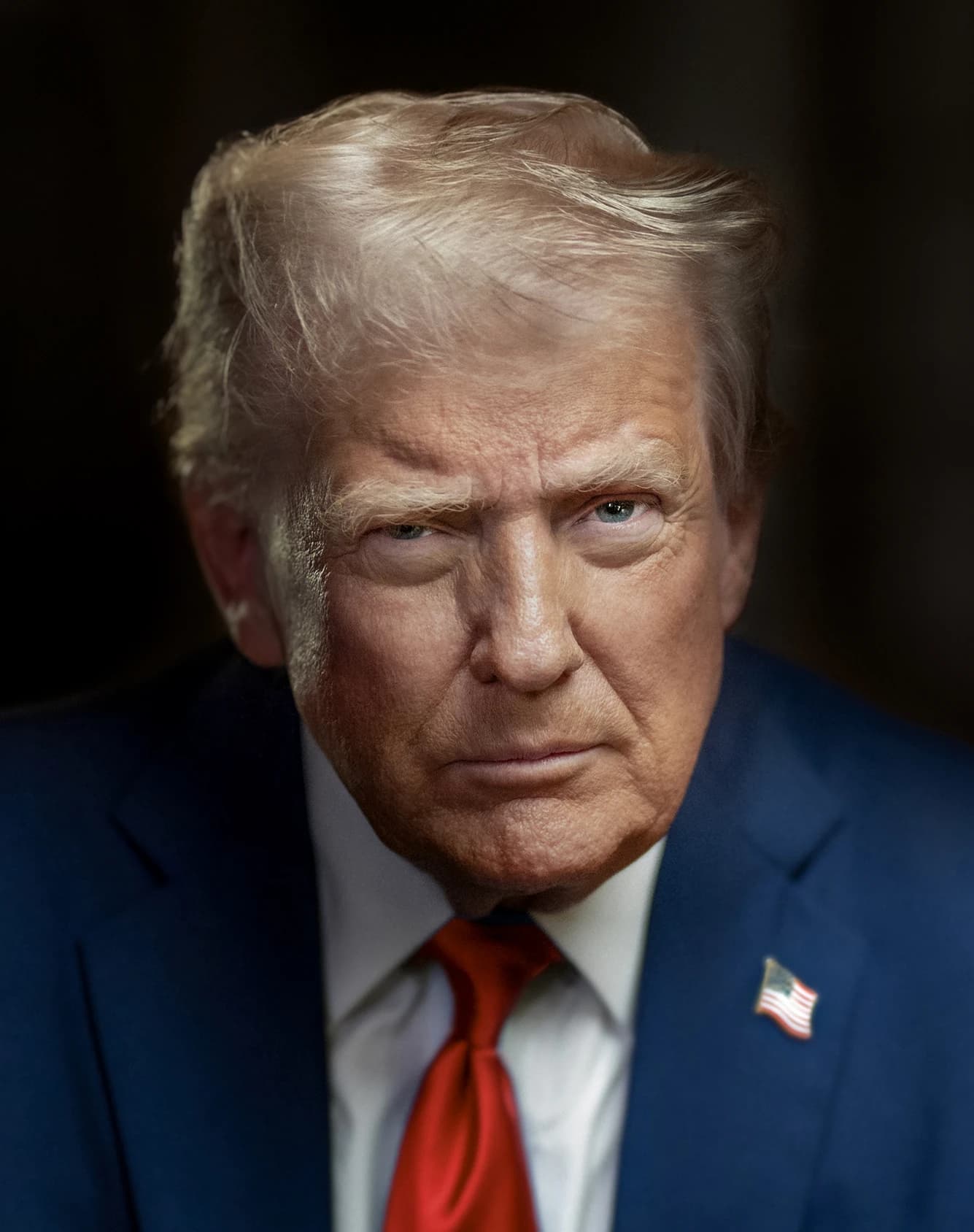
President Donald Trump is weighing another strike on Iran but is holding off until after congressional elections, a calculation that underscores how quickly Middle East escalation could spill into U.S. fuel prices and Republican political fortunes.
Trump May Delay Iran Strike Until After Elections
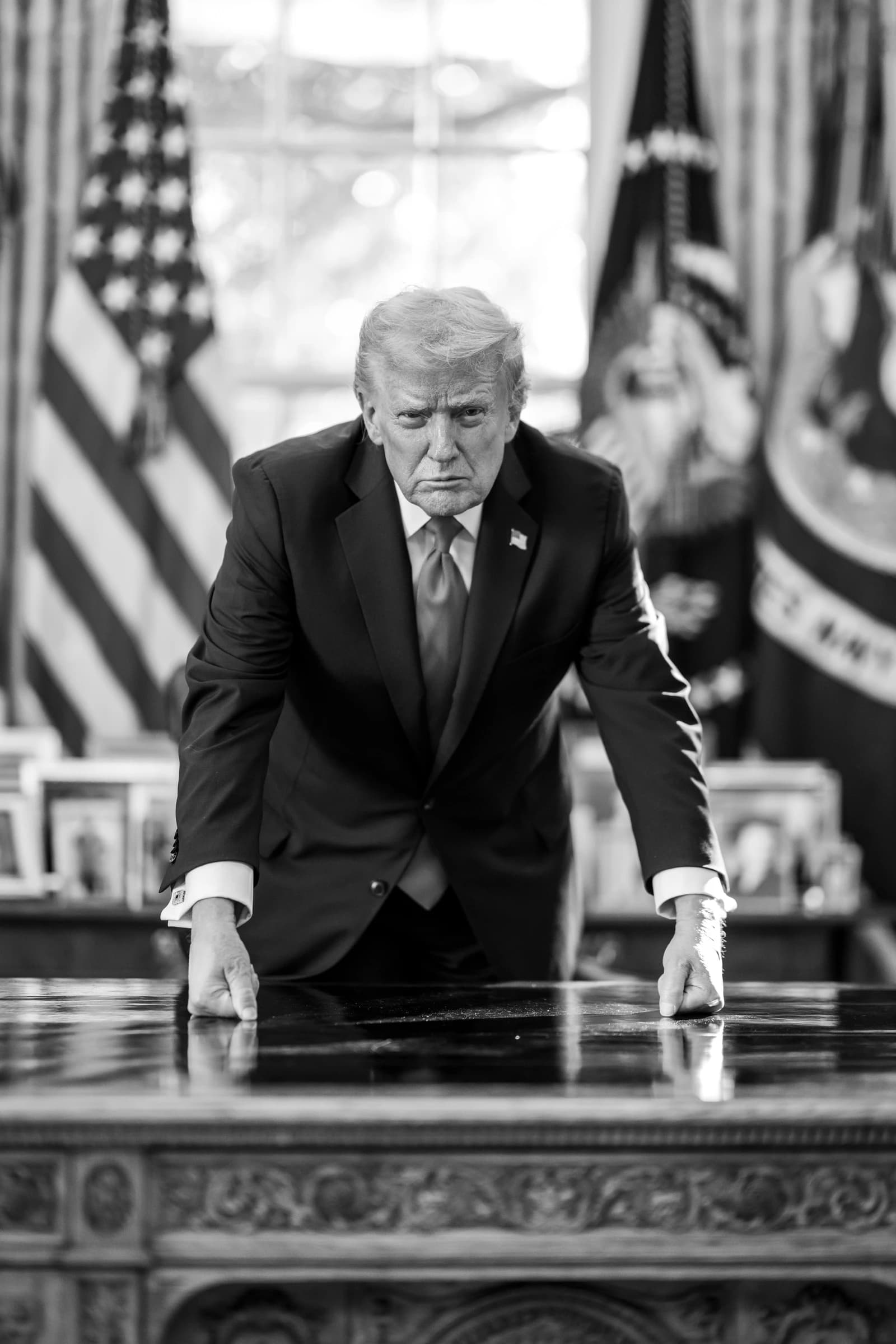
The immediate economic issue is not the rhetoric but the timing. If Washington were to resume attacks before the vote, higher gasoline and heating-fuel costs could hit consumers just as the administration is trying to contain inflation and protect already fragile Republican margins. That makes the conflict a market event as much as a geopolitical one: a renewed U.S.-Iran confrontation would likely tighten oil supplies, lift freight and insurance costs, and feed a broader risk premium across energy and defense assets.
Sentiment IndicatorsⓘProprietary · adalytica.com · October 10, 2026
This is a snapshot — live sentiment, awareness and momentum for 130+ markets update continuously in the dashboard.Open AlphaPulse
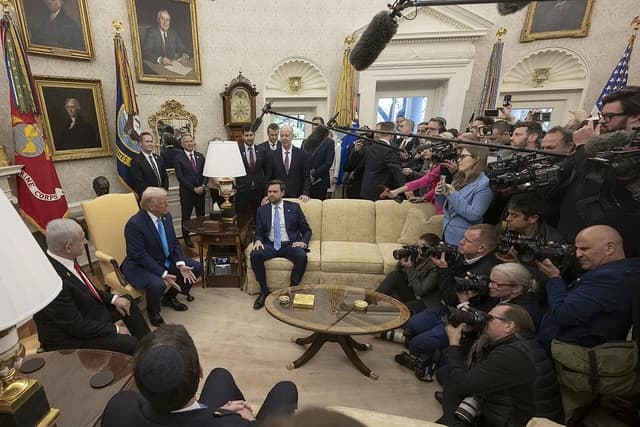
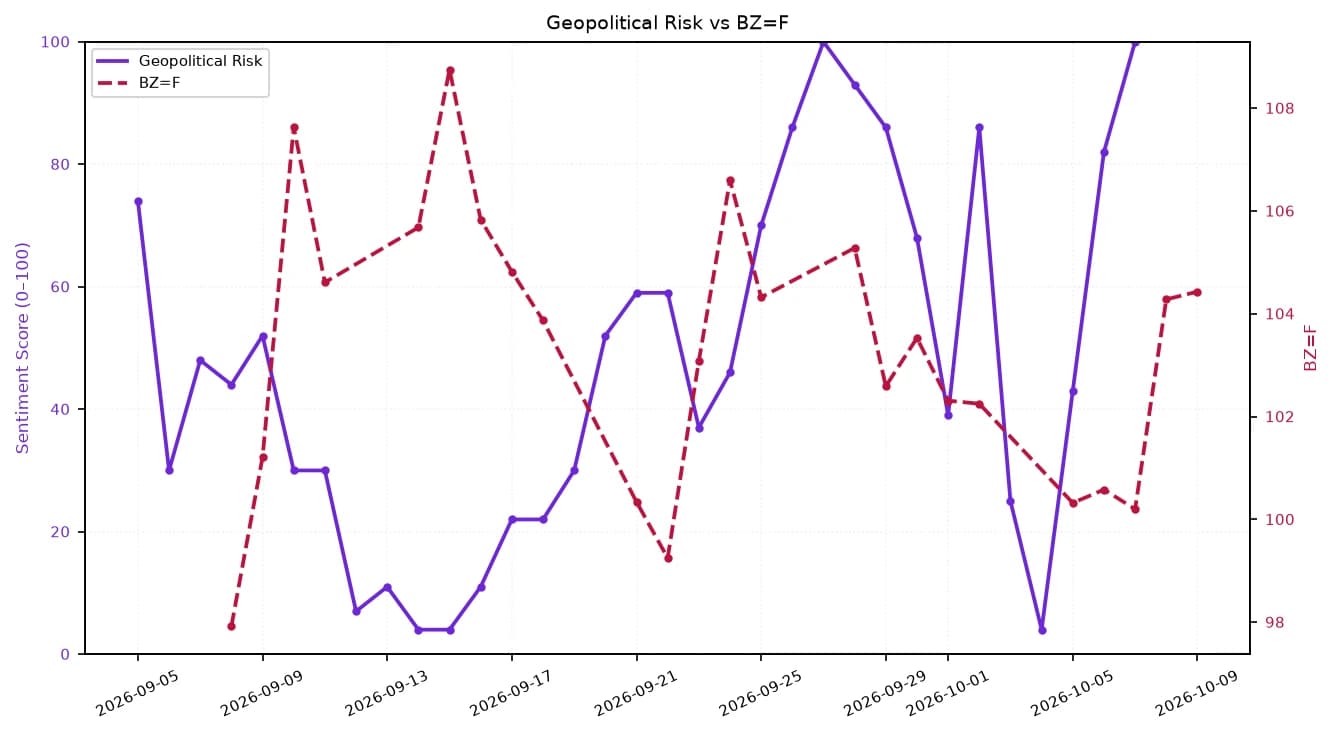
Those concerns are showing up in markets. The United States Oil Fund, a widely tracked proxy for crude, closed at $147.58 on Oct. 8, after trading as high as $161.86 on Sept. 15. The fund remains well above its 50-day moving average of $138.75 and its 200-day average of $116.73, a sign that traders are still pricing in elevated geopolitical risk even after a pullback from recent peaks. Its RSI reading of 43.8 suggests the rally has cooled, but not disappeared.
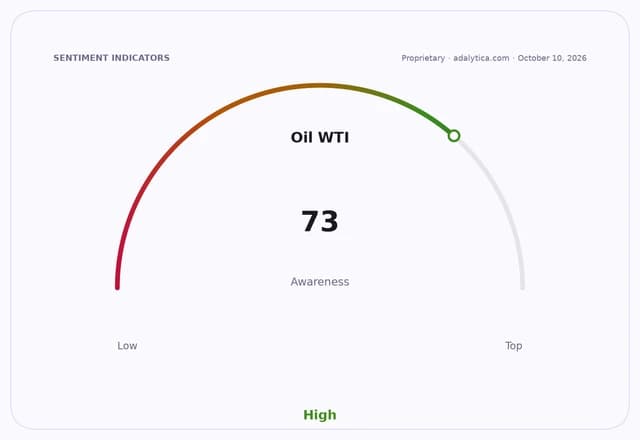
Adalytica’s Global Stability Sentiment gauge is flashing an even clearer warning. It sits at 100.0, labeled “Extreme Greed,” while awareness is only 7.0, or “Extreme Fear,” indicating a market that is heavily aware of instability but still underestimates how quickly the situation could deteriorate. In oil-specific signals, sentiment is neutral at 32.0, but awareness is 73.0, pointing to a market that is alert to the risk even if positioning has not fully reflected it.
Geopolitical Risk vs USOadalytica.com
Explore this data interactively — full history, time series and cross-market comparisons.Open AlphaPulse
Dudakov’s claim that Trump is waiting to avoid political damage aligns with Trump’s own comments in early October, when he said the United States could resume bombing Iran after the midterm elections. The logic is straightforward: a strike could please hawkish voters and pressure Tehran, but it also risks retaliation, energy disruption and a spike in household fuel costs that would be politically toxic for Republicans. In Washington, that makes restraint before the vote a rational move; in markets, it keeps a major supply shock on the table rather than off it.
The deeper investor question is how long any U.S. military campaign could be sustained. Dudakov argued that American missile stocks might support only several weeks of strikes and base defense, leaving the endgame uncertain. That matters because limited munitions capacity would constrain escalation, but it would also raise the odds of a short, sharp shock rather than a long campaign — a pattern that typically produces violent moves in oil, defense shares and safe-haven assets before fading if supply is not directly disrupted.
For investors, the base case is not an immediate oil embargo but a higher volatility regime. Energy producers, tanker operators and defense contractors stand to benefit from any escalation, while refiners, airlines, chemicals and consumers face margin pressure if crude and product prices rise again. The risk is that markets, lulled by intermittent de-escalation, remain underhedged going into a politically sensitive window.
The next catalyst is simple: whether the White House treats Iran as a campaign issue or a post-election target. If Trump waits, the market gets time but not certainty. If he moves sooner, oil is likely to react first, and politics and economics will follow.
| Entity | Gains | Losses |
|---|---|---|
| Oil producers | ▲Higher crude prices | ▼None |
| Airlines and refiners | ▲None | ▼Fuel-cost squeeze |
| Republican Party | ▲Avoids pre-vote backlash | ▼Political risk if strikes happen early |
| Iran | ▲Time before escalation | ▼Threat of renewed U.S. attacks |