The Trump administration is developing a postwar Middle East strategy that would try to lock in a regional front against Iran while expanding diplomatic normalization between Israel and its neighbors, a push that could reshape the security architecture of the region if it gains traction.
Trump Middle East plan targets Iran, normalization
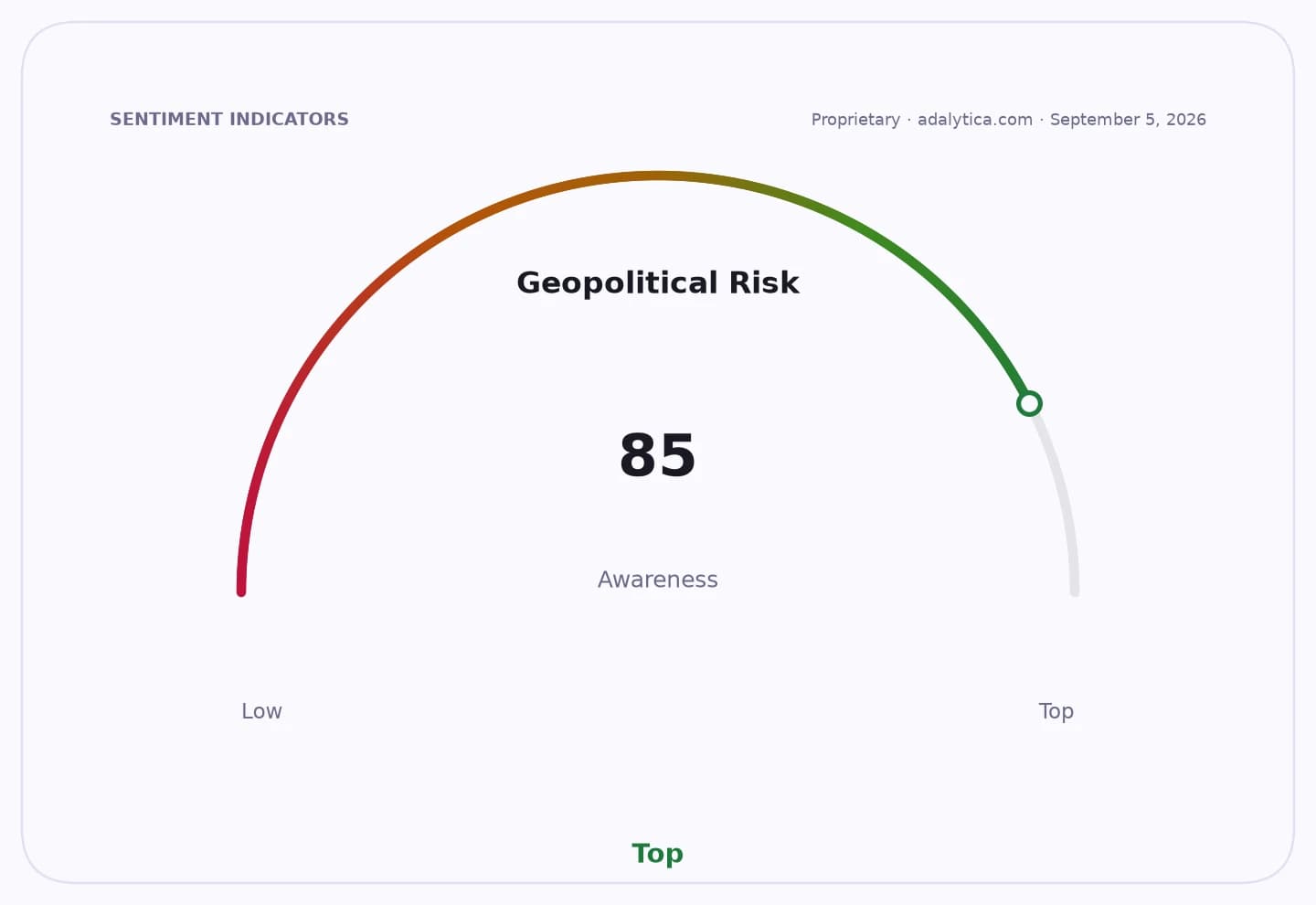
The plan, still in early drafting and expected to take several more weeks, reflects a broader effort to translate battlefield developments into a political order more favorable to US allies and to Washington’s own strategic footprint. For investors, the significance is less about the document itself than about the direction of travel: a more formalized anti-Iran alignment would raise the odds of lower geopolitical risk premiums in some parts of the region, even as it keeps energy markets sensitive to any setback in diplomacy or escalation with Tehran.
According to sources cited by Axios, the strategy is being worked on at senior political levels and across agencies. Its first pillar would be a regional alliance among US partners, with Washington acting as guarantor. The second would aim to wind down the regional spillovers from the Hamas-led Oct. 7, 2023 attack on Israel by advancing the next phase of Trump’s Gaza plan, a security arrangement between Israel and Syria and implementation of an Israel-Lebanon deal. The third would seek to broaden the Abraham Accords, including a possible normalization deal between Saudi Arabia and Israel.
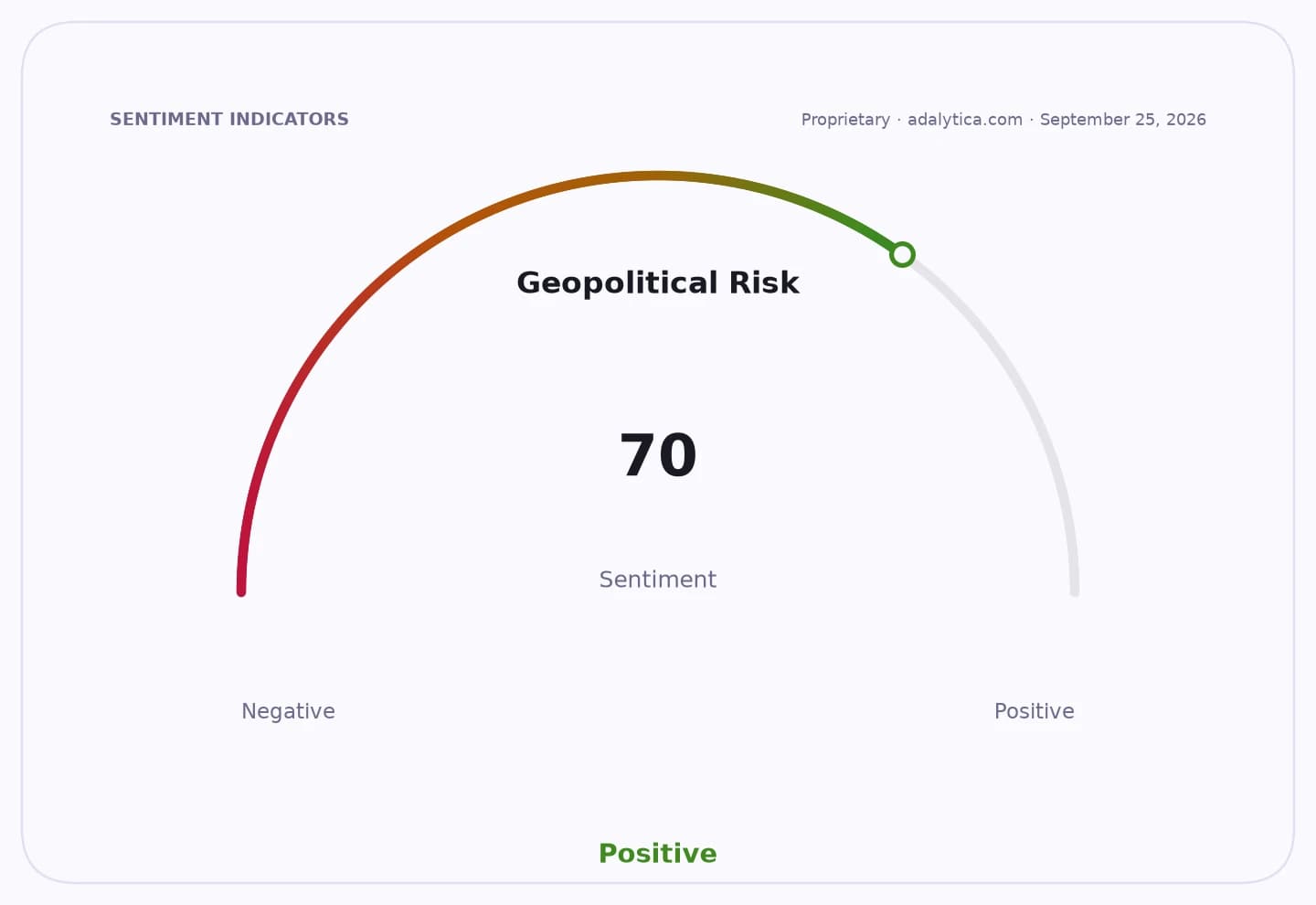
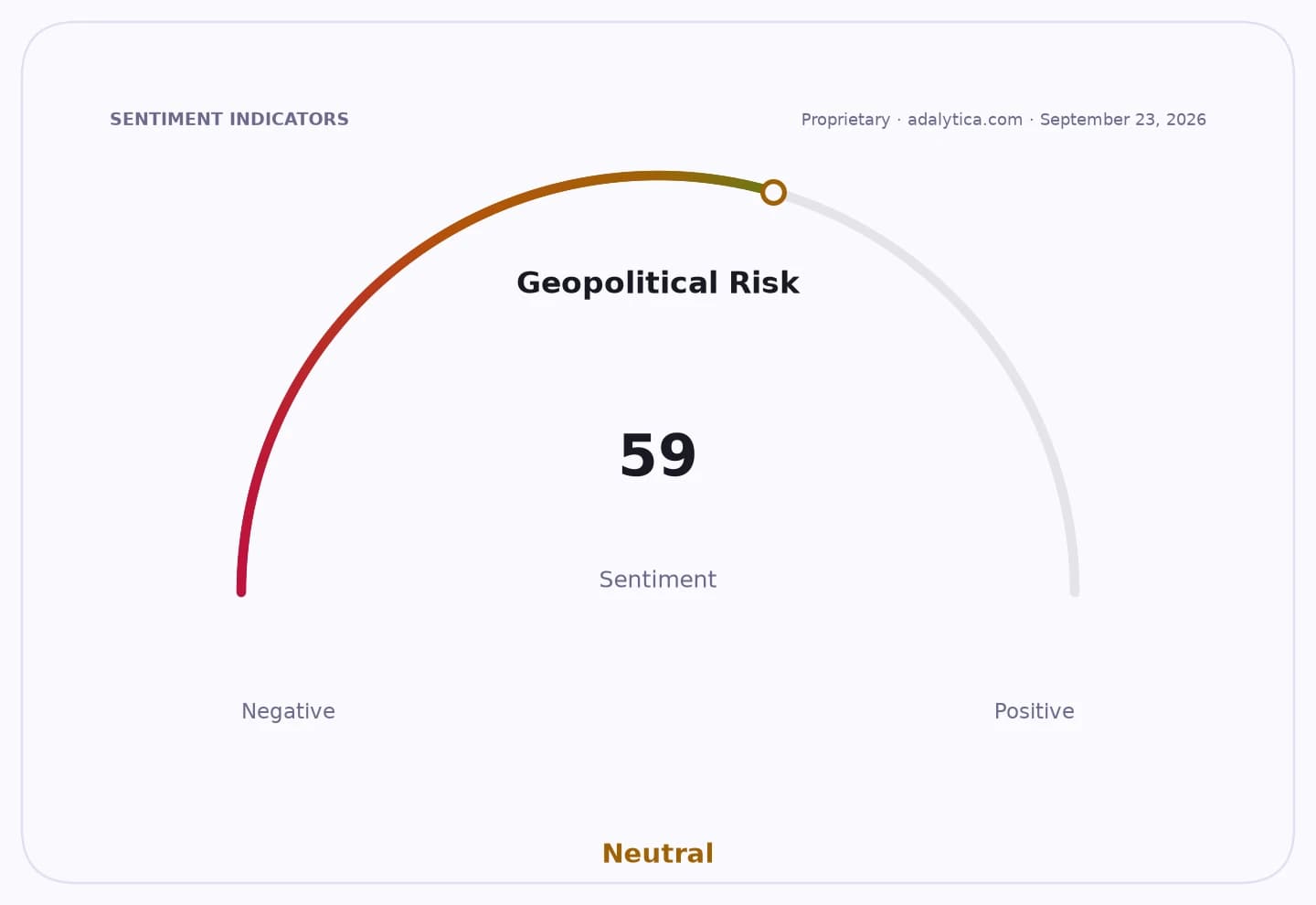
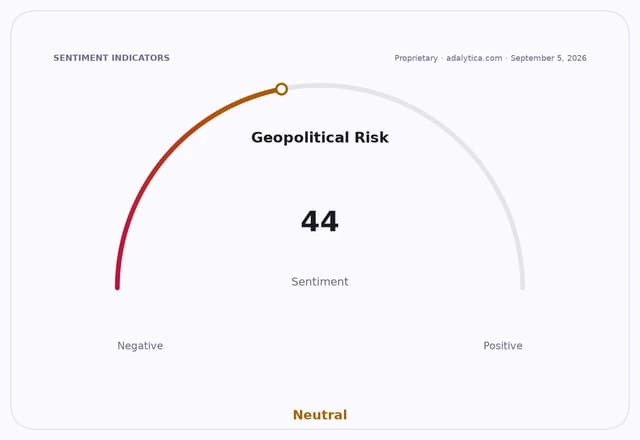
That matters economically because the Middle East remains central to global energy supply, shipping routes and defense spending. Any credible framework that reduces the risk of wider conflict could ease pressure on crude markets and lower insurance and logistics costs across the region. But the path is fragile: oil traders are still pricing in a high level of geopolitical risk, with US crude futures around $142 a barrel and Adalytica’s WTI trade-signal snapshot showing “Extreme Fear,” even as broader global stability sentiment has turned neutral.
The market has already shown how quickly Middle East tensions can reverberate. Energy shares, measured by the XLE ETF, jumped to $64.06 on Sept. 4 from $57.31 a month earlier, while the aerospace and defense ETF ITA remained elevated at $225.61, underscoring continued demand for security exposure. At the same time, WTI’s latest move higher and a 10-year Treasury yield near 4.8% suggest markets are still balancing geopolitical inflation risk against growth concerns.
For investors, the bull case is that a successful regional compact could support a de-escalation trade: softer oil risk premiums, better visibility for Gulf capital spending, and stronger odds for Israeli, Saudi and broader Arab economic integration. That would also be constructive for defense contractors if the pact entrenches deterrence and drives more coordinated procurement. The bear case is that the plan runs into familiar obstacles — unresolved Gaza politics, Iranian retaliation, divided Arab buy-in and the difficulty of turning tactical pauses into durable diplomatic architecture.
The bigger narrative is that Washington is trying to convert military pressure and postwar uncertainty into a new regional balance of power. If it succeeds, the winners are likely to be US allies seeking security guarantees and companies exposed to cross-border investment and infrastructure. If it fails, oil, defense and safe-haven assets would remain bid as markets price in another cycle of confrontation.
| Entity | Gains | Losses |
|---|---|---|
| US allies in Gulf and Israel | ▲stronger security umbrella | ▼higher diplomatic constraints |
| Iran | ▲none | ▼tighter regional containment |
| Energy consumers and importers | ▲lower risk premium | ▼less upside from supply disruption |
| Defense contractors | ▲more security spending | ▼softer crisis-driven demand |