President Donald Trump is being reported as weighing renewed strikes on Iran, a move that would sharply raise the risk of a wider Middle East conflict and keep crude prices, Treasury yields and defense shares on edge.
Trump Weighs Renewed Strikes on Iran
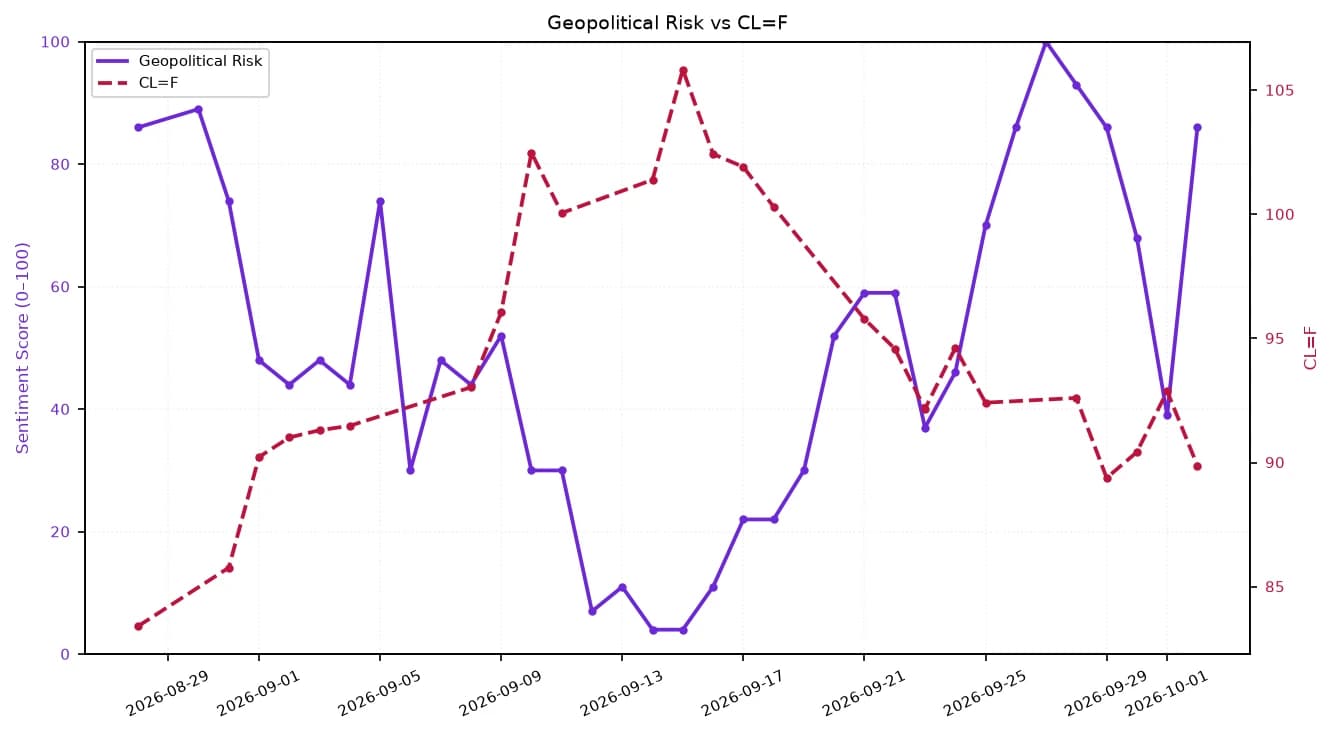
The reported U.S. military buildup around Iran is the market-sensitive part of the story. The Wall Street Journal said Washington is sending additional aircraft carriers and Marine forces to the region, with the USS George H.W. Bush and USS George Washington already deployed, underscoring that the White House is using force posture as leverage while leaving the door open to negotiations.
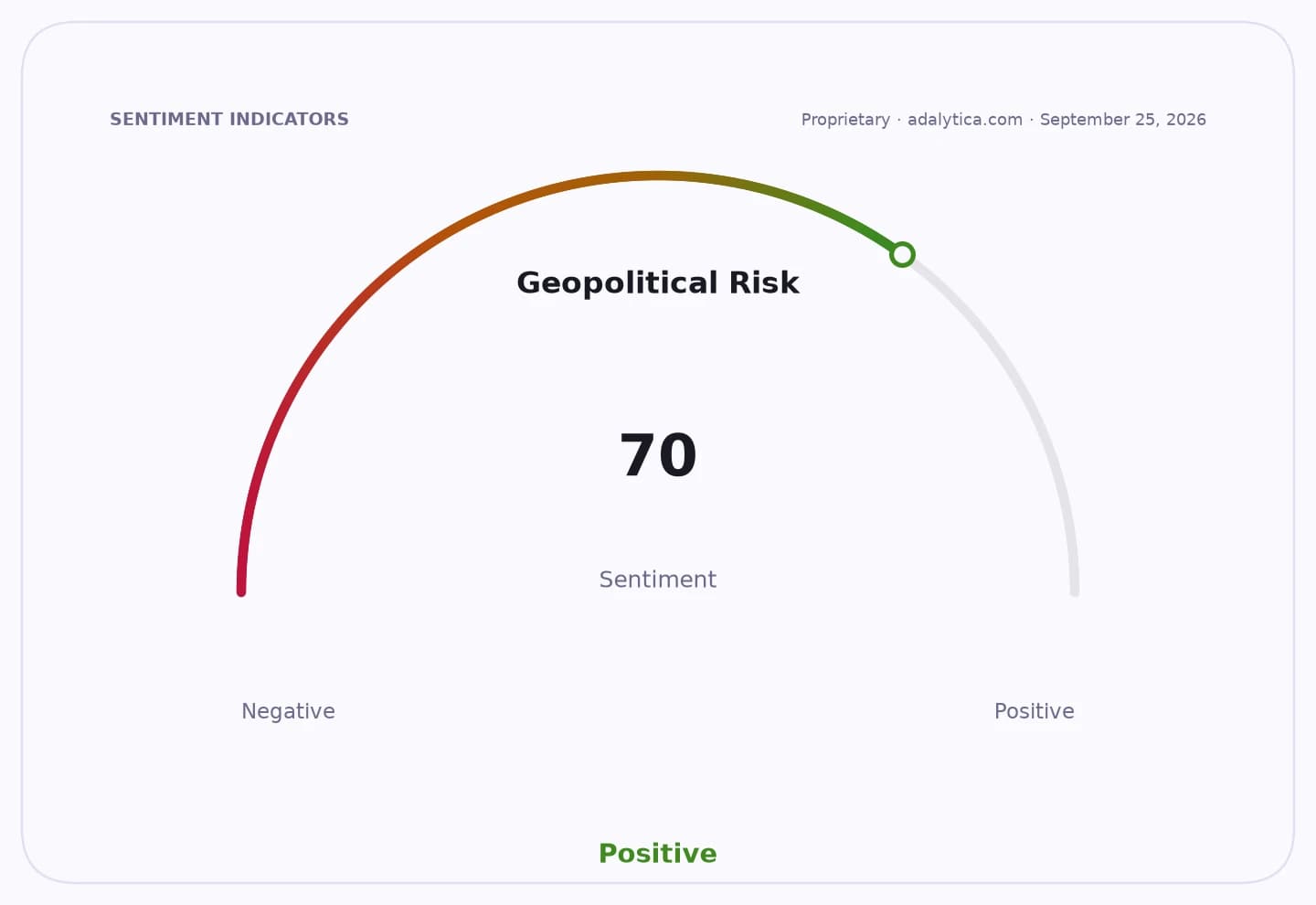
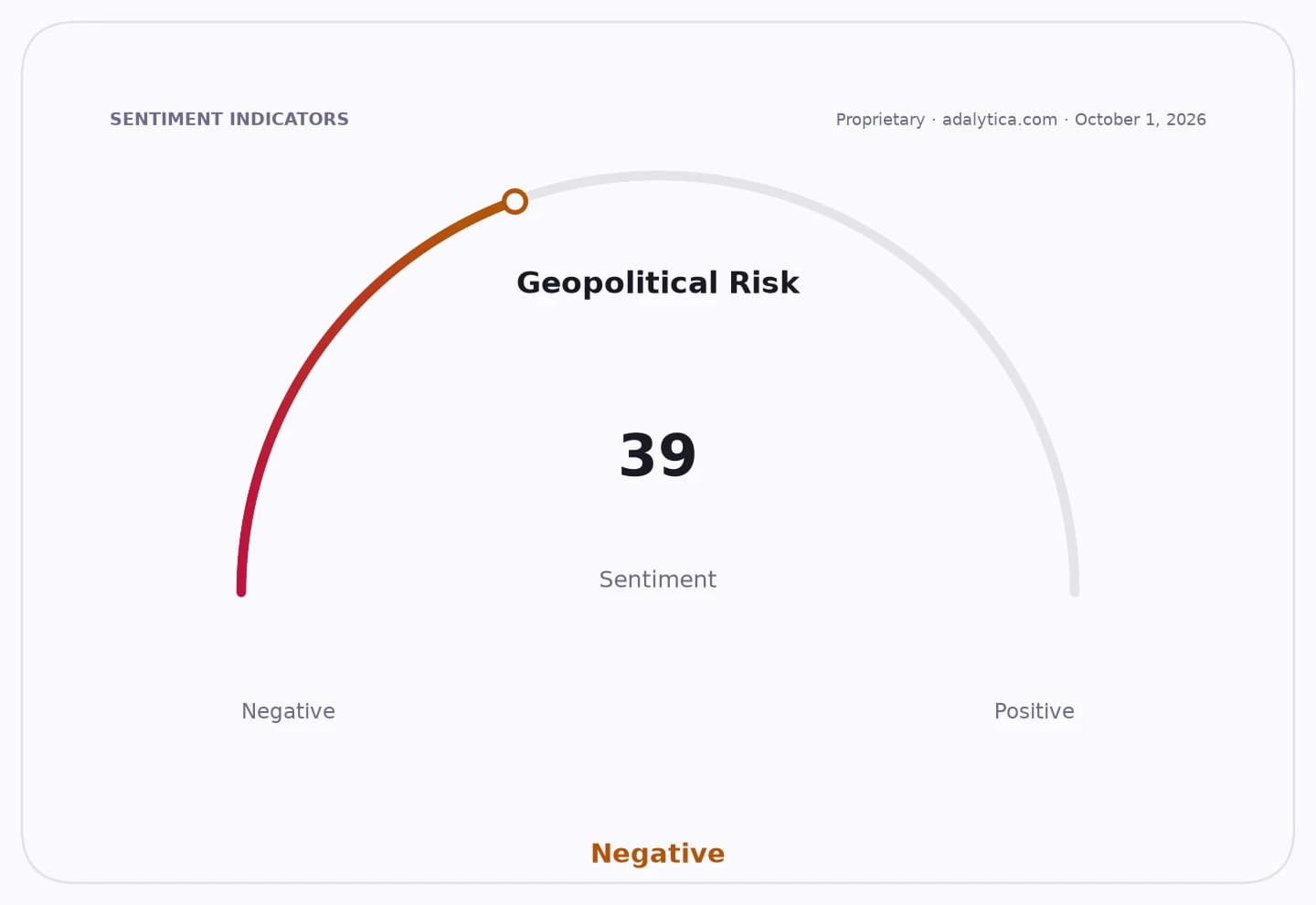
Sentiment IndicatorsⓘProprietary · adalytica.com · October 2, 2026
This is a snapshot — live sentiment, awareness and momentum for 130+ markets update continuously in the dashboard.Open AlphaPulse
That matters because even the threat of an attack on Iran can ripple through energy markets and risk assets. Brent-linked oil exposure has already proved vulnerable to Middle East escalation, and front-month U.S. crude settled at $89.87 on Oct. 2 after trading as high as $105.83 in mid-September, showing how quickly geopolitical risk can feed into prices. U.S. 10-year yields also stood at 5.29%, a reminder that higher oil can complicate the inflation outlook and keep borrowing costs elevated.
Investors are also watching defense contractors. Lockheed Martin shares fell to $505.50 on Oct. 1 from $512.21 a day earlier, but the stock remains well above its 50-day moving average, and the broader backdrop of conflict tends to support demand for missile defense, surveillance and munitions suppliers such as Lockheed, Northrop Grumman and RTX. At the same time, the Adalytica Global Stability Sentiment gauge flashed “Extreme Greed” at 86, while U.S. White House policy direction sentiment stayed neutral, suggesting markets still see a high probability of brinkmanship rather than an immediate full-scale war.
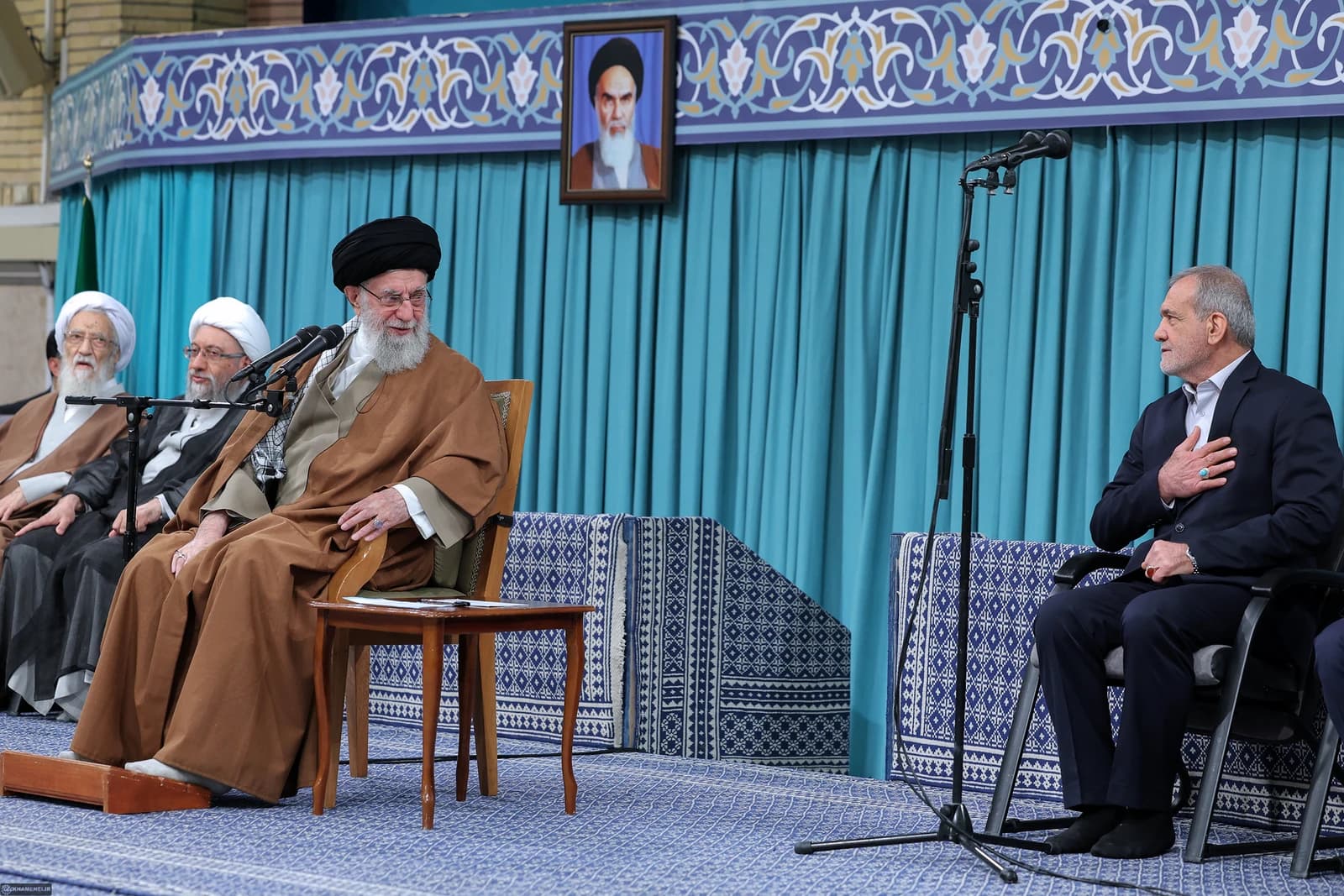
The diplomatic track remains fragile. Iranian President Masoud Pezeshkian told the UN last week that Tehran is ready for dialogue but rejects “the language of force,” while Russian commentary cited in local reporting said Trump is likely to keep escalating pressure at least until the U.S. congressional elections. That points to a period of repeated military signaling, sanctions risk and headline volatility, even if neither side moves quickly to a direct strike.
For investors, the near-term catalyst is any fresh signal from the White House, carrier movements in the Gulf and Iran’s next response on shipping through the Strait of Hormuz. Any confirmed military action would likely lift crude, support defense stocks and pressure airlines, shippers and broader risk sentiment.
| Entity | Gains | Losses |
|---|---|---|
| Oil producers | ▲Higher crude prices | ▼Demand fears if conflict widens |
| Defense contractors | ▲More Pentagon spending | ▼Shares if strike talk fades |
| U.S. consumers | ▲None | ▼Fuel and inflation pressure |
| Iran / regional shipping | ▲None | ▼Security and trade disruption |