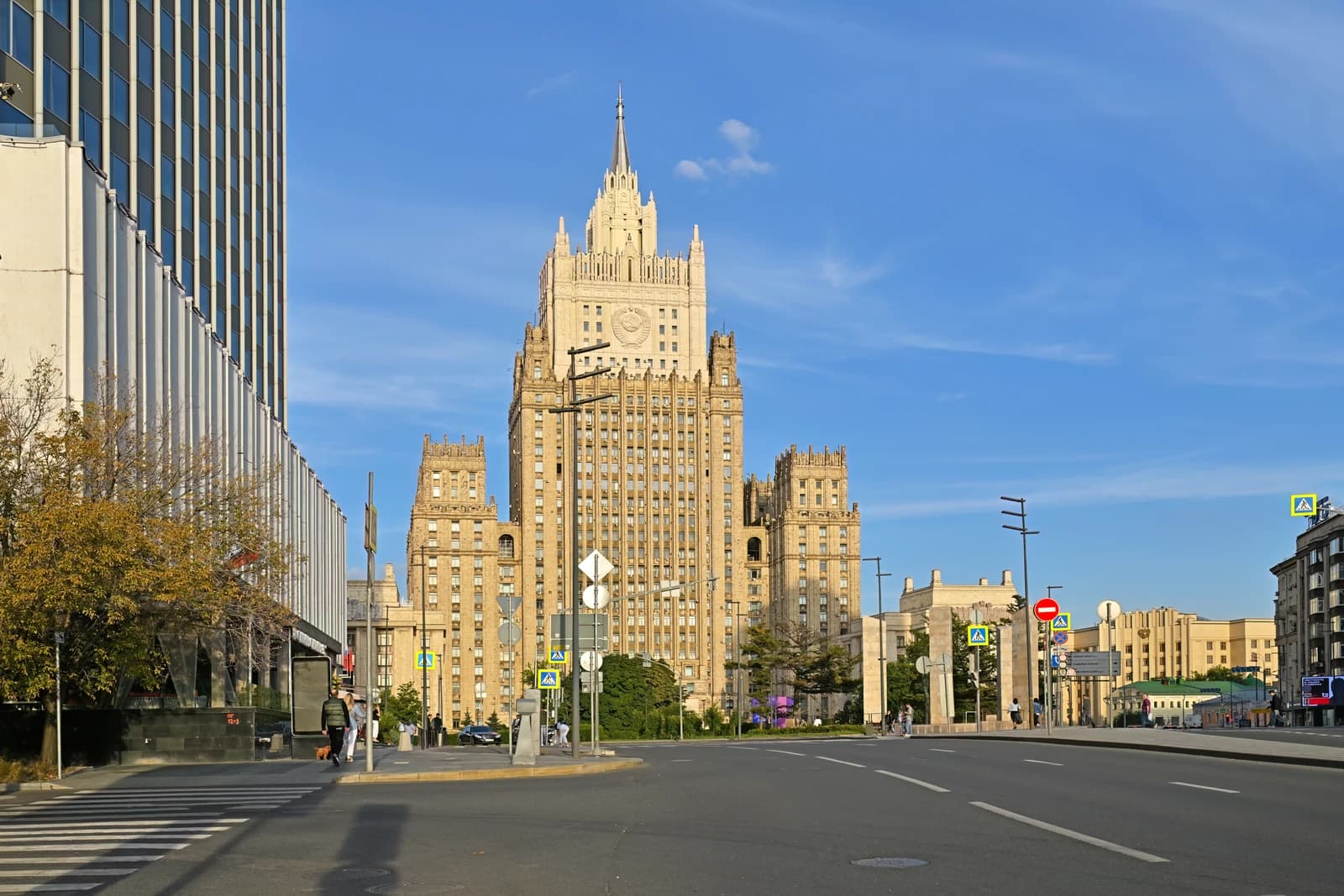
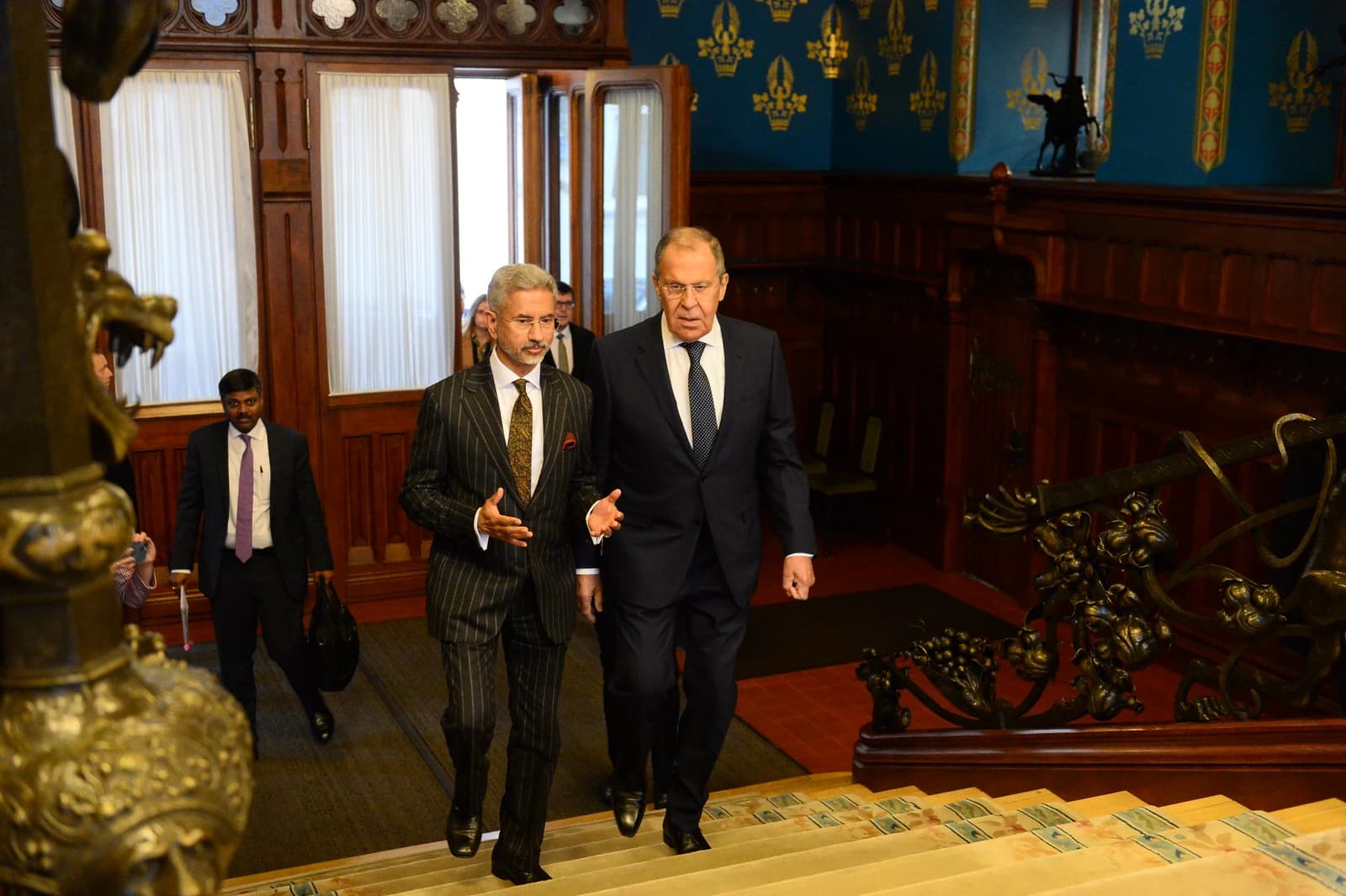
Russia has poured a decade-long financial campaign into propaganda across Europe at a scale President Volodymyr Zelensky says matches what Moscow spent on weapons in its war against Ukraine, underscoring that the Kremlin is fighting a second front aimed at breaking Western unity as much as defeating Kyiv on the battlefield.
Russia propaganda spending boosts defense and cyber demand
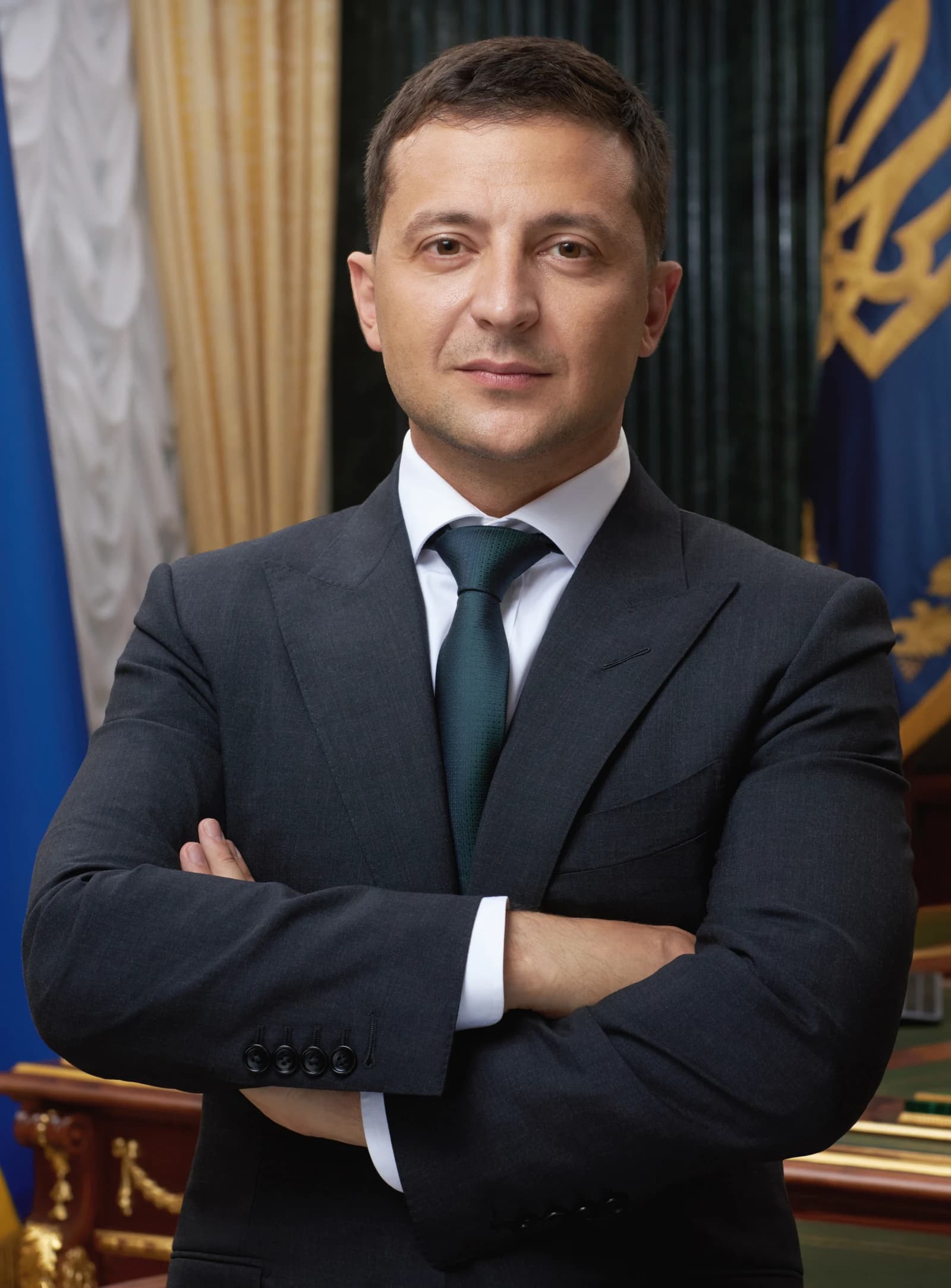
That matters because information warfare is no longer a side show to the conflict — it is part of the cost structure of modern geopolitics. If Moscow has indeed invested “no less” in influence operations than in arms, the economic significance stretches well beyond television panels and social media feeds: it points to a sustained effort to shape elections, weaken sanctions discipline and widen political fault lines in major European economies, from Italy and France to Germany and Britain.
Sentiment IndicatorsⓘProprietary · adalytica.com · October 24, 2026
This is a snapshot — live sentiment, awareness and momentum for 130+ markets update continuously in the dashboard.Open AlphaPulse
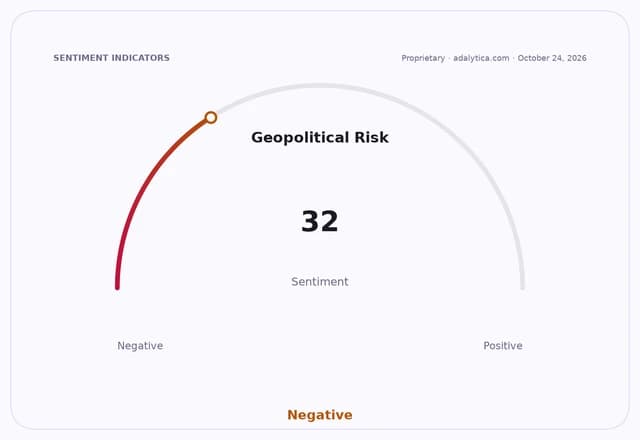
For investors, the implication is clear. Europe’s defense and cybersecurity spending cycle is not just about missiles, shells and air defenses; it is increasingly about data centers, content monitoring, platform integrity, AI-driven detection tools and resilient communications. Zelensky’s comments also land at a moment when the market is already treating geopolitical risk as a real asset class, not an abstract headline, with defense shares still carrying a premium and volatility in global stability gauges remaining elevated despite recent swings.
That backdrop has mattered for stocks such as Lockheed Martin and Northrop Grumman, which remain central beneficiaries of the rearmament trade even after recent technical pullbacks and rebounds. Lockheed closed at $604.18 on Friday, well above its 50-day moving average, while Northrop finished at $551.44, a sharp recovery from earlier weakness. The broader message is that markets continue to price a world in which Europe and the U.S. must spend not only on hardware, but on the information infrastructure needed to defend democratic institutions.
Geopolitical Risk vs LMTadalytica.com
Explore this data interactively — full history, time series and cross-market comparisons.Open AlphaPulse
Zelensky also tied the propaganda push to Russia’s use of social fault lines — religion, migration, gender and language — a reminder that the Kremlin’s leverage is often cheapest where societies are most divided. That makes the trade investable in a second-order way: beneficiaries are not only prime contractors, but also cybersecurity firms, cloud and data infrastructure providers, and platforms that must police coordinated inauthentic behavior.
The market underestimates how durable this demand can be. Defense budgets tend to outlast headlines, and influence operations rarely stop when the fighting pauses. If Europe concludes that Russian interference is a permanent feature of the strategic landscape, then spending on deterrence will broaden from traditional military procurement into a much wider digital security buildout. That is where the asymmetric opportunity lies for investors willing to look beyond the next ceasefire headline.
| Entity | Gains | Losses |
|---|---|---|
| Defense contractors | ▲Higher rearmament spending | ▼Budget pressure from politics |
| Cybersecurity firms | ▲More demand for detection tools | ▼Slower spending if tensions ease |
| Europe’s governments | ▲Stronger resilience spending | ▼Higher fiscal costs |
| Russia | ▲Short-term influence leverage | ▼Sanctions scrutiny, isolation |