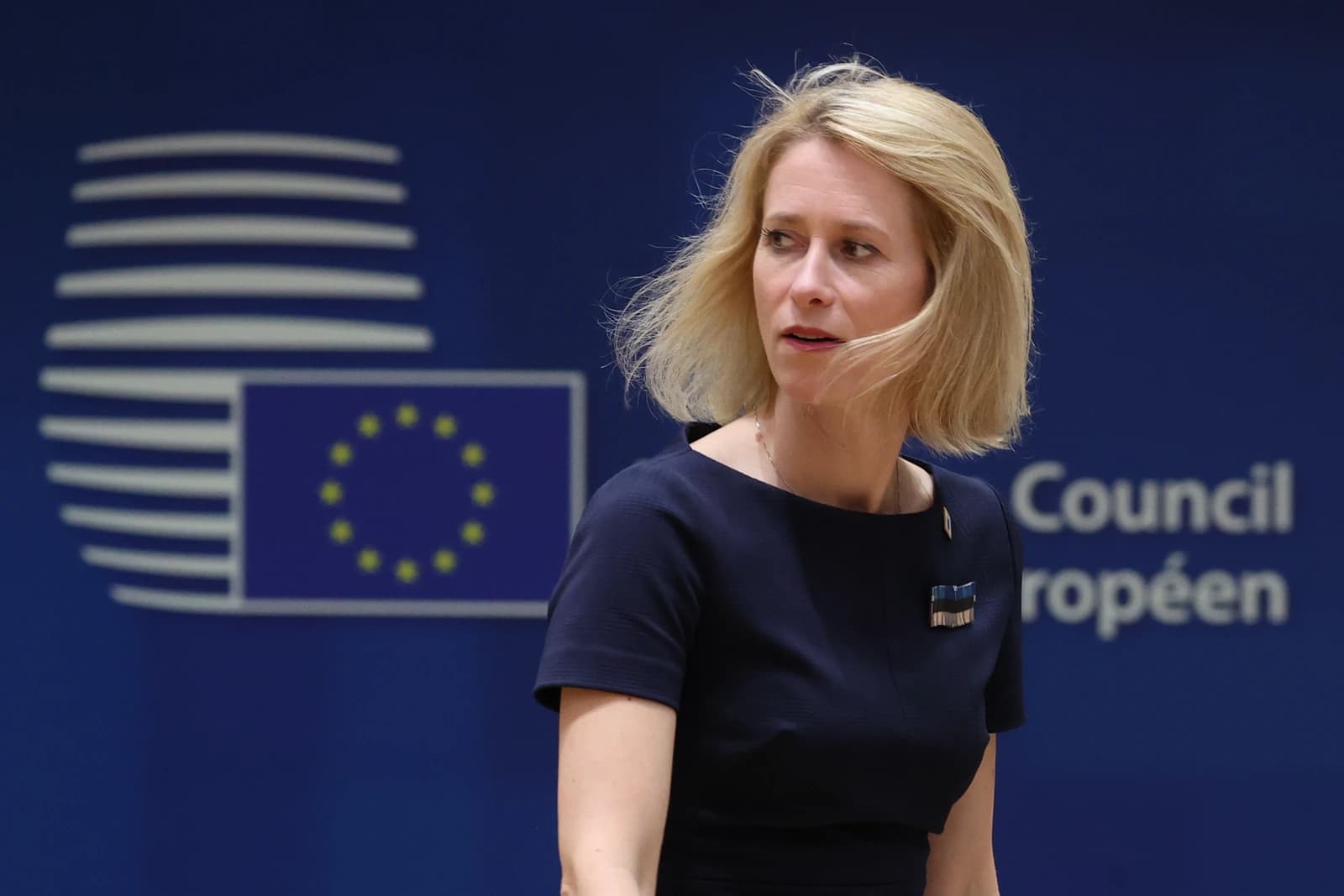
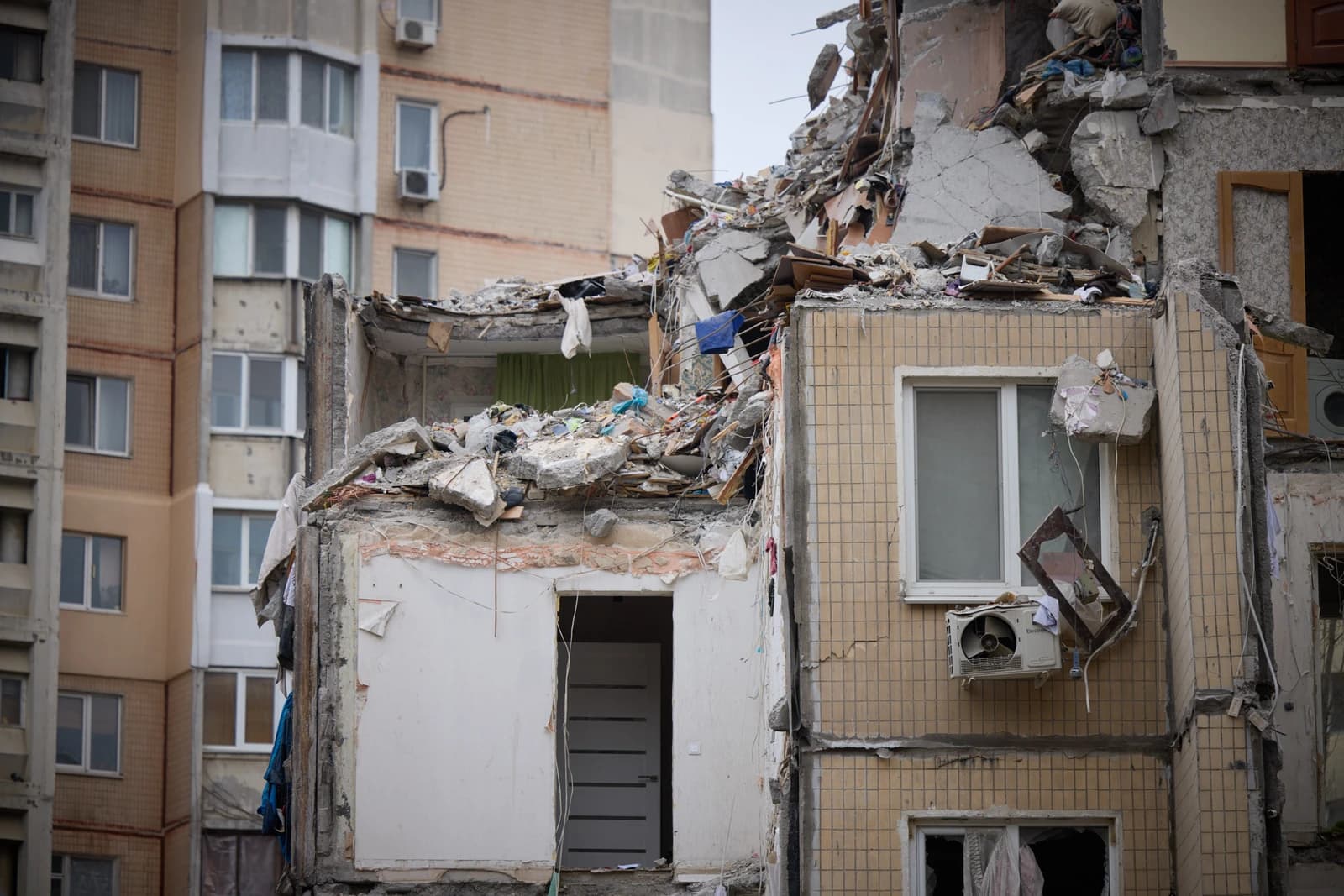
Brussels is pressing ahead with talks on rebuilding Ukraine at a moment when the war is still grinding on, underscoring that the most important economic question is no longer only how Kyiv funds its defense, but how Europe and its allies turn reconstruction into a credible financing framework.
Ukraine reconstruction financing talks in Brussels

The European Commission has brought together Ukraine, the United States, NATO and major European governments to shape a post-conflict recovery plan that could help anchor private capital, development financing and long-dated public support around a future peace deal. That matters because the scale of Ukraine’s reconstruction will run into hundreds of billions of dollars, and without a clear burden-sharing structure, investors and lenders are likely to stay on the sidelines.
Sentiment Indicators
The talks in Brussels reflect a broader attempt to link security guarantees with economic rebuilding, a combination that policymakers see as essential if they want Ukraine to sustain itself after the fighting stops. The effort comes as airstrikes continue and as President Volodymyr Zelensky courts additional support from allies beyond Europe, including Latin American governments for energy infrastructure repair.
For markets, the significance lies less in immediate asset repricing than in the steady creation of a framework that could eventually pull in sovereign aid, multilateral lending and private-sector participation in transport, power, housing and industrial assets. Reconstruction plans of this kind typically require not just grants and concessional loans, but insurance, political-risk backstops and a clear pipeline of projects that can attract contractors, banks and bond investors.
That is why the involvement of the US and NATO alongside European institutions matters. Their participation signals that Ukraine’s recovery is being treated not simply as a humanitarian obligation, but as a strategic investment in Europe’s eastern security architecture and in the future integration of Ukraine with European structures. The more durable that political commitment looks, the more likely capital is to start pricing in rebuilding opportunities in energy, materials, logistics and defense-related infrastructure.
The setting also highlights the tension between war and planning. Negotiations later this month between the US, Russia and Ukraine could shape the trajectory of the conflict, but the Brussels meetings suggest allies do not want reconstruction to wait for a final settlement. That sequencing is important: the earlier a funding map is agreed, the lower the risk that postwar rebuilding becomes fragmented, delayed or dependent on emergency aid alone.
Investors will be watching whether the talks produce a financing coalition large enough to absorb Ukraine’s needs and whether any peace-track progress reduces the risk premium on Eastern European assets. Until then, reconstruction remains a medium-term story, but one that could gradually reshape flows into European sovereign debt, regional currencies, and companies positioned to win rebuilding contracts.
| Entity | Gains | Losses |
|---|---|---|
| Ukraine | ▲Reconstruction financing prospects | ▼Funding uncertainty |
| EU and allies | ▲Strategic influence | ▼Fiscal burden |
| Private contractors and lenders | ▲Future project pipeline | ▼Political-risk exposure |
| Russia | ▲— | ▼Diplomatic leverage if recovery plan advances |