A homebuyer who finds an old utility bill attached to a newly purchased property usually should not be on the hook for the seller’s debt, and that matters because utility providers cannot use someone else’s arrears as a shortcut to block service or force a transfer of liability.
Kazakhstan Says Utility Debt Stays With Seller
That is the core message from Kazakhstan’s Ministry of National Economy, which said the debt for water, power or other коммунал services does not automatically pass to the new owner when a home changes hands. In other words, buying the house does not make the buyer the debtor. Any transfer of that obligation requires agreement from the utility company, and if the parties cannot settle the matter, the dispute can go to court.
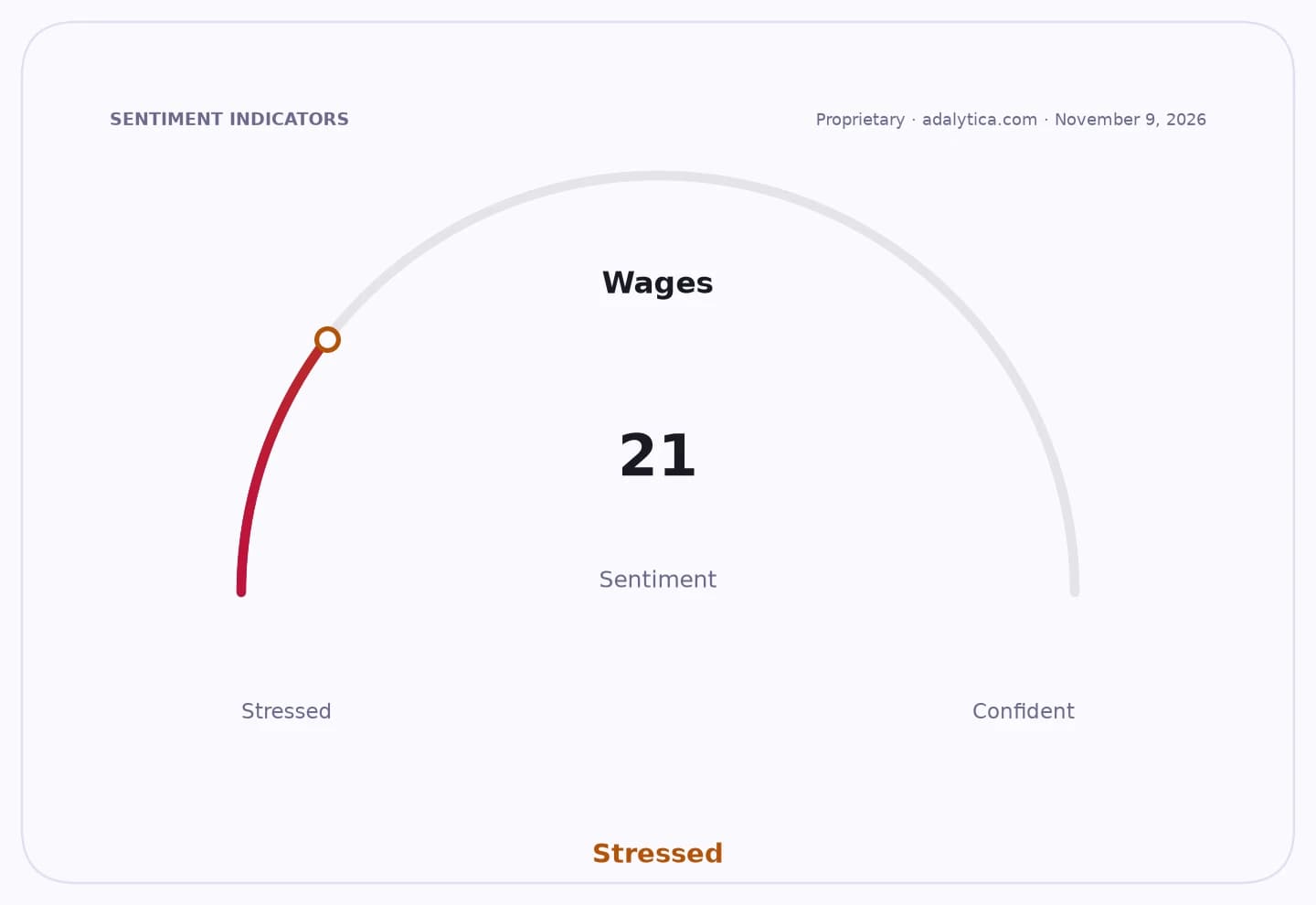
Sentiment Indicators
For homeowners, that is more than a paperwork issue. Utility access is a basic service, and forced payment of a previous owner’s arrears can turn a normal real estate transaction into a cash trap. The ministry’s guidance is designed to keep those disputes from distorting property sales and to prevent providers from using unpaid balances to slow down ownership transfers, re-register accounts or restore service.
The practical takeaway for buyers is to check utility debts before closing, along with meter readings and whether services are still active. If the seller’s arrears are discovered only after the deal, the new owner should file a written complaint asking the utility to split billing by period and remove the previous owner’s debt from the new bill. The request should be supported by the title deed, the bill, the handover act and proof of payment, if available.
That matters economically because hidden utility arrears can raise the true cost of homeownership at the worst possible time: right after a purchase. In tighter housing markets, where affordability is already strained by mortgage costs, taxes and maintenance, unexpected utility claims can discourage transactions or force buyers to demand larger discounts. The guidance also helps reduce one source of friction in the housing market by making liabilities clearer at closing.
Investors should not read this as a direct market-moving event for utilities or property stocks, but the underlying theme is familiar: utilities depend on stable collections, while regulators want fair treatment of consumers. That tension shows up in company filings too, with U.S. regulated utilities such as Dominion Energy and Southern Company highlighting customer affordability, collections timing and credit risk in recent reports. In a sector built on predictable cash flow, anything that complicates billing or recovery can matter.
For long-term investors, the broader lesson is about diligence and cash-flow discipline. Whether you are buying a home or buying utility stocks, the rules around who pays, when they pay and how disputes are settled are central to value. For homeowners, verify the bills before signing. For investors in regulated utilities, watch how affordability pressure and collections policy affect earnings quality over time. Both are worth keeping on your watchlist.
| Entity | Gains | Losses |
|---|---|---|
| New homeowners | ▲Clear liability rules | ▼Surprise debt claims |
| Utility providers | ▲Proper bill collection | ▼Ability to shift old debt |
| Regulators | ▲Fairer consumer treatment | ▼Fewer enforcement disputes |
| Home sellers with arrears | ▲Opportunity to negotiate in contract | ▼Less chance of passing debt along |