Utilities stocks are holding up even as investors grapple with higher borrowing costs, sticky inflation and growing public frustration over how hard it is to get a human answer from utility providers and public services.
Utilities Stocks Hold Up as Yields Stay High
The theme matters because utilities sit at the intersection of regulation, capital spending and affordability. Households are increasingly being forced through phone trees and online portals to reach companies and agencies, while utilities themselves face the larger economic problem of financing grid, clean-energy and service upgrades without pushing bills higher.
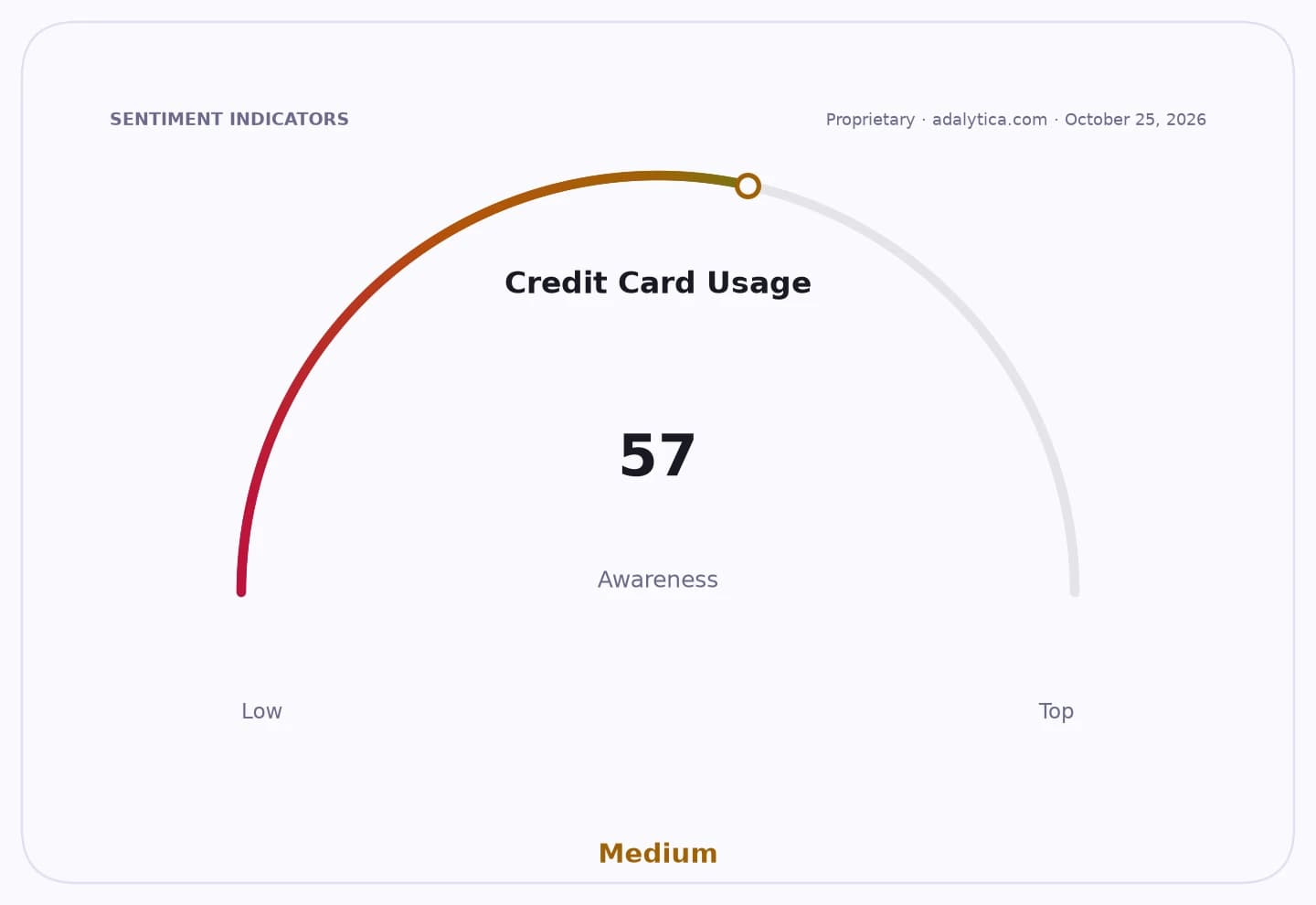
Sentiment IndicatorsⓘProprietary · adalytica.com · October 26, 2026
This is a snapshot — live sentiment, awareness and momentum for 130+ markets update continuously in the dashboard.Open AlphaPulse
In France, a consultation by Odoxa for the Ici network found 61% of respondents dissatisfied with public services and 87% saying it is difficult to reach a human interlocutor, underscoring the political pressure on administrations to restore local access. The same complaint is showing up in utilities, where customer service, bill disputes and outage response have become part of the broader backlash against digital-only service models.
The market backdrop is also turning more challenging. U.S. Treasury yields remain elevated, with the 10-year at 5.12% and the 2-year at 4.79% in recent trading, a level that raises the cost of capital for utility-heavy balance sheets and can weigh on dividend-sensitive stocks. Inflation, meanwhile, is still running hot enough to keep pressure on operating costs and rate cases.
Even so, the utilities sector ETF XLU has been resilient. It closed at 42.65 on Oct. 26, above its 50-day moving average of 41.68 but still below its 200-day average of 43.78, a sign that investors are buying defensive cash flow but not yet bidding the group back to a full trend recovery. U.S. utility names such as NextEra Energy and Southern Company have also traded firmer in recent sessions, helped by the sector’s yield appeal and expectations that regulated returns can absorb some of the higher financing burden.
For investors, the key question is whether utilities can keep passing through the cost of modernization without triggering political pushback. NextEra’s latest filing warned that additional taxes, tariffs and duties on clean-energy equipment could weaken the economics of new projects, while recent project delays and utility-regulation scrutiny in other markets point to the same tension: more infrastructure spending usually means higher customer bills.
That leaves utilities positioned as a defensive play with a policy problem. The next catalysts are rate-case decisions, inflation data and any fresh guidance from major regulated names on how much of the rising cost base can be recovered from customers.
| Entity | Gains | Losses |
|---|---|---|
| Utility stocks | ▲Defensive bid, yield demand | ▼If rates stay elevated |
| Consumers | ▲Better service if reforms stick | ▼Higher bills from upgrades |
| Regulators | ▲Pressure to improve access | ▼Political backlash over costs |
| NextEra, Southern, peers | ▲Rate recovery potential | ▼Clean-energy capex pressure |