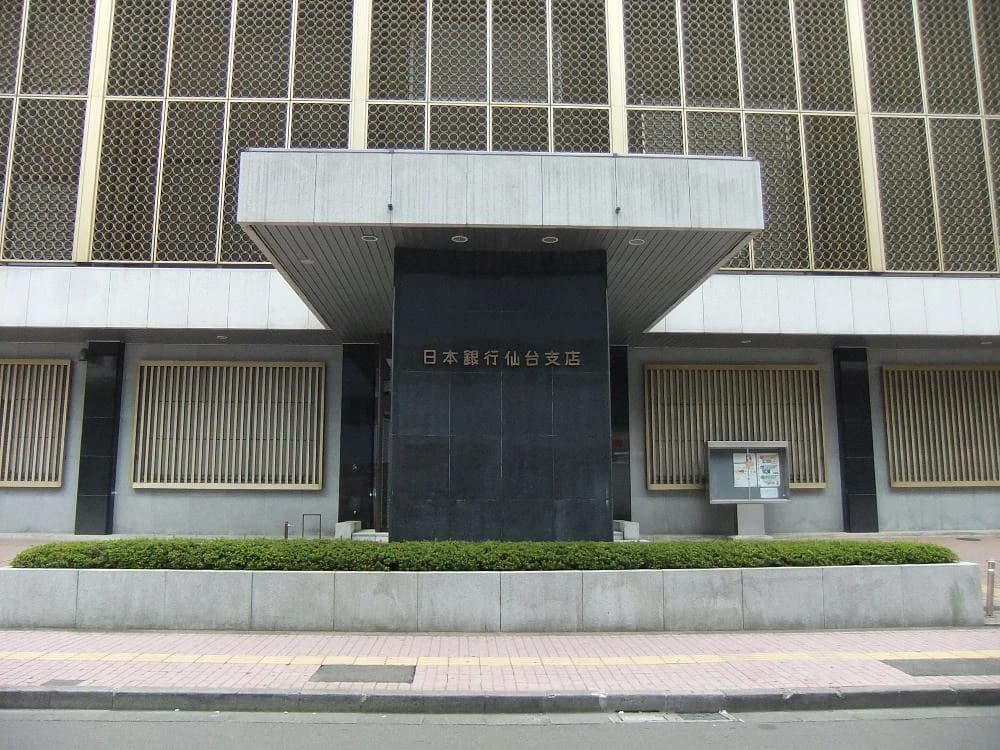
A former head of a pachinko industry council has been arrested in Japan on suspicion of orchestrating a scheme that inflated parts bills for gaming machines, allegedly causing about ¥175 million in losses to the nonprofit body that handled payments for operators and manufacturers.
Japan pachinko council ex-chief arrested over invoicing scheme

The arrest matters because it strikes at the payment plumbing behind Japan’s pachinko sector, a cash-intensive industry where trust, compliance and vendor oversight are central to keeping transactions moving between operators, equipment makers and parts suppliers. Investigators said the former representative director of the Electronic Authentication Systems Council, a nonprofit set up to help make pachinko sales data more transparent, arranged for suppliers to issue padded invoices and funneled the excess into a company he controlled under the guise of “consulting fees.”
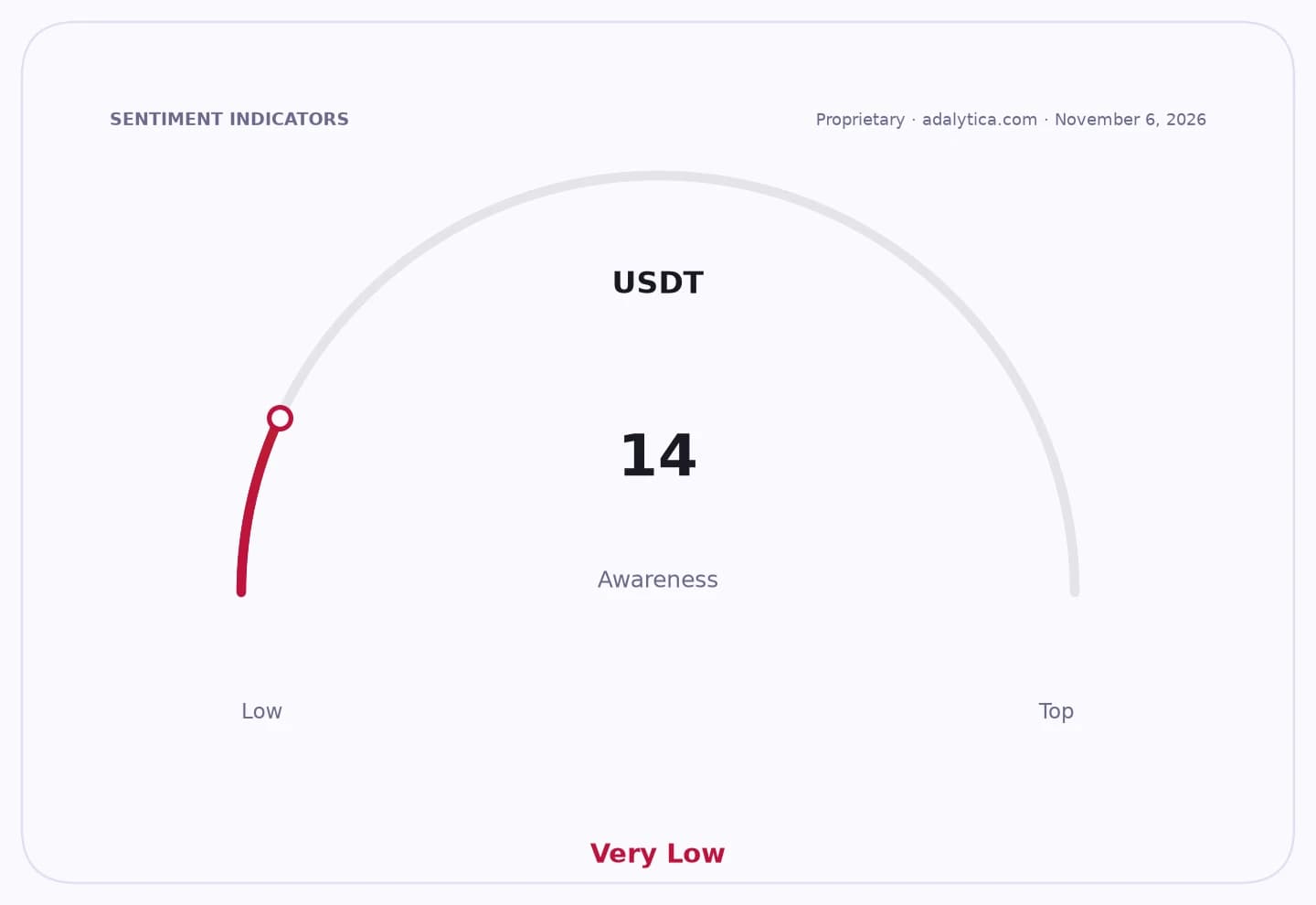
Sentiment Indicators

Police allege the scheme ran from around April 2022 through February 2023 and inflated costs by about ¥6,500 per machine across 24,500 machines, adding up to roughly ¥175 million. The alleged losses are large enough to matter not only for the council but also for pachinko halls, which may ultimately have borne some of the extra burden through the payment chain. That raises questions about pricing discipline in a sector already under pressure from regulation, declining demand and tighter scrutiny of money flows.
For investors, the case is less about a single criminal indictment than about counterparty risk in a niche gaming ecosystem that relies on specialized suppliers, intermediary associations and recurring equipment purchases. Any investigation that exposes billing manipulation, weak internal controls or opaque vendor relationships can weigh on sentiment toward Japan-linked gaming names, nearby service providers and any listed business exposed to the pachinko supply chain.
The broader narrative is a compliance crackdown on a business model built on high transaction volumes and limited transparency. If prosecutors can show the alleged scheme was sustained through a network of suppliers and sham service payments, the fallout could extend beyond one former executive to audits, contract reviews and tighter payment controls across the industry.
| Entity | Gains | Losses |
|---|---|---|
| Pachinko council members | ▲Better oversight pressure | ▼Higher compliance burden |
| Equipment suppliers | ▲Cleaner payment practices | ▼Scrutiny over invoices |
| Pachinko operators | ▲Less fraud risk long term | ▼Potential cost pass-through |
| Suspect and affiliates | ▲None | ▼Criminal exposure |