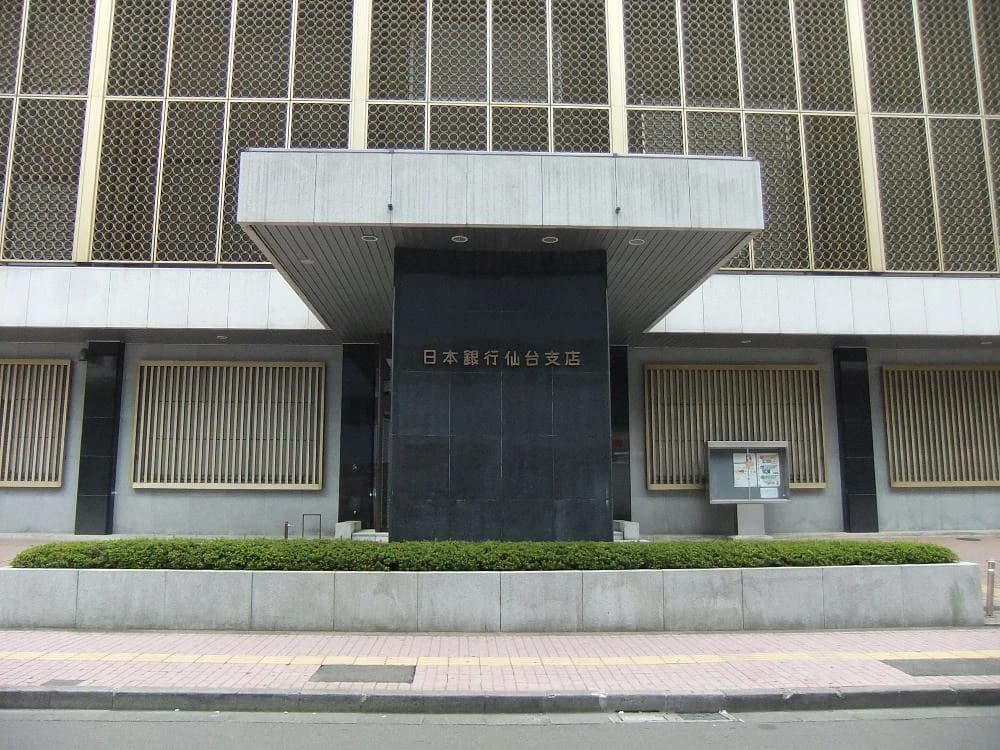
Japan’s central bank kept its assessment for the Tohoku region unchanged in October while warning that “cyber countermeasures will become more important,” underscoring how operational resilience is becoming part of the economic outlook as higher rates and digital dependence reshape regional finance.
BOJ keeps Tohoku view unchanged, flags cyber risk
The unchanged view suggests the Bank of Japan still sees no sharp deterioration in the northeastern economy after September’s rate increase, but it also implies the recovery remains fragile enough that policy makers are not ready to upgrade the region’s prospects. For investors, that matters because regional conditions feed into credit demand, deposit competition and the earnings outlook for Japanese lenders with heavy domestic exposure.
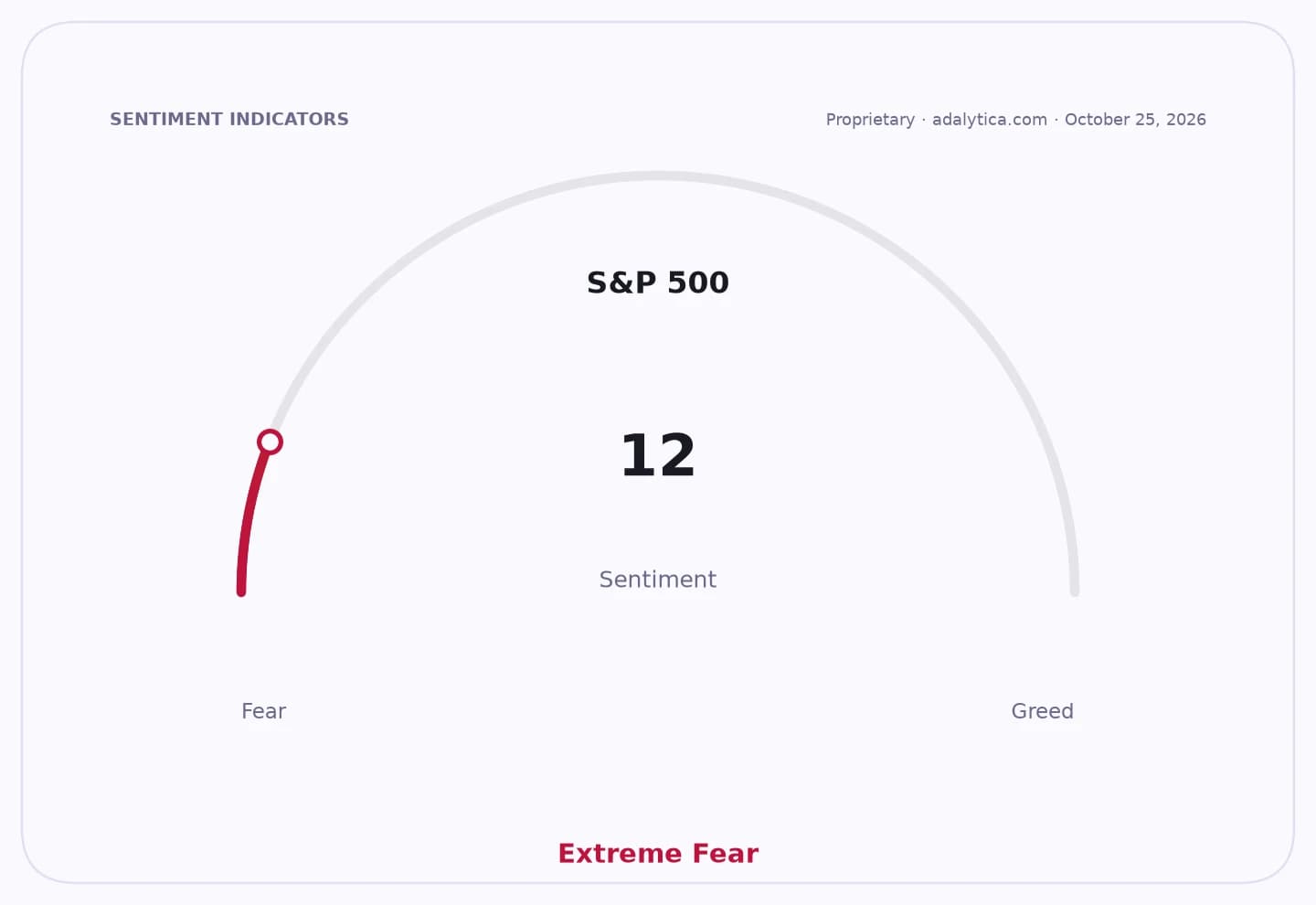
Sentiment Indicators
The warning on cyber defense adds a newer layer to the story. Banks and other financial institutions are increasingly exposed to service interruptions and fraud risks as more activity moves online, and the BOJ’s explicit mention indicates that cybersecurity is no longer just a compliance issue but a macro and financial-stability concern. The timing is notable: Japan is already grappling with the effects of a higher policy rate, and banks are adjusting deposit pricing as savers shift money toward shorter-term products that reprice faster.
That shift has economic consequences. Short-dated deposits are drawing funds as households and businesses respond to the BOJ’s tightening cycle, which can improve funding flexibility for savers but raises pressure on banks to defend balances. The competition is already visible in higher-yield offers from lenders seeking rate-sensitive customers. If cyber risk disrupts services, it can accelerate those flows and deepen the challenge for regional institutions that rely on trust and stable deposits.
For investors, the combination of an unchanged regional outlook and a rising cyber-risk premium favors larger banks and better-capitalized institutions that can absorb compliance spending and technology upgrades. Smaller regional lenders, especially in areas like Tohoku where growth is more subdued, face a tougher mix of margin pressure, rising system costs and limited pricing power. At the same time, vendors and service providers in cybersecurity stand to benefit as banks increase spending on resilience and incident response.
The broader narrative is that Japan’s post-deflation normalization is now colliding with the costs of modernization. Higher rates are beginning to change how money moves through the banking system, but the BOJ is also signaling that the plumbing itself has become a policy concern. That leaves regional banks with a dual test: preserve funding and profitability while hardening systems against cyber disruption.
What to watch next is whether the BOJ’s regional assessments start to diverge more sharply if rate hikes bite into credit demand, and whether banks accelerate technology spending to protect customer access and deposit stability.
| Entity | Gains | Losses |
|---|---|---|
| Large Japanese banks | ▲Better pricing power | ▼Less relative advantage from scale? |
| Regional lenders in Tohoku | ▲Stable outlook support | ▼Higher cyber and funding costs |
| Cybersecurity providers | ▲More bank spending | ▼— |
| Rate-sensitive savers | ▲Higher deposit yields | ▼Lower returns on older deposits |