Thailand’s plan to tighten oversight of “buy now, pay later” lending could reshape a fast-growing slice of digital consumer credit, with new draft rules capping borrowing at 20,000 baht, limiting repayment terms to six months and setting a 15% annual effective rate ceiling.
Thailand Drafts New BNPL Lending Rules
That matters because BNPL has become one of the easiest ways for households to accumulate multiple small debts across apps and merchants, and Bangkok is now moving to force lenders to show the full cost of that borrowing before consumers click to pay. In a country already focused on household debt stress, the proposal is aimed at slowing hidden leverage, not just policing pricing.
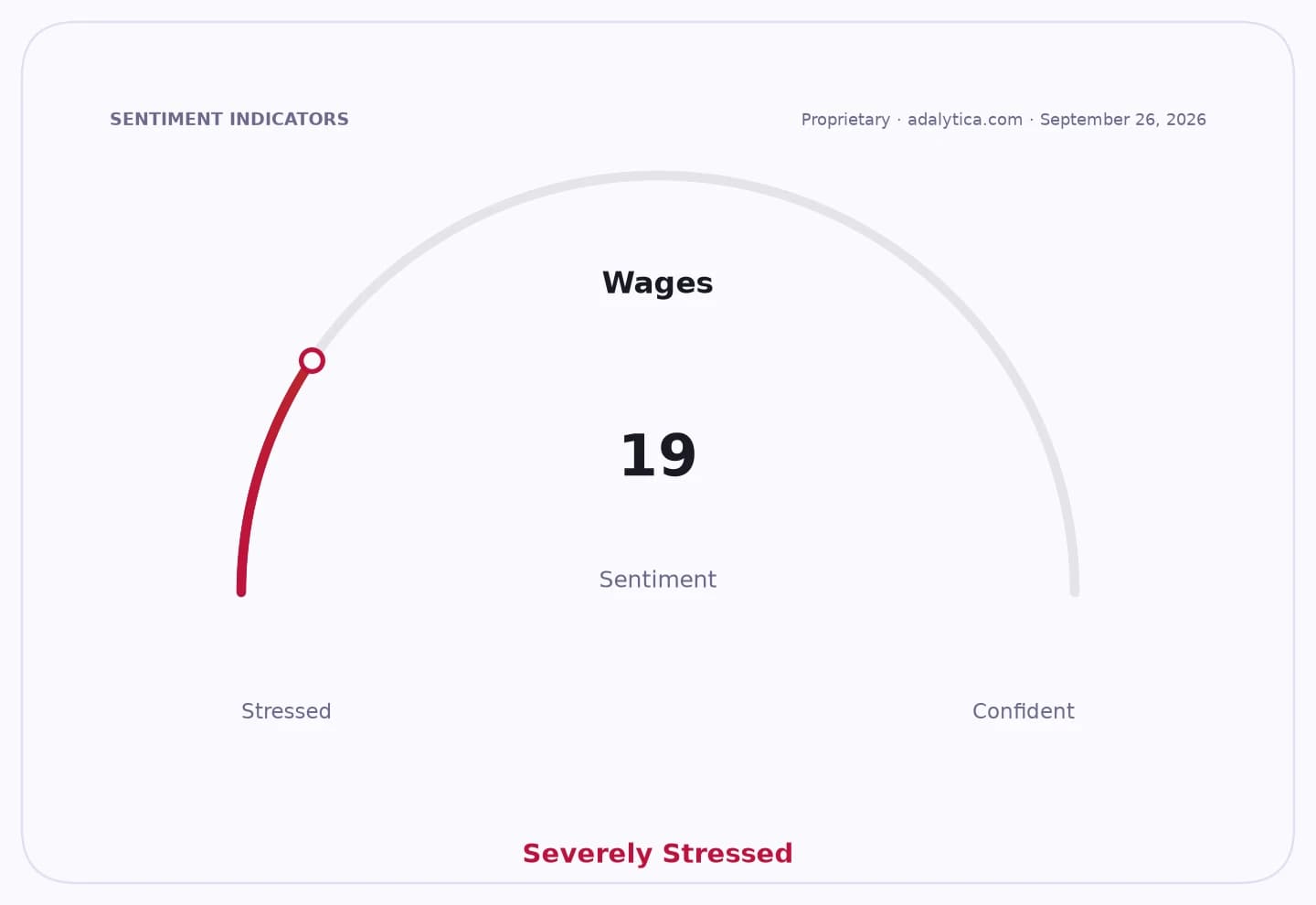
Sentiment IndicatorsⓘProprietary · adalytica.com · October 22, 2026
This is a snapshot — live sentiment, awareness and momentum for 130+ markets update continuously in the dashboard.Open AlphaPulse
The finance ministry and Bank of Thailand opened the draft for comment through Nov. 15, and the package would require providers to assess repayment ability, disclose interest, fees and debt schedules clearly, and separate the purchase decision from the credit decision. The policy push is straightforward: keep digital finance convenient, but make it less likely that small instalments stack into a larger balance sheet problem for consumers.
For investors, the real issue is not whether BNPL survives, but which business models can survive with thinner economics and heavier compliance. Companies that depend on high-frequency, low-ticket consumer lending face tighter unit profitability, more documentation and less room to stretch pricing. That is exactly the kind of regulatory overhang the market tends to underestimate until it hits growth rates and margins.
The read-through is especially important for global payments and consumer finance names with exposure to instalment products, including Affirm and PayPal. Affirm’s stock has regained its 50-day and 200-day moving averages and was trading at $72.40 on Oct. 22, but it remains in the crosshairs of any broader tightening in BNPL regimes. PayPal, at $57.53, has also been strong technically, with its relative strength index above 88, but a more restrictive BNPL framework globally would reinforce the pressure to prove that its credit products can grow without relying on loose underwriting or opaque pricing.
The market’s bigger mispricing may be in assuming BNPL is just a payments feature. It is really a credit product, and credit products eventually get regulated like credit products. Thailand’s move follows the same logic seen elsewhere: as consumer borrowing migrates into apps, regulators want the same protections that apply to bank and card lending.
That makes the next phase of the trade about quality, not just growth. Providers with strong underwriting, transparent pricing and diversified revenue should weather the shift better than lenders chasing volume at the edge of affordability. Investors should treat this as a warning shot for the BNPL sector more broadly: the secular opportunity is still there, but the era of easy expansion is narrowing. The winners will be the platforms that can turn tighter rules into a trust advantage.
| Entity | Gains | Losses |
|---|---|---|
| Thai regulators | ▲Stronger consumer protection | ▼Faster BNPL growth |
| Households | ▲More transparent borrowing | ▼Easier access to instant credit |
| Affirm (AFRM) | ▲Trust from compliant underwriting | ▼Higher compliance burden |
| PayPal (PYPL) | ▲Clearer credit discipline | ▼BNPL margin expansion |