Ghana’s fast-growing buy-now-pay-later market is turning into a household solvency problem, with regulators only now moving to impose basic guardrails on a form of credit that lets borrowers stack multiple obligations invisible to each lender.
Ghana BNPL Rules Target Hidden Debt Stacking
The issue matters because BNPL is spreading fastest among the households least able to absorb payment shocks: informal traders, gig workers and salary earners living with thin cash buffers. What looks like convenience at the point of sale can quickly become a hidden balance sheet problem when a phone, fridge and laptop are each financed separately, then all fall due in the same week.
Sentiment IndicatorsⓘProprietary · adalytica.com · September 26, 2026
This is a snapshot — live sentiment, awareness and momentum for 130+ markets update continuously in the dashboard.Open AlphaPulse
That dynamic is precisely what makes BNPL economically important. Each transaction is small enough to pass as manageable, yet the combined debt load can overwhelm income without ever appearing large on any one lender’s books. In a market where a missed payment can trigger a remote lock on a financed phone within 24 hours, a late instalment can immediately hit a household’s ability to earn, particularly for traders and drivers who rely on their handset for work.
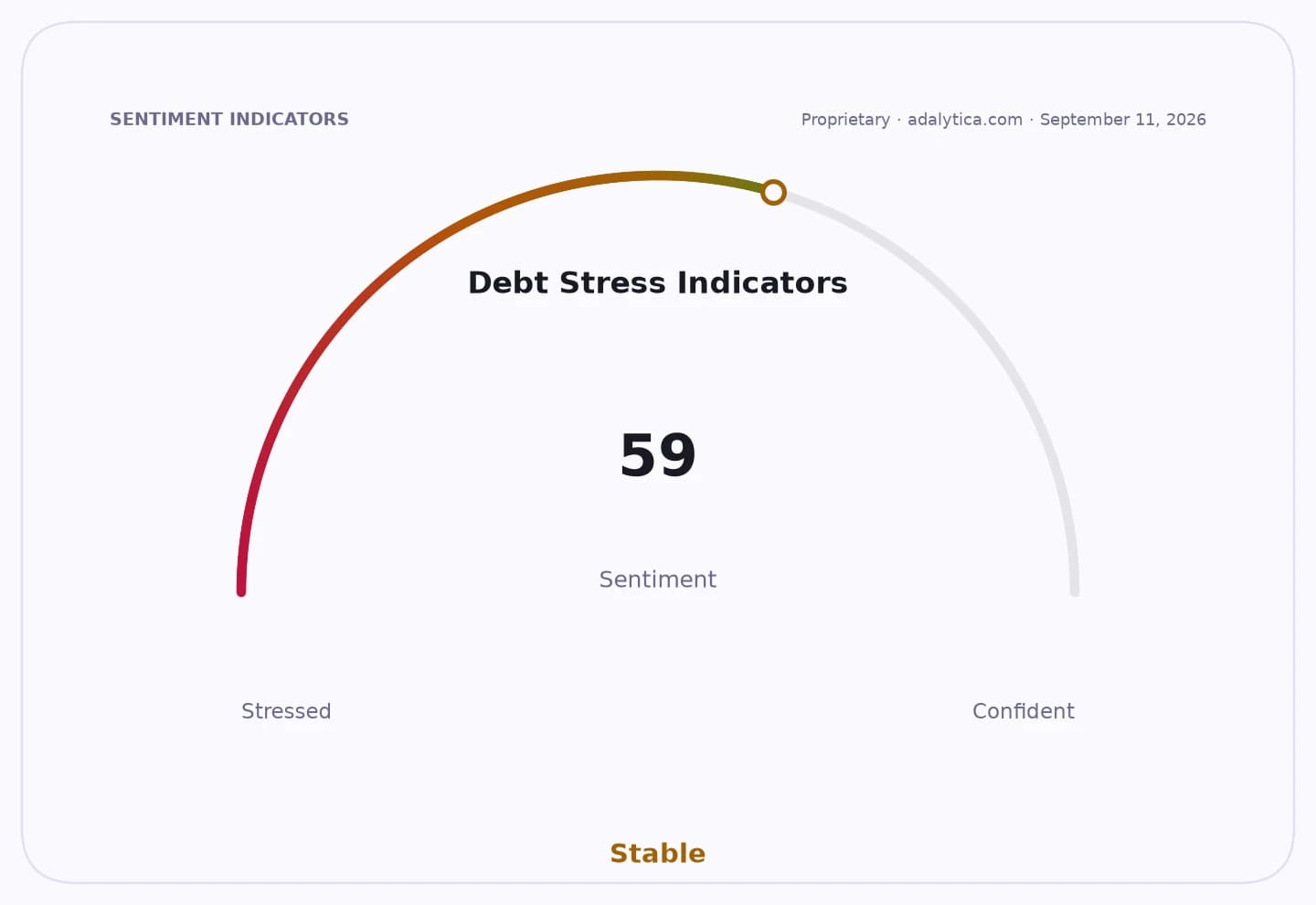
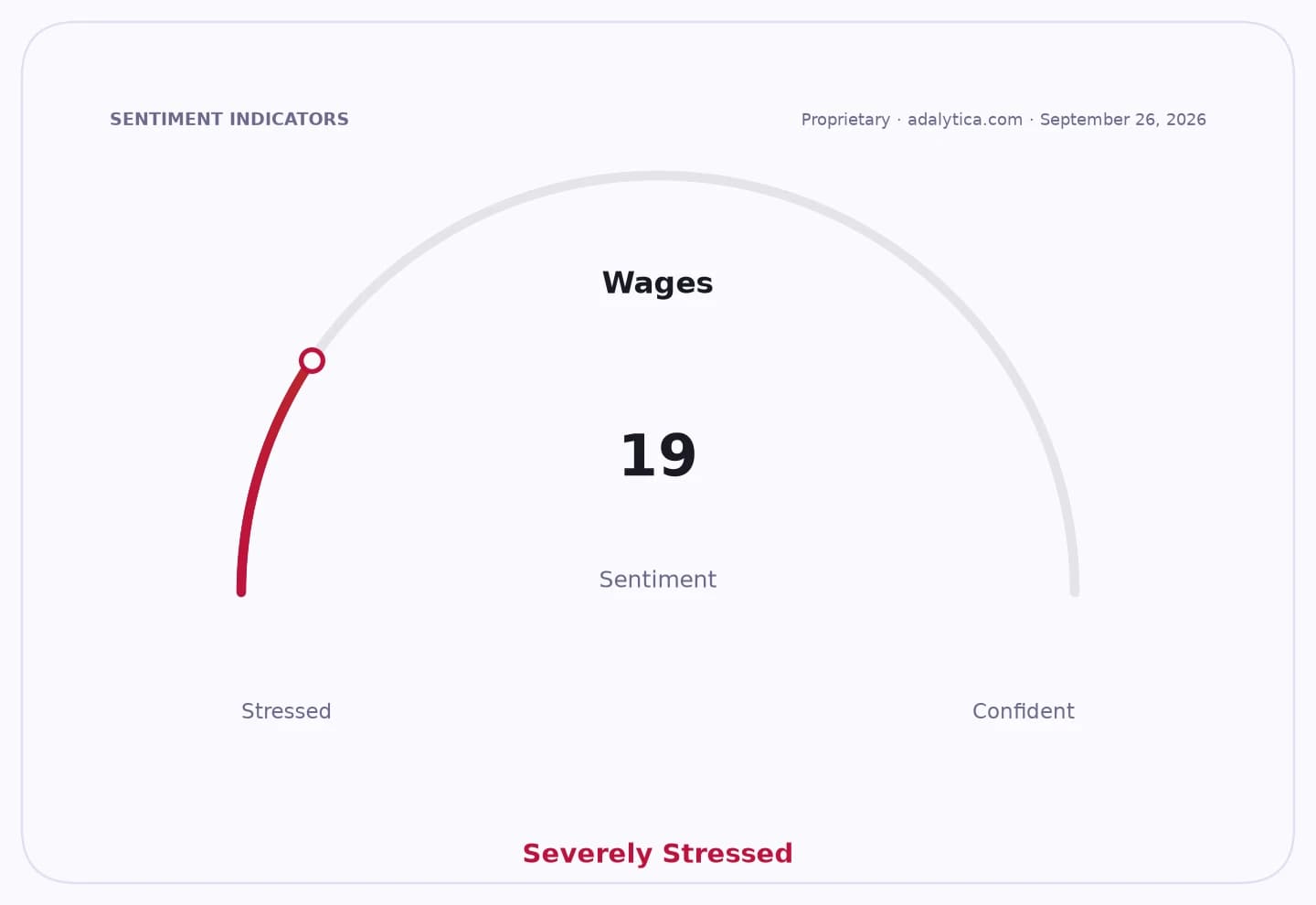
The warning signs are not just anecdotal. Adalytica’s Household Debt Stress Sentiment sits at 4, in “Extreme Fear,” while credit card usage sentiment is 44, neutral, underscoring how fragile household borrowing conditions remain even before adding BNPL stacking. Wage inflation sentiment is only 19, also in “Fear,” suggesting income growth is still not keeping pace with the credit burden households are taking on.
The Bank of Ghana’s new Directive for Digital Credit Services Providers, effective Nov. 1, is a meaningful step, requiring licensing, GH¢2 million minimum capital and daily credit-bureau reporting. But the framework still appears incomplete for the core problem: it reports debt after the fact rather than requiring providers to check existing exposure before approving a new loan.
That leaves investors and lenders facing a familiar credit cycle risk. Growth in consumer finance may look attractive in the short term, but if providers cannot see total household leverage, defaults can rise quietly across portfolios even when each loan individually meets underwriting rules. For payments firms and BNPL lenders, the real test will be whether Ghana’s new rules reduce stacking before arrears spread through the system.
The next catalyst is execution: whether providers adopt pre-approval credit checks, whether regulators tighten household-level limits, and whether enforcement around device locking becomes more consumer-friendly. Until then, Ghana’s BNPL boom is less a story about shopping ease than about debt accumulating one invisible instalment at a time.
| Entity | Gains | Losses |
|---|---|---|
| BNPL providers | ▲Faster loan growth | ▼Higher hidden default risk |
| Ghanaian households | ▲Immediate access to goods | ▼Rising debt stress |
| Bank of Ghana | ▲Stronger oversight powers | ▼Pressure to tighten rules further |
| Retailers | ▲Higher sales conversion | ▼More delinquency exposure |