A court in Russia’s Khanty-Mansi region has convicted 10 people for siphoning fuel behind a cafe and disabling GLONASS tracking, a case that underscores the operational and security costs facing Rosneft as energy infrastructure remains vulnerable to organized theft.
Rosneft fuel theft case highlights logistics risk
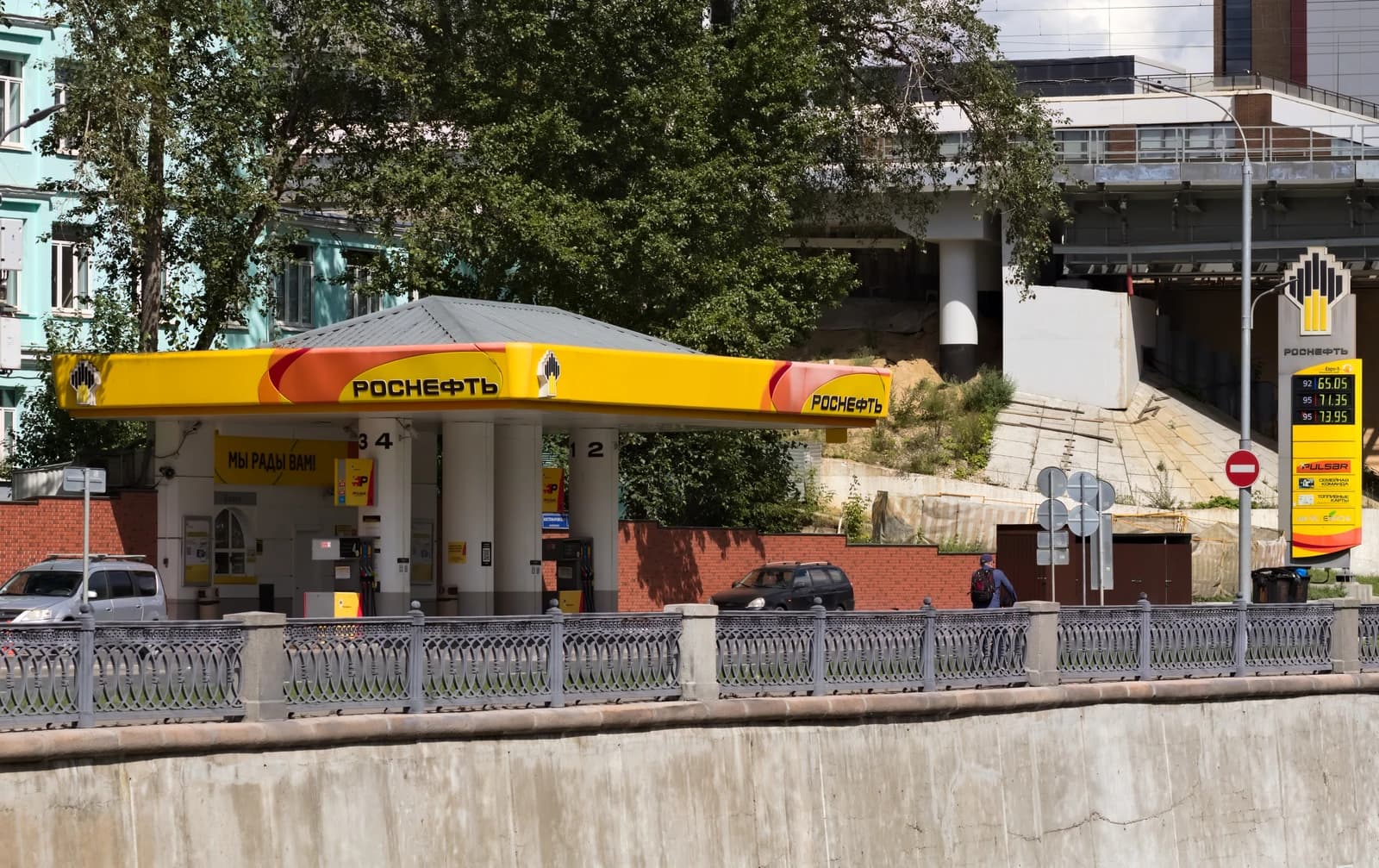
The direct damage was put at more than 1 million rubles, but the larger significance is that the theft targeted logistics and monitoring systems rather than only the fuel itself. Turning off GLONASS suggests the group understood how to evade fleet oversight, which raises the risk of repeated losses, delayed detection and higher compliance costs across Russia’s oil transport chain.
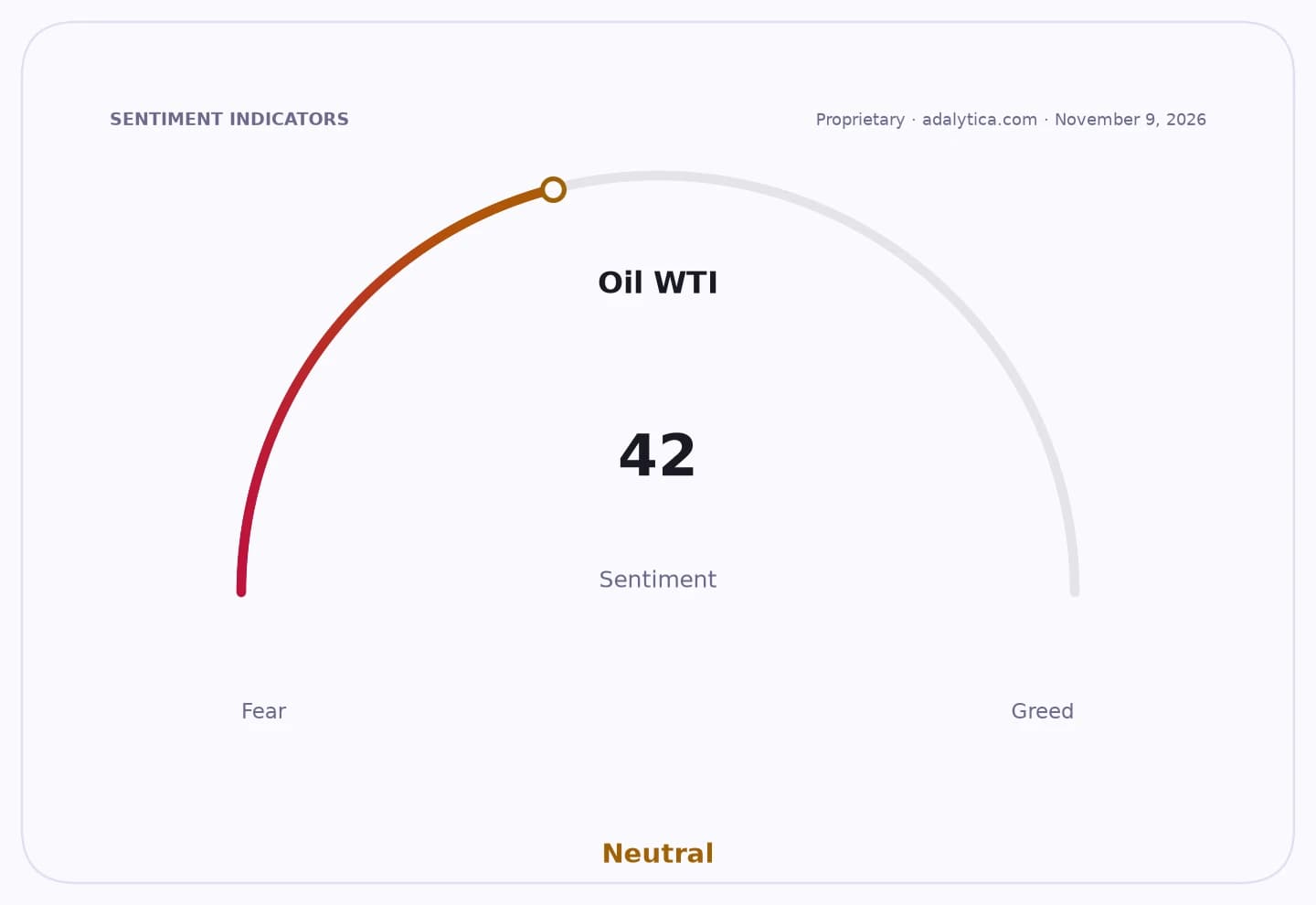
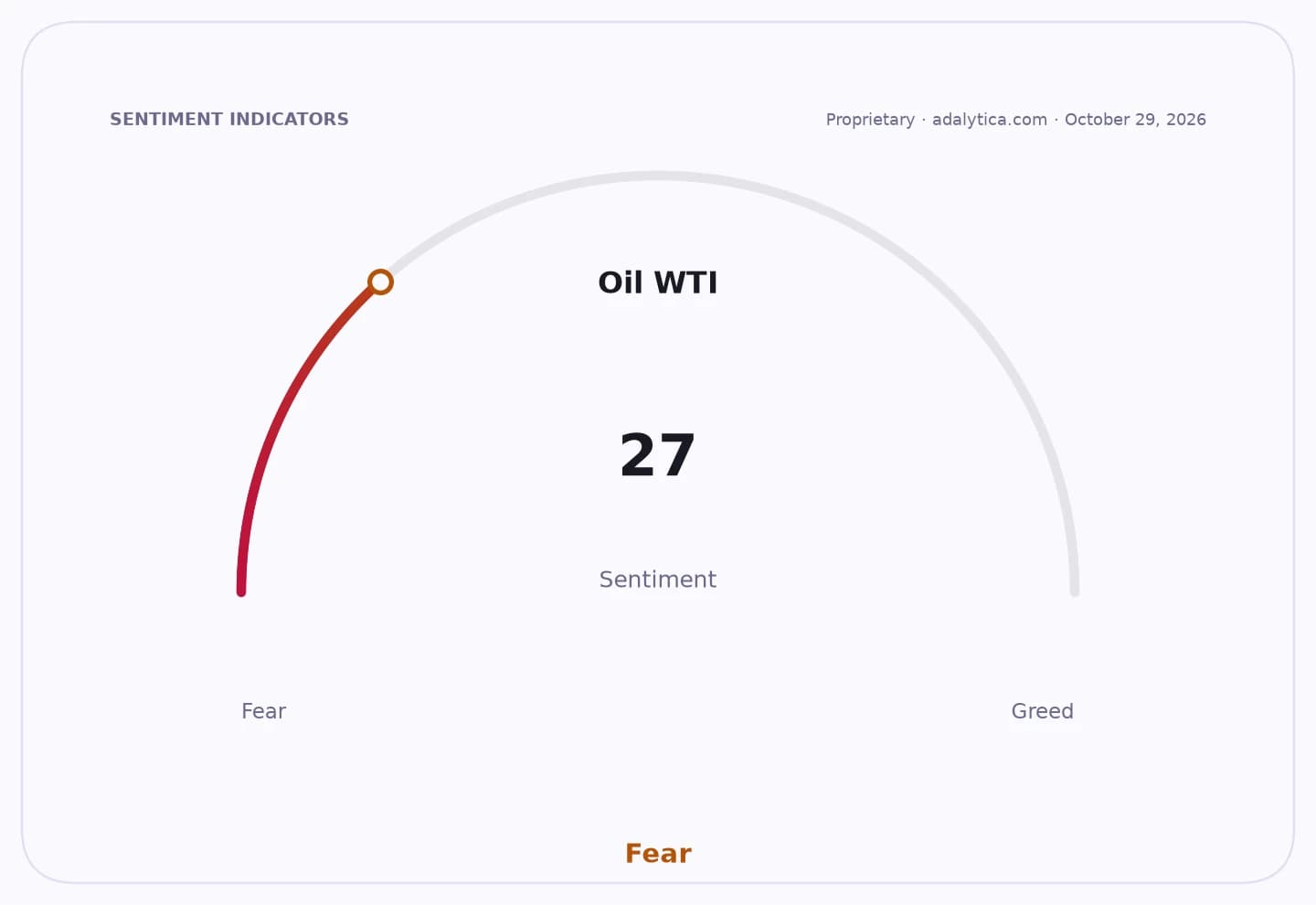
Sentiment Indicators
For Rosneft, the case is modest in financial terms but material in what it says about leakage from a sprawling upstream-to-distribution network. Even small thefts can compound into a broader drag on margins when they occur in hard-to-police regions, particularly if operators must spend more on vehicle tracking, driver controls and internal security to reduce exposure. The all-suspended sentences may also limit the immediate deterrent effect, leaving the burden on companies rather than the criminal justice system to harden defenses.
The issue matters to investors because persistent theft risk can add to operating friction at a time when Russian energy assets already face sanctions pressure, transport constraints and elevated geopolitical risk. Rosneft’s stock has drifted near 0.01 rubles in recent trading, with the share price below its 200-day moving average and momentum indicators still weak, reflecting a market that is not assigning much confidence to near-term earnings catalysts. The latest conviction does not change the equity thesis on its own, but it reinforces the view that execution risk remains embedded in the asset base.
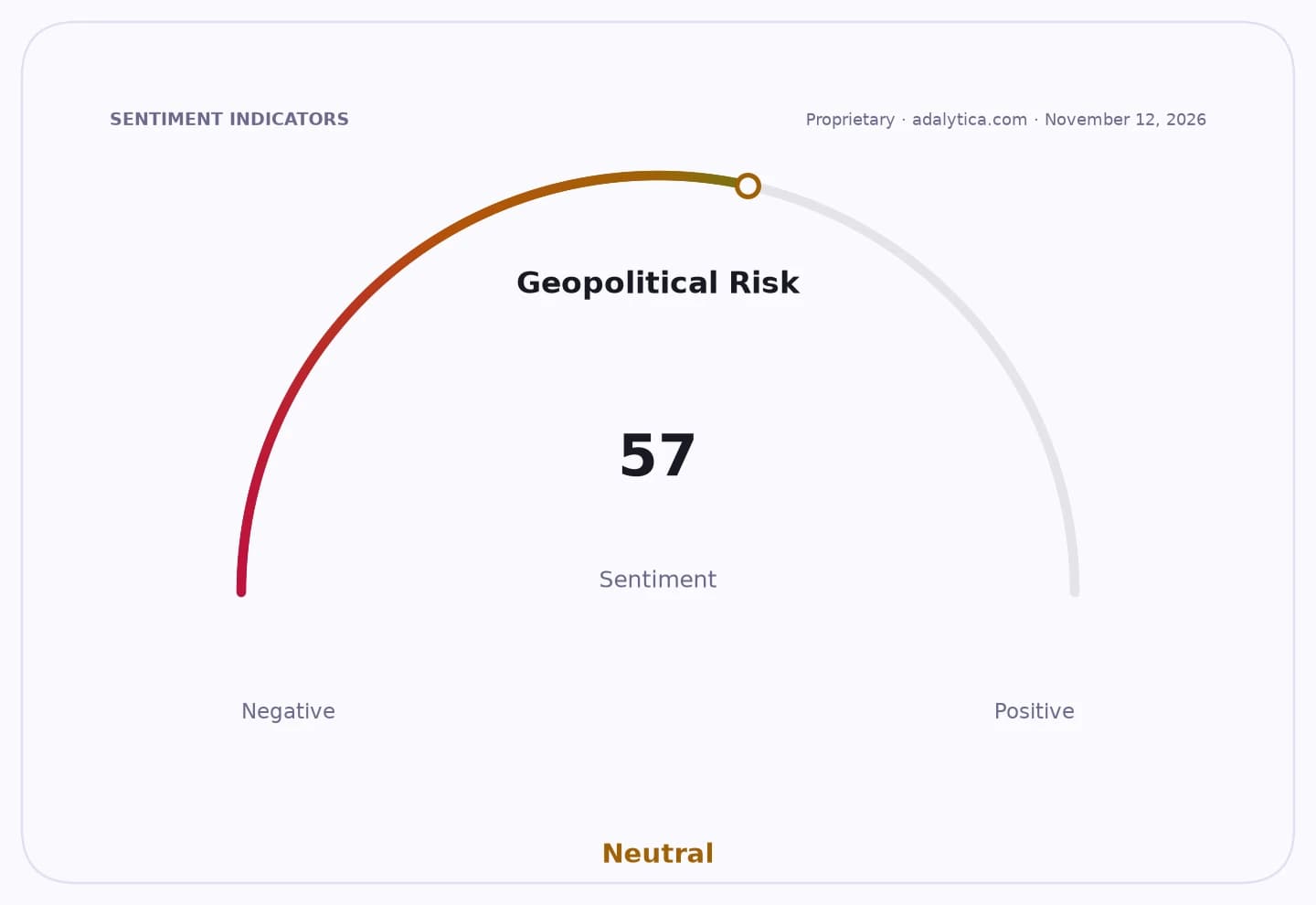
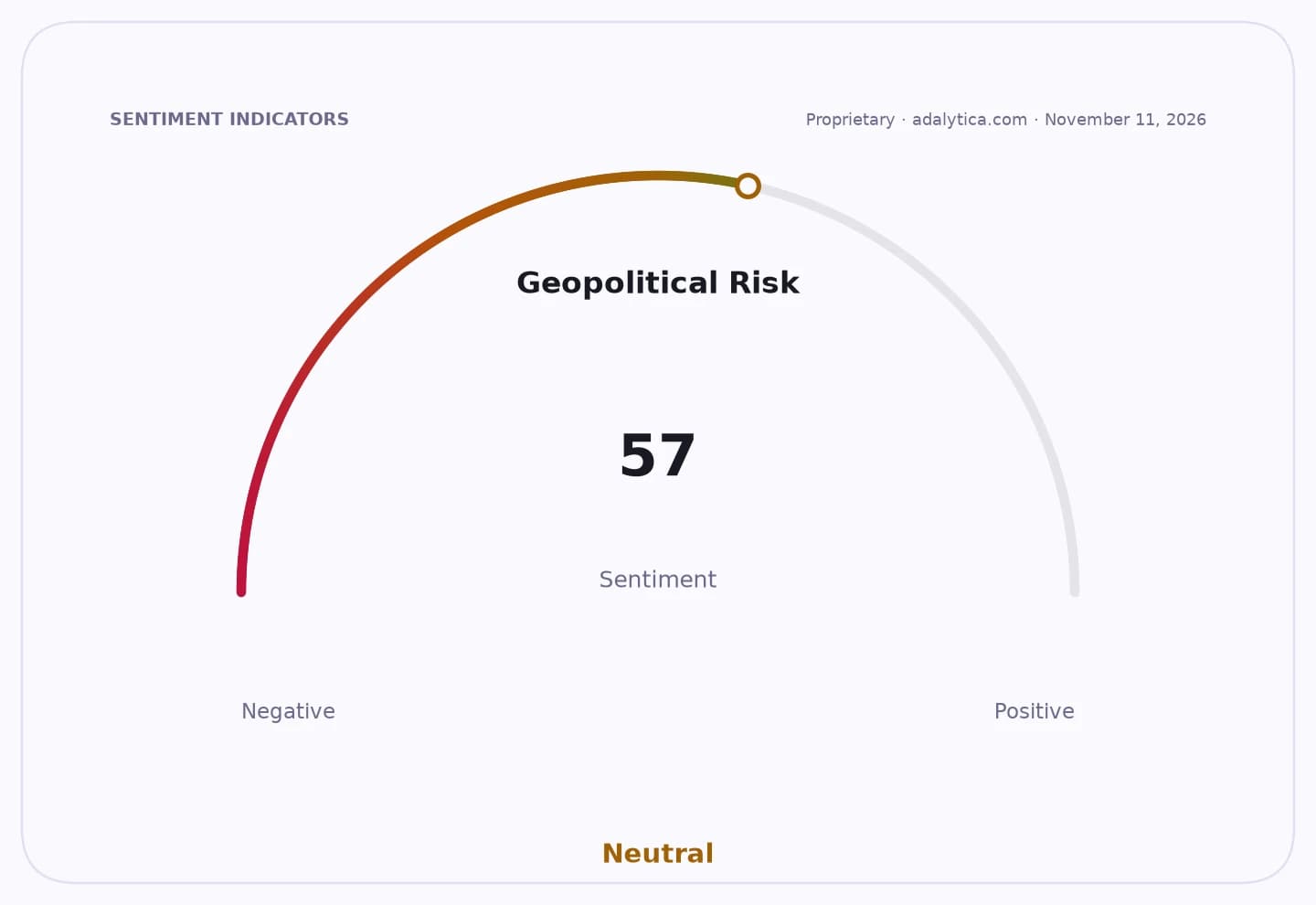
Geopolitical Risk — 30-day sentimentadalytica.com
Explore this data interactively — full history, time series and cross-market comparisons.
More broadly, the case fits a pattern of fuel theft and infrastructure pilfering that points to patchy enforcement and the need for tighter monitoring across commodity logistics. For Russia’s oil companies, the economic impact is less about any single stolen load than about the cumulative cost of defending physical supply chains in an environment where even basic tracking can be defeated.
Investors will watch whether state-linked producers respond with stronger fleet controls, more centralized telemetry and tougher contractor oversight. If theft remains episodic, the financial impact stays contained; if it spreads, it becomes another quiet margin headwind in an already pressured sector.
| Entity | Gains | Losses |
|---|---|---|
| Rosneft | ▲Better deterrence optics | ▼Direct fuel losses |
| Thieves | ▲None | ▼Suspended convictions |
| Investors | ▲Clarity on security risk | ▼Margin certainty |
| Russia’s oil logistics | ▲Tighter oversight pressure | ▼Higher operating costs |