Ukraine’s intensified strikes on Russian energy infrastructure are doing more than rattling Moscow — they are tightening an already fragile fuel balance inside Russia and creating a fresh geopolitical premium for oil-linked assets.
Russia refinery strikes tighten fuel supply
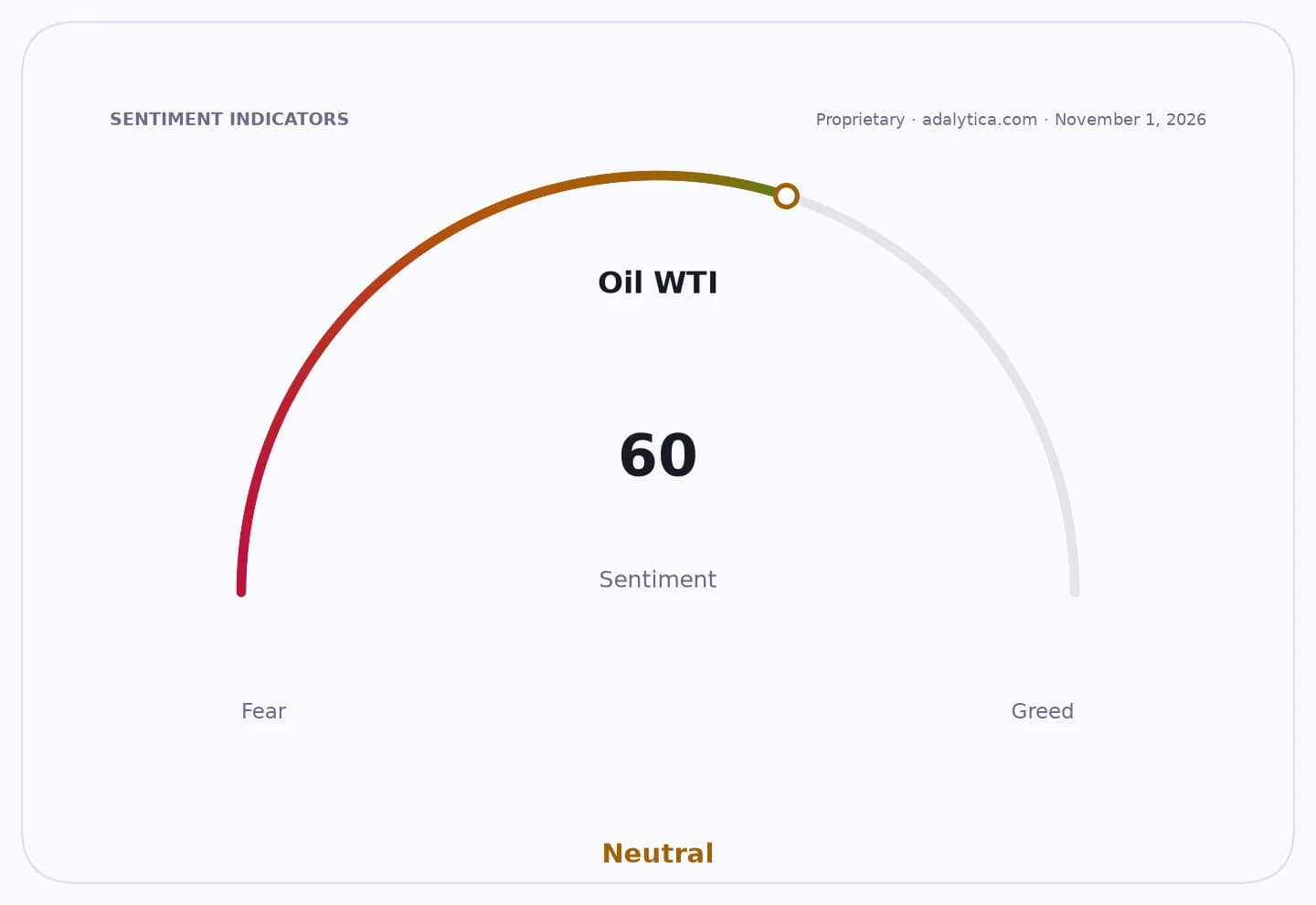
Oil WTI
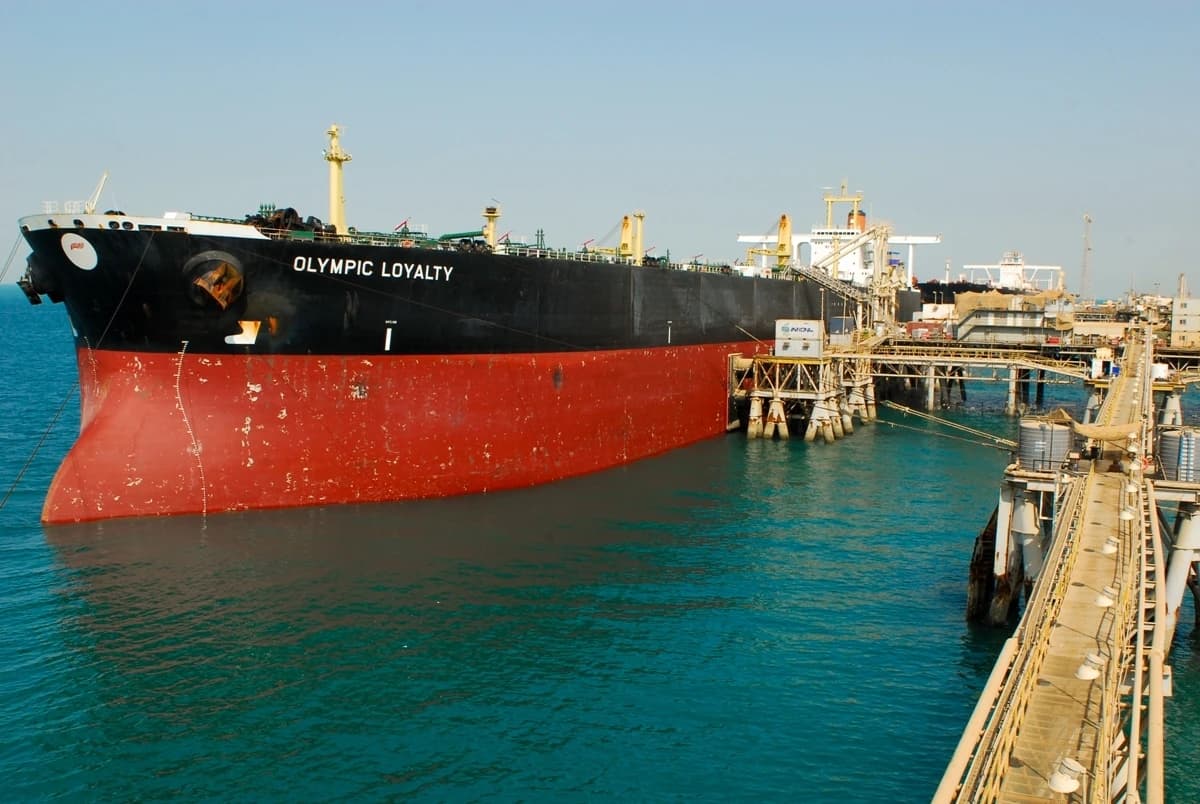
The latest wave of attacks reportedly hit several Russian regions and the Rosneft refinery, while Kyiv said Russian strikes continued to pound Ukrainian targets. More important for markets, the campaign against refineries is now aimed squarely at Russia’s downstream capacity, the part of the oil system that turns crude into diesel and gasoline for the military, industry and consumers. That raises the odds of more local fuel rationing, higher logistical stress and further disruption to Russian product exports.
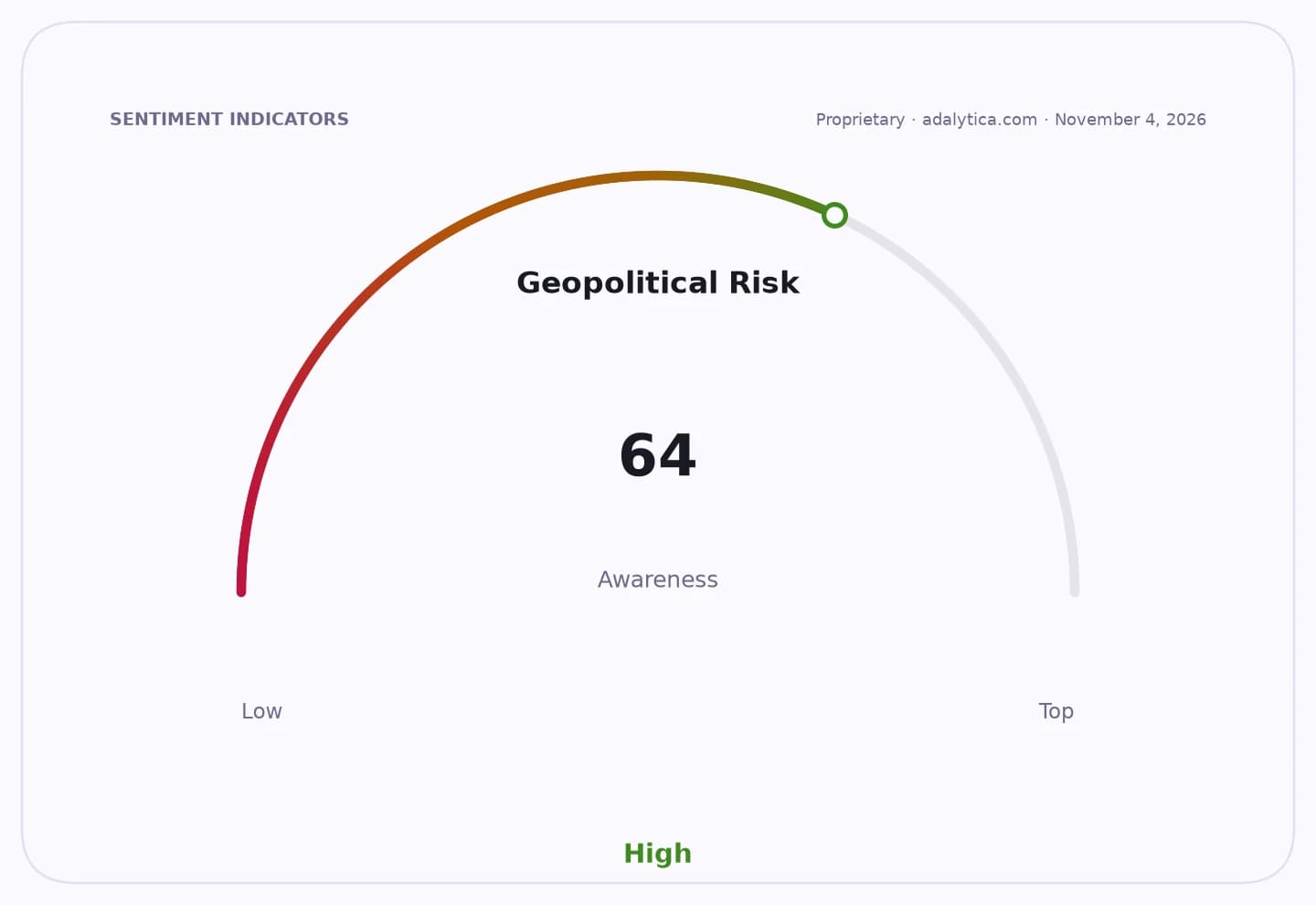
Sentiment Indicators
For investors, the significance is less about the battlefield headlines and more about the second-order effects. Every successful refinery hit increases pressure on Russia’s domestic fuel supply chain and can temporarily reduce product availability in global markets, especially diesel. That is one reason energy remains a tradable geopolitical hedge even as crude prices have pulled back from recent highs. USO, for example, has drifted lower in recent sessions, with the ETF closing at 143.51 on Nov. 9 after trading above 148 earlier in the week. Its RSI reading has fallen to 34.5, showing the move has already reset some short-term momentum, even though the bigger energy backdrop remains tied to supply risk.
The broader oil complex is still underpinned by war risk and infrastructure vulnerability. Brent and WTI may be off their peaks, but the market has not escaped the structural reality that Russian energy flows remain exposed to drone warfare, sanctions pressure and retaliatory strikes. Chevron, Exxon Mobil and other integrated producers are sensitive to that backdrop because refining and marketing margins can widen when product markets tighten, even if crude itself stays range-bound. The latest Chevron filing, like peers’ disclosures, flags the Ukraine war as a continuing source of disruption to operations and margins.
That is why the equity response can diverge sharply from the underlying commodity move. XLE, the energy sector ETF, has already backed off from its October highs, but the group still sits above its 200-day moving average and remains linked to any renewed spike in refining margins or crude differentials. If the refinery campaign deepens, the most immediate beneficiaries are not necessarily crude producers alone, but downstream processors, pipeline operators and integrated majors with flexible feedstock access and export channels.
The market underestimates how quickly this can feed through. Russia’s fuel system is being forced to absorb repeated shocks just as Europe heads deeper into the winter period and Ukraine enters its fifth winter under fire. EU support for Kyiv remains substantial — Brussels says it is disbursing another 4.36 billion euros in aid — which suggests the conflict is not easing. As long as both sides keep targeting energy infrastructure, investors should treat oil and refining as a live war trade, not a static macro position. The asymmetric move is to own the beneficiaries of persistent supply stress, not the assets most exposed to it.
| Entity | Gains | Losses |
|---|---|---|
| Integrated oil majors | ▲Wider refining margins | ▼Higher operational risk |
| Refiners and fuel traders | ▲Product tightness | ▼Supply-chain disruption |
| Russia’s energy system | ▲— | ▼Fuel shortages, export losses |
| Energy ETF holders | ▲Geopolitical hedge | ▼Near-term volatility |