Russia’s move to formalize a government commission that can approve temporary restrictions adds another layer of administrative control to an economy already under strain from war-related disruptions, sanctions and fuel shortages.
Russia forms commission to approve temporary restrictions
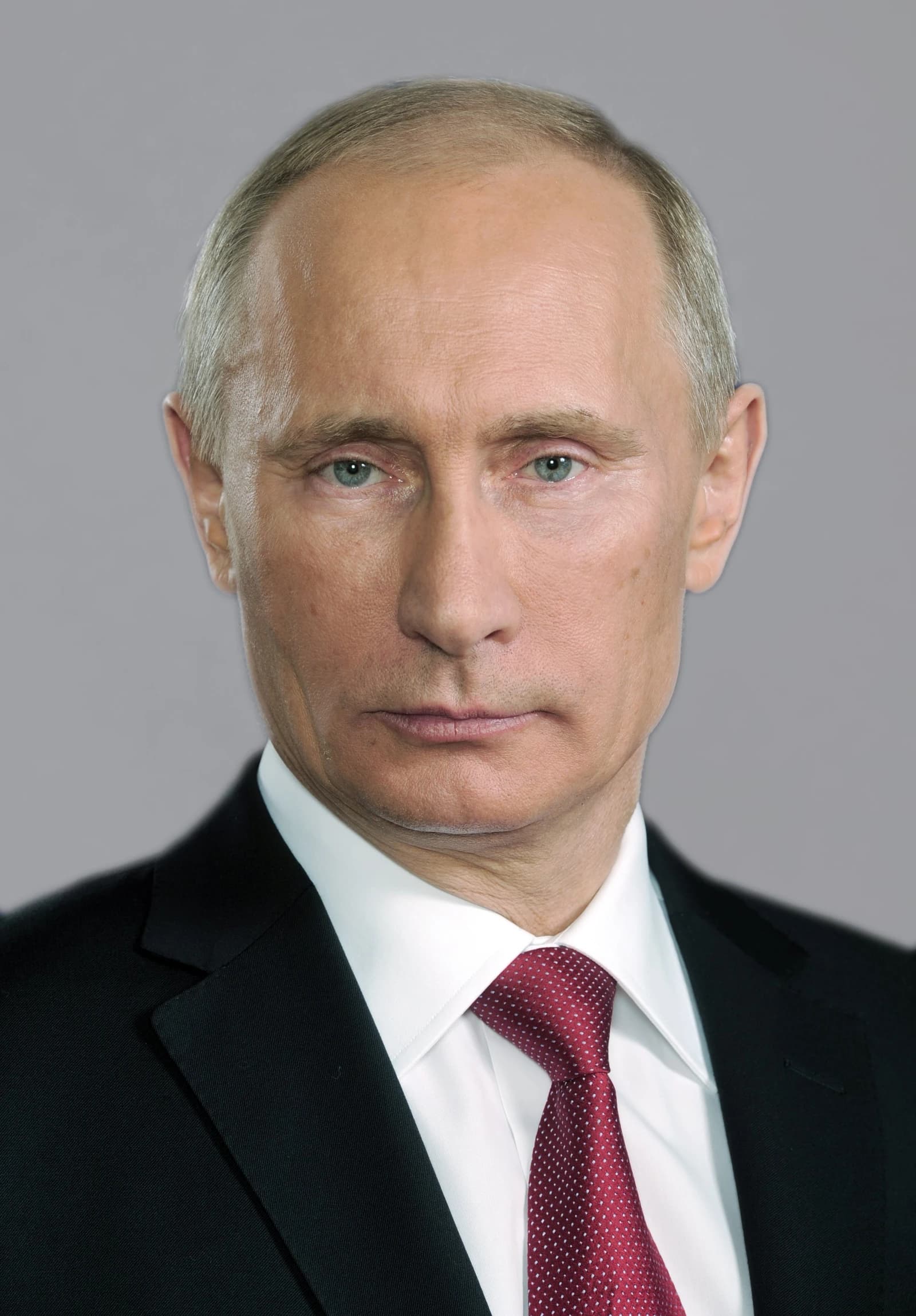
President Vladimir Putin approved the composition of the interagency body on Wednesday, putting Justice Minister Konstantin Chuychenko in charge of a panel that brings together officials from the tax service, prosecutor general’s office, financial monitoring agency, the FSB and the Interior Ministry. The commission was created by presidential decree in September and is now being staffed, signaling that Moscow wants a tighter mechanism for imposing emergency-style limits across the economy and security apparatus.
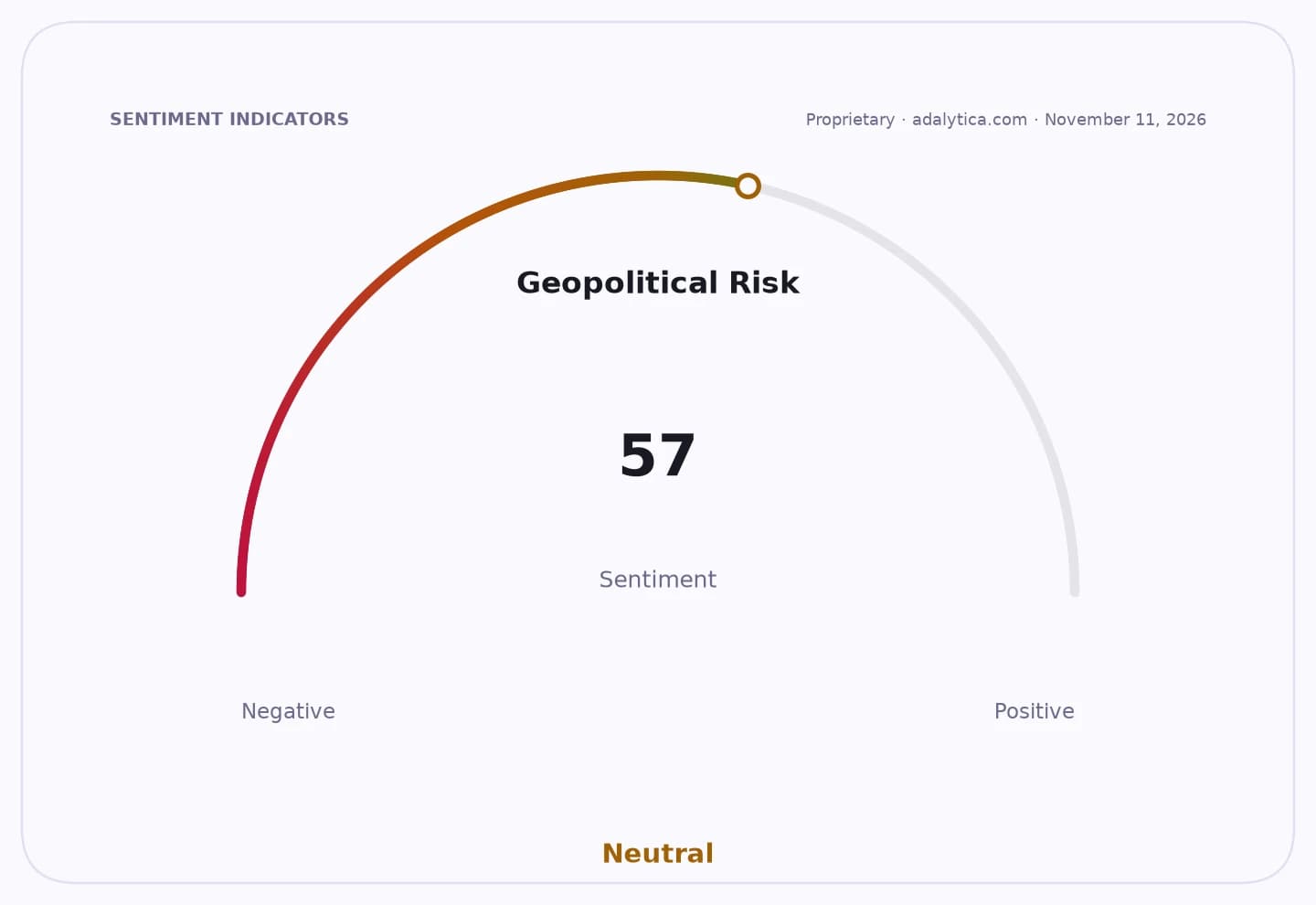
Sentiment Indicators
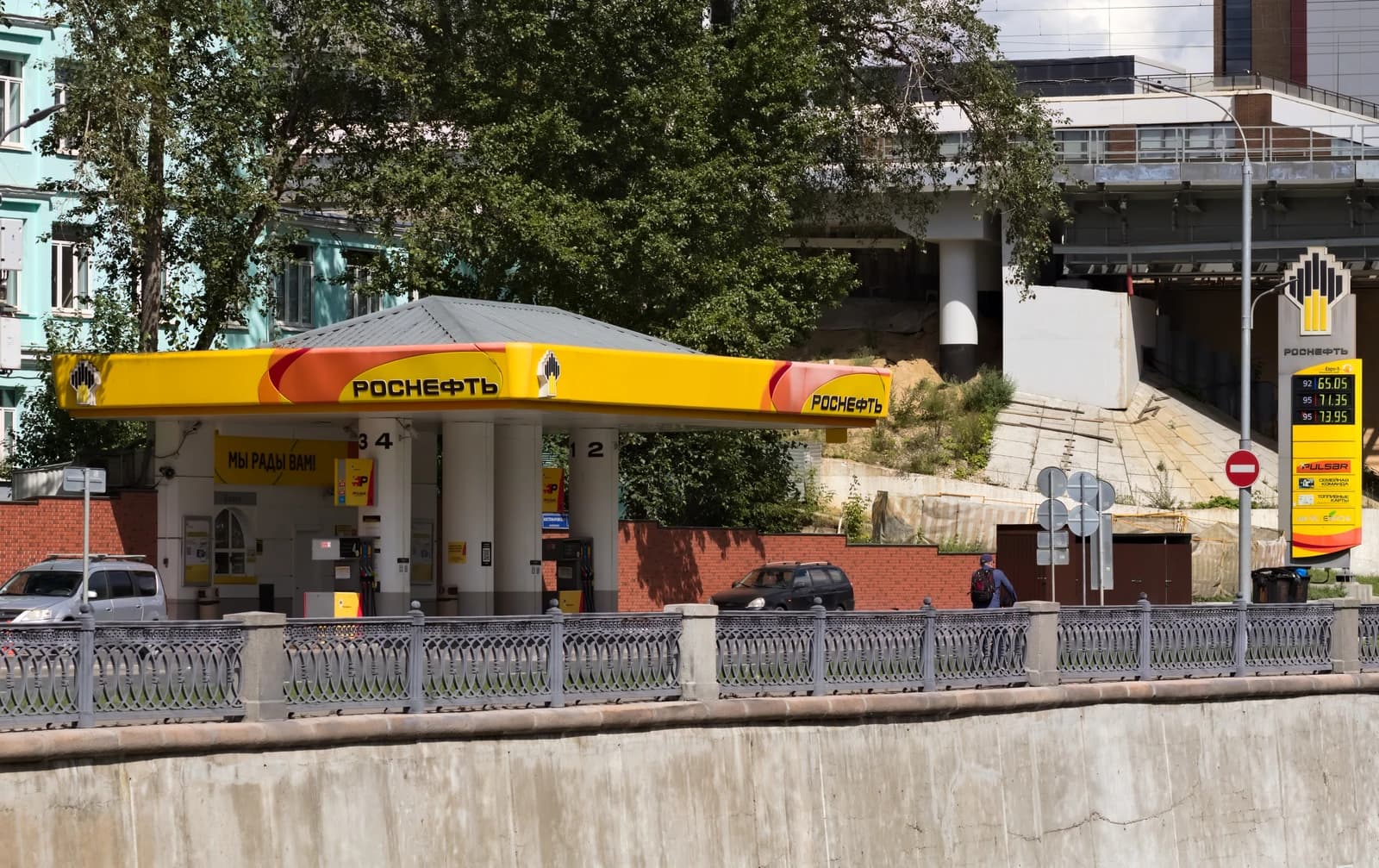
The economic significance is less about the commission itself than what it represents: a broader willingness by the Kremlin to centralize decisions on restrictions at a time when the state is grappling with pressure on domestic supply chains, energy infrastructure and regional security. Ukraine’s strikes on Russian oil facilities, including the Kirishi refinery in the Leningrad region, have already fed into fuel shortages and prompted sales restrictions in parts of Russia such as Karelia. Against that backdrop, a formal body empowered to coordinate temporary measures gives the government more flexibility to respond quickly to shocks, but it also underscores how persistent those shocks have become.
For investors, the key point is that tighter state intervention usually means lower policy visibility and higher operational risk for companies exposed to Russia’s domestic market, especially in energy, transport, retail and finance. Temporary restrictions can range from supply controls to administrative limits that alter cash flows, logistics and pricing power. That tends to favor state-linked firms and import-substitution themes over businesses dependent on open trade, consumer demand or cross-border financing.
The latest step also fits a broader wartime pattern: Russia has been leaning more heavily on security agencies and interdepartmental structures to manage economic stress as the conflict drags on. The composition of the commission — with representation from the tax service, prosecutors, financial intelligence, the FSB and the Interior Ministry — suggests enforcement will be as important as policy design. That matters because restrictions in Russia are often not just economic tools but also instruments of political control.
The ruble has not shown immediate stress in the latest pricing data, with USDRUB trading around 82.64 and still above its 200-day moving average, but the pair remains vulnerable to swings if energy disruptions deepen or if administrative controls intensify. Technical readings show the currency has recently stabilized after sharp swings earlier in the year, yet the broader backdrop is one of heightened geopolitical risk, with Adalytica’s Global Stability Sentiment still in a neutral zone but with extreme fear in its awareness gauge.
For markets, the most important question is whether this commission becomes a routine wartime bureaucracy or a platform for more intrusive economic management. If restrictions remain narrow and temporary, the market impact may be limited. If they expand into broader controls on movement, payments, trade or regional commerce, the costs will fall on private business activity and on any investor still trying to price Russia as a functioning, rules-based market.
| Entity | Gains | Losses |
|---|---|---|
| Kremlin / Russian state | ▲Faster control over shocks | ▼More policy opacity |
| Security agencies | ▲Greater influence | ▼Less civilian autonomy |
| State-linked firms | ▲Preferential access | ▼Private competitors |
| Consumers / regional businesses | ▲Short-term protection | ▼Supply constraints |