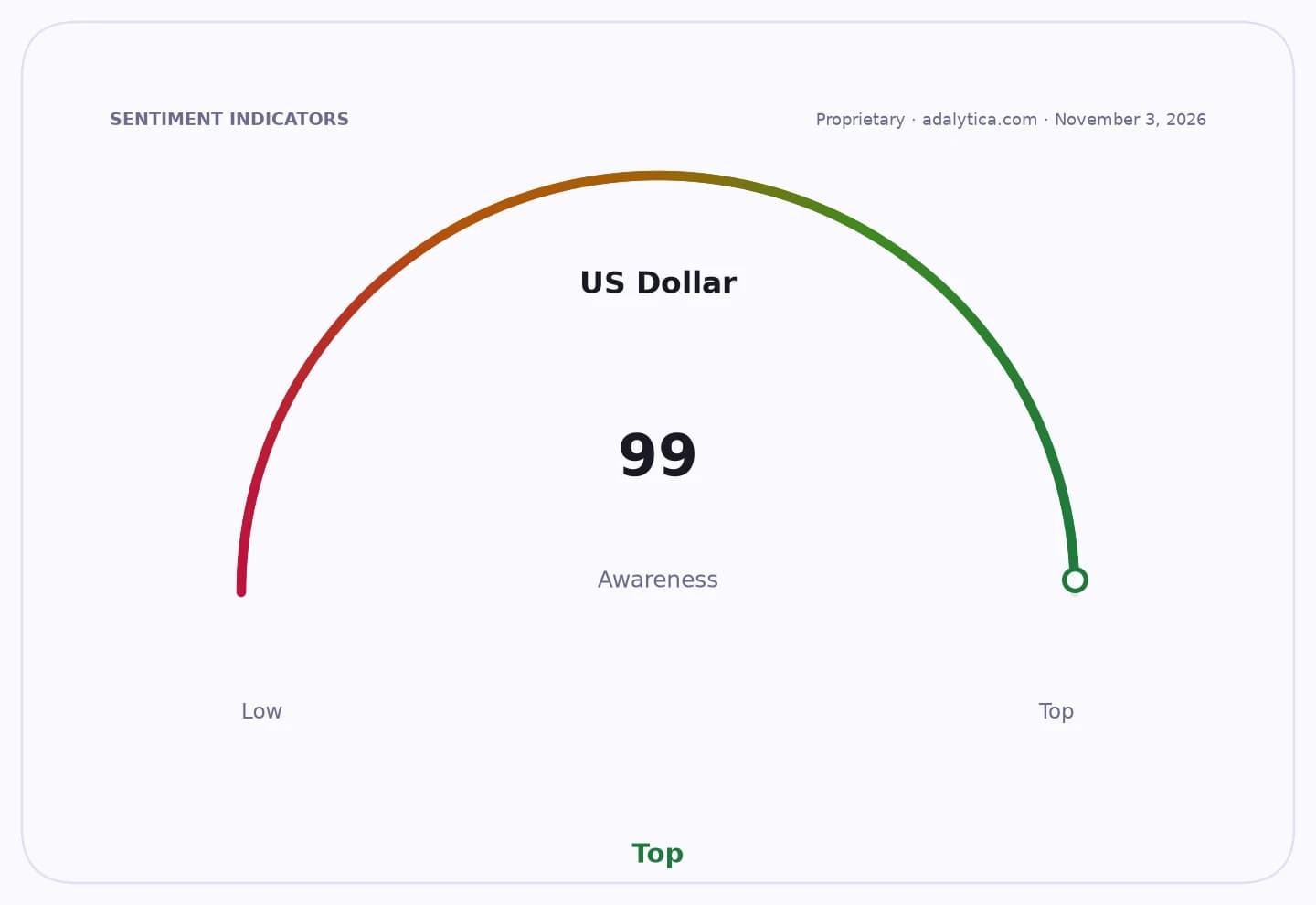
Moscow Exchange is set to open Russia’s first organized digital-asset market on Dec. 1, giving domestic investors regulated access to Bitcoin, Ethereum and Tether just as sanctions and retail controls shape who can actually use it.
Moscow Exchange to Launch Russia Crypto Market Dec. 1
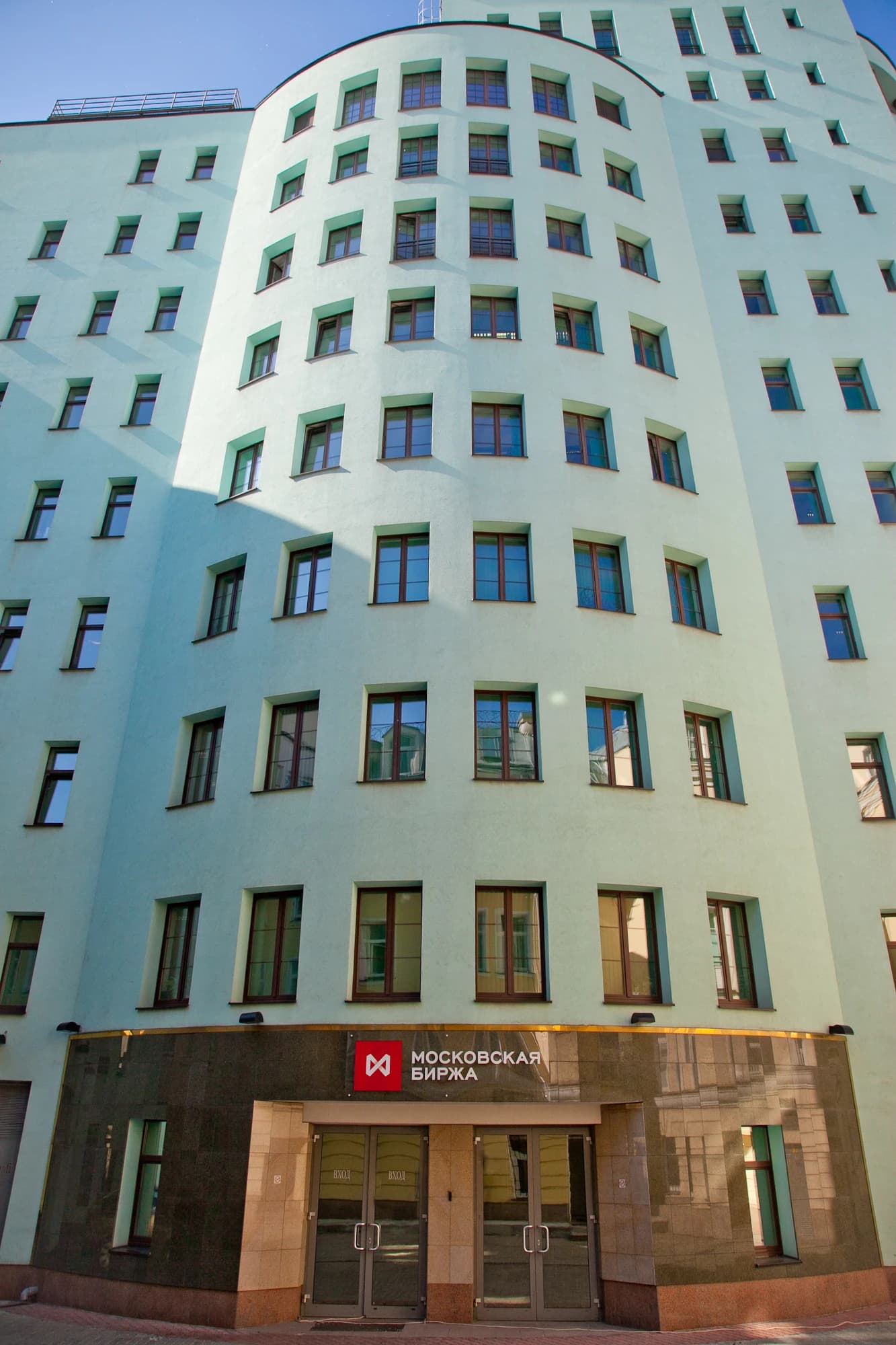
The launch matters because it folds crypto trading into Russia’s mainstream market plumbing rather than leaving it to offshore venues and informal channels. By running BTC, ETH and USDT through its existing stock-market technology and the National Clearing Center, the exchange is effectively creating a state-supervised on-ramp for digital assets at a time when Russia is trying to keep capital flows inside its financial system.
Sentiment Indicators
That structure is a meaningful change for local market infrastructure. Trades will be processed through the same clearing system used for conventional securities, with hours running from 6:50 a.m. to 11:50 p.m. Moscow time and support for same-day and next-day settlement as well as swap transactions. The exchange also said it will begin with pilot transactions and expand the roster of instruments over time.
For investors, the immediate question is not whether crypto is available, but how broad the new market can become. Non-qualified investors will need to pass a suitability test and face an annual cap of 300,000 rubles, or about $3,700, per broker. Qualified investors will not have that ceiling. That creates a two-tier market in which domestic demand may be real but constrained, at least initially, by both risk controls and the limited purchasing power of ordinary retail accounts.
The timing is notable given the state of the underlying assets. Bitcoin has been trading around $75,649, well below its 50-day moving average of about $81,870, while its relative strength index has hovered near 35, a sign of weak momentum. Ethereum has been under similar pressure, changing hands near $2,232 versus a 50-day average of roughly $2,491. The broader crypto backdrop remains fragile, with Adalytica’s Bitcoin fear-and-greed reading in “Extreme Fear” at 12 even as awareness stays elevated. In other words, Moscow is opening a new venue into a market that is already cautious.
USDT is the most complicated piece. Tether’s dollar-linked token is central to crypto liquidity, but Moscow Exchange and its clearing house are under US sanctions, which could make settlement and wallet access difficult. Tether has previously frozen large amounts of USDT tied to sanctioned entities, raising the possibility that a token designed for frictionless transfers could become entangled in compliance risk before the Russian market has even started. If that happens, the exchange’s broad offering could be narrowed in practice, even if it is wide on paper.
The policy significance reaches beyond Russia. By bringing digital currencies into regulated domestic infrastructure, Moscow is signaling that crypto is no longer just a speculative sideline or an offshore escape valve. It is being absorbed into the formal financial architecture, with the state trying to capture fees, surveillance and control. That may appeal to investors looking for local access and a clearer rulebook, but it also means the market will launch under tight limits, sanctions overhang and questions about whether global stablecoin rails can function inside it.
For now, the main investment implication is that Russia is institutionalizing crypto rather than liberalizing it. That could deepen local participation over time and broaden Moscow Exchange’s product mix, but adoption will depend on how sanctions affect USDT, how quickly brokers connect to the platform and whether retail investors can meaningfully access a market that is already technically open but operationally constrained.
| Entity | Gains | Losses |
|---|---|---|
| Moscow Exchange | ▲New crypto trading venue | ▼Sanctions scrutiny |
| Qualified investors | ▲Uncapped access | ▼Higher policy risk |
| Retail investors | ▲Regulated access | ▼300,000-ruble limit |
| Tether/USDT | ▲Added exchange venue | ▼Freezing and sanctions risk |