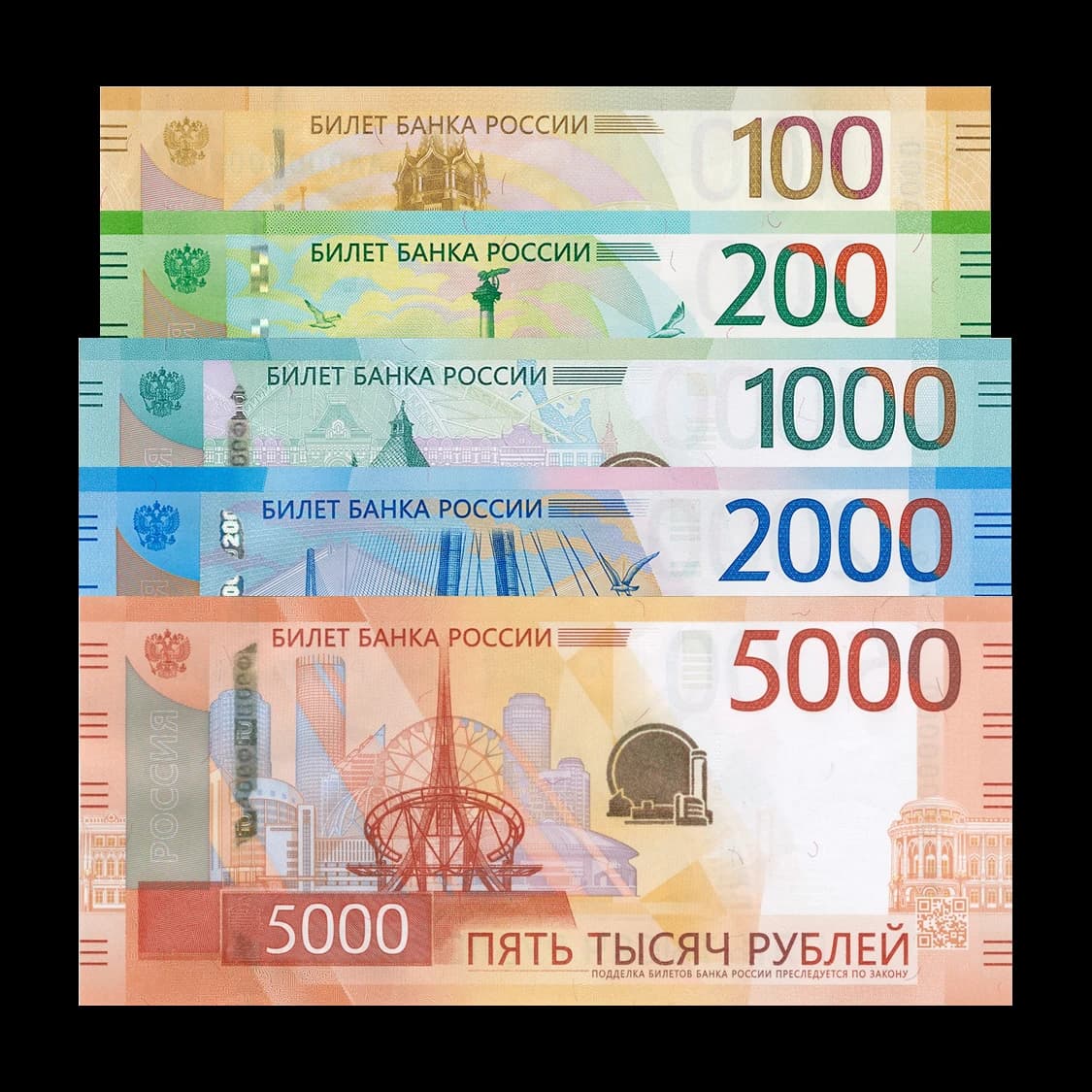
The Central Bank of Russia raised its official exchange rate for the dollar to 80.9734 rubles for Tuesday, a sign that the rouble is losing ground again and that imported inflation risks are creeping back into the economy.
Russia raises dollar rate to 80.9734 rubles
US Dollar
The move matters because the official fix still shapes pricing, budgeting and hedging across Russia’s import-heavy sectors, even as the currency is increasingly driven by offshore flows and thin domestic liquidity. The central bank also lifted the euro rate to 90.4635 rubles and the yuan rate to 12.1714 rubles, underscoring that the rouble weakened broadly rather than against just one currency.
Sentiment Indicators
For investors, a softer rouble is a double-edged trade. Exporters in energy, metals and agriculture typically benefit when foreign-currency revenues convert into more rubles, while retailers, airlines, consumer importers and any company with dollar-linked costs tend to feel the squeeze first. That is especially important in an economy where the currency pass-through to prices can revive quickly if the move persists.
The central bank’s calculation method also shows how much of Russia’s currency market now depends on bank-reported over-the-counter deals rather than a deep, liquid onshore market. That makes the official rate useful as a signal, but also means the move can lag fast-changing market conditions and policy pressure.
Technically, the dollar’s recent price action suggests the rebound has room to run. The latest USD price data show the dollar trading well below its 50-day moving average but still trying to stabilize after a sharp drop from earlier highs, while the proprietary Adalytica trade snapshot shows extreme awareness even as sentiment remains in fear territory. That combination points to a market still watching for the next policy or flow shock rather than a clean trend reversal.
For now, the key investment takeaway is simple: a weaker rouble is a tailwind for exporters and a warning sign for domestic consumers and importers. If this move extends, the market will quickly start pricing in higher inflation pressure, more volatile corporate earnings and a wider gap between winners with foreign-currency income and losers with ruble-linked costs.
| Entity | Gains | Losses |
|---|---|---|
| Russian exporters | ▲Higher ruble value of dollar revenue | ▼Less competitive imports |
| Importers/retailers | ▲— | ▼Higher input costs |
| Russian consumers | ▲— | ▼More expensive imported goods |
| FX-holding exporters | ▲Better cash conversion | ▼Currency volatility risk |