Swiss inflation accelerated unexpectedly in October, climbing to 1.5% year on year and reaching its highest level in nearly three years, a move that complicates the outlook for the Swiss National Bank as it weighs whether disinflation has truly been secured.
Swiss inflation rises to 1.5% in October

The increase matters because Switzerland has spent much of the past two years trying to keep inflation low without choking off growth, and the latest reading suggests that imported price pressures are reasserting themselves just as global energy markets remain volatile. For a central bank that has often been able to stay ahead of its peers on inflation, the surprise rise reduces room to ease policy further and raises the risk that policymakers keep rates restrictive for longer than markets had expected.
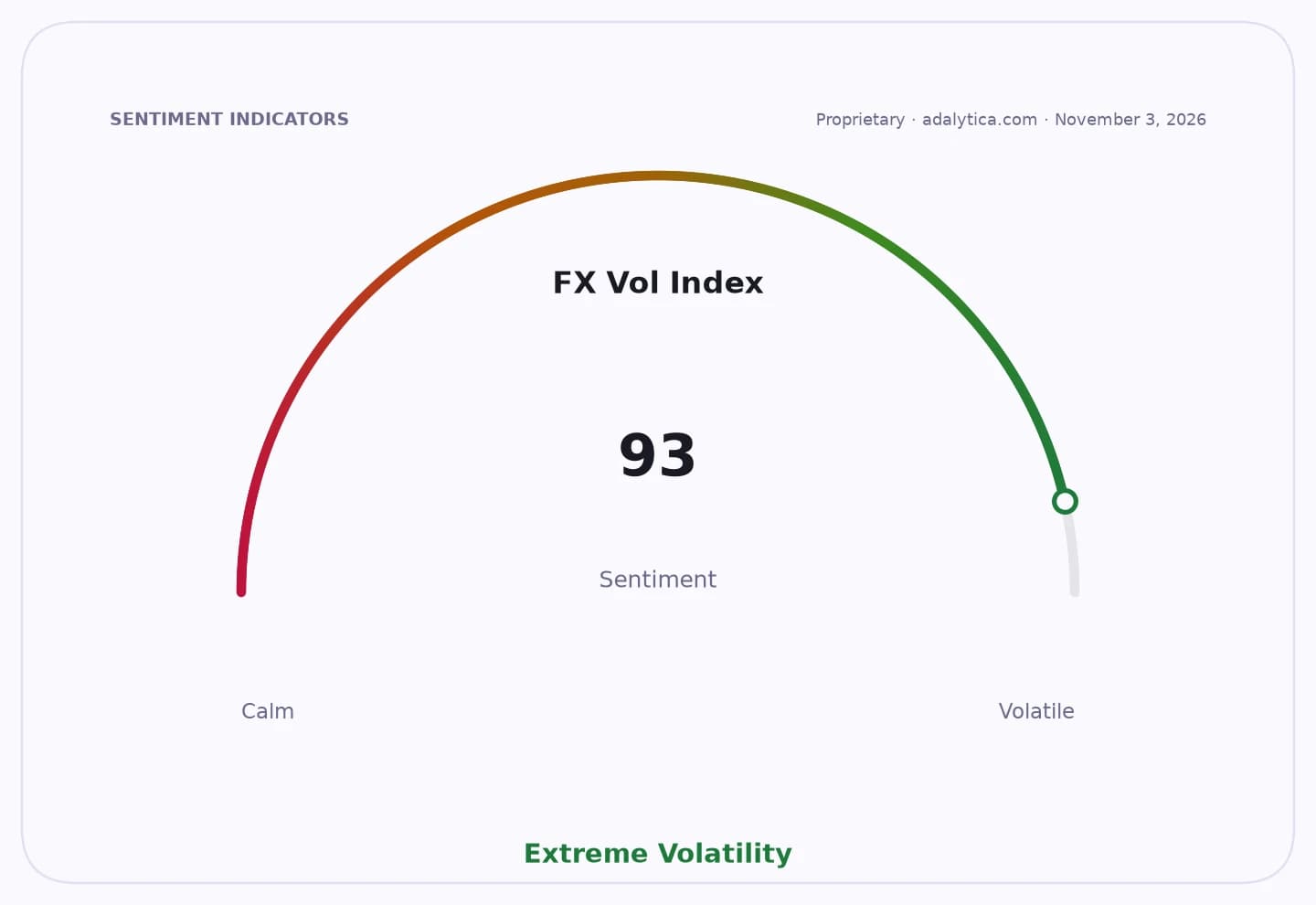
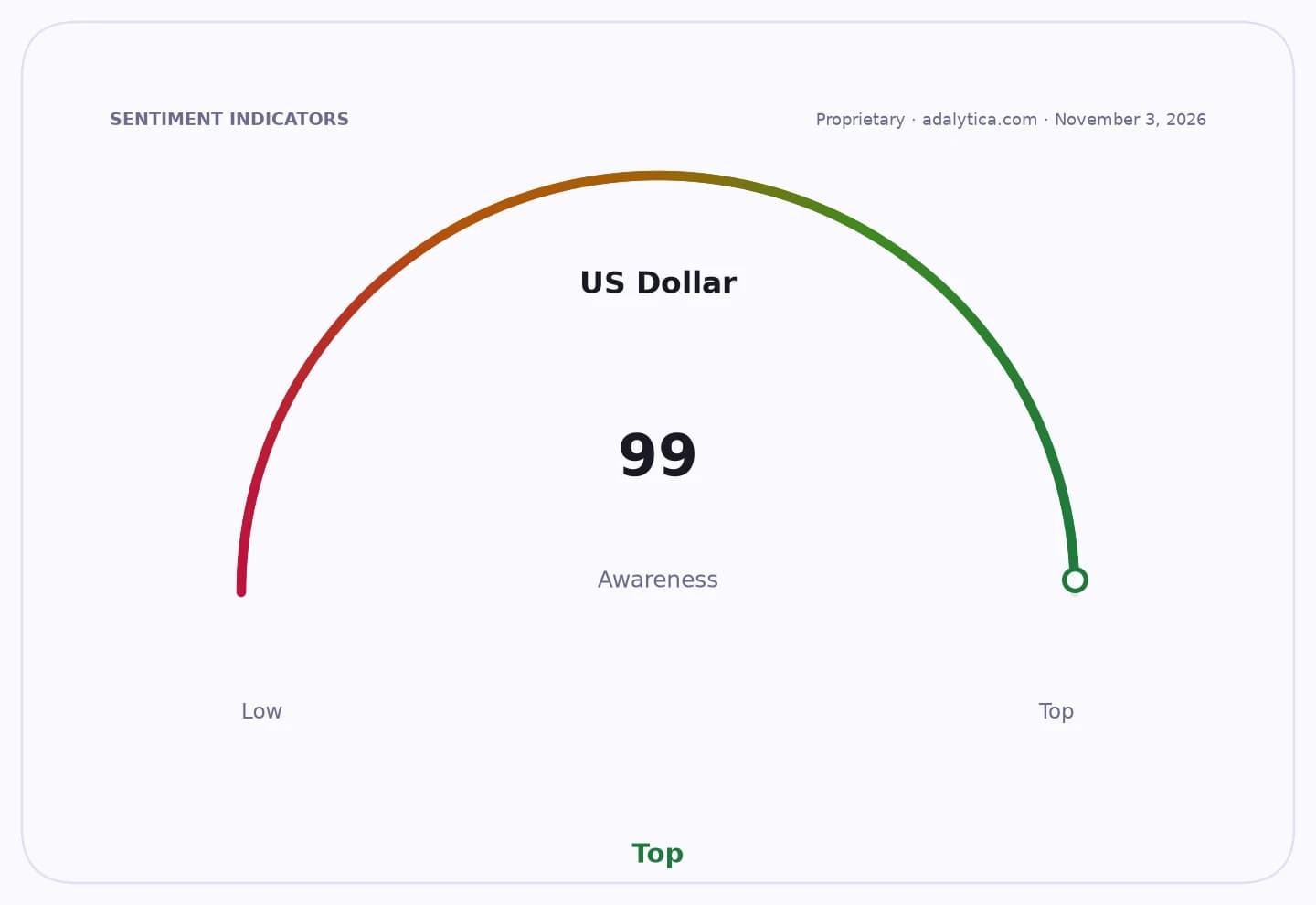
Sentiment Indicators
The data showed price gains were driven mainly by higher energy costs and more expensive imported goods, underlining how external shocks continue to filter into the Swiss economy despite the country’s reputation for price stability. That is especially important in Switzerland, where a strong currency usually helps damp imported inflation, but can also weigh on exporters and broader industrial activity. The franc has remained firm against major peers, which may eventually help contain prices, but in the near term it is not offsetting the squeeze from global cost pressures.
For investors, the print is a reminder that Swiss assets can still react to the same inflation dynamics that shape bond and FX markets elsewhere. Higher-than-expected inflation typically supports front-end yields and reduces the case for near-term policy relief, even in a low-inflation economy. It also leaves the franc caught between two forces: a tightening bias that can support the currency and the drag on exporters from an already strong exchange rate.
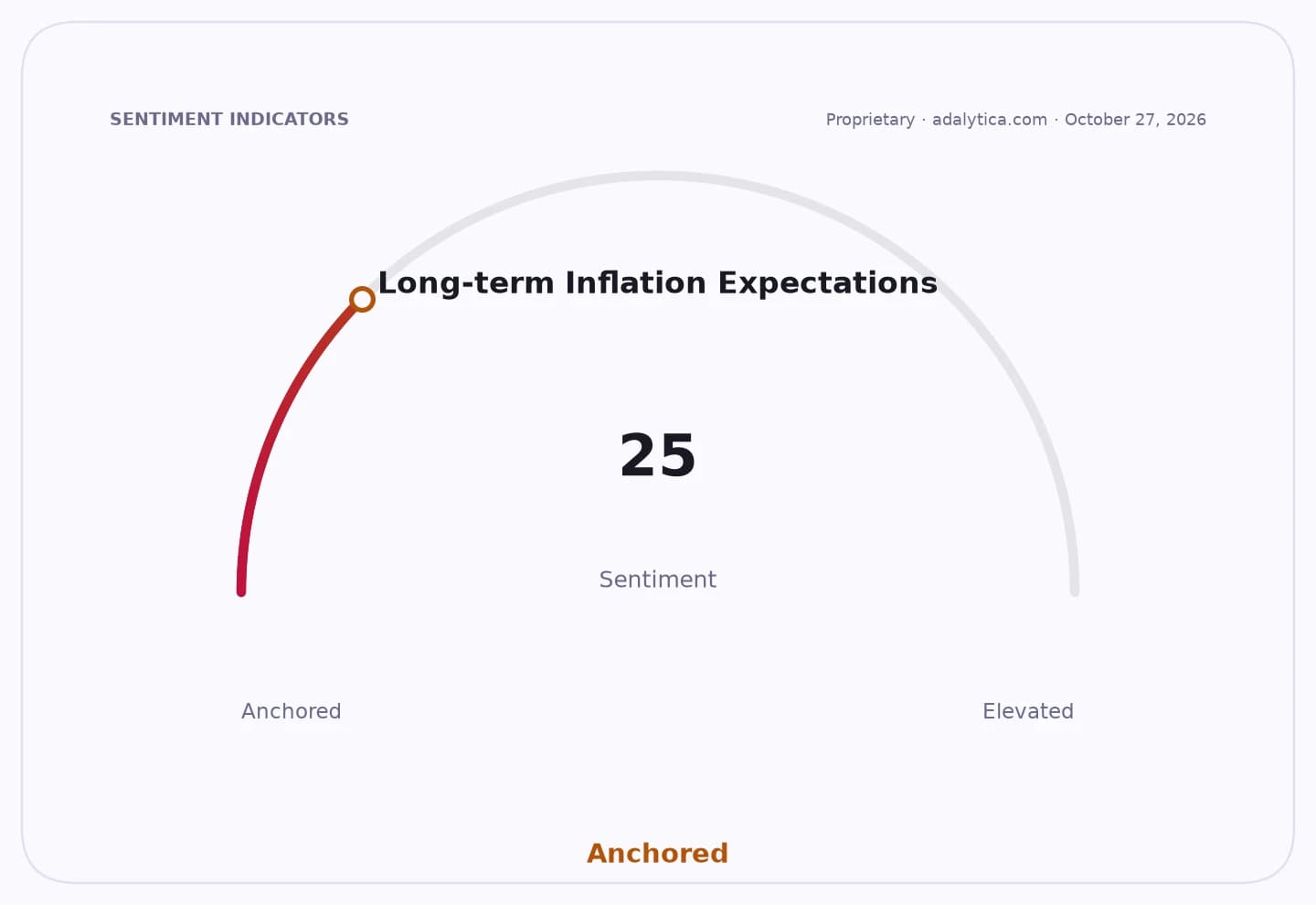
Long-term Inflation Expectations
The bigger narrative is that Switzerland’s inflation problem is not homegrown demand overheating, but imported cost pressure from energy and global supply disruptions. That makes the path forward more uncertain. If energy prices ease and supply chains stabilize, inflation could quickly retreat again. If not, the SNB may have to keep a firmer hand on policy, with implications for government bonds, rate-sensitive sectors and the export-heavy parts of the Swiss market.
| Entity | Gains | Losses |
|---|---|---|
| Swiss National Bank | ▲tighter policy cover | ▼room to ease |
| Swiss franc | ▲support from rate expectations | ▼exporters' competitiveness |
| Bond investors | ▲higher yields near term | ▼price gains on longer-duration debt |
| Exporters | ▲stronger inflation control if costs ease | ▼stronger currency and firmer rates |