The Swiss franc is still drawing haven demand, but investors may be underestimating how much its rally depends on global stress rather than Swiss fundamentals.
Swiss franc rally tied to global stress
USD/CHF was around 0.8194 after the franc strengthened Monday, while the euro also slipped against the Swiss currency. That move keeps alive a powerful year for the franc, yet it also highlights the central tension in the trade: Switzerland’s zero policy rate gives the franc a clear yield disadvantage, and that makes it harder for the currency to keep climbing unless the world keeps supplying fresh reasons to hide.
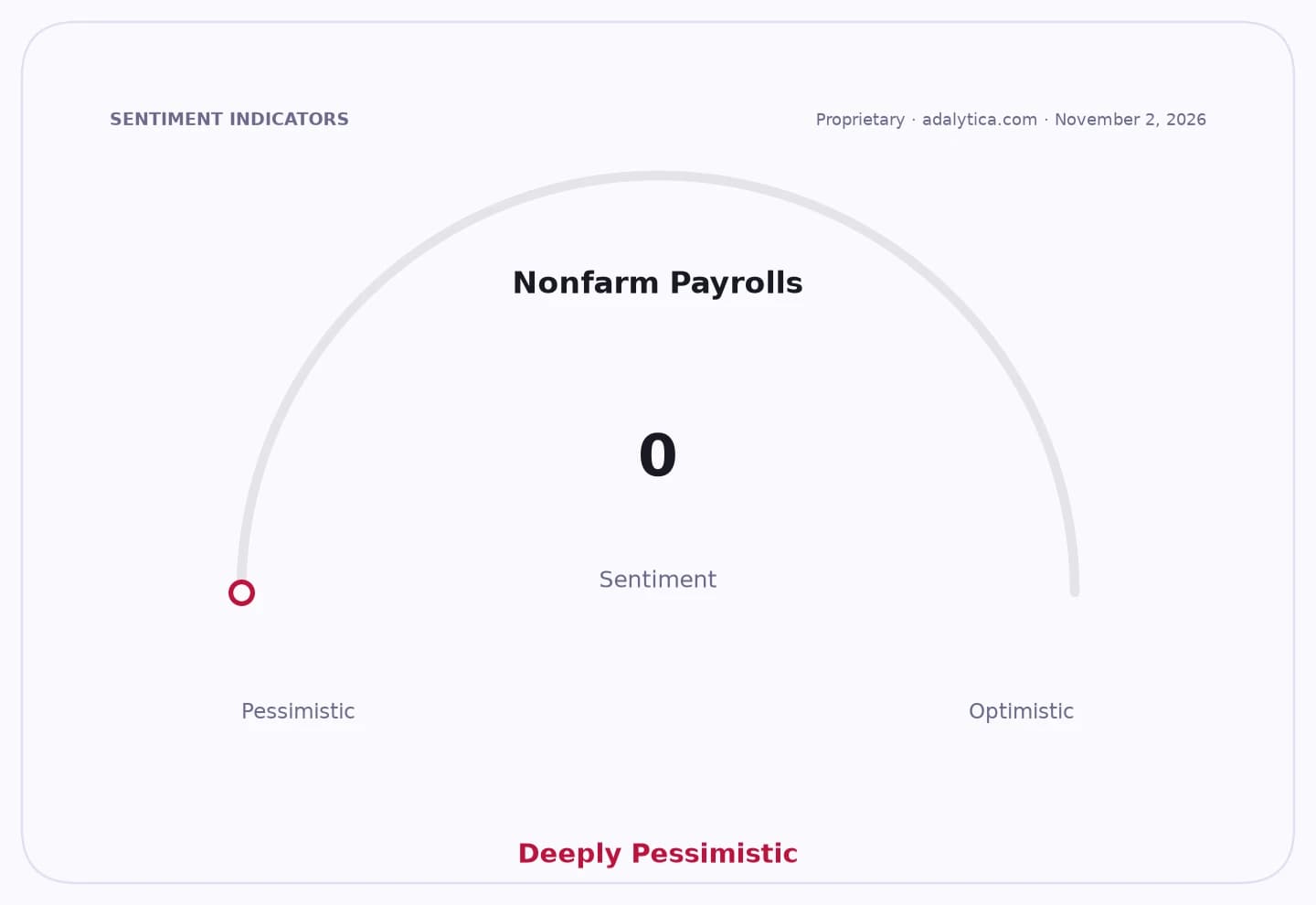
Sentiment Indicators
That is why bank strategists are warning that the market may be too crowded. Crédit Agricole said the franc is the most overbought currency in its G10 positioning index, while JPMorgan pointed to continued systematics buying CHF even as conviction among discretionary traders remains low. In plain English, the franc can keep rising while investors want protection, but crowded positioning usually means each new leg higher needs more bad news and less patience from those already long.
For long-term investors, this is really a story about opportunity cost. A currency with a near-zero interest-rate backdrop has to earn its keep through capital gains or safety flows, and both can fade quickly if market stress eases. Switzerland’s low rates do not automatically weaken the franc, because investors often value protection more than yield during periods of political or financial anxiety. But the income gap matters. If European bond tensions settle, if risk appetite improves, or if Washington avoids the kind of political gridlock that typically boosts safe havens, the franc’s premium can erode fast.
The next domestic test comes with Swiss inflation on Tuesday and comments from Swiss National Bank President Martin Schlegel on Thursday. The SNB left rates at zero at its last meeting, and Crédit Agricole argues that headline inflation would need to move decisively above 2% before policymakers feel pressure to tighten. That matters because an unchanged rate outlook keeps one of the franc’s biggest supports muted: investors are not getting paid much to own Swiss assets, so the currency has to lean even harder on haven demand.
That also explains why the latest move in USD/CHF should be read as a medium-term investing signal rather than a trading headline. Crédit Agricole still sees USD/CHF at 0.84 by December 2026 and 0.80 by December 2027, which implies some near-term franc weakness before another leg higher. That is a useful reminder for investors that even strong safe-haven currencies are cyclical. They can remain resilient for long stretches, but they are not invincible when the yield backdrop works against them.
The broader narrative is straightforward: the franc’s rally is real, but it is expensive to own and increasingly crowded. If global uncertainty stays elevated, the Swiss currency can keep outperforming. If it fades, the franc’s interest-rate problem becomes harder to ignore, and the current strength could stall. For patient investors, that makes USD/CHF worth watching closely, especially into the Swiss inflation data and the SNB’s next remarks.
| Entity | Gains | Losses |
|---|---|---|
| Swiss franc bulls | ▲Haven exposure | ▼Yield carry |
| USD/CHF shorts | ▲Franc strength | ▼Crowded positioning risk |
| Swiss exporters | ▲Stronger competitiveness | ▼Currency-linked earnings pressure |
| Global investors seeking safety | ▲Portfolio protection | ▼Lower returns on Swiss assets |