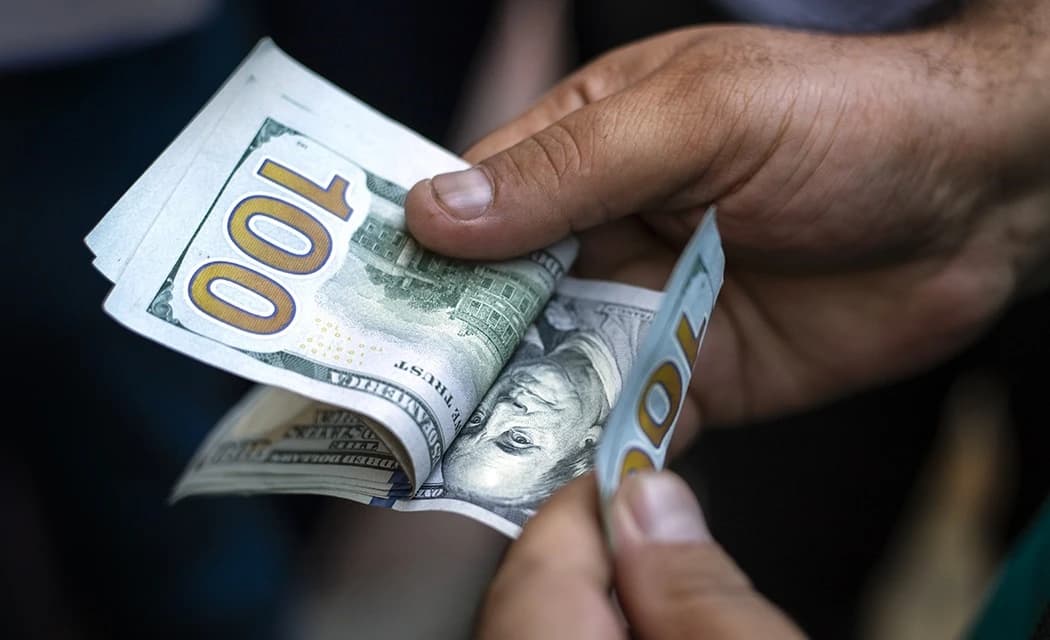
Ukraine’s cash dollar has surged to 47.50 hryvnias, exposing the strain on the country’s currency regime as the National Bank of Ukraine keeps selling foreign exchange to blunt a rush into dollars and prevent a broader devaluation.
Ukraine black-market dollar reaches 47.50 hryvnias
The jump matters because it shows the gap between the official rate and the street market is widening again, a sign that demand for hard currency is outrunning available supply. That feeds directly into import costs, inflation expectations and household savings behavior, while forcing the central bank to choose between defending the hryvnia and preserving reserves.
Sentiment Indicators
The black-market move came as the regulator ramped up intervention, with estimates in the source material pointing to about $6 billion sold in October alone and $1.82 billion absorbed in the final week of the month. That is an unusually heavy pace for a market that is already contending with a large trade deficit and seasonal demand for foreign currency from retailers, fuel buyers and businesses closing year-end accounts.
The pressure is not just speculative. Ukraine’s trade gap is projected to widen beyond $70 billion this year, with some estimates putting it closer to $80 billion next year, leaving the currency supported more by official intervention than by underlying external earnings. The source material argues nearly half of imports are feeding retail consumption rather than wartime necessities, a mix that drains foreign exchange without strengthening productive capacity.
That is why investors are watching the hryvnia closely, even outside Ukraine. Persistent intervention can buy time, but it also erodes the central bank’s cushion and raises the odds of a sharper adjustment later if external financing slows. The U.S. dollar index was firmer in the broader market, and conventional technical indicators on USD/UAH point to stretched momentum, with the pair at 45.44 on November 6, above its 50-day and 200-day averages and with RSI at 82.9, typically a sign of an overheated move.
For local businesses, the black-market rate is already bleeding into pricing. The source material says merchants are effectively hedging around a much higher exchange rate for holiday inventories, meaning consumer prices can adjust before the official rate does. For households, that reduces the credibility of the official peg-like management regime and encourages more cash hoarding.
The near-term question is whether the National Bank can keep smoothing the market without accelerating reserve depletion. If intervention stays near current levels into the seasonal year-end demand spike, the cost of delaying a sharper devaluation could rise quickly, making the 50-hryvnia threshold less a line in the sand than a staging point for the next move.
| Entity | Gains | Losses |
|---|---|---|
| Dollar holders | ▲Preserve purchasing power | ▼Miss gains if hryvnia stabilizes |
| NBU / reserves | ▲Buys time for the market | ▼Burns FX reserves faster |
| Importers / retailers | ▲Pass through higher pricing | ▼Face higher input and inventory costs |
| Hryvnia savers / borrowers | ▲— | ▼Buy less in black-market terms |