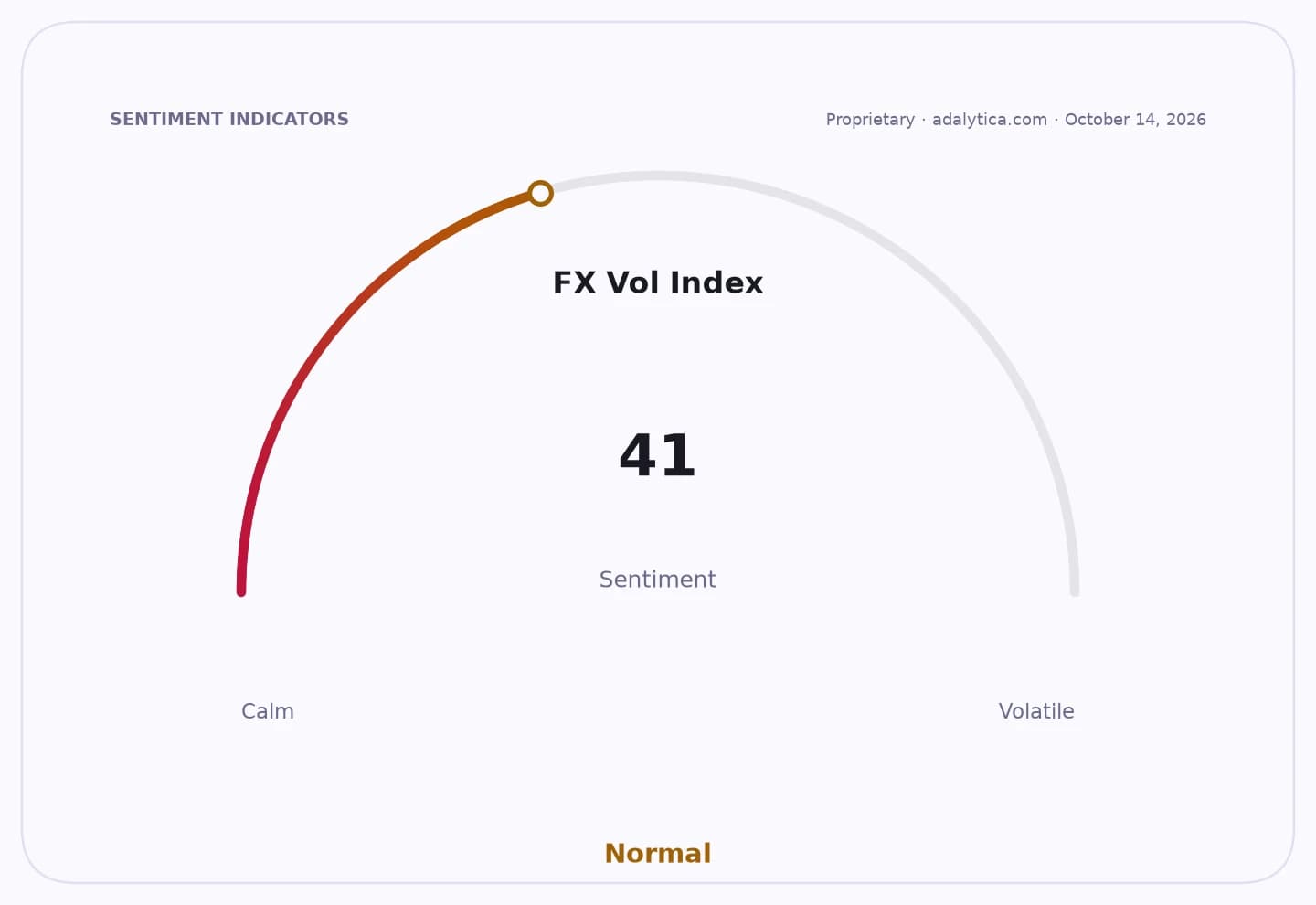
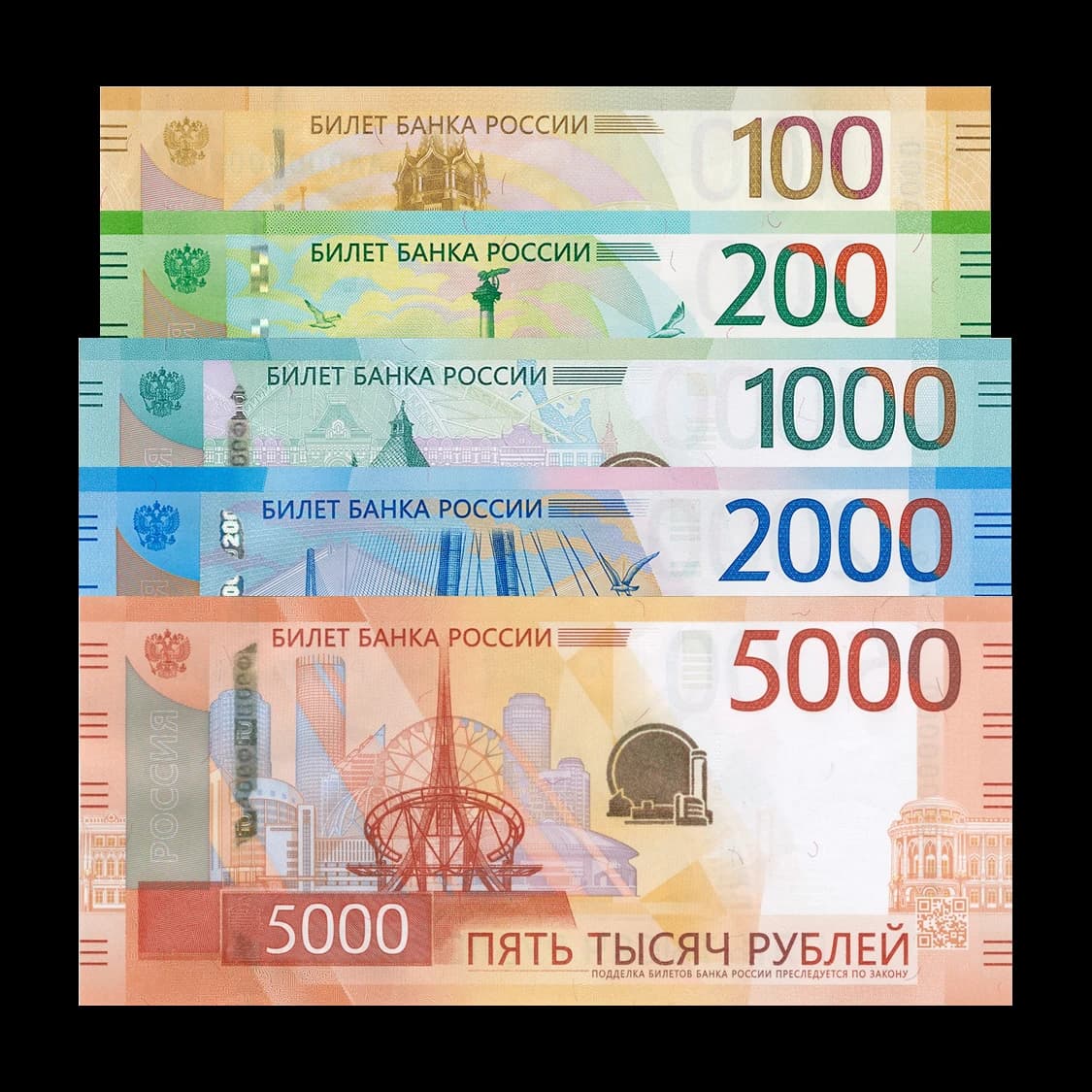
The Bank of Russia’s reflection of a ₽9.8 billion foreign-currency purchase on Oct. 8 adds another layer of steady, rule-based demand for foreign exchange just as the Finance Ministry prepares a larger monthly buying program that should keep pressure on the ruble and support the dollar-yuan trade.
Russia Finance Ministry Plans Larger FX Purchases
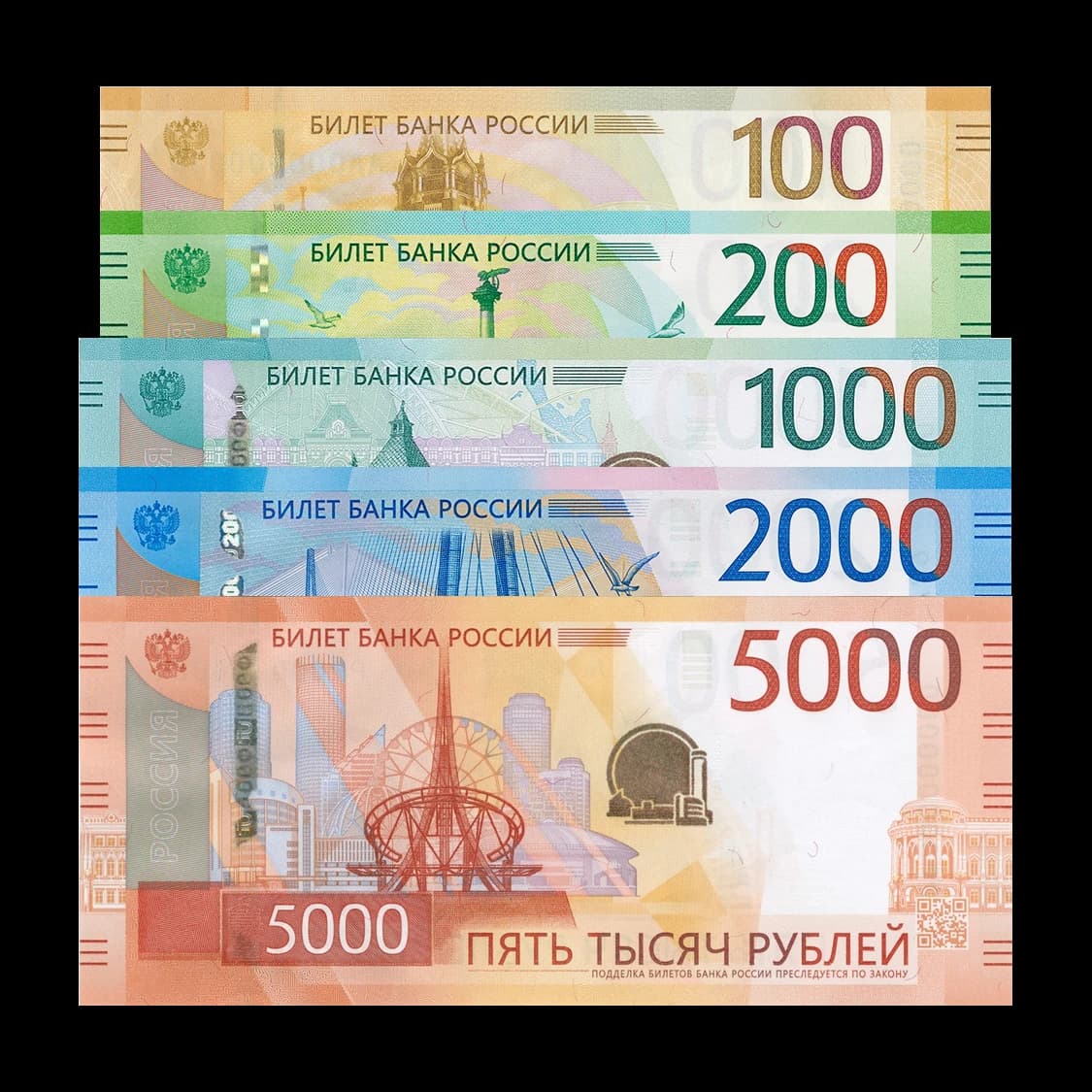
That matters because Russia’s budget rule has become one of the key mechanical forces in the domestic FX market. The central bank said the amount reflected the prior day’s settlement gap caused by holidays, a routine adjustment, but the broader direction is more important: from Oct. 7 to Nov. 6, the Finance Ministry plans to buy ₽279.4 billion of foreign currency, or about ₽12.7 billion a day. In a market where policy-driven flows can dominate price action, that is not noise — it is a recurring source of demand that can shape liquidity, volatility and near-term currency expectations.
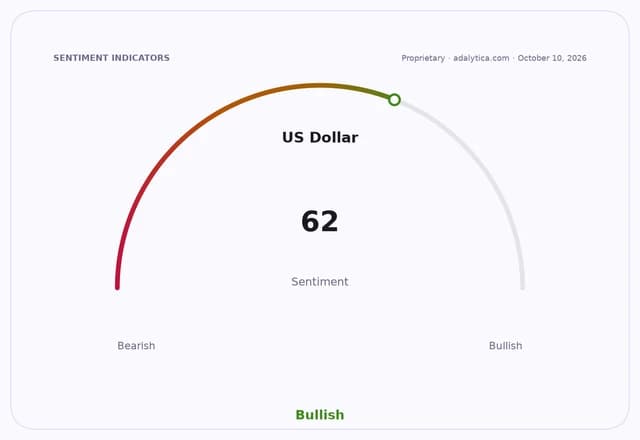
For investors, the message is that the ruble remains exposed to official flow dynamics even when headlines look quiet. Rule-based FX purchases tend to matter most when market depth is thin, and they can amplify moves in the underlying currency basket. The Bank of Russia’s settlement-based accounting also means the headline figures can look lumpy around holidays, but the economic signal is unchanged: the state is still adding to foreign-currency demand under the budget rule, reinforcing a structure that generally leans against ruble strength.
The timing is notable because the market has already been watching for signs that domestic currency support could fade if the fiscal channel stays active. A persistent buying program can matter for importers, local rate expectations and the government’s broader macro balancing act, especially if oil prices or external trade conditions weaken. It also leaves traders with a cleaner framework: rather than trying to read the move as discretionary intervention, they can treat it as a predictable flow to hedge or position around.
That is why the investment implication is broader than a one-day settlement print. In a market shaped by policy and capital controls, the budget-rule mechanism can be a more durable driver than headlines about growth or inflation. For currency-focused investors, the key trade is not to overreact to the holiday distortion, but to recognize that the next month’s steady foreign-currency purchases are likely to keep the ruble from finding much relief on flows alone.
| Entity | Gains | Losses |
|---|---|---|
| Finance Ministry | ▲FX reserve management | ▼Ruble strength |
| Bank of Russia | ▲Orderly settlements | ▼Volatile spot moves |
| Importers | ▲More predictable hedging | ▼Cheaper imports |
| Ruble bulls | ▲— | ▼Official FX demand |