Russia is preparing additional retaliatory steps if the European Union seizes a larger share of frozen Russian assets, underscoring how the sanctions fight is escalating from financial pressure into direct state-to-state economic retaliation.
Russia warns of retaliation over frozen assets
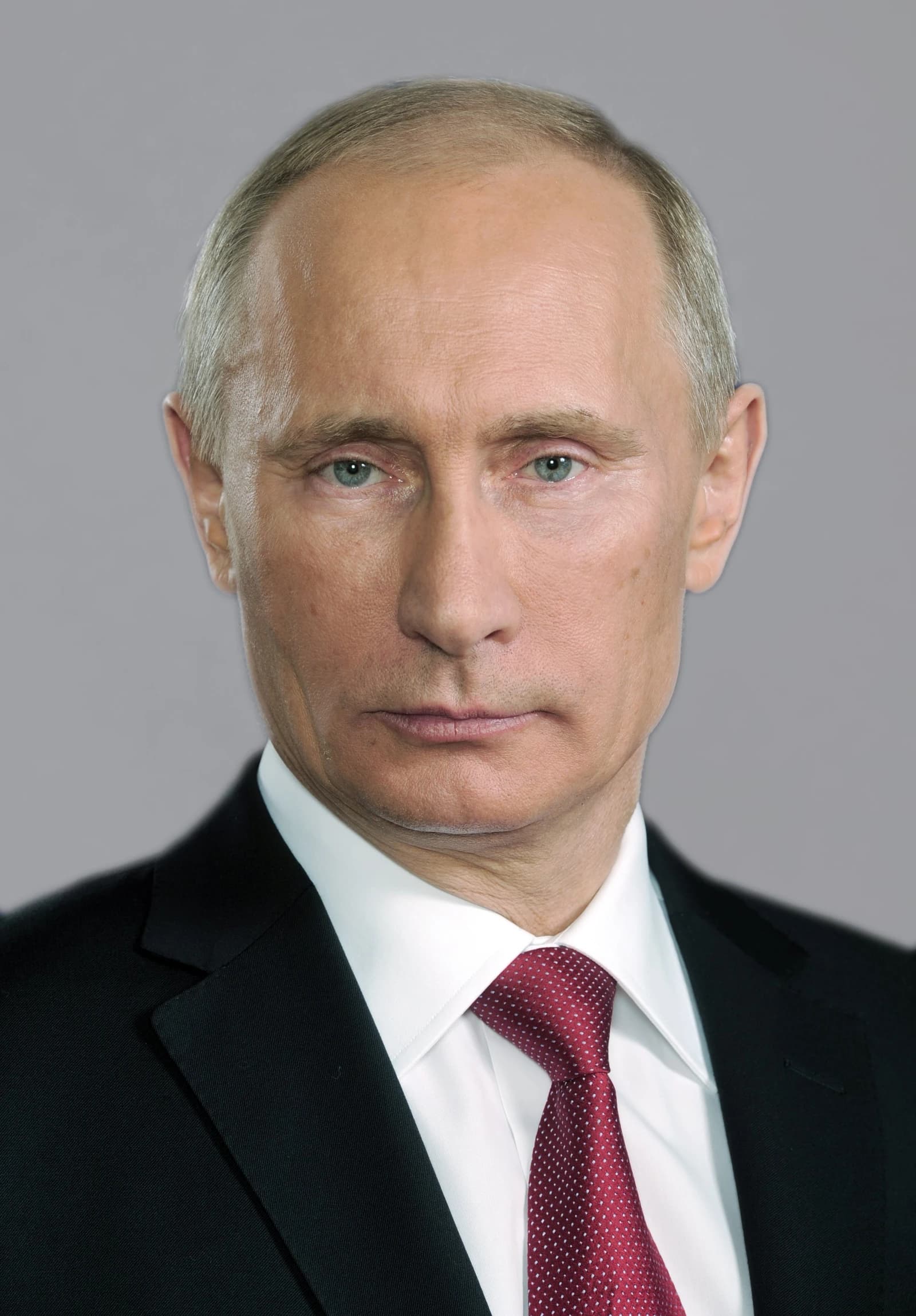
Dmitry Birichevsky, who heads the Russian Foreign Ministry’s economic cooperation department, said Moscow has “additional measures” ready if the bloc moves ahead with confiscation of what he called the main part of Russia’s frozen holdings. He declined to spell out the measures, but said Russia has “something to answer with” and would act on a principle of reciprocity.
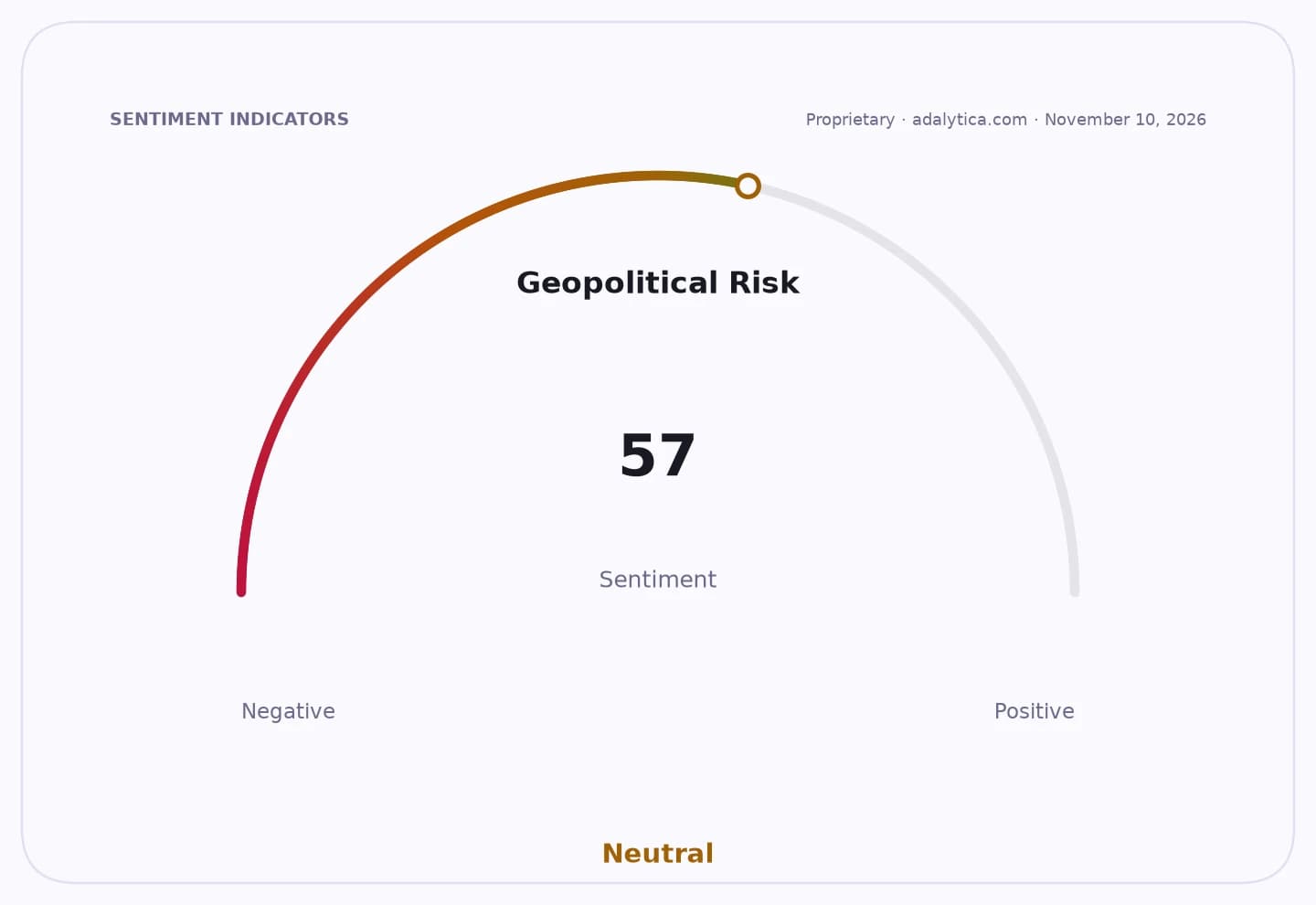
Sentiment Indicators
The warning matters because any move by the EU to redirect frozen Russian reserves would raise the stakes for European governments, banks and clearing systems already caught in the middle of the sanctions regime. It also signals that Moscow is prepared to respond with its own asset controls, potentially increasing legal risk for foreign companies still operating in Russia and for institutions exposed to Russian property, cash or stakes.
The comments come as Moscow hardens its response to Western financial measures. Russia has already moved to place the Russian assets of Japan Tobacco International under temporary administration, a sign that the Kremlin is willing to use corporate assets as leverage while the war in Ukraine and the sanctions campaign drag on.
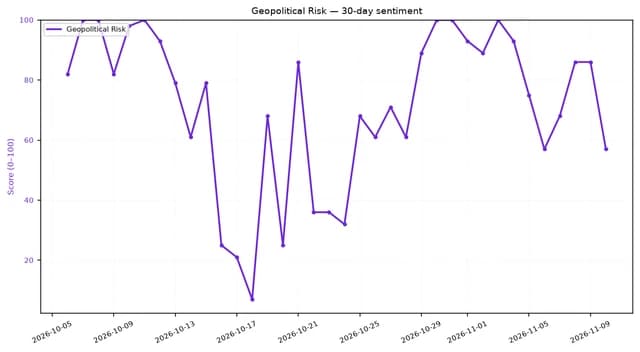
The broader backdrop is an increasingly monetized conflict over frozen capital. Ukraine has already received billions of dollars in G7 support tied to income generated from immobilized Russian assets, while Moscow insists the West is violating international law by trying to move reserves out of Euroclear and into broader European structures.
For investors, the key risk is not just headline volatility but the possibility of a widening asset-for-asset confrontation that could complicate cross-border ownership, custody and repatriation rules. That raises the premium on geopolitically exposed European holdings and multinational businesses with operations in Russia, while keeping pressure on EU policymakers to balance legal caution against demands for tougher action.
The next catalyst is whether Brussels pushes further on asset use or confiscation, which could determine whether Russia confines itself to verbal threats or escalates into concrete countermeasures against Western assets.
| Entity | Gains | Losses |
|---|---|---|
| Russian state | ▲leverage in talks | ▼legal certainty |
| EU policymakers | ▲political pressure on Moscow | ▼custody and legal risk |
| Western companies in Russia | ▲limited clarity | ▼exposure to retaliation |
| Holders of frozen Russian assets | ▲near-term optionality | ▼seizure risk |