Russia’s seizure of temporary management rights over Japan Tobacco’s local assets raises the political and financial stakes for one of the last major Western consumer companies still operating in the country.
Japan Tobacco Russia assets under temporary control
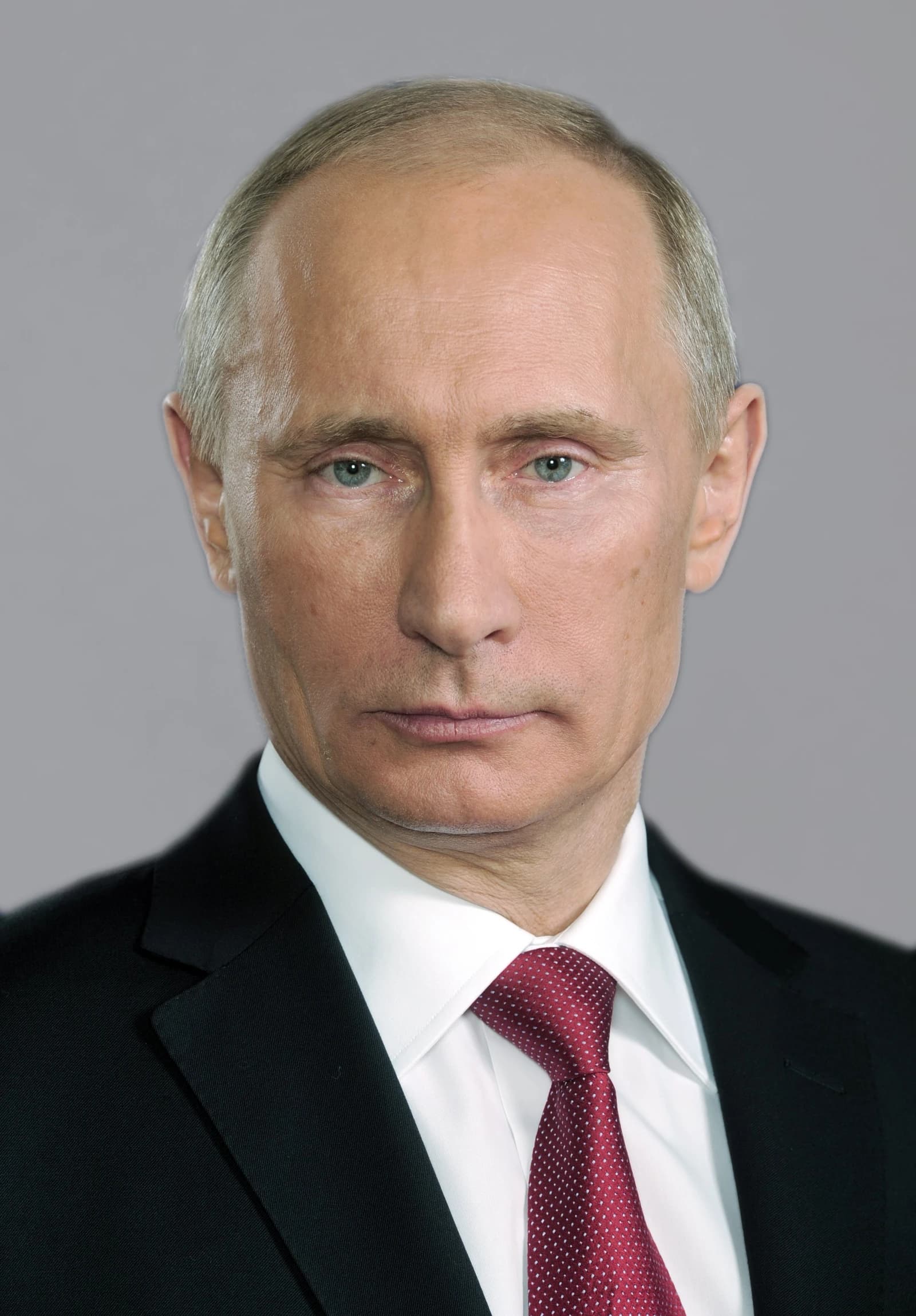
President Vladimir Putin’s order places four JT Group units under temporary control, including its tobacco production subsidiary, while leaving ownership formally intact. In practice, the move sharply restricts management rights and gives the Kremlin a lever over cash flow, operations and future exit options at a business JT has kept running since suspending new investment after Russia’s invasion of Ukraine in 2022.
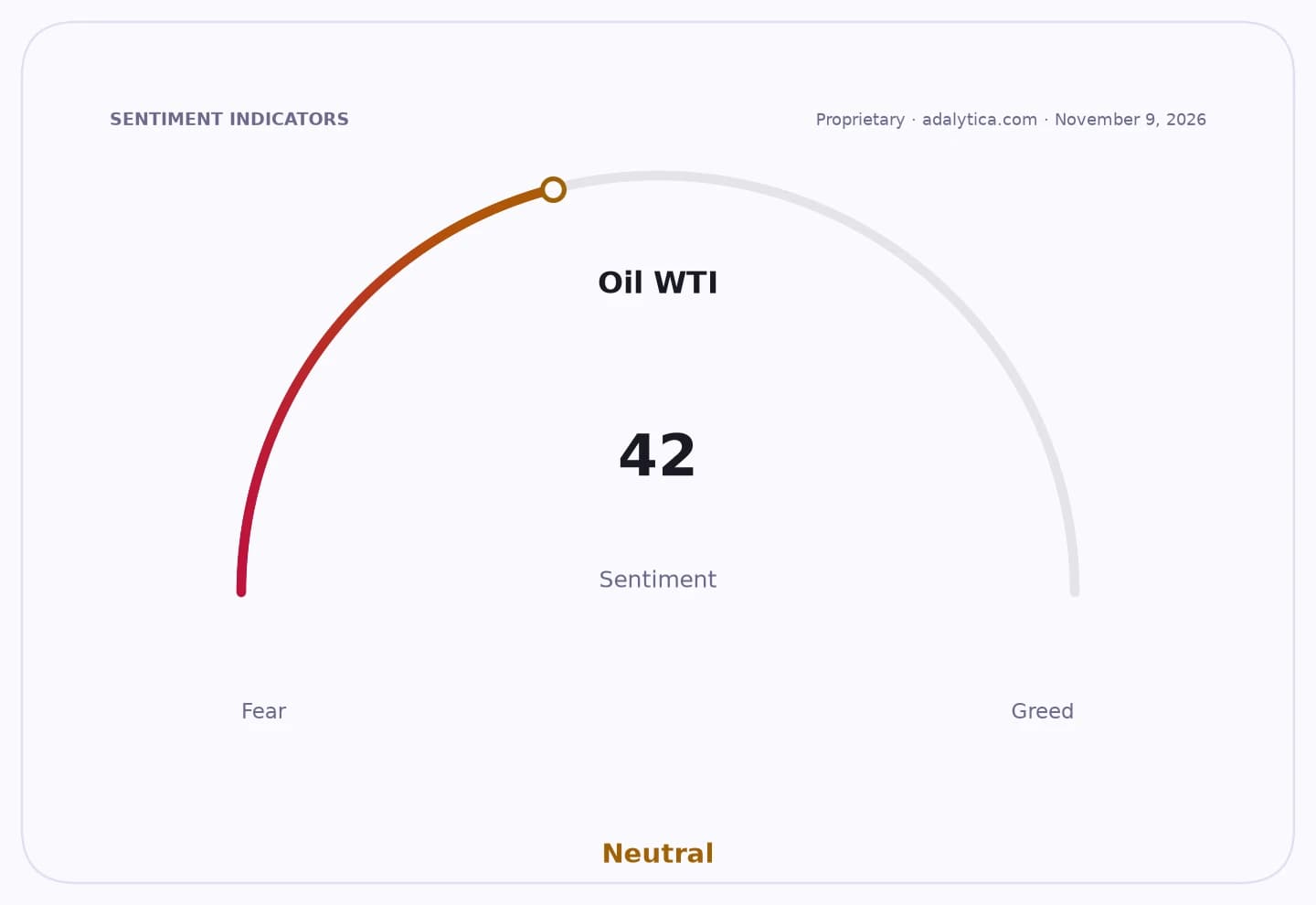
Sentiment Indicators
The development matters beyond JT’s balance sheet because it fits a broader pattern in Moscow of tightening control over assets linked to “unfriendly” countries. Russia introduced the temporary administration regime in 2023 and has increasingly used it as a retaliatory tool against Western sanctions and asset freezes abroad. It also comes as Europe weighs further measures over frozen Russian assets, heightening the risk of a tit-for-tat cycle that could spread to more corporate holdings.
For JT, the immediate issue is operational control rather than legal title. The company said it was reviewing options, but the order may complicate dividend repatriation, decision-making on staffing and capital allocation, and any eventual sale or restructuring of the Russian business. JT entered Russia in 1999 through a major international acquisition and became the country’s tobacco market leader by 2007, making it a long-standing and commercially significant presence.
Investors will read the order as another reminder that geopolitical risk in Russia remains binary and difficult to hedge. JT shares fell sharply on the news, with the stock dropping to 5,269 yen on Nov. 9 from 7,769 yen on Nov. 5. The move pushed the shares well below their 50-day moving average and left the relative strength index deep in oversold territory, underscoring the market’s abrupt reassessment of the asset-risk overhang.
The broader equity response was more muted for global tobacco peers, suggesting investors see the event as company-specific rather than sector-wide, but it still reinforces a latent risk for multinationals with legacy Russian exposure. Philip Morris International and Altria were little changed, with PM holding around $195 and MO near $76. That relative stability implies the market is not pricing in a fresh wave of direct asset seizures, even as sanctions, trade restrictions and retaliatory legal moves keep Russia-related exposure in focus.
For now, the main question is whether JT can ring-fence the operational damage or whether temporary administration becomes a step toward more durable state control. Much will depend on how Moscow applies the order and whether tensions over frozen assets in Europe intensify further. For investors, the case is a warning that in Russia, ownership may still exist on paper — but control can disappear overnight.
| Entity | Gains | Losses |
|---|---|---|
| Russian state/appointed managers | ▲More control over local operations | ▼Less foreign oversight |
| JT | ▲Ownership remains on paper | ▼Management control and flexibility |
| JT shareholders | ▲Potential chance of eventual strategic resolution | ▼Higher geopolitical and valuation risk |
| Global tobacco peers | ▲Relative insulation from JT-specific action | ▼Renewed policy risk in Russia |