Warsaw’s blue-chip index is trying to steady itself after Thursday’s geopolitical selloff, while Asseco Poland’s record quarterly profit is helping reassert that Poland’s equity story is still being driven by fundamentals as much as by foreign-policy headlines.
WIG20 Rebounds After Geopolitical Selloff; Asseco Beats

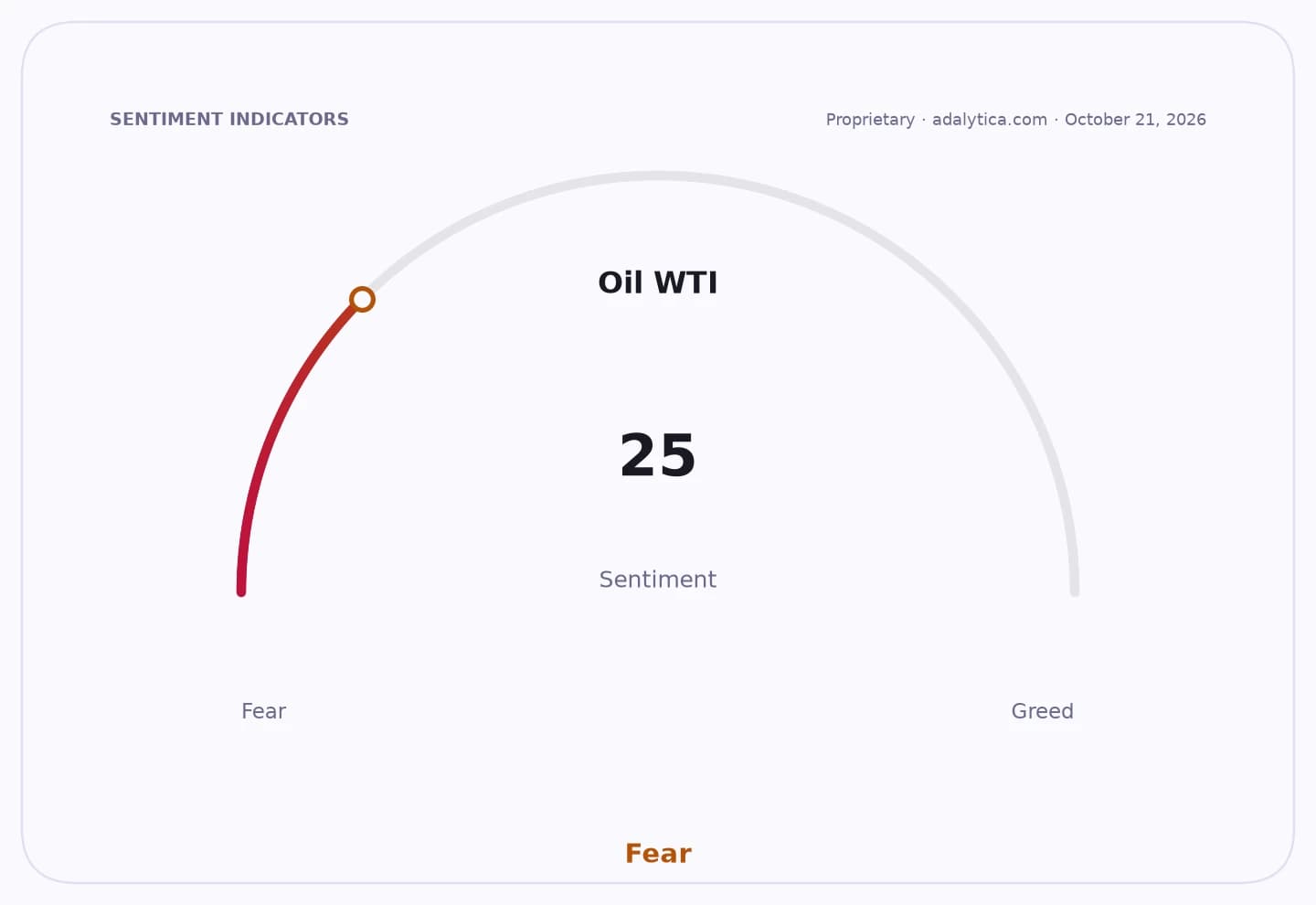
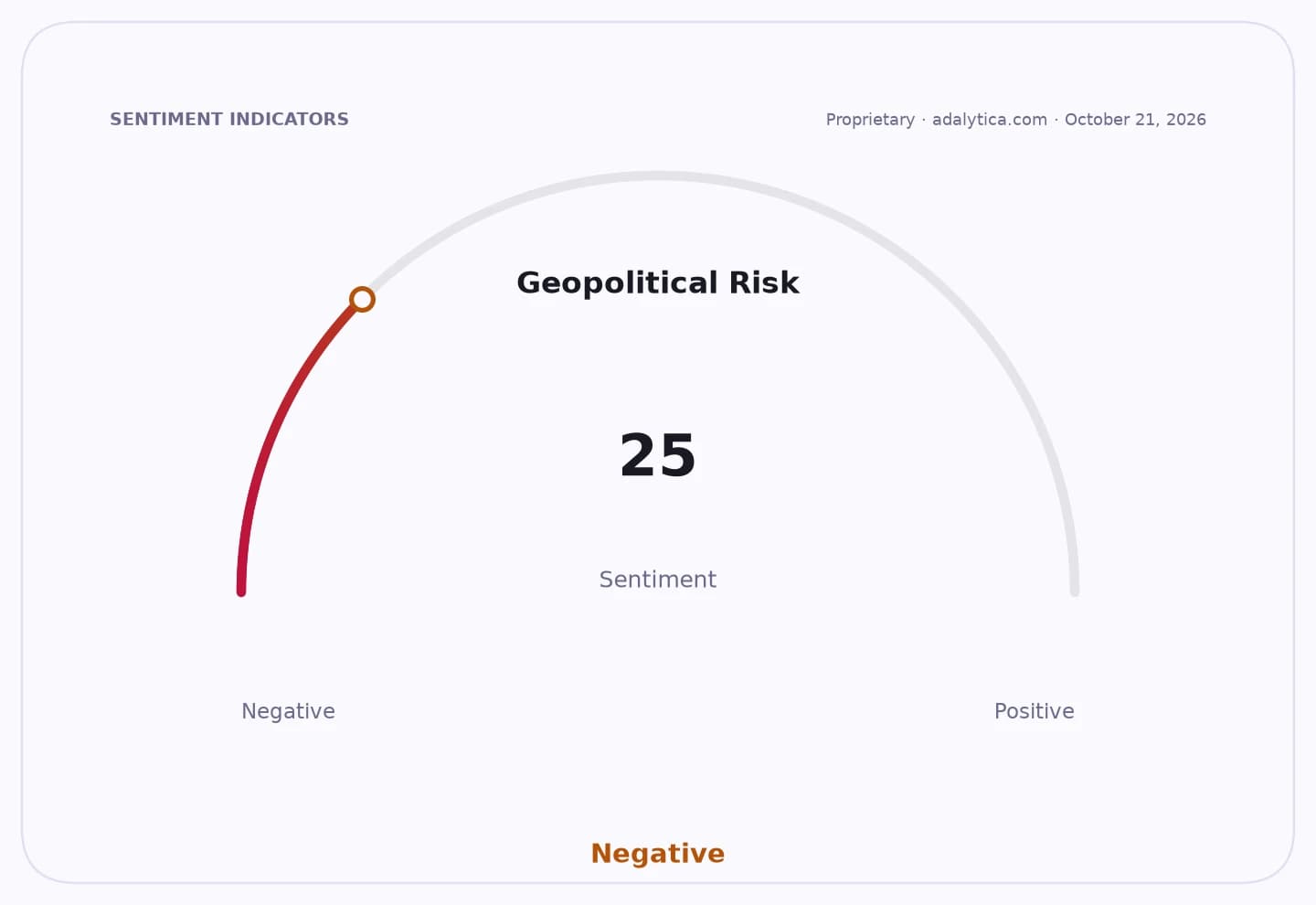
The WIG20 was higher in Friday trading after the benchmark fell sharply a day earlier on rising tension following reports around the CIA chief’s visit to Moscow. The rebound matters because the selloff was concentrated in the largest and most foreign-owned names, underlining how quickly Poland’s market can be hit when investors reprice geopolitical risk for a country seen as sitting on the front line of the region.
That vulnerability has been a recurring feature of the Warsaw exchange. When risk appetite weakens, overseas money tends to move first out of the most liquid large caps, which can leave the WIG20 more exposed than mid- and small-cap indexes. Friday’s recovery suggests at least part of Thursday’s move was a short-term risk-off reaction rather than a broad reassessment of Polish assets.
The market’s response also shows the split across sectors. Banks and financials were among the hardest hit in the earlier drop, reflecting their sensitivity to foreign flows and to any shift in appetite for emerging European exposure. On the rebound, Alior Bank, PZU, Pekao and mBank were among the stronger names, while KGHM, Orlen, PGE and CD Projekt also traded firmer. The pattern points to investors rotating back into cyclical and liquid names once the immediate geopolitical pressure eased.
But the more durable market signal this week may be corporate, not macro. Asseco Poland delivered a second-quarter profit beat and H1 results that were well above expectations, with net profit rising 52% year on year to 430 million złoty and second-quarter revenue, EBITDA, EBIT and net income all ahead of consensus. The company’s order book for 2026 reached 13.4 billion złoty, up 18% from a year earlier, which suggests demand remains solid even as the wider market swings on external shocks.
For investors, that combination matters. A resilient software and IT services group with a growing backlog helps reinforce the case that Polish equities are not just a macro bet on rates, growth or geopolitics, but also a market with companies capable of compounding earnings through the cycle. The fact that Asseco’s shares still came under pressure on the day indicates that even strong fundamentals are not immune to broader de-risking, yet it also highlights where selective stock picking may matter most.
The broader backdrop remains mixed. Polling of domestic investors shows bullish sentiment on the Warsaw market has risen to 55.3%, implying that local participants still expect the uptrend to continue. At the same time, Poland’s fiscal outlook remains a concern, with rating agencies continuing to flag a widening budget deficit and rising public debt. That tension between constructive market positioning and deteriorating public-finance dynamics leaves Polish assets vulnerable to fresh volatility if geopolitics deteriorate again or if fiscal risks move back into focus.
For now, Friday’s bounce suggests the Thursday plunge was more shock than trend change. Investors will be watching whether WIG20 can hold its recovery, whether foreign buyers return to the biggest names, and whether strong corporate earnings like Asseco’s can keep the market anchored if geopolitical anxiety resurfaces.
| Entity | Gains | Losses |
|---|---|---|
| WIG20 / large-cap Poland | ▲Risk-off selling eases | ▼Geopolitical sensitivity |
| Asseco Poland | ▲Record profit, stronger backlog | ▼Share price took profit-taking |
| Banks and financials | ▲Rebound in select names | ▼Hit hardest by de-risking |
| Foreign investors | ▲Re-entry opportunity if nerves fade | ▼Exposure to front-line market risk |