Geopolitics is back in the market driver’s seat, and investors are already repositioning for a world where Washington, Moscow and Beijing set the rules for capital flows, supply chains and risk premia.
SPY, gold and dollar reflect geopolitical rotation
That shift is showing up in the tape. The S&P 500 ETF, SPY, closed at 769.14 on Oct. 29, holding above its 50-day moving average of 766.87 and well above the 200-day average of 725.63, but the move has lost momentum, with RSI at 41.9 and the MACD still below its signal line. In other words, the benchmark is not breaking down, but it is no longer pricing smooth sailing.
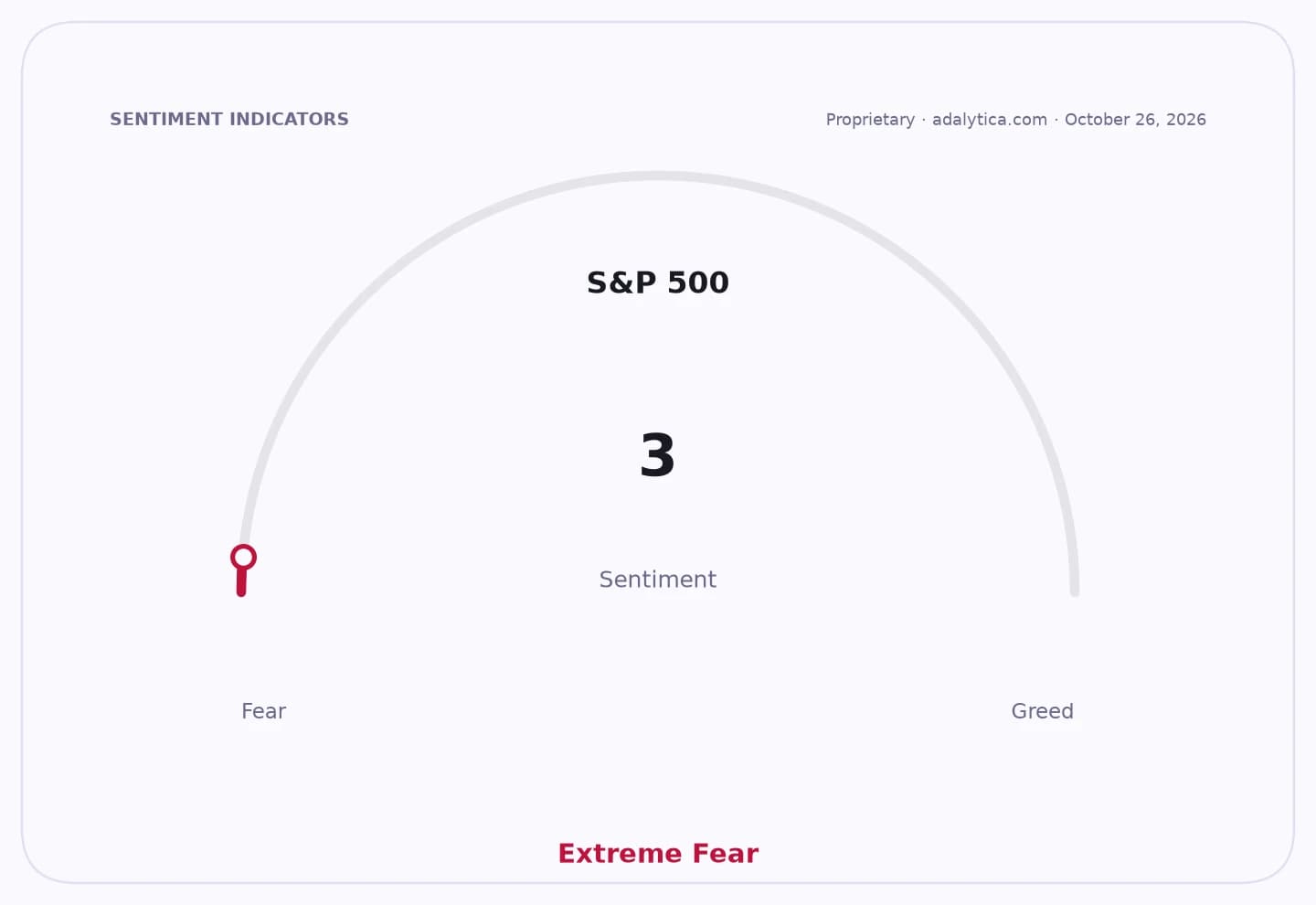
Sentiment Indicators
Gold is telling a different story. GLD ended at 367.98, below both its 50-day average of 391.75 and its 200-day average of 413.27, after a violent year of swings that took the fund from 490 in early March to 367.98 now. That is not a clean breakout in the metal itself; it is a market that keeps reaching for protection, then backing away as macro and policy expectations shift. The bigger message is that investors are still paying for insurance.
The dollar is also part of that rerating. The USD basket closed at 80.22 after a dramatic run from 50.15 in early March to 104.16 in mid-May and then a retreat, with the 50-day average at 87.24 and RSI at 34.0. A stronger or more unstable dollar usually means tighter global financial conditions, which is exactly what happens when geopolitical stress, tariffs, sanctions risk and defense spending all rise at once.
Geopolitical Risk — 30-day sentimentadalytica.com
Explore this data interactively — full history, time series and cross-market comparisons.
Adalytica’s Global Stability Sentiment gauge is flashing the contradiction clearly: sentiment sits at 89, or “Extreme Greed,” while awareness is only 7, labeled “Extreme Fear.” That split is what a late-cycle geopolitical regime looks like. Markets are not panicking, but they are increasingly aware that the old post-Cold War playbook — cheap trade, open capital, predictable security assumptions — is being replaced by blocs, pressure points and industrial policy.
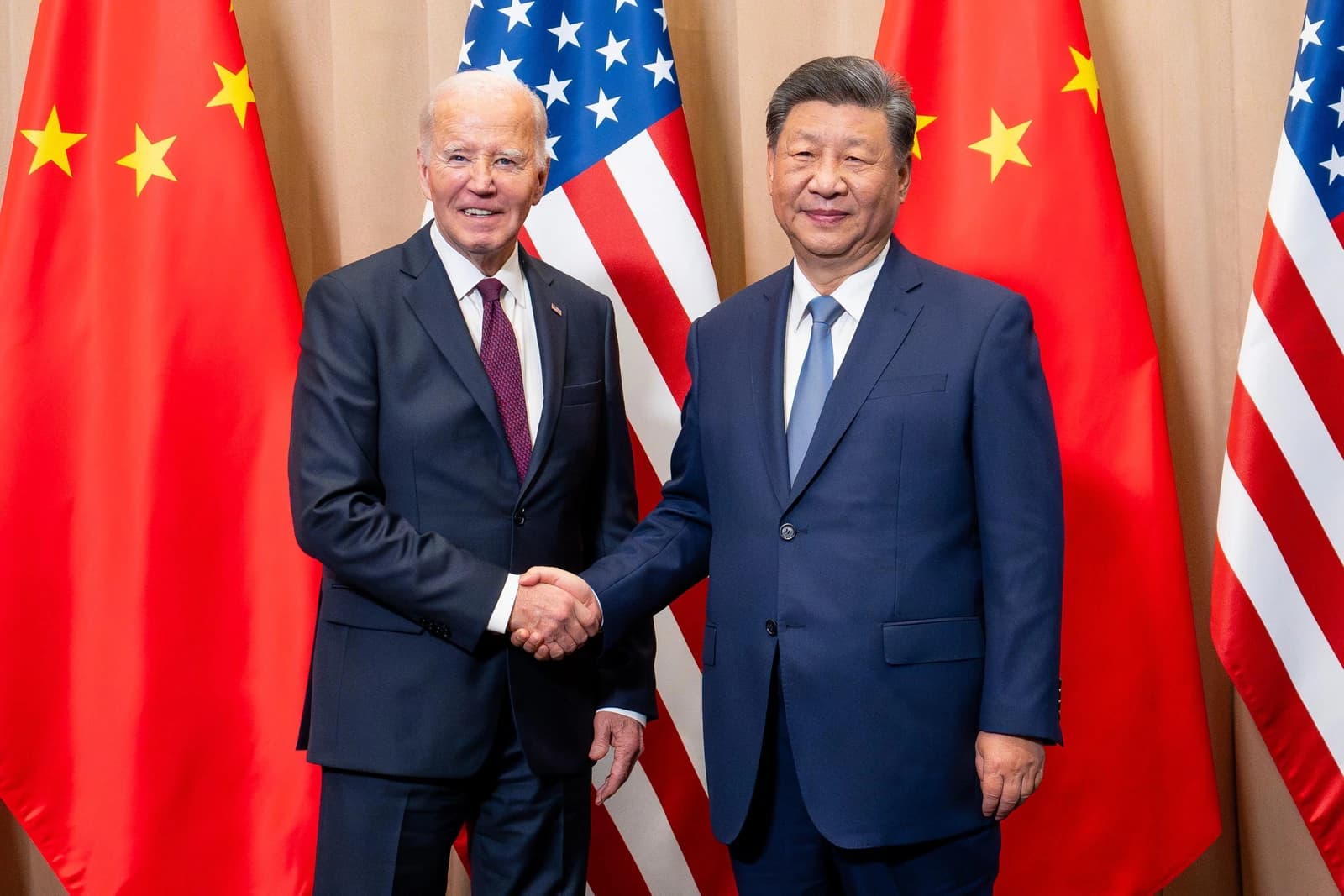
For investors, that matters because the winners will not be the broadest indices alone. The real upside sits in the picks-and-shovels of fragmentation: defense contractors, cyber security, energy infrastructure, LNG, nuclear, metals, shipping and AI infrastructure that can survive higher capex and more state involvement. If Putin, Trump and Xi are all forcing a more transactional world, the market underestimates how much spending is about to move from discretionary growth into strategic capacity.
That is why I believe the next leg of this cycle is not simply “risk-on” or “risk-off.” It is a rotation into assets and sectors that benefit from permanent geopolitical premiums. Expect more volatility in SPY, continued bid support for hard assets when tension spikes, and renewed demand for companies that build, secure and transport the physical backbone of the new order. The market is still treating this as noise. It is really the setup for a multiyear reallocation of capital.
| Entity | Gains | Losses |
|---|---|---|
| Defense and cyber names | ▲Higher spending | ▼Peace dividend trades |
| Gold and hard assets | ▲Safe-haven demand | ▼Low-vol complacency |
| U.S. dollar | ▲Flight-to-quality flows | ▼Emerging-market borrowers |
| Broad equities | ▲Sector rotation winners | ▼Rate- and policy-sensitive laggards |