The Xi Jinping-Donald Trump meeting in Busan is the clearest sign yet that Washington and Beijing want to keep the world’s two biggest economies talking, and that matters because even a modest détente can reset risk appetite across trade, currencies and China-linked assets.
Xi Trump Busan Meeting Lifts China Risk Appetite
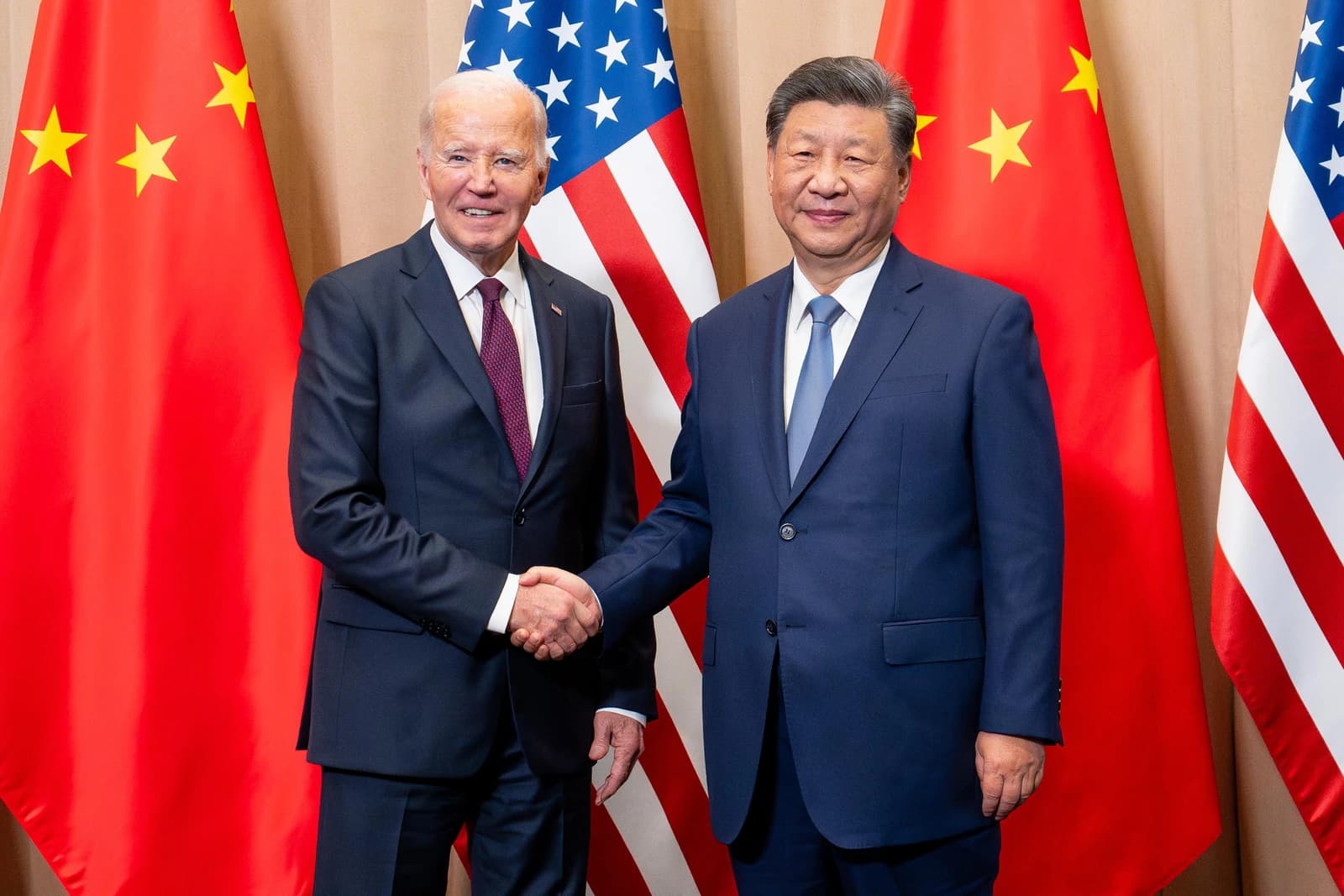
For investors, the significance is immediate: when the U.S. and China step back from confrontation, the market starts pricing less tariff risk, fewer supply-chain shocks and a better backdrop for exporters, semiconductors, industrials and emerging-market equities. That is exactly the kind of shift that can trigger a fast rerating in beaten-down China exposure, particularly when positioning has been cautious for months.
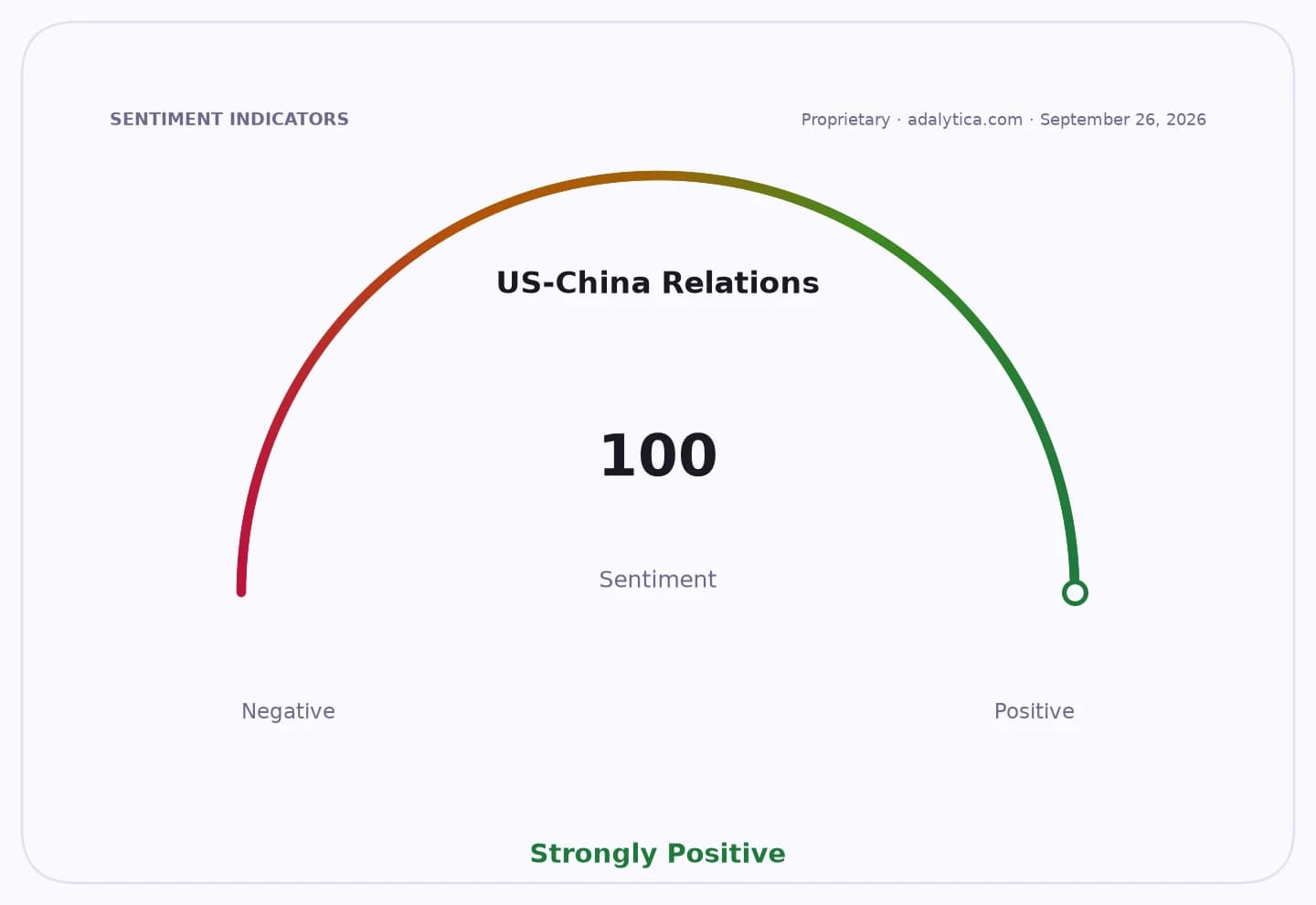
Sentiment IndicatorsⓘProprietary · adalytica.com · October 4, 2026
This is a snapshot — live sentiment, awareness and momentum for 130+ markets update continuously in the dashboard.Open AlphaPulse
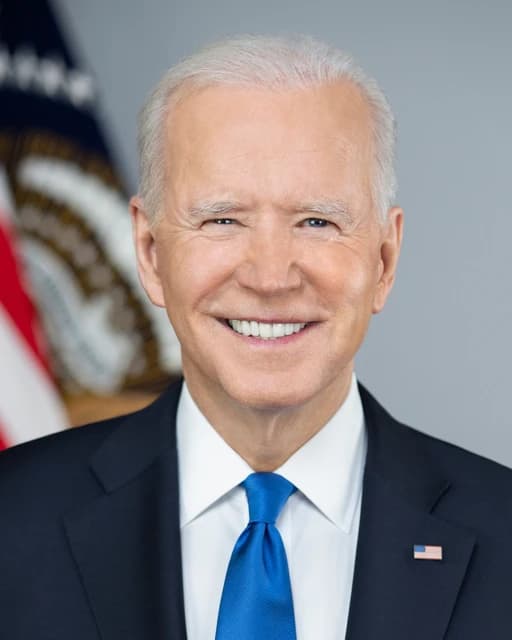
Xi told Trump that disputes between the two powers are normal given their different national conditions, but stressed the need to manage the relationship smoothly and on the “right direction.” He also said China’s development does not conflict with Trump’s “Make America Great Again” agenda, a diplomatic framing designed to lower the temperature without conceding strategic competition.
Trump, for his part, said he had reached “many agreements” with Xi and expected more, while also signaling he wants a long-term working relationship with the Chinese leader. That language matters because it suggests both sides are willing to trade tactical concessions for stability, at least for now. In markets, stability itself is a catalyst.
Geopolitical Risk vs FXIadalytica.com
Explore this data interactively — full history, time series and cross-market comparisons.Open AlphaPulse
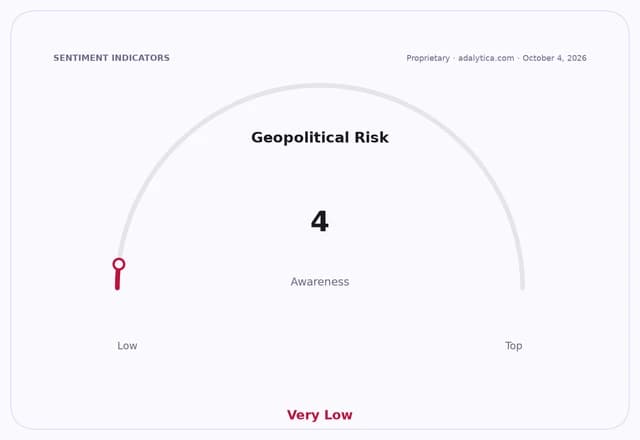
The reaction lens is already visible in exchange-traded funds tied to China. FXI, the iShares China Large-Cap ETF, had been under pressure, with its latest close at $33.19, below both its 50-day moving average of $35.13 and 200-day moving average of $36.07. The recent rebound attempt still looks fragile, with RSI at 31.9, a level that often points to oversold conditions rather than a confirmed trend change. That is precisely why any extension of the thaw could matter: the ETF does not need perfect policy clarity to rally, only a reduction in geopolitical discounting.
The broader market backdrop reinforces the point. SPY closed at 769.64, still close to record territory, while Adalytica’s U.S.-China Relations Sentiment gauge showed a sharp drop to 46 from 71 two days earlier, underscoring how quickly expectations can swing. Adalytica’s Global Stability Sentiment also sank to 25, a fear reading that suggests investors remain highly sensitive to geopolitical shocks even as the headline tone improves.
That creates an asymmetric setup. If the Busan meeting is remembered as the start of a more durable negotiating channel, the upside is not limited to FXI. It could spill into global cyclicals, shipping, commodities, and multinationals with heavy China revenue exposure. If it proves short-lived, the downside is more contained because markets are already pricing a fair amount of caution.
My view is that this is exactly the kind of moment when the market underestimates second-order effects. A warmer U.S.-China tone can support Chinese equities, ease pressure on Asian supply chains, and reduce volatility in the dollar and risk assets. The trade is not about believing the rivalry is over. It is about recognizing that even a managed rivalry is investable.
| Entity | Gains | Losses |
|---|---|---|
| FXI / China equities | ▲Lower geopolitical discount | ▼Fewer fear-driven shorts |
| U.S. multinationals | ▲Better China demand visibility | ▼Less benefit from decoupling bets |
| Global cyclicals | ▲Easier trade backdrop | ▼Tariff-premium pricing |
| Dollar-safe-haven trades | ▲Less flight-to-safety demand | ▼Geopolitical volatility premium |