Stocks sold off sharply on Thursday after Meta Platforms revived doubts about whether the artificial-intelligence boom can justify the mounting capital bill behind it, prompting a broad rotation into Treasuries and other havens.
Meta AI Spending Fears Hit Stocks and Treasuries Rally
The reaction matters because the market’s biggest AI winners have increasingly been priced on the assumption that today’s heavy spending will translate into durable profit growth later. Meta’s latest results beat revenue expectations, but its plan to issue non-voting stock and the scale of its capital commitments were enough to unsettle investors already questioning how long the AI trade can run before returns have to catch up with investment.
Sentiment Indicators

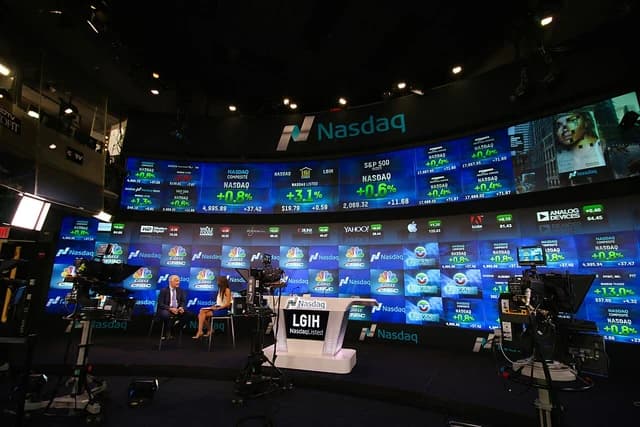
The Nasdaq Composite fell 2.21%, or 590.94 points, to 26,111.92, while the S&P 500 dropped 1.25% and the Dow Jones Industrial Average slipped 0.22%. Semiconductor shares, which have been among the main beneficiaries of AI-related demand, lost more than 5%. Meta itself fell more than 5%, underscoring how quickly sentiment can shift when the first of the “AI hyperscalers” to report earnings sounds less like a growth catalyst and more like a capital-spending warning.
The move also exposed how concentrated the AI rally has become. Investors have been willing to buy expensive technology stocks so long as revenue and earnings trends appear to validate the outlays. But when the focus shifts back to current spending, the valuation case becomes more fragile. That is especially true for megacap platforms and chipmakers, where the market has already discounted years of AI-driven expansion.
The macro response was equally telling. US 10-year Treasury yields fell below 5% for the first time since Sept. 23, dropping 15.17 basis points to 4.994%, as equity investors moved into government debt. The decline in yields suggests the stock selloff was not just a sector rotation but a broader reassessment of risk appetite. Lower yields typically support longer-duration assets, but in this case they also reflect a rush for safety as investors trim exposure to the most crowded parts of the equity market.
That dynamic was visible across global assets. MSCI’s world equity index fell 1.34%, the pan-European STOXX 600 lost 1.01%, and tech shares weakened in Asia and Europe earlier in the day. The yen gained as a haven currency, while bitcoin fell, another sign that investors were scaling back risk more broadly.
There was also a clearer distinction emerging between winners and losers inside the bond market. US Treasuries rallied, but French debt came under pressure as fiscal strains and protest risks pushed French 10-year yields above US Treasuries for the first time since 2013. For global investors, that split reinforces a theme already building this year: safety is becoming more selective, and not all sovereign debt is being treated equally.
Oil’s rise added another layer of complexity. Brent crude climbed to its highest level since May after further Houthi attacks in Saudi Arabia raised concern about Middle East supply disruption. Higher oil prices can complicate the inflation outlook just as bond yields are retreating on growth and risk concerns, leaving markets caught between slower growth fears and renewed geopolitical inflation pressure.
For investors, the key question is whether Thursday’s move marks a temporary reset in a still-intact AI uptrend or the beginning of a more demanding phase where execution matters more than narrative. The bullish case is that AI spending is still in its early innings and that companies such as Meta can absorb large upfront costs before monetizing the infrastructure. The bearish case is that markets are increasingly vulnerable to any sign that returns are lagging investment, especially after a long stretch of outperformance by the same megacap names.
What happens next will depend on whether upcoming earnings from other AI-heavyweights reassure the market that spending is translating into revenue growth, or instead confirm that the sector is entering a more capital-intensive and less forgiving phase. For now, Meta’s report has reminded investors that even in an AI-led market, balance sheets and cash flow still matter.
| Entity | Gains | Losses |
|---|---|---|
| US Treasuries | ▲Safe-haven inflows | ▼Equity-risk appetite |
| AI hyperscalers | ▲Long-term infrastructure buildout | ▼Near-term margin expectations |
| Semiconductors | ▲AI demand growth | ▼Valuation premium |
| Oil exporters | ▲Higher crude prices | ▼Air and transport margins |