Higher U.S. inflation is turning the Nasdaq 100’s latest rally into a valuation test, and investors are rediscovering how quickly “AI trade” enthusiasm can crack when Treasury yields climb.
Nasdaq 100 Falls as Inflation Raises Yield Pressure

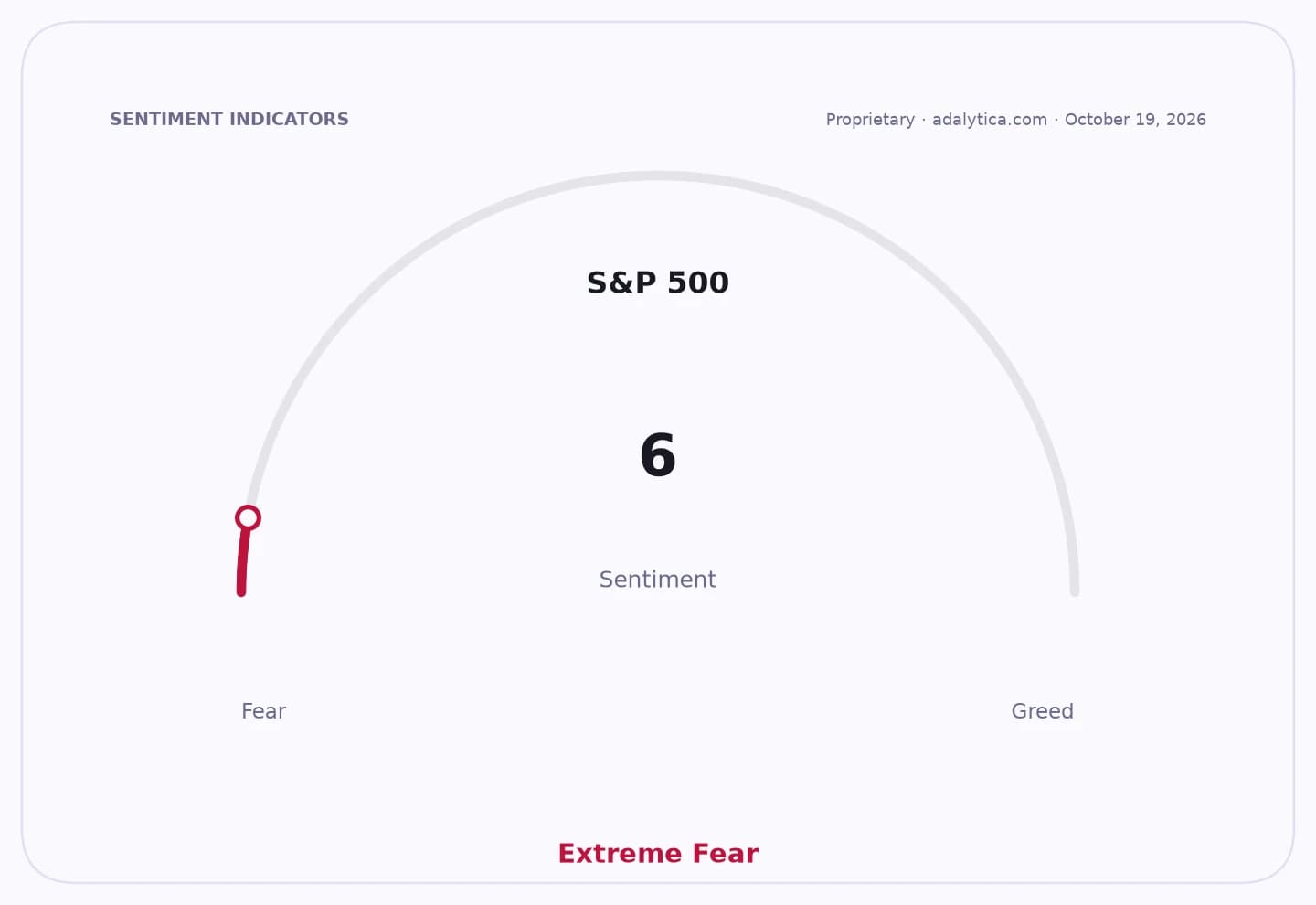
The index has slipped back below the 30,000 mark after hitting a record 31,361 only last week, with renewed fears of another Fed tightening impulse hitting the most rate-sensitive parts of the market. The trigger was September U.S. inflation running hotter than expected, a reminder that disinflation is not yet secure and that long-duration growth stocks remain hostage to bond yields.
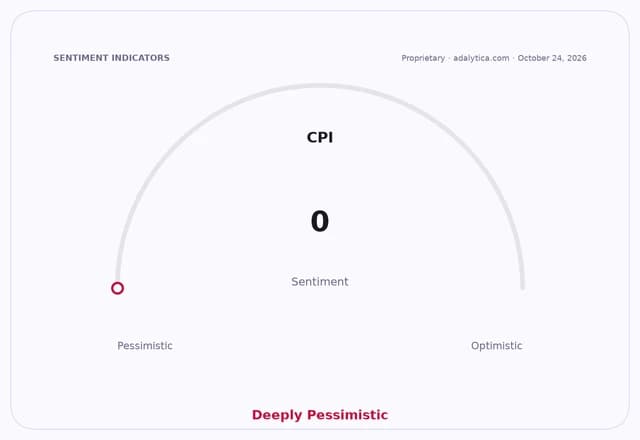
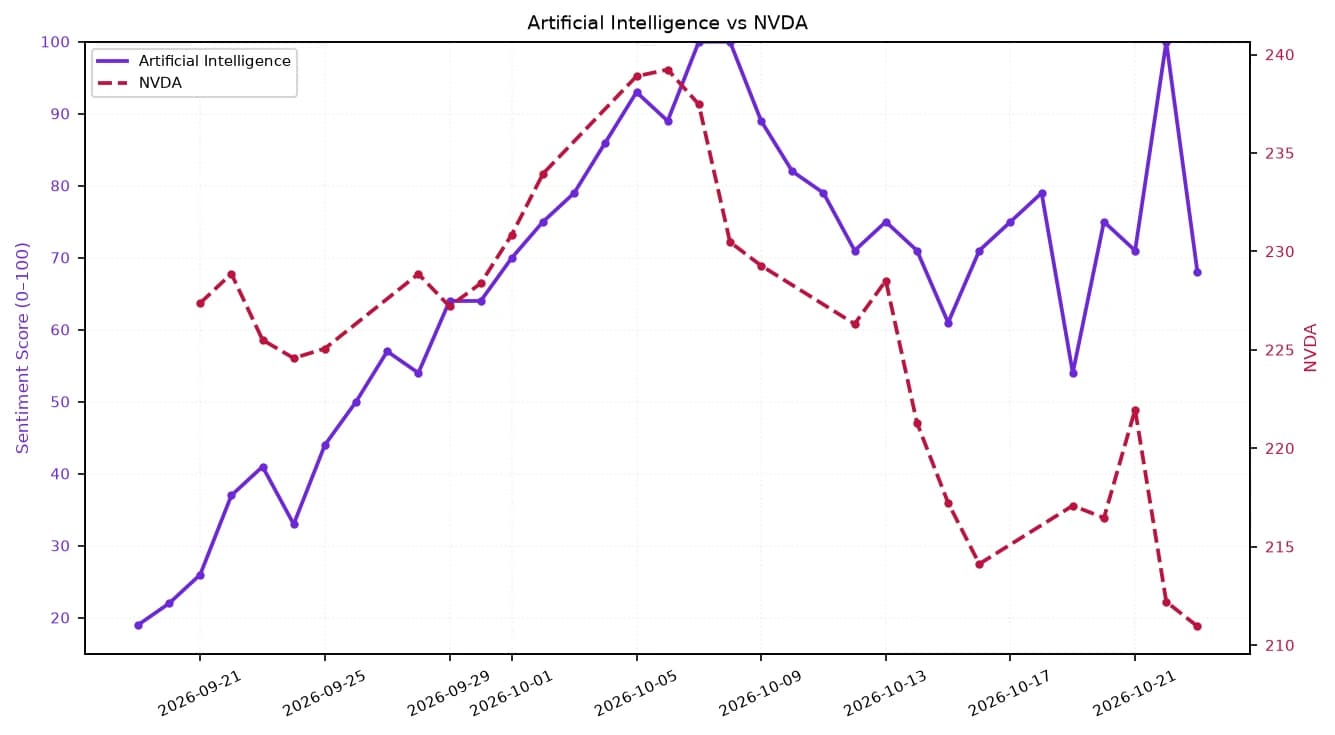
Chipmakers have taken the brunt of the selling. Micron Technology and Broadcom have been under pressure, with Broadcom Chief Executive Hock Tan warning that expectations for artificial intelligence may be too high and that financing the build-out of AI infrastructure could become a problem. That matters because the market has spent much of the past year pricing AI as a near-linear growth story, while the real-world cash returns on that spending remain uncertain.
This is the key mispricing: investors are still rewarding the promise of AI capex, but they are becoming less willing to pay up for companies that need cheap money and flawless execution to justify it. Micron’s roughly 6 times earnings multiple shows how fast sentiment can swing from exuberance to skepticism, even in names tied directly to the compute boom. If inflation keeps bond yields elevated, the discount rate pressure on tech earnings will keep compressing valuations across the Nasdaq complex.
CPIAUCSL vs CPILFESL — macro contextadalytica.com
Explore this data interactively — full history, time series and cross-market comparisons.Open AlphaPulse
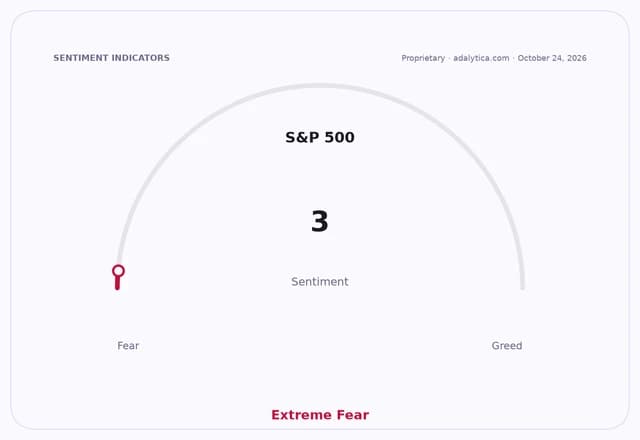
The broader market structure makes the index vulnerable. The Nasdaq 100’s advance has been driven by a narrow group of megacaps — Apple, Amazon, Alphabet, Meta, Microsoft and Nvidia — and that concentration leaves it exposed if even a few of the hyperscalers disappoint when earnings season gets underway. BNP Paribas also pointed out that fund managers are heavily overweight technology, with a net 37% overweight, the heaviest since August 2020. That kind of positioning can amplify any downturn.
Bonds are sending the same warning. The 10-year U.S. Treasury yield has been hovering around 5%, a level that raises the hurdle rate for every growth stock in the market. In that environment, investors tend to rotate toward cash generation, pricing power and balance-sheet strength rather than stories that depend on years of future expansion.
For investors, the message is not to abandon the AI theme, but to become much more selective. The next leg of returns may come not from the most crowded hyperscalers, but from the picks-and-shovels names supplying power, networking, memory and infrastructure to the AI build-out — especially if those businesses can convert capex into durable free cash flow. If inflation stays sticky, the market will keep punishing duration and rewarding hard assets, cash flow and defensible demand.
That makes the coming hyperscaler earnings reports a genuine inflection point. Strong results could stabilize the Nasdaq 100 quickly; any sign of softer spending, margin pressure or financing strain could trigger another sharp de-rating. For now, the market is telling you one thing clearly: inflation is back in charge, and the Nasdaq 100 is paying the price.
| Entity | Gains | Losses |
|---|---|---|
| Treasury yields | ▲Higher income appeal | ▼Growth-stock valuations |
| Value and cash-flow stocks | ▲Relative resilience | ▼High-duration tech |
| AI infrastructure suppliers | ▲Continued capex demand | ▼Overhyped AI beneficiaries |
| Nasdaq 100 mega-caps | ▲Long-term platform dominance | ▼Near-term multiple compression |