US stocks clawed back losses after a sharp AI-led sell-off, but the real story for investors is that the market is repricing the cost of powering the next phase of artificial intelligence.
Nvidia, Microsoft Pull Back as AI Capex Repricings
The rebound matters because the recent shock was not just a one-day de-risking event in megacap tech — it was a reset in the capital-intensity narrative that has carried the AI trade for two years. As investors questioned whether debt-fueled data-center spending can keep delivering earnings growth, money rushed into Treasuries, sending yields lower and exposing how dependent the broader market has become on a narrow group of AI winners.
Sentiment IndicatorsⓘProprietary · adalytica.com · October 24, 2026
This is a snapshot — live sentiment, awareness and momentum for 130+ markets update continuously in the dashboard.Open AlphaPulse
That matters economically because AI buildout is no longer just a software story. It is a physical infrastructure cycle that pulls in chips, cloud capacity, power, cooling, networking and industrial equipment. When that trade wobbles, the consequences spread well beyond Nvidia and Microsoft to the suppliers, contractors and utilities that have been priced for a perpetual capex boom. The 10-year Treasury yield was around 5%, while high-yield credit spreads remained contained near 3.4%, underscoring that the market is not yet pricing a credit event — but it is demanding a higher risk premium for the most expensive part of the AI complex.
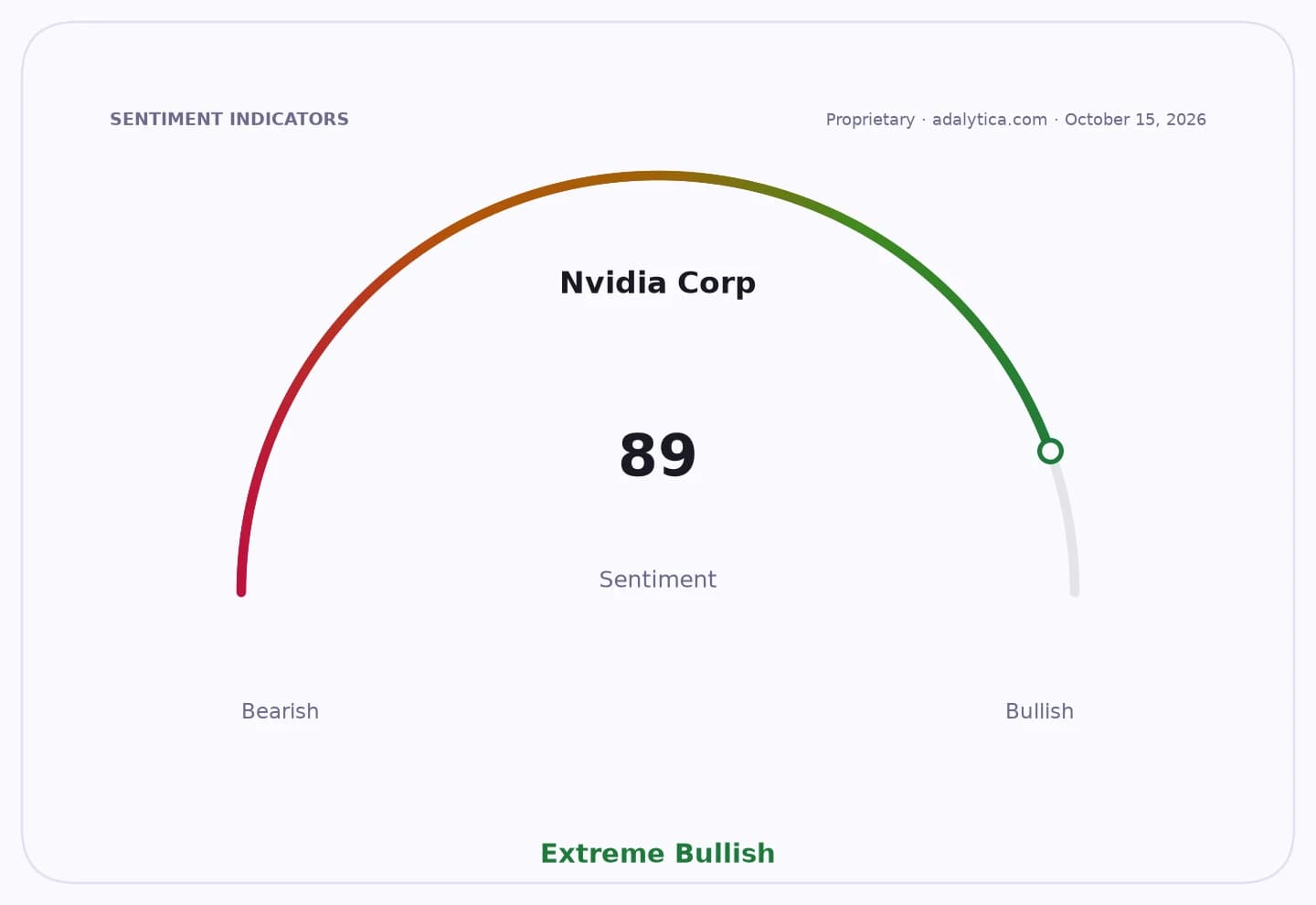
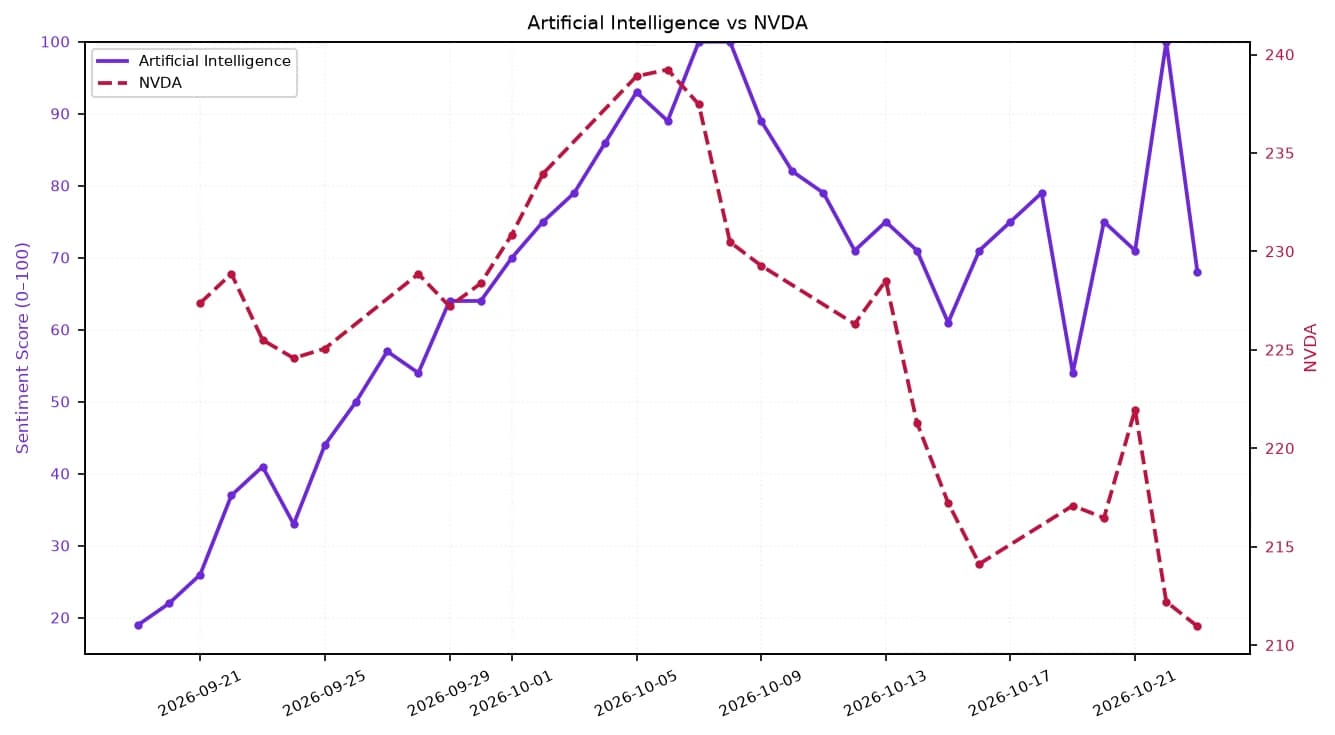
Nvidia’s stock has been hit hard in the latest downdraft, falling to around $211 from a recent high above $227, while its RSI has slipped to 22, a classic oversold reading by conventional technical indicators. Microsoft has also pulled back from above $530, with its RSI near 50 after having been comfortably above its 50-day moving average earlier this month. The S&P 500 ETF finished lower at about 760 after recovering from a deeper intraday swing, but the broader tape still shows the market’s dependence on a small cohort of AI leaders to carry index performance.
The contrarian opportunity here is not to abandon AI, but to separate durable beneficiaries from crowded momentum names. The market underestimates how much of the next leg in AI spending will flow into the plumbing: semiconductors, power generation, grid equipment, cooling systems and cloud infrastructure. That is where the asymmetric opportunity sits if rates stabilize and hyperscalers keep spending through the volatility. Microsoft’s latest filings already point to rising AI infrastructure costs, while Nvidia has described the multi-year challenge of securing land, power and energy for deployment — a reminder that this is a capital-expenditure supercycle, not a short-lived theme.
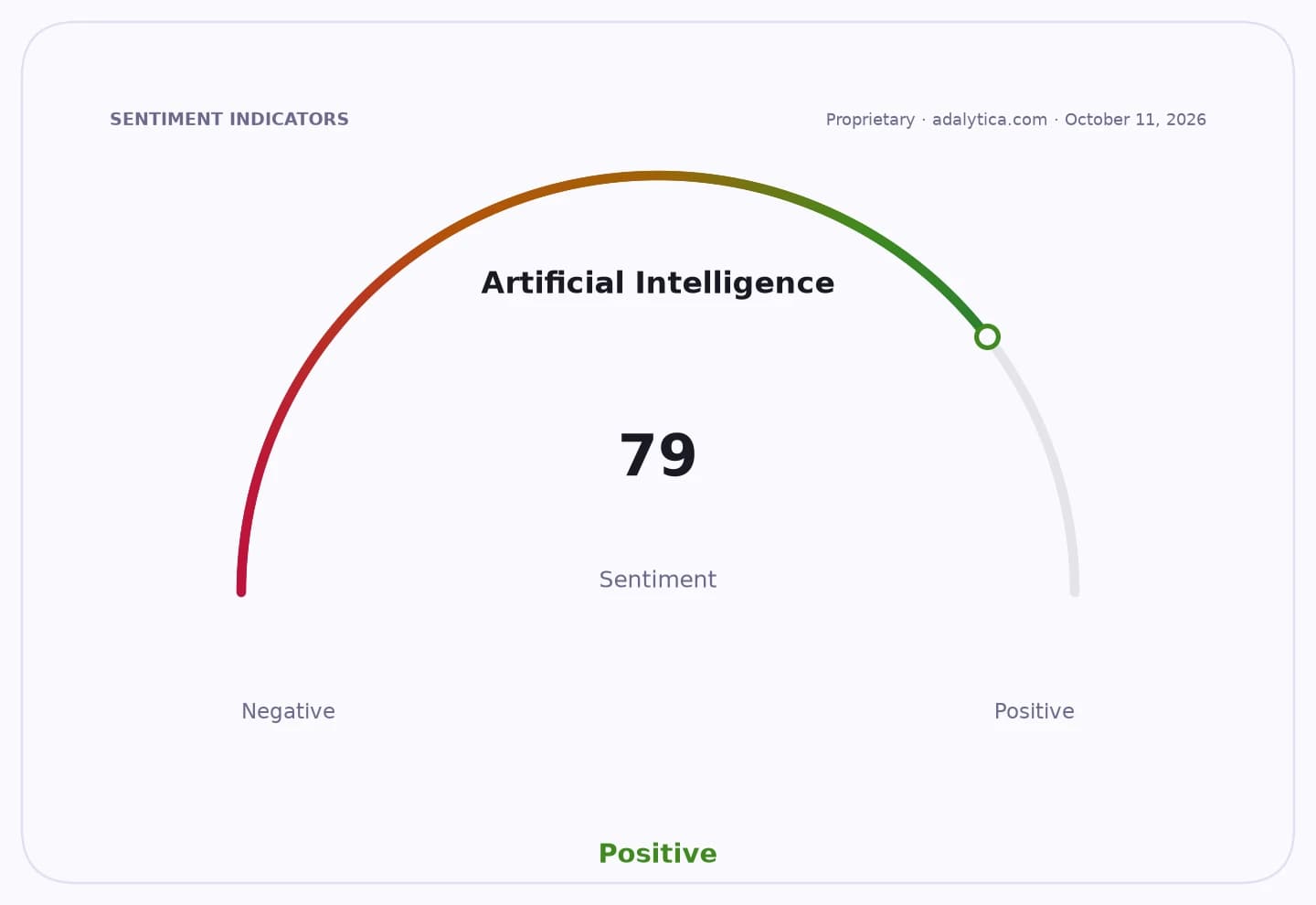
Adalytica’s AI sentiment snapshot still shows neutral sentiment but extreme fear in awareness, a sign that positioning has been shaken even if long-term interest in the theme remains elevated. That kind of washout often creates the best entry points in secular winners, especially when the macro backdrop is shifting toward lower yields and less strain on duration-sensitive growth stocks.
For investors, the message is simple: don’t chase every AI name, but don’t mistake a sharp pullback for the end of the cycle. The sell-off has created a better risk-reward setup in the infrastructure layer of AI than in the most crowded headline stocks. If the next earnings season confirms that capex is still accelerating, this rebound could prove to be the first step in a broader rotation back into the picks-and-shovels of the AI buildout.
| Entity | Gains | Losses |
|---|---|---|
| Treasuries | ▲Safe-haven inflows | ▼Higher-growth equity rotation |
| Nvidia and AI leaders | ▲Potential rebound from oversold levels | ▼Momentum de-rating |
| Microsoft and hyperscalers | ▲Long-term AI demand still intact | ▼Rising infrastructure costs |
| AI infrastructure suppliers | ▲More capex spillover | ▼Short-term volatility in big tech |