The AI trade is showing its first real stress test as CoreWeave, ASML and Nvidia all come under pressure, forcing investors to question whether a decade-defining growth story is getting too crowded, too expensive or simply too volatile to own in one block.
CoreWeave, ASML and Nvidia Fall on AI Trade Worries
CoreWeave has become the clearest warning sign. The AI infrastructure name fell to $54.24 on Oct. 23 from $99.83 on Sept. 8, a drop of about 46%, after a brutal three-day slide that pushed it far below both its 50-day moving average of $83.27 and its 200-day moving average of $92.00. The stock’s relative strength index was down at 18.5, a level that typically indicates deeply oversold conditions, while volume jumped to 46.5 million shares in the latest session, underscoring the intensity of the unwind.
Sentiment IndicatorsⓘProprietary · adalytica.com · October 24, 2026
This is a snapshot — live sentiment, awareness and momentum for 130+ markets update continuously in the dashboard.Open AlphaPulse
The selloff matters because CoreWeave sits at the center of the AI buildout trade: a capital-intensive name dependent on sustained demand, plentiful financing and investor confidence that hyperscale spending will keep rising. The company’s own filings have warned that it may need additional capital to fund growth and that demand from a limited number of top customers remains a risk, making it especially sensitive when sentiment turns.
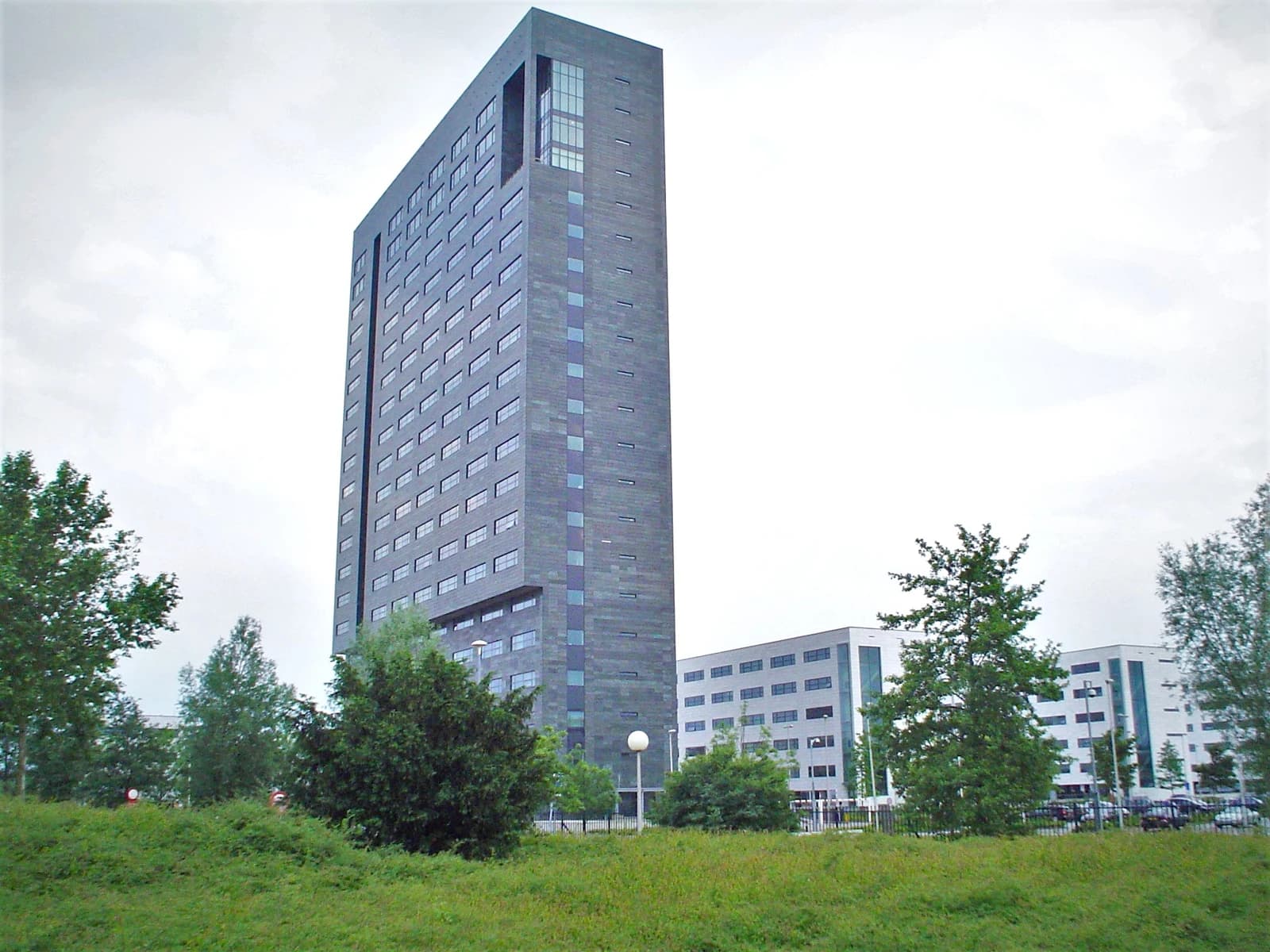
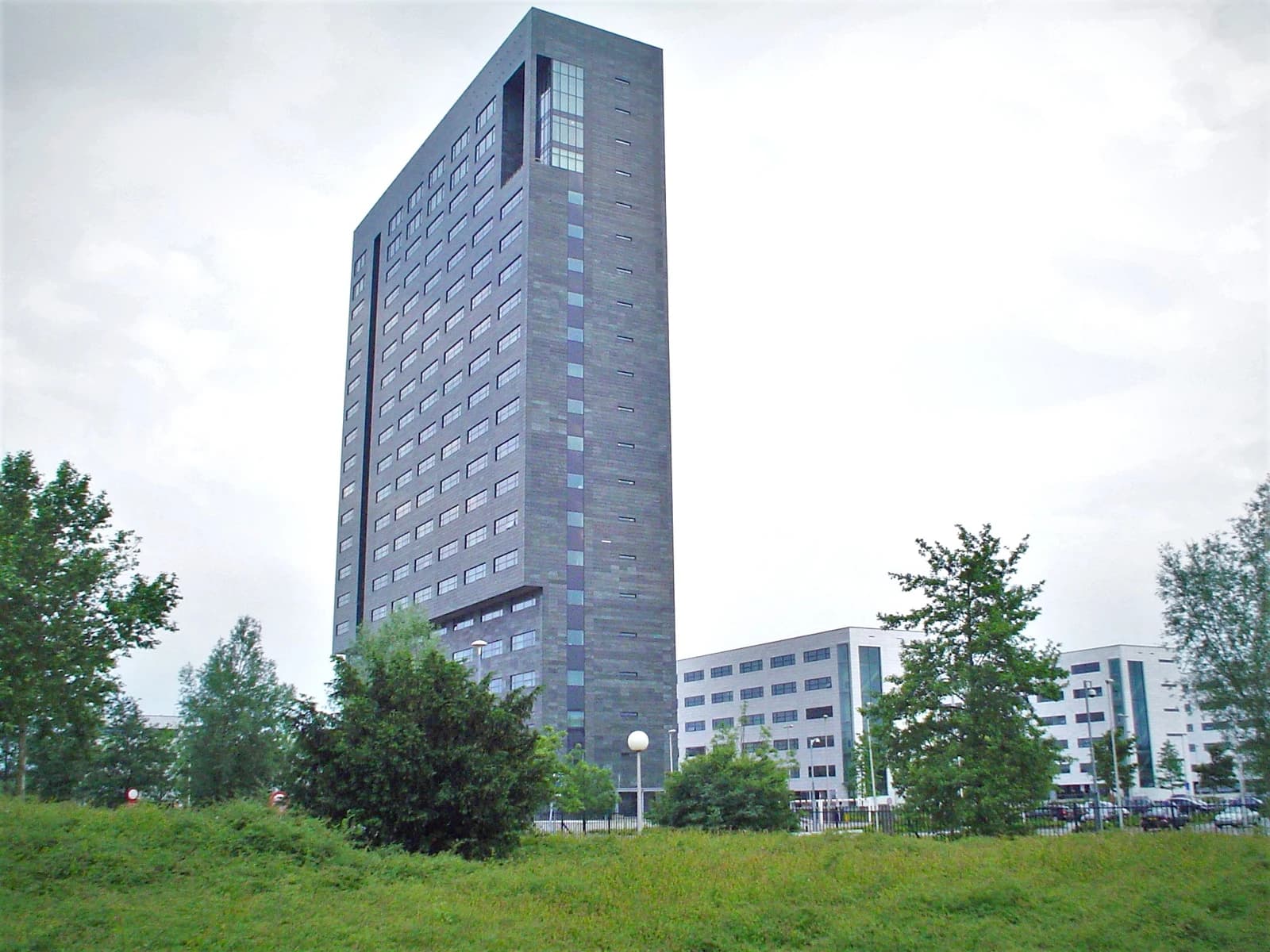
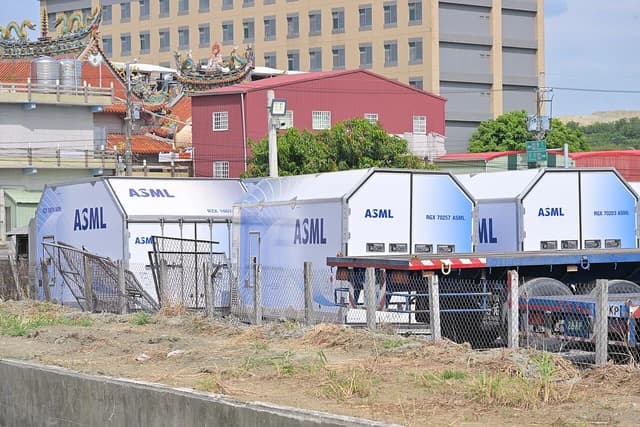
ASML’s latest weakness adds a second layer to the story. The Dutch chip-equipment giant fell to 1,571.80 euros from 1,676.69 euros in two sessions, extending a decline that has pulled it more than 11% below its 50-day moving average. ASML is the bottleneck supplier for the most advanced semiconductor production, so any pressure in the stock is often read as a proxy for how durable the next phase of AI chip spending will be.
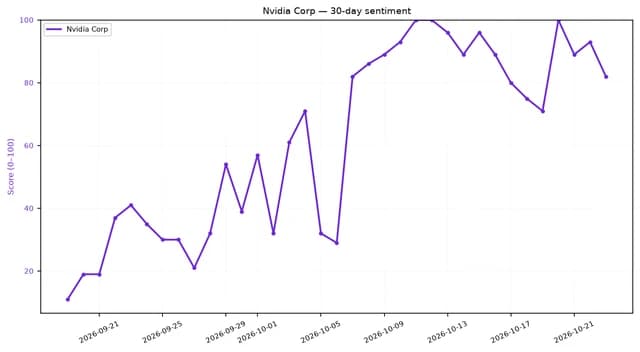
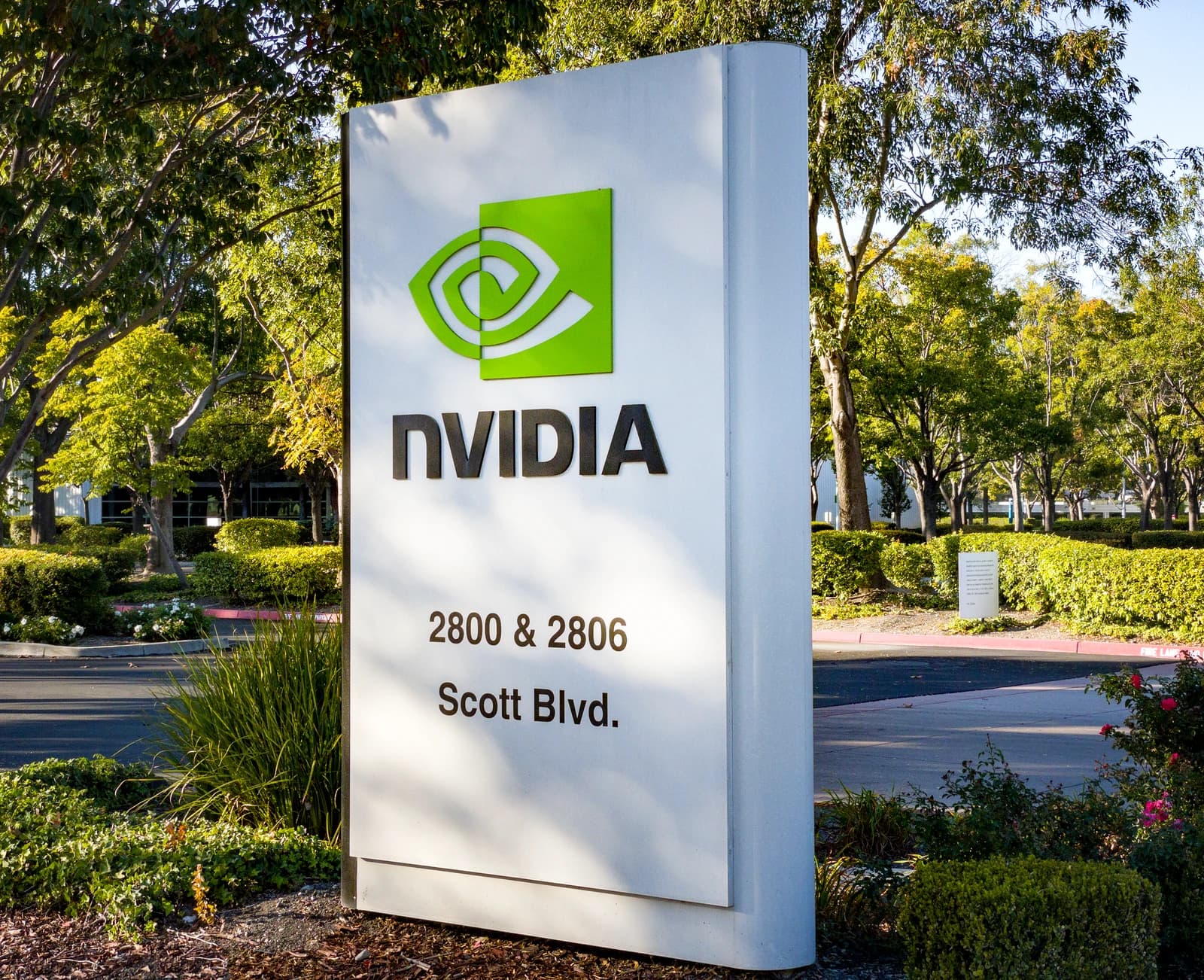
Nvidia, the market’s flagship AI winner, is also losing altitude even as longer-term enthusiasm remains high. The shares slipped to $210.96 on Oct. 23 from $221.97 two days earlier, with the RSI dropping to 22.0 and the stock trading below its 50-day average of $222.39. Adalytica’s NVIDIA Earnings Sentiment snapshot still shows “Greed” at 82, but it also shows a one-day drop of 11 points, a sign that the market’s optimism is becoming more fragile.
The broader market picture is just as telling. Adalytica’s AI sentiment gauge has fallen to 68 from 100 earlier in the week, while awareness has plunged to 7 and its label reads “Extreme Fear.” At the same time, the S&P 500 trade signal sits at zero sentiment, also marked “Extreme Fear,” suggesting the AI selloff is bleeding into wider risk appetite rather than staying confined to one corner of tech.
That is why Paul Tudor Jones’ caution matters. When a prominent macro investor starts questioning the durability of the trade, it reinforces what the tape is already showing: investors are no longer paying up for every company with AI in the story. The market is beginning to distinguish between genuine infrastructure winners and expensive momentum names with heavy spending needs.
For investors, the next test is whether this is a pause or a reset. If earnings, capex guidance and order trends from AI-linked companies hold up, the pullback may prove temporary. If not, the recent slide in CoreWeave, ASML and Nvidia could mark the moment the AI trade shifts from broad enthusiasm to stock-by-stock scrutiny.
| Entity | Gains | Losses |
|---|---|---|
| Cash-rich AI leaders | ▲Selectivity, lower expectations | ▼Valuation multiples |
| CoreWeave | ▲Short-term volatility buyers | ▼Momentum investors |
| ASML and chip suppliers | ▲Long-cycle AI demand visibility | ▼Near-term sentiment |
| Shorts and skeptics | ▲Price dislocation, higher volatility | ▼If AI spending re-accelerates |