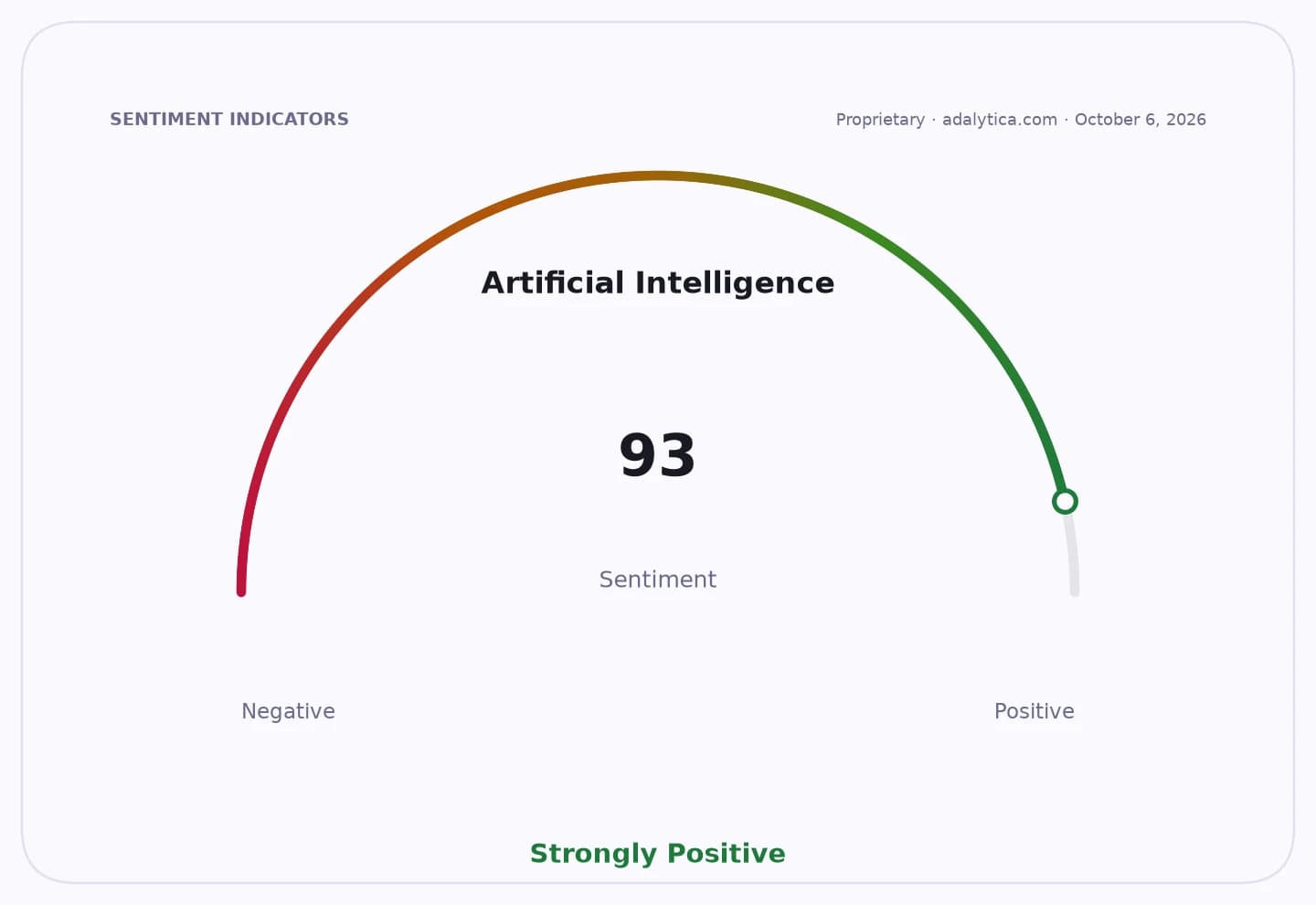
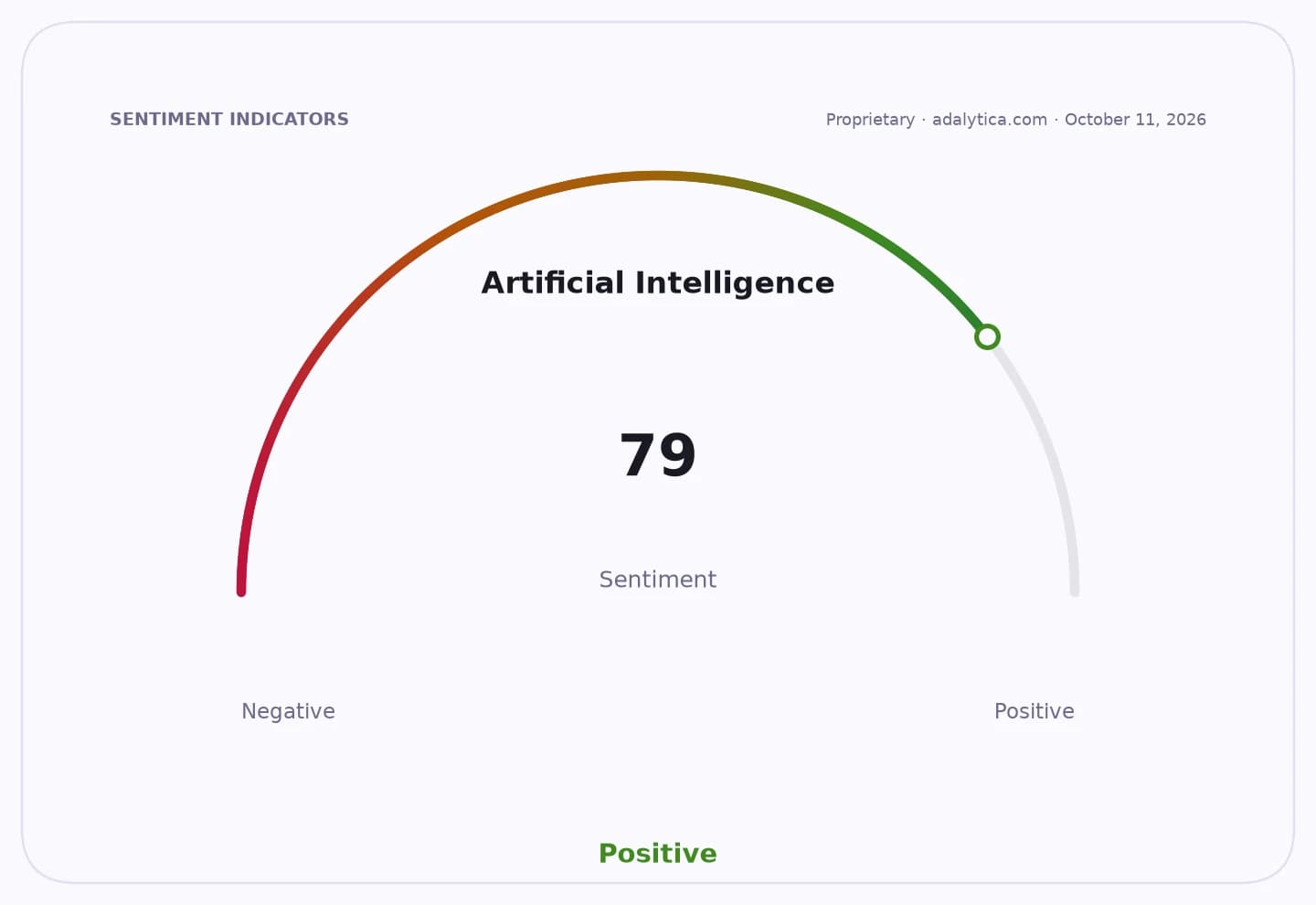
Michael Novogratz says artificial intelligence is the biggest bubble of his investing life — and still tells investors to buy in, a stance that captures the market’s most important tension as NVIDIA and the AI supply chain remain the engine of global equity gains.
NVIDIA AI Bubble Debate and Analyst Targets
That matters because the AI trade has become far more than a momentum story. It is now a capital-spending cycle tied to data-center buildouts, chip demand, power infrastructure, cloud spending and, increasingly, balance-sheet risk. If the bubble talk is right, the unwind could hit everything from semiconductor makers to the utilities and contractors feeding the buildout. If the bull case is right, investors are still early in a multi-year infrastructure boom that has not yet exhausted itself.
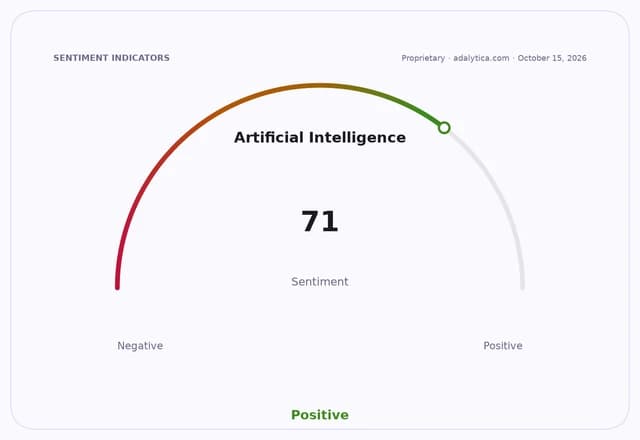
Novogratz’s view is especially influential because he is not dismissing the warning signs. He argues the sector still looks cheap on earnings, says bubbles do not end quietly, and points to rising long-term borrowing costs as a brake that has not yet bitten hard enough. He also sees politics as a tailwind, with Washington and Beijing both effectively forcing continued AI investment in the race for strategic advantage. That keeps the spending cycle alive even as valuation anxiety grows.
The split among marquee investors shows how crowded, but not yet resolved, the debate has become. Ray Dalio says the bubble is near its end, warning that debt-financed AI spending becomes vulnerable if rates rise further or asset holders are forced sellers. Bank of America is taking a more tactical route, favoring call spreads on a Nasdaq 100 ETF instead of outright index exposure — a sign that even the cautious still want to stay attached to the trend.
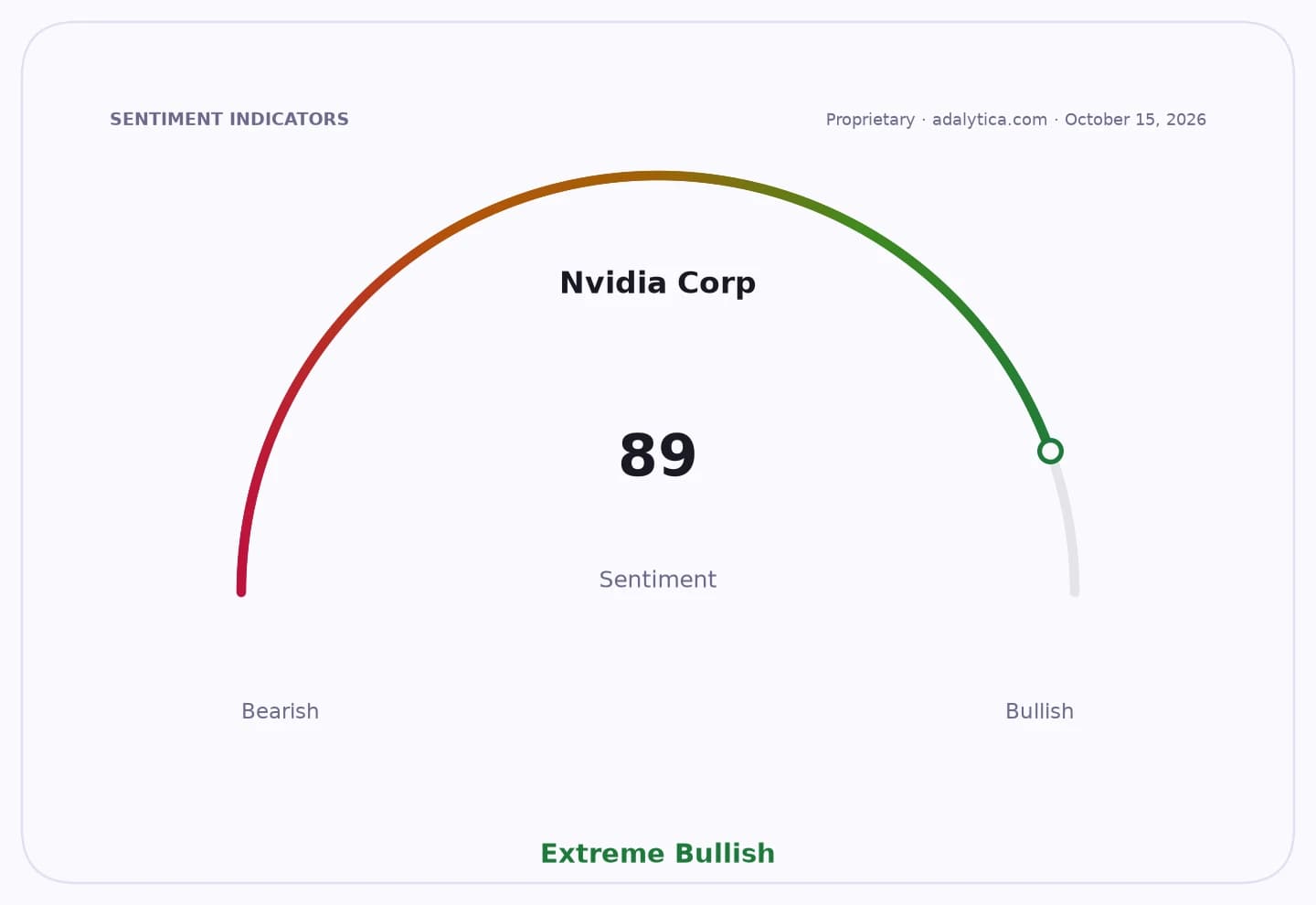
Nvidia Corp — 30-day sentimentadalytica.com
Explore this data interactively — full history, time series and cross-market comparisons.Open AlphaPulse
For investors, NVIDIA remains the clearest expression of that tension. All 33 Wall Street analysts tracked by TipRanks who issued 12-month price targets in the past three months have a buy rating on the stock. UBS recently reiterated a buy call with a $300 target, while Bernstein sits at $400 and the average target is about $324. That sits above NVIDIA’s latest close near $221, even after a volatile year that saw the stock swing from a May high of $235.20 to recent trading closer to the 50-day moving average and well above the 200-day line.
The technical picture says the market is still digesting the move rather than rejecting it. NVIDIA’s RSI has cooled from overbought territory earlier in the year to the mid-40s, while the stock remains above its 200-day moving average of about $202. The Adalytica AI sentiment gauge is still in greed territory, but awareness remains depressed, a combination that often shows a trade with strong momentum but limited broad conviction.
The bigger takeaway is that this is not a binary call on whether AI is “real.” It is a call on valuation, financing and timing. The winners are the companies that sell the picks and shovels — chips, networking, cloud capacity, power and thermal management — while the losers are the investors who confuse a secular infrastructure buildout with a straight-line stock rally.
My thesis is simple: the market underestimates how long the AI capex cycle can run, but it also underestimates how violently leadership can rotate once financing costs bite or spending slows. That is why the best opportunity may not be to chase every AI stock indiscriminately, but to own the strongest platforms, stay selective on valuation and use pullbacks in NVIDIA and the infrastructure stack as entry points. The bubble debate is real; the capital spending boom is real too. In markets like this, positioning early matters far more than being precisely right.
| Entity | Gains | Losses |
|---|---|---|
| NVIDIA | ▲AI capex leadership | ▼Bubble-fear volatility |
| AI infrastructure suppliers | ▲Multi-year demand cycle | ▼A spending slowdown |
| Cautious options buyers | ▲Capped downside | ▼Capped upside |
| Late momentum chasers | ▲— | ▼Sharp reversal risk |