Vladimir Putin used Russia’s Unity Day ceremony in the Kremlin to project defiance at home and reassurance abroad, awarding a mix of foreign political, academic and religious figures while insisting Moscow “never threatened” other countries and still seeks cooperation.
Putin Unity Day Speech Focuses on Russia and Allies
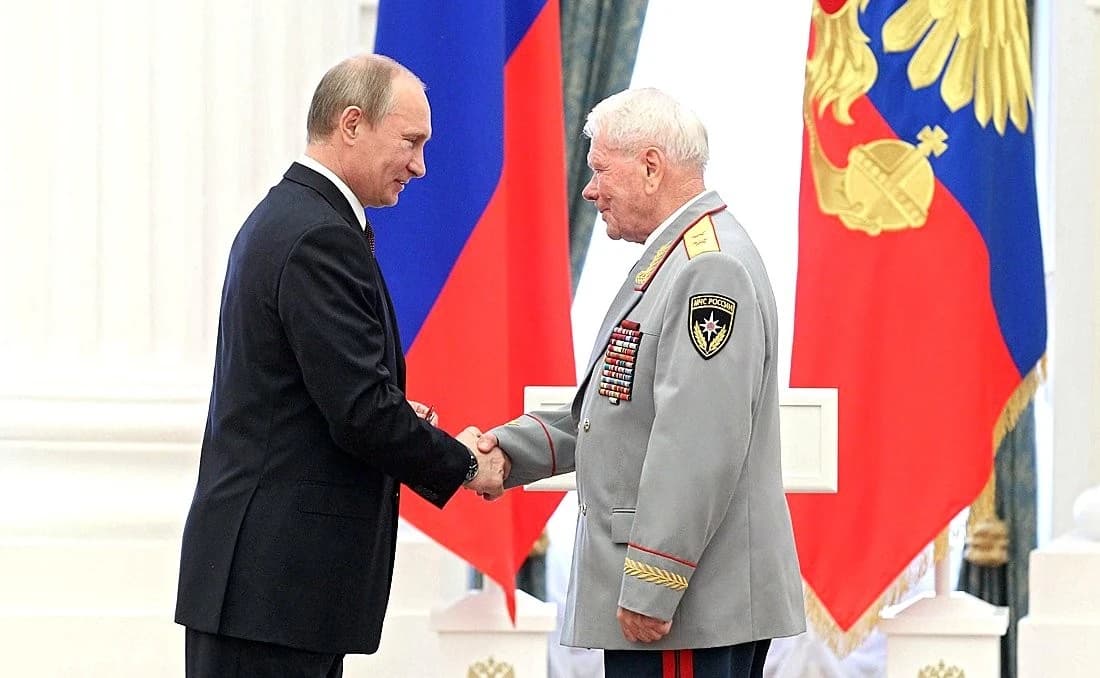
The message matters because it lands as Russia continues the war in Ukraine and faces years of sanctions, isolation and strained ties with much of Europe and the United States. By framing Russia as a defender of sovereignty rather than an aggressor, Putin is trying to reinforce domestic support, keep sympathetic networks overseas engaged and signal that the Kremlin still sees room to shape a “more just multipolar world.”
Sentiment Indicators
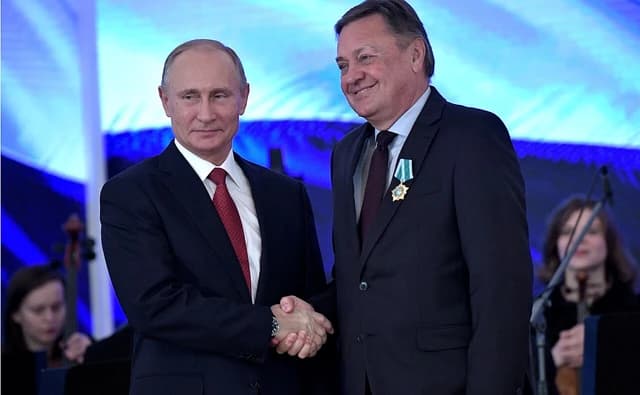
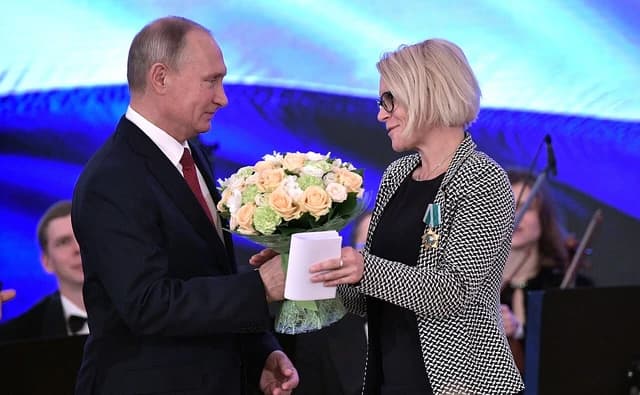
Among those honored was Vadim Krasnoselsky, the president of Transnistria, who received the Order of Merit for his role in the breakaway region that remains dependent on Russia’s political and security backing. Putin also gave the Order of Friendship to Ivan Yesin, head of the “Russia — My History” foundation, as well as to figures from Armenia, Italy, Canada, China and Kyrgyzstan, underscoring the Kremlin’s effort to keep a transnational circle of allies visible.
Putin singled out Italian charity leader Ennio Bordato for work he said was known across Russian regions including Donbas and “Novorossiya,” language that again tied the ceremony to the war effort and Russia’s claims over occupied Ukrainian territory. The awards also went to academic, religious and business figures, reflecting Moscow’s use of culture, faith and civil society as soft-power tools while official ties with Western governments remain frozen.
For investors and markets, the immediate impact is limited, but the speech is a reminder that geopolitical risk around Russia remains entrenched and that sanctions relief is not on the near-term agenda. That keeps pressure on companies and funds exposed to Russian assets, commodity flows and counterparties in neighboring states, while reinforcing the premium investors assign to stability in Europe and Eurasia.
The broader narrative is one of political consolidation: Putin is using a national holiday to cast Russia as united, resilient and misunderstood, while rewarding foreign supporters who help preserve channels of influence beyond the West. Any shift in Russia’s external posture will likely come not from rhetoric at the Kremlin podium, but from battlefield developments, sanctions policy and Moscow’s relations with non-Western partners.
| Entity | Gains | Losses |
|---|---|---|
| Kremlin / Putin | ▲Domestic unity narrative | ▼Western trust |
| Foreign awardees | ▲Political access, prestige | ▼Distance from Western capitals |
| Russia-linked assets | ▲Stability from continuity | ▼Sanctions relief hopes |
| Western governments / investors | ▲Clearer policy signal | ▼None from ceremony itself |