The Baltic states and Poland are pressing the European Union to scrap remaining investment protection treaties with Russia, a move that would tighten Europe’s legal and financial isolation of Moscow and reduce the risk of Russian-linked claims against EU governments.
EU States Push to End Russia Investment Treaties
Lithuania, Latvia, Estonia and Poland have asked the European Commission to terminate bilateral investment agreements still in force between Russia and 17 EU countries, Estonia’s foreign ministry said. They argue the treaties give Russia leverage over EU policy and remain a threat to the bloc’s economic security.
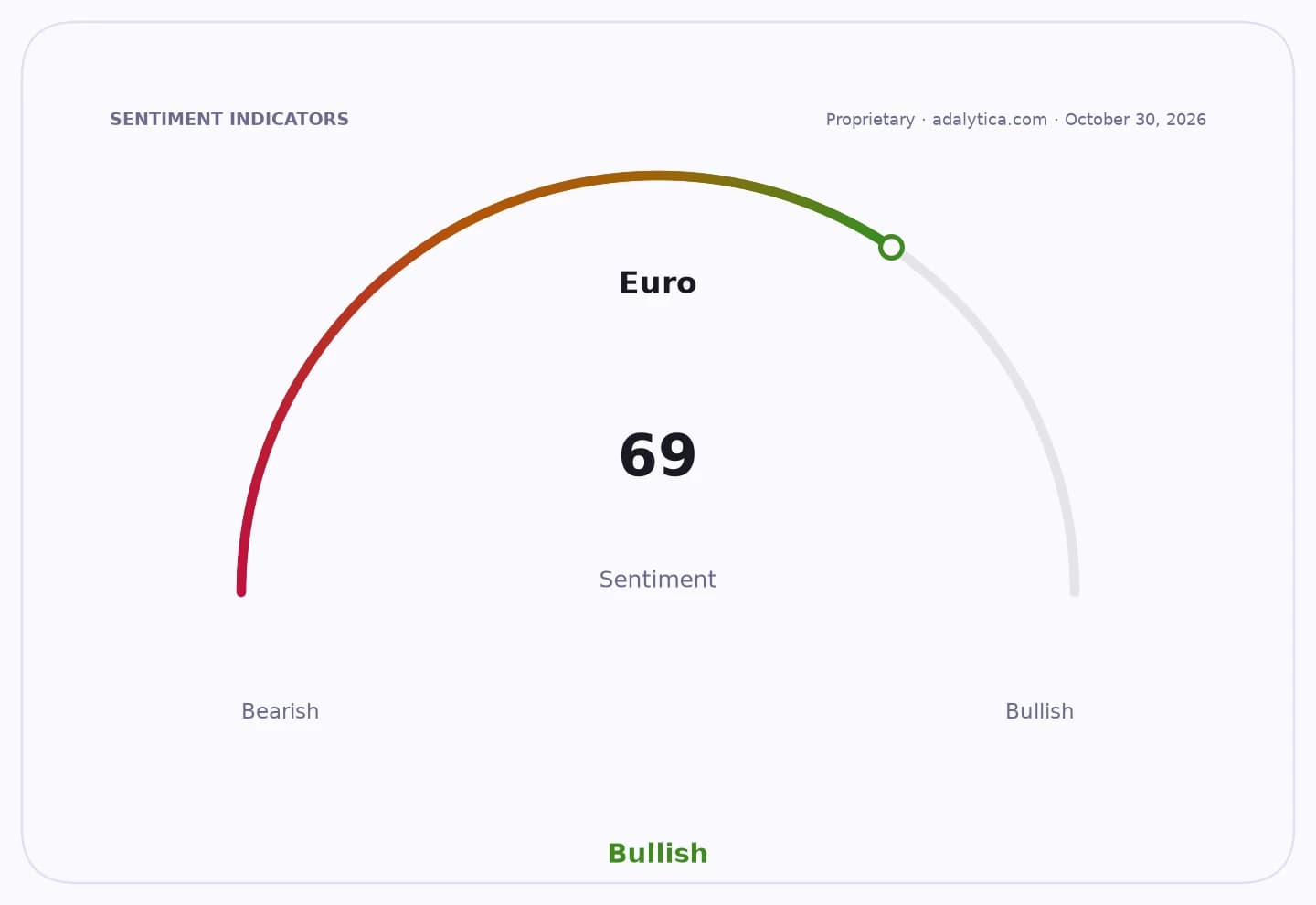
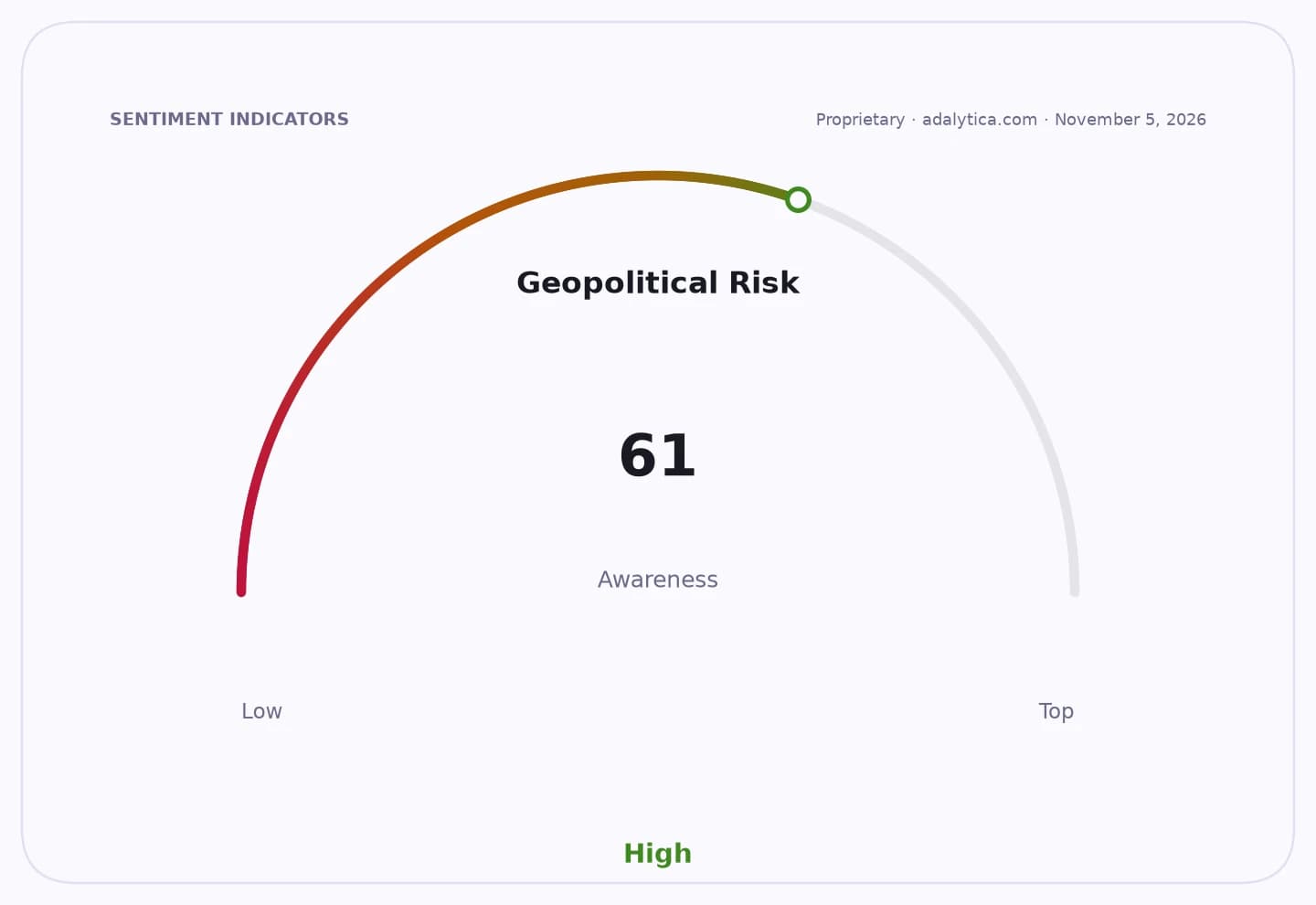
Sentiment Indicators
The four countries said the agreements still encourage investment into Russia and could allow sanctioned entities to bring disputes against EU member states and the bloc in international tribunals. Estonian Foreign Minister Margus Tsahkna said the EU must ensure Russia is fully isolated internationally and that the treaties can no longer be viewed as simple investor-protection instruments in the current geopolitical environment.
For investors, the issue matters because investment treaties shape legal risk, capital flows and the enforceability of claims. Ending them would reduce one channel through which Russian businesses and sanctioned individuals could challenge European measures, while also underscoring how far the EU is willing to go in hardening its sanctions regime.
The push also fits a broader EU effort to limit Russia’s access to European capital and legal remedies as the war in Ukraine drags on and Brussels weighs additional financial support for Kyiv. Any move to unwind the agreements would likely add to pressure on firms with residual Russia exposure and could further chill cross-border investment tied to the Russian market.
The next step is with the European Commission and member states, which would need to decide whether to back the call and how quickly to unwind the treaties without creating fresh legal disputes.
| Entity | Gains | Losses |
|---|---|---|
| Baltic states and Poland | ▲Stronger sanctions leverage | ▼Residual legal exposure |
| European Union | ▲Tighter Russia isolation | ▼New treaty unwind complexity |
| Russia-linked investors | ▲None | ▼Fewer legal protections |
| EU governments | ▲Less tribunal risk | ▼Possible retaliation and disputes |