Poland’s constitutional crisis escalated over the weekend as rival groups of judges claimed authority over the country’s top court, a confrontation that is unsettling investors because it threatens the legal certainty on which policymaking, public spending and EU funds all depend.
Poland court dispute raises legal risk for investors
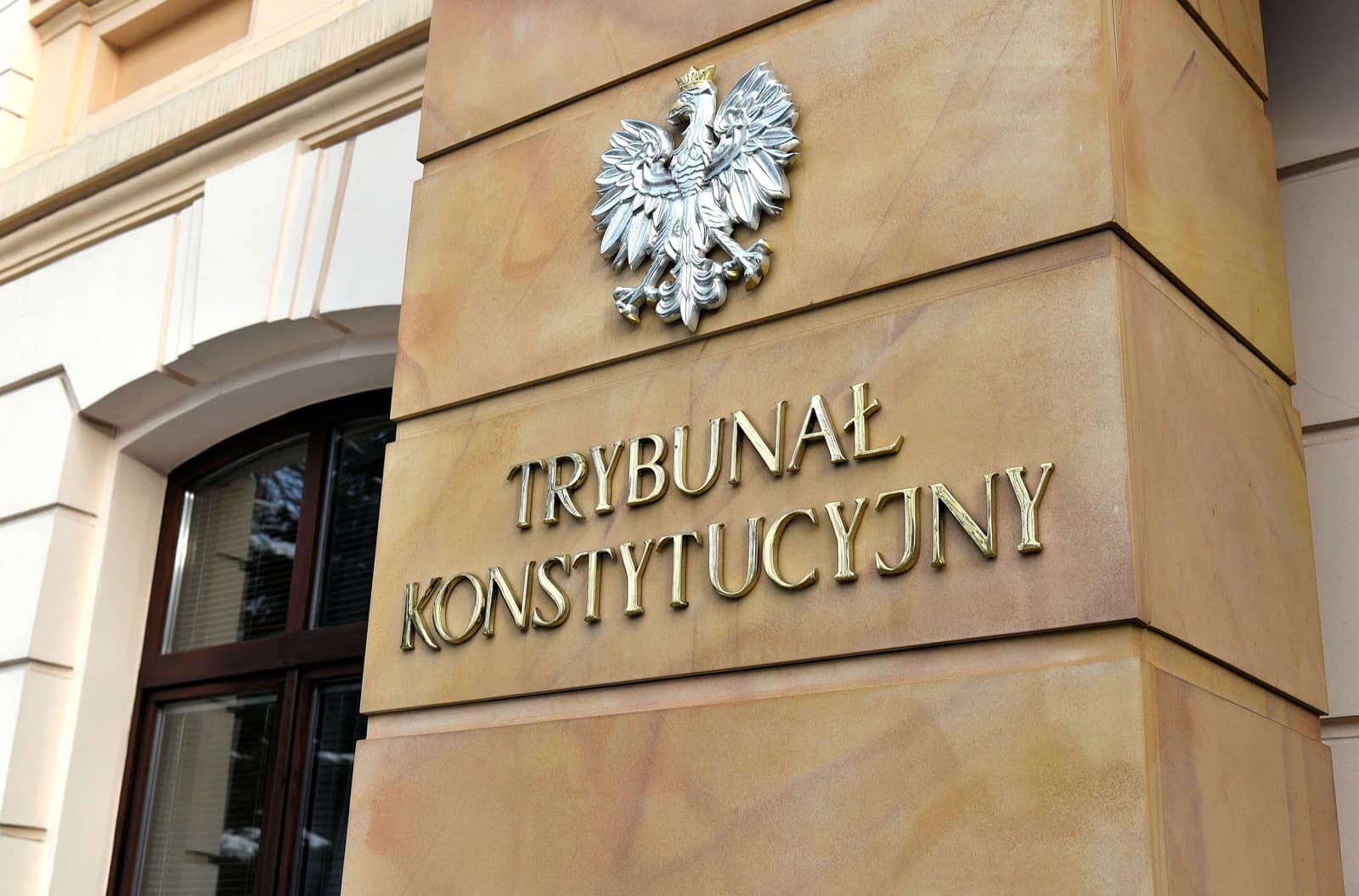
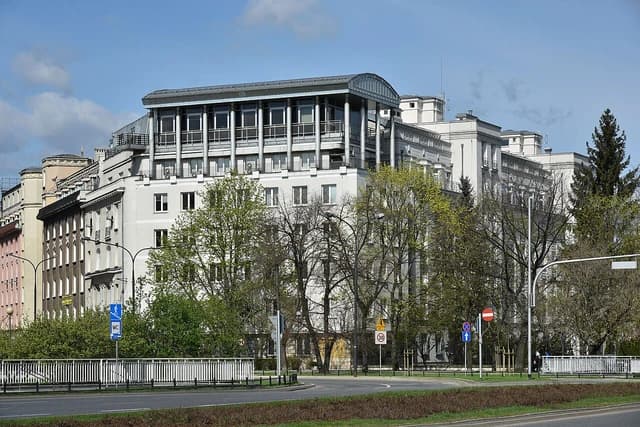
The immediate flashpoint is the Constitutional Tribunal, where five judges chosen by the current parliamentary majority moved to suspend the court’s president and deputy and install Anna Korwin-Piotrowska as acting head, only to be rejected by the sitting leadership. Police were deployed, protesters gathered outside the Warsaw building and President Karol Nawrocki cut short a trip to Senegal to intervene in person, underscoring how far the dispute has moved beyond legal argument into open institutional rupture.
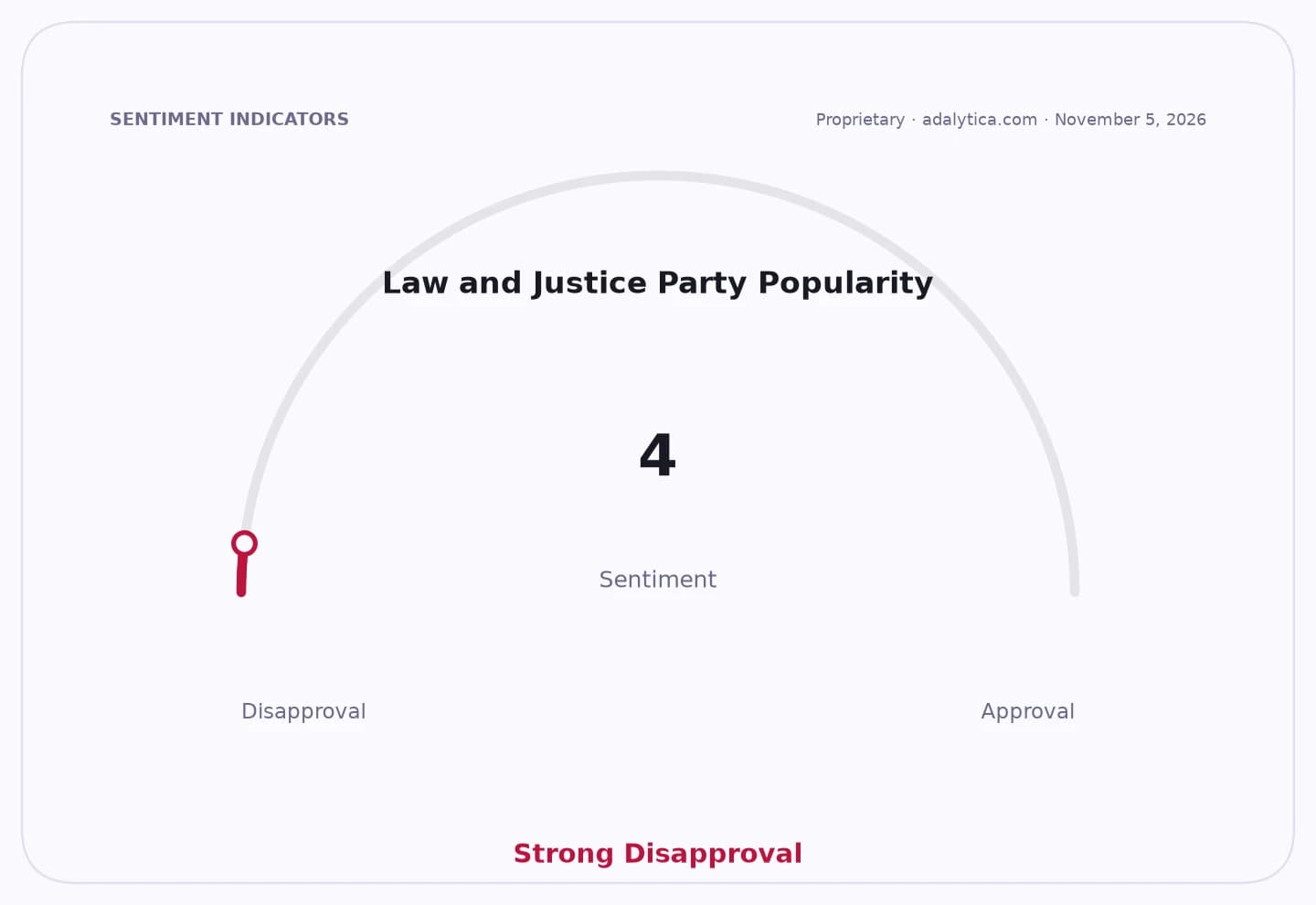
Sentiment Indicators
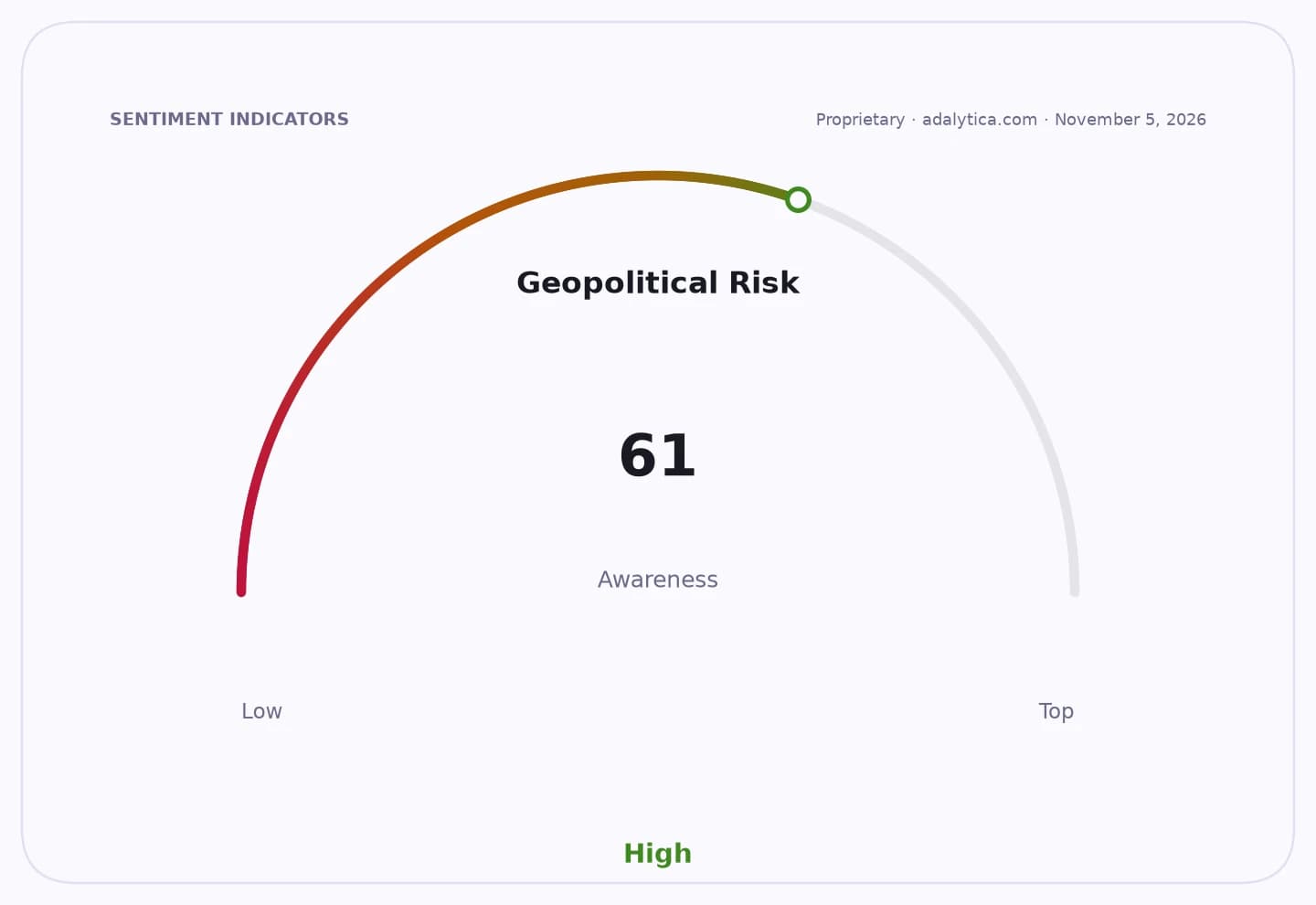
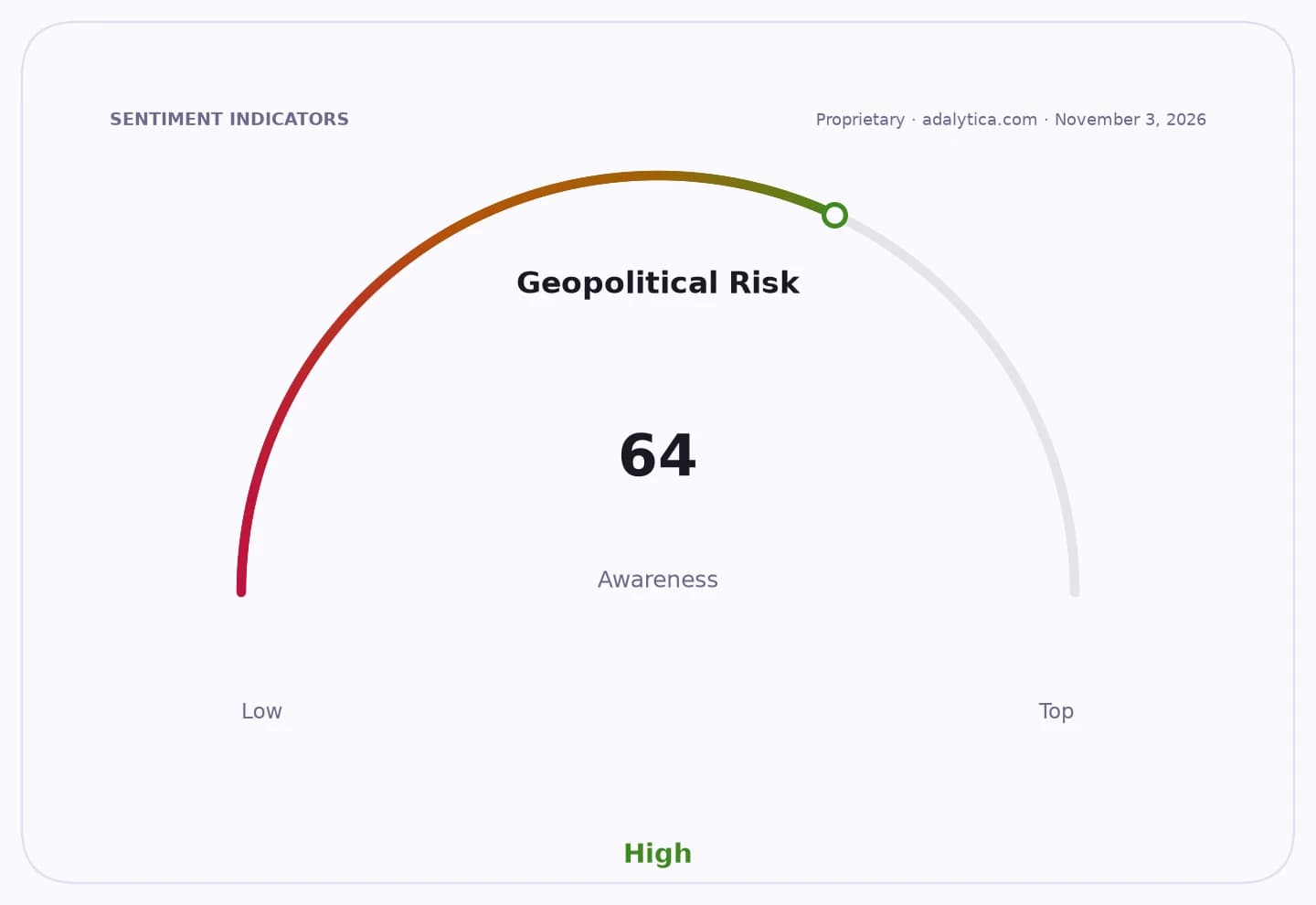
Geopolitical Risk
The battle is economically important because Poland’s courts do more than settle disputes: they determine whether legislation survives constitutional review, whether reforms can be implemented and whether the state can present a credible rule-of-law framework to Brussels. The Tribunal has been politicised since contested appointments in 2015 and subsequent judicial reforms under Law and Justice, but the current standoff raises a more severe risk — that there may no longer be a single institution whose rulings are broadly accepted. That weakens the state’s ability to govern, complicates investment decisions and keeps alive the prospect of renewed friction with the European Commission over democratic standards.
For investors, the issue is less about one weekend’s confrontation than about the discount it can impose on Polish assets. A functioning constitutional court is a backstop for property rights, regulatory stability and budget execution. A court split into rival camps increases the odds of legislative gridlock, delayed reforms and a recurrence of EU disputes that can affect access to recovery funds and the broader premium foreign investors demand to hold Polish risk. Poland’s market has already been sensitive to institutional credibility, and the latest episode comes as the country tries to position itself as a stable beneficiary of nearshoring, defense spending and stronger ties with the EU.
The political stakes are high for Prime Minister Donald Tusk, who has made restoring judicial independence a central promise since taking office in 2023. His government argues the Tribunal in its current form lacks legitimacy because of the PiS-era appointments, and the European Commission backed parliament’s authority to appoint judges. But President Nawrocki and PiS say Tusk is trying to seize control unlawfully. That leaves both sides claiming to defend constitutional order while deepening the perception that no side can yet impose a durable settlement.
The timing makes the clash more consequential. With parliamentary elections due in 2027, the court dispute is becoming a proxy battle over the political system itself. The fact that even parties at opposite ends of the spectrum are discussing a constitutional reset shows how severe the breakdown has become. But that kind of reset would require cross-party agreement that is not yet in sight, and any attempt to force a solution through the existing institutions is likely to prolong the crisis before it resolves it.
For now, the most important market message is that institutional risk in Poland has not receded with the change of government. It has shifted shape. Unless Warsaw can establish which judges are legitimately empowered to sit, rule and budget, the country will remain vulnerable to legal uncertainty, policy delays and renewed scrutiny from European institutions.
| Entity | Gains | Losses |
|---|---|---|
| Tusk government | ▲Chance to restore court legitimacy | ▼Accusations of overreach |
| Nawrocki/PiS | ▲Political mobilization | ▼Blame for institutional chaos |
| EU institutions | ▲Leverage over rule-of-law standards | ▼Another prolonged conflict |
| Investors in Poland | ▲Potential long-term reform if reset succeeds | ▼Higher legal and political risk |