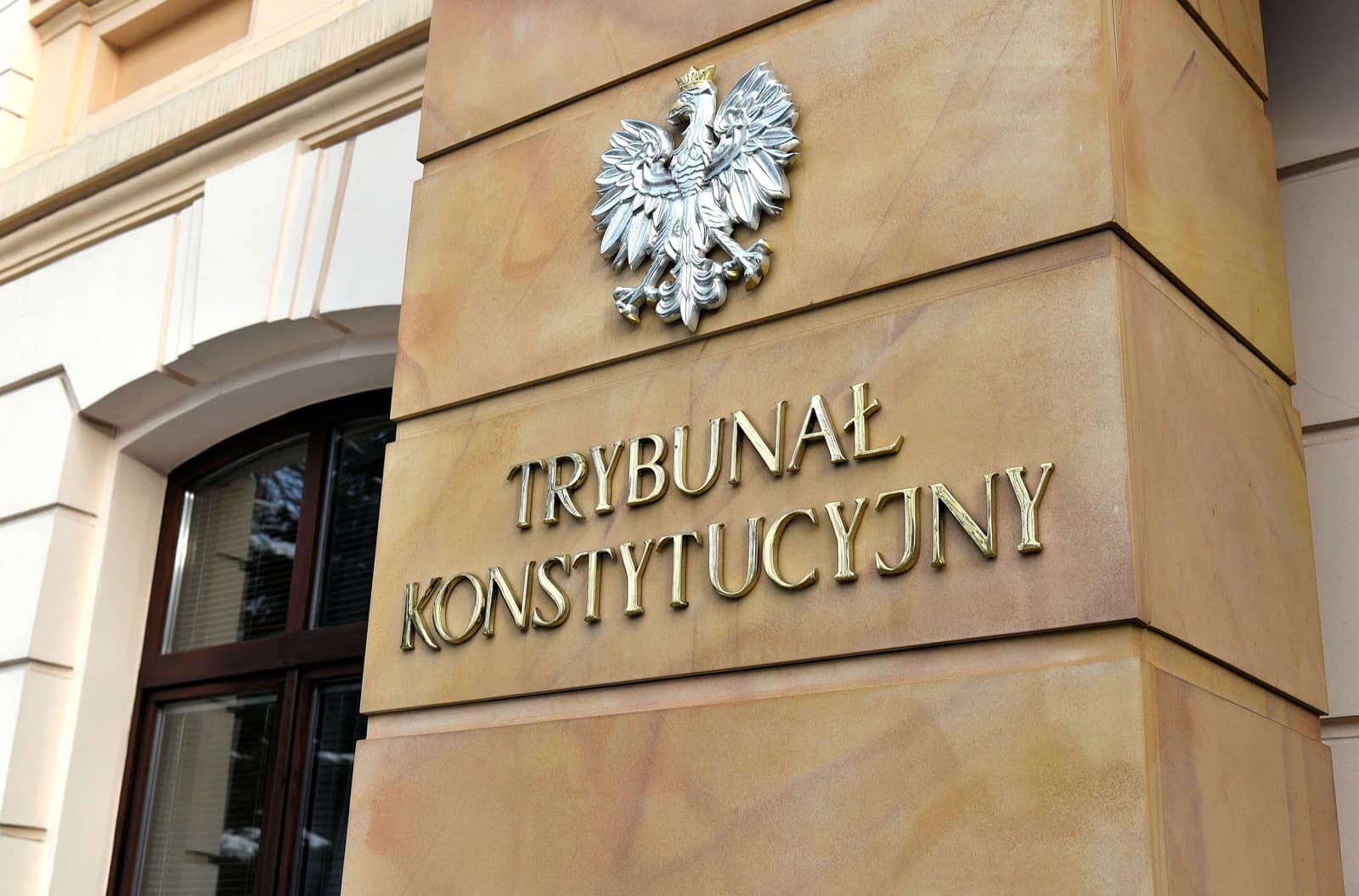
Poland’s residence-permit system has turned into a long-duration bottleneck that is leaving migrants in legal limbo, slowing business activity and adding political pressure ahead of the 2027 election.
Poland residence permit delays hit migrants and business
Law and Justice Party Popularity
What began as an emergency wartime measure after Russia’s invasion of Ukraine has become the legal cover for years of administrative delay. Article 100d of Poland’s special assistance law suspends deadlines in residence proceedings until March 4, 2027, effectively allowing authorities to avoid formal breach of timing rules even when cases drag on for months or years. That matters economically because residence papers are not a bureaucratic footnote: they determine whether migrants can open bank accounts, run companies, travel, pay bills and stay employed with confidence. In a labor market still dependent on foreign workers, that uncertainty is a drag on productivity and investment.
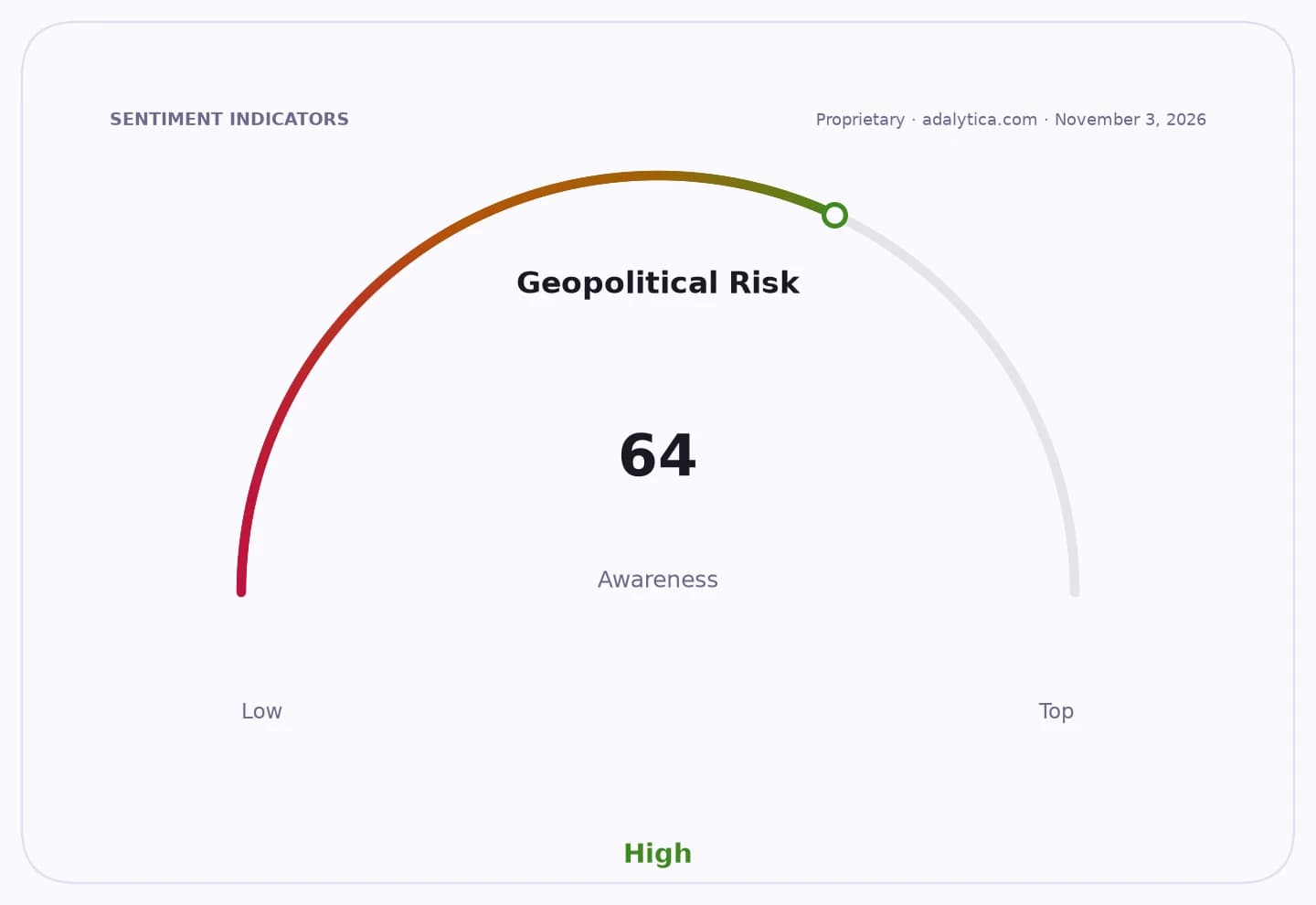
Sentiment Indicators
The scale of the problem is now hard to dismiss. Since April 2022, the Ombudsman’s office has received 1,161 complaints tied to residence legalization, and authorities in Mazovia said their foreigners’ department was handling more than 200,000 cases, with roughly 3,500 per employee. Migrant campaigners say the wait is now measured in years, not months, while courts have already signaled discomfort with the legal suspension. The Supreme Administrative Court refused in May 2025 to apply the provision to the period after June 2024, saying it conflicted with the constitutional right to a fair hearing, and the Interior Ministry later told the Ombudsman that similar court decisions were likely, even as it kept the rule in force.
For investors, the story is bigger than a Polish administrative dispute. Poland has built itself into one of Europe’s more important labor and manufacturing hubs, and foreign workers are part of that model. When residence permits are delayed, employers face churn, banks tighten access, entrepreneurs lose operating continuity and cross-border mobility becomes harder. That creates friction in sectors that rely on migrant labor, from services to logistics and IT, while reinforcing the case for digital processing, automation and outsourced compliance tools. The market may not price this as a direct earnings event, but it is a structural efficiency problem that can reshape where capital, talent and small-business formation flow.
There is also a political premium here. Migration is becoming more contentious as Poland heads toward the 2027 parliamentary election, and campaigners argue the delays are eroding trust in institutions among people who already live, work and pay taxes in the country. That could sharpen the divide between parties pushing stricter border and migration policies and those arguing for a more functional system. The broader European angle is clear: as labor shortages persist and migration remains politically combustible, states that can process residency quickly will attract capital and talent; those that cannot will increasingly tax their own growth.
The next catalyst is likely to come from the courts, parliament or a forced administrative fix. Until then, the key investment takeaway is that Poland’s immigration backlog is not just a rights issue — it is a competitiveness issue, and the market is still underestimating how much bureaucratic dysfunction can act like a hidden tax on growth.
| Entity | Gains | Losses |
|---|---|---|
| Employers using foreign labor | ▲Greater pressure for reform | ▼Staffing continuity |
| Banks and compliance vendors | ▲More demand for verification tools | ▼Slow, manual onboarding |
| Migrants and small businesses | ▲Potential legal relief if rules change | ▼Mobility and operating access |
| Polish state bureaucracy | ▲Short-term administrative cover | ▼Credibility and efficiency |