Poland’s bid to secure a permanent American base is moving from national strategy to local competition, with Leszno the latest Greater Poland city openly pitching itself for a piece of the U.S. military footprint that Warsaw wants to turn from rotational presence into something far more durable.
Poland Leszno bids for permanent US base
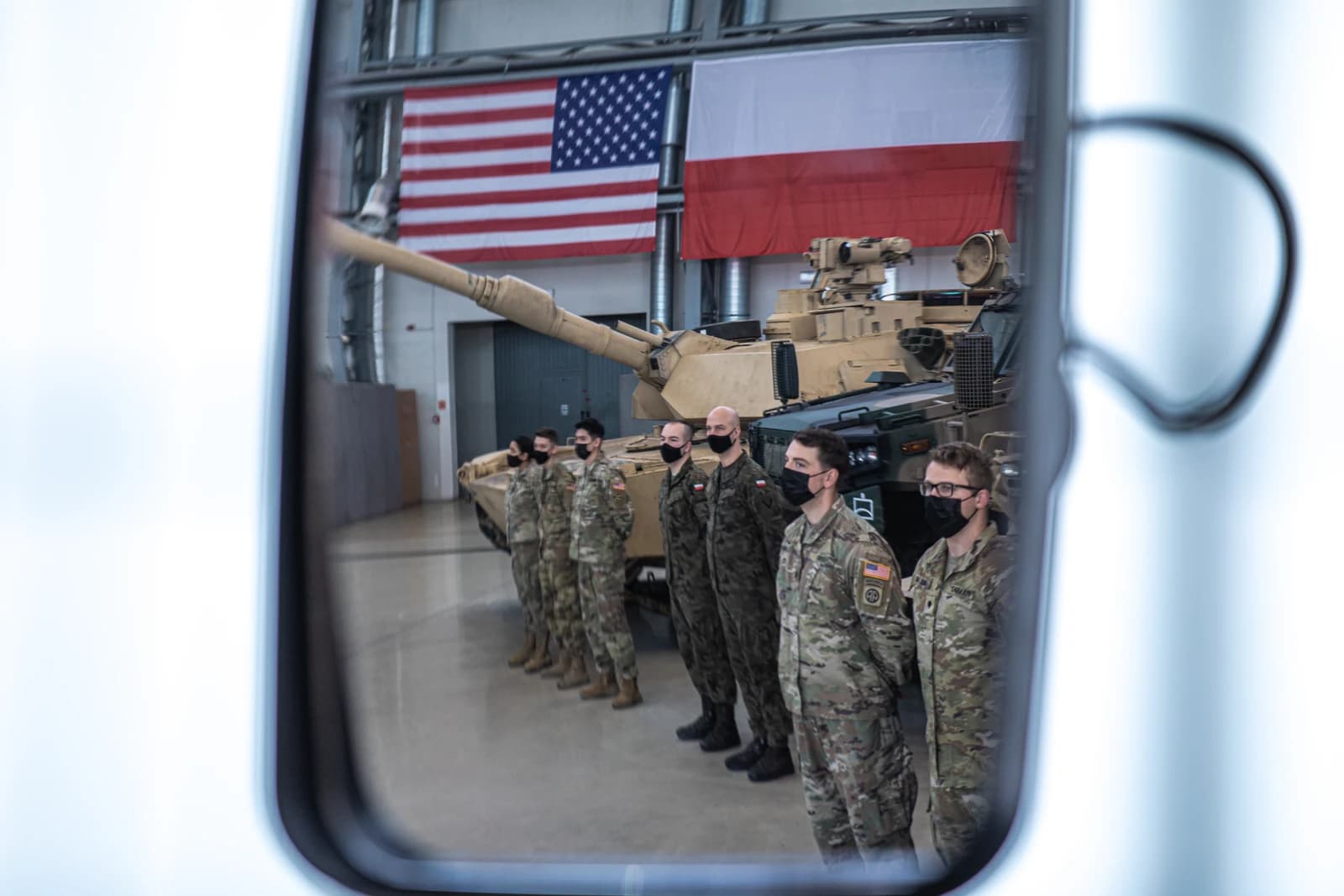
That matters because a permanent U.S. base would deepen NATO’s eastern flank, lock in long-term allied spending and create a new pocket of infrastructure demand in western Poland. It would also signal that Poland is not just asking for more troops, but for the kind of fixed American commitment that reshapes logistics, housing, construction and regional supply chains for years.
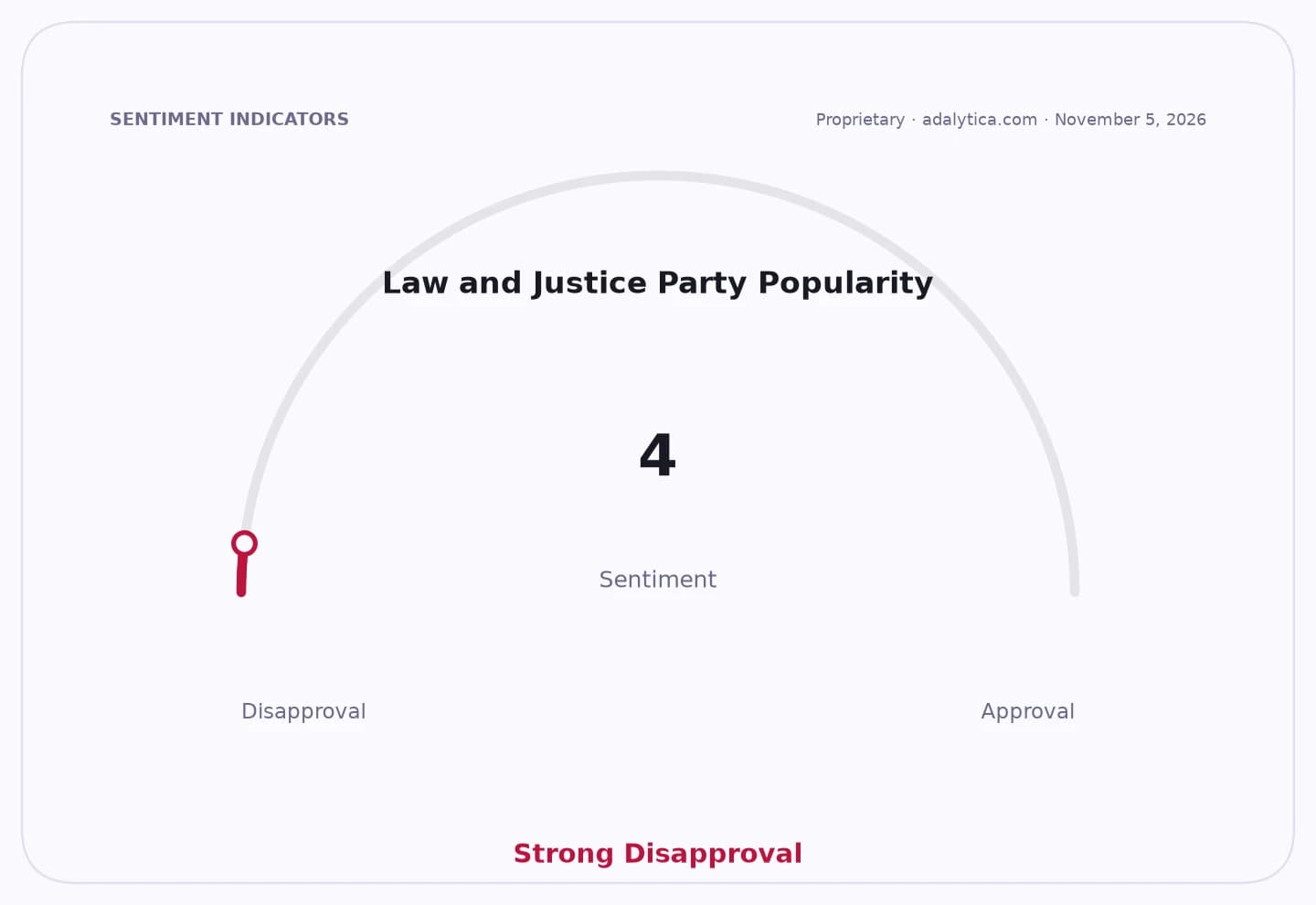
Sentiment Indicators

Leszno mayor Grzegorz Rusiecki has asked Deputy Prime Minister and Defense Minister Władysław Kosiniak-Kamysz to consider the city for expanded military infrastructure in Wyciążków, arguing that its location between Poznań and Wrocław, its airport and available land make it a practical candidate. He also pointed to potential housing for Polish and American soldiers, underscoring that the real economic prize is not only the base itself, but the ecosystem around it.
The timing is not accidental. Poland is seeking a permanent U.S. presence rather than a rotating deployment, which would require far more than barracks and runways. It would mean family housing, service facilities, transport links and a steady flow of public and private capital into the host region. For investors, that opens up a classic defense-and-infrastructure trade: construction, logistics, real estate, utilities and local contractors are the likely first-order beneficiaries.
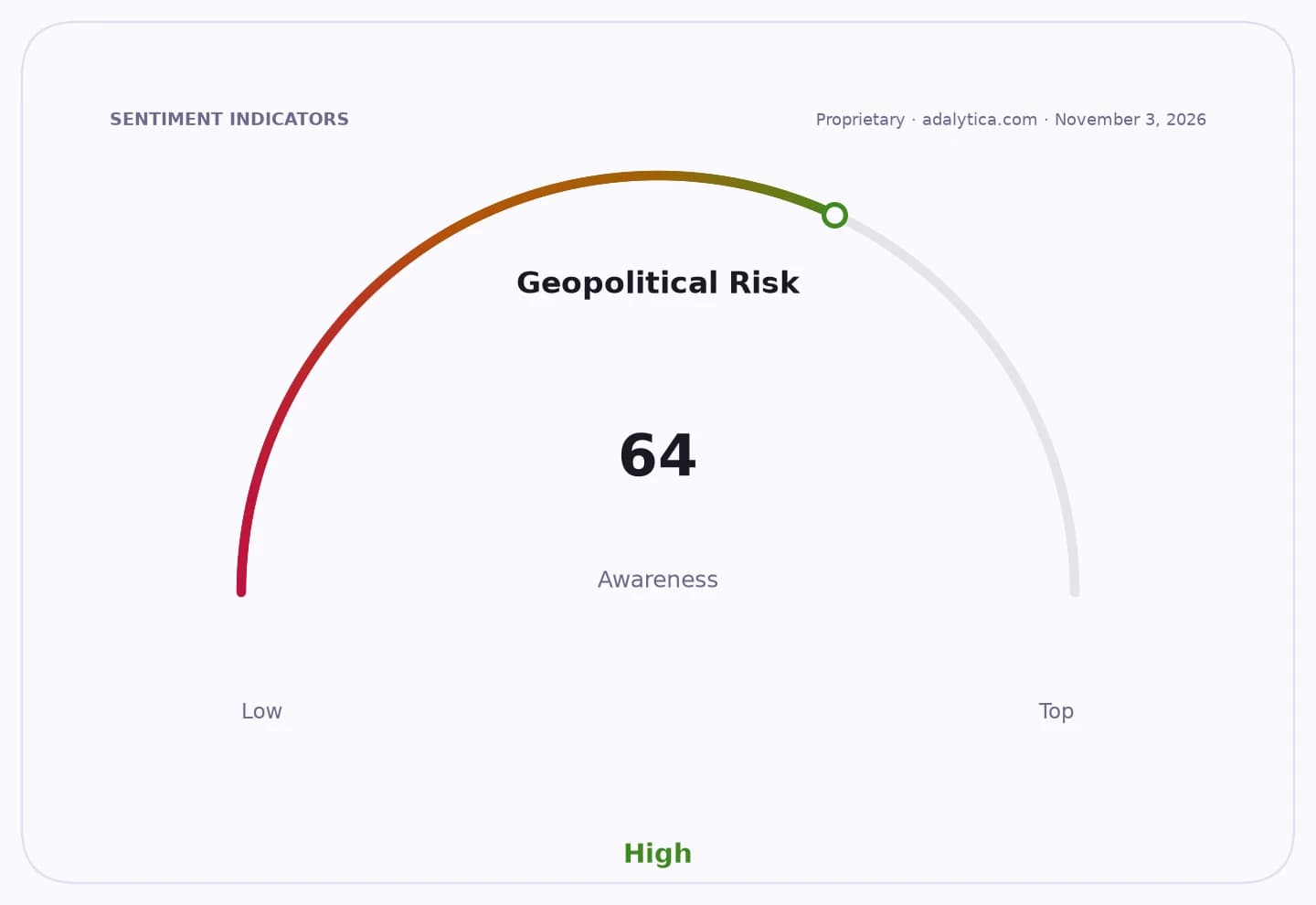
Geopolitical Risk
The geopolitical backdrop is getting sharper, not softer. Poland has just expanded security measures near Kaliningrad after foiling a suspected provocation, a reminder that the country sits on NATO’s front line. Against that backdrop, the local scramble to host a U.S. base is as much about deterrence as it is about economics, and the two are now inseparable. Cities are effectively competing to become strategic assets, and that competition itself is a signal that the allied footprint in Poland is expected to grow.
The final decision is due in December and will be made by the Americans, which means the market is still early. If Washington does choose a new permanent site, the winner will not just gain prestige; it will gain a multi-year capex cycle and a structural demand shock. The opportunity is in the second-order effects, where investors should look for Polish infrastructure, defense suppliers and regional real estate exposure before the consensus prices in the shift.
| Entity | Gains | Losses |
|---|---|---|
| Leszno and Greater Poland | ▲Base-linked investment | ▼Missed if bypassed |
| U.S. and NATO forces | ▲Stronger eastern flank | ▼Higher deployment costs |
| Local builders and landlords | ▲Housing and construction demand | ▼Limited if no selection |
| Rival candidate cities | ▲Visibility boost | ▼Lower odds of winning the base |