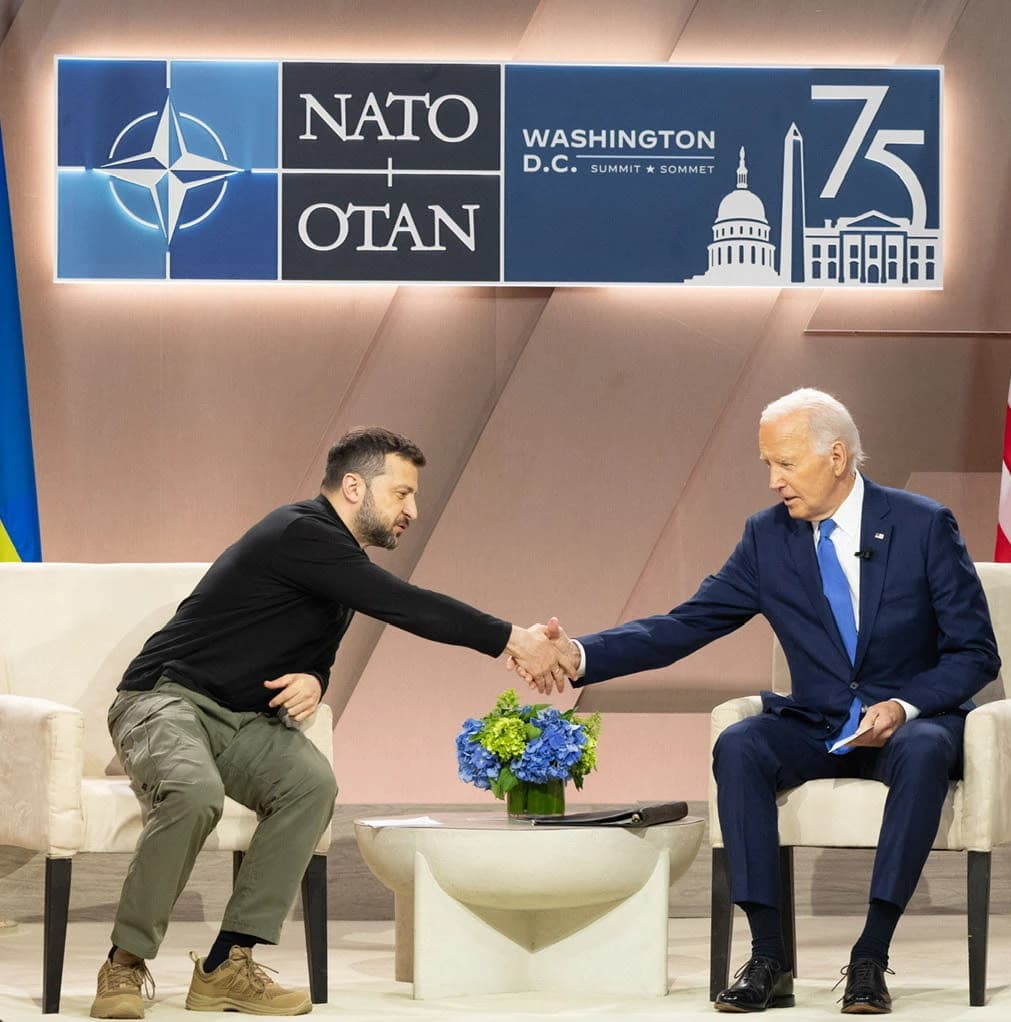
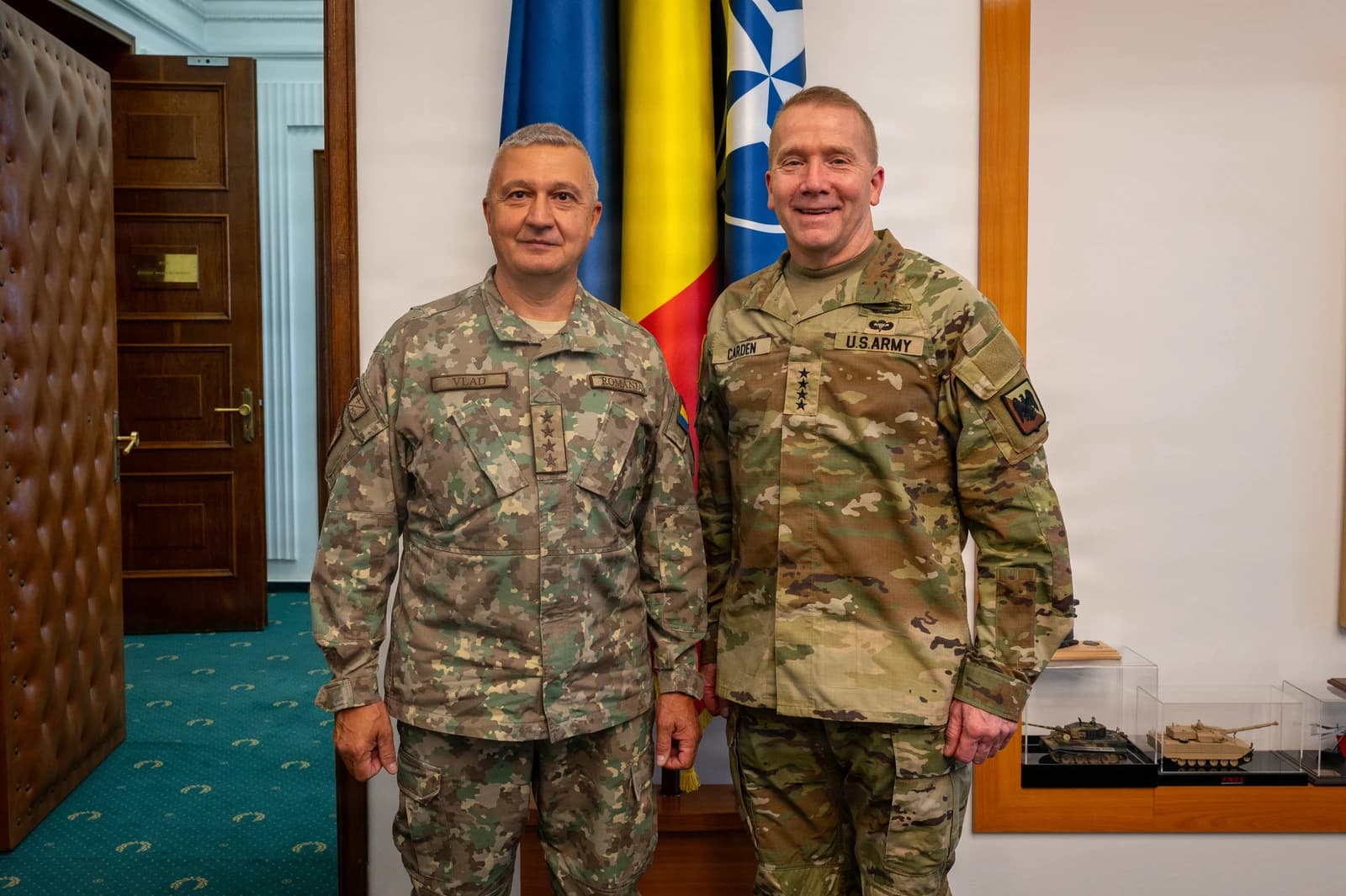
More Poles think a permanent U.S. military base will be built in Poland than do not, underscoring how deeply security concerns remain embedded in Europe’s eastern flank as the war-driven defense order reshapes the country’s strategic calculus.
Poland Poll Shows Support for U.S. Base
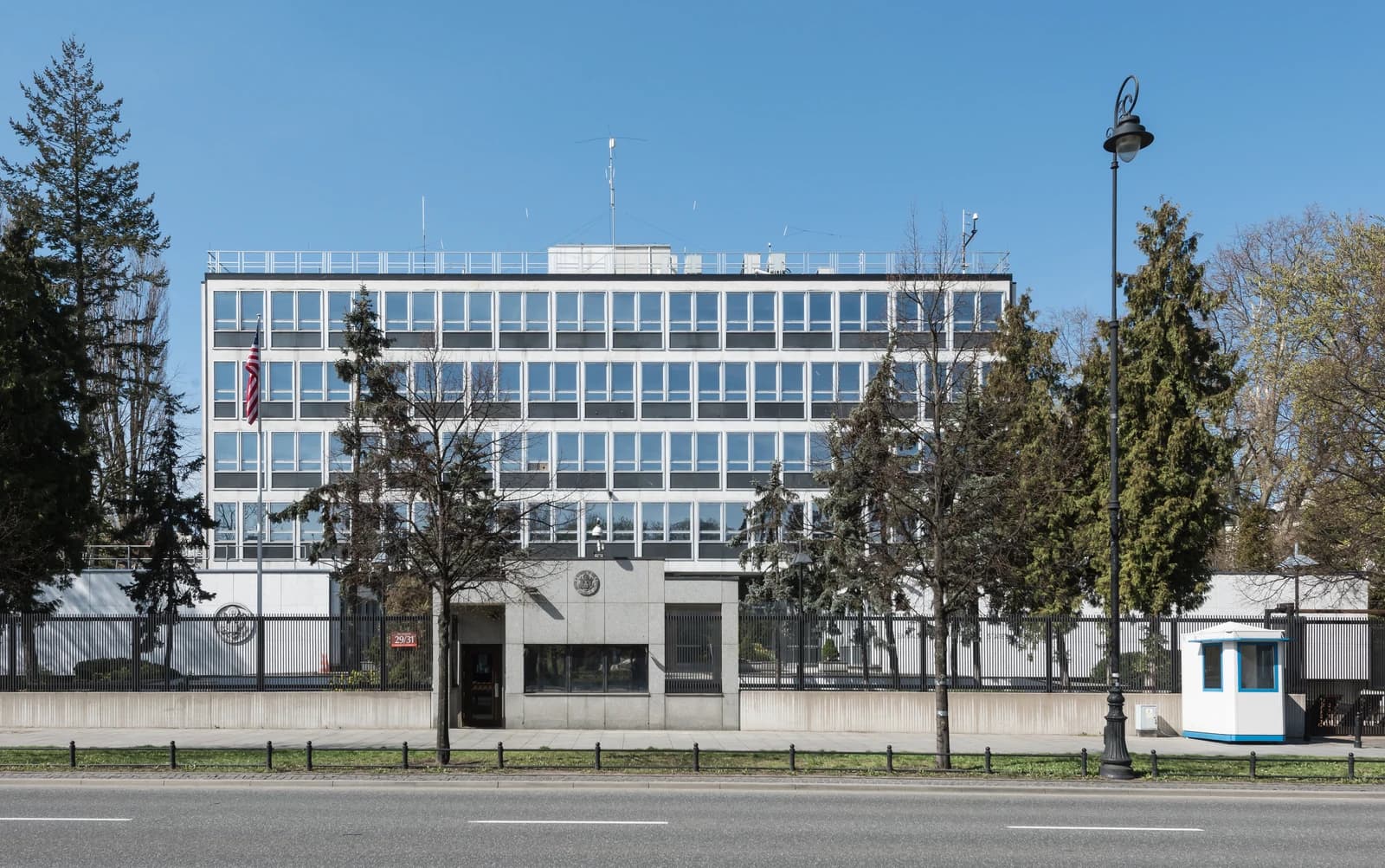
In the SW Research poll commissioned by Onet, 43% of respondents said they believe a permanent American base will be established in Poland, while 23.1% were skeptical and 33.8% had no opinion. The result suggests public support for a bigger and more enduring U.S. military footprint remains sizable, even if far from unanimous.
Sentiment Indicators
That matters economically because a stronger U.S. presence would reinforce Poland’s position as one of NATO’s most strategically important frontline states, potentially supporting defense spending, infrastructure investment and long-term procurement tied to alliance commitments. For Warsaw, the issue is also political: any permanent base would signal deeper U.S. engagement in a region still shaped by Russia’s military posture.
The survey found men were slightly more likely than women to expect such a base, at 45.9% versus 40.3%. Confidence was highest among people aged 35 to 49, where half of respondents said they believe the base will be built.
For investors, the broader relevance lies in Poland’s role as a beneficiary of the security premium in Central and Eastern Europe. A more entrenched U.S. military presence would support the case for continued defense-related spending, logistics infrastructure and allied procurement, while reducing tail-risk perceptions around the region.
The poll, conducted on Oct. 20-21 among 801 adults, captures sentiment rather than policy. The next catalyst is whether Washington and Warsaw move from strategic signaling to concrete decisions on force posture, facilities and funding.
| Entity | Gains | Losses |
|---|---|---|
| Poland | ▲Security credibility | ▼Uncertainty over policy |
| U.S. military presence | ▲Strategic reach | ▼Higher operating costs |
| Defense contractors | ▲Procurement demand | ▼Delay risk |
| Skeptics of escalation | ▲Status quo stability | ▼Less deterrence upside |