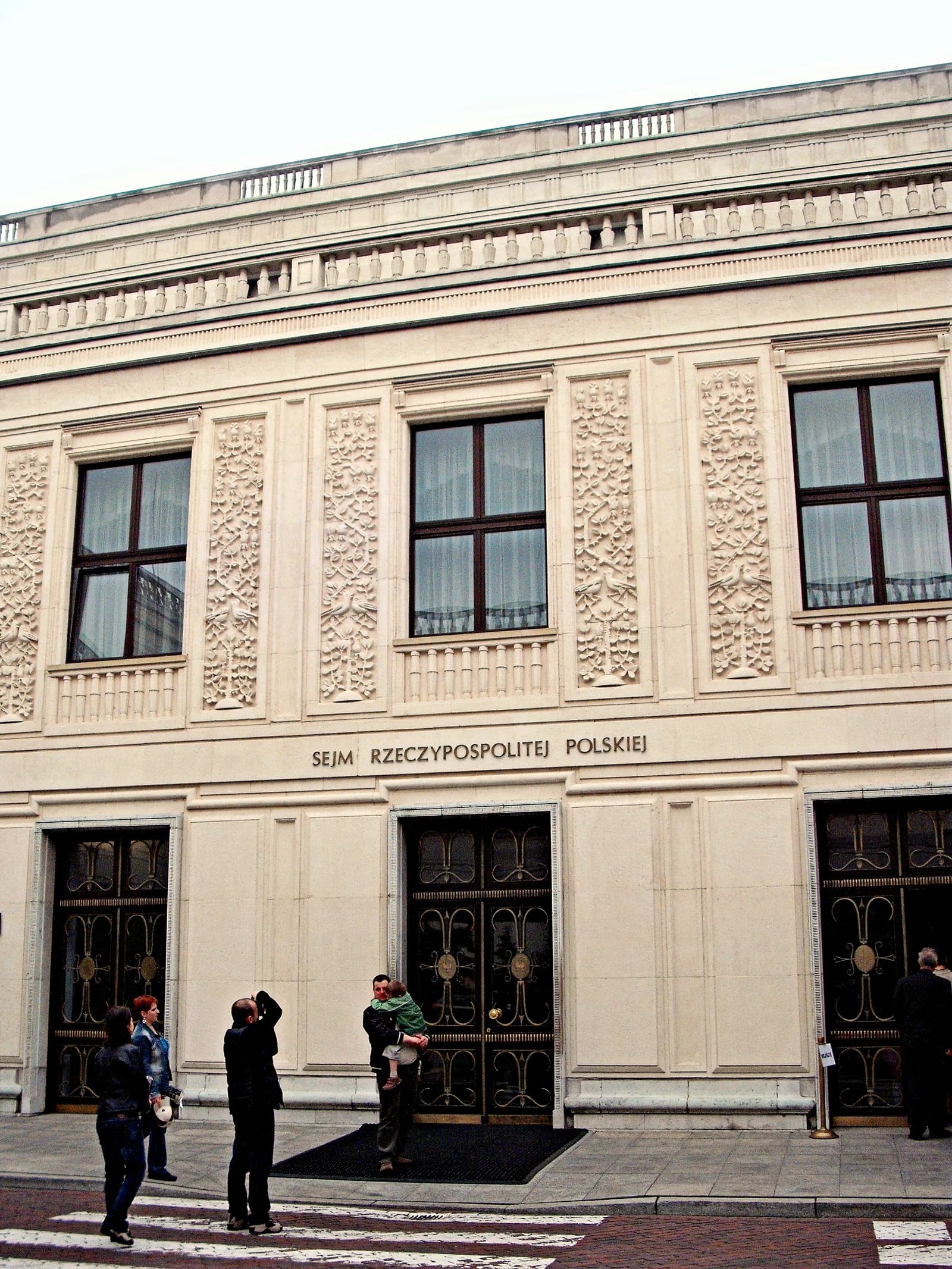
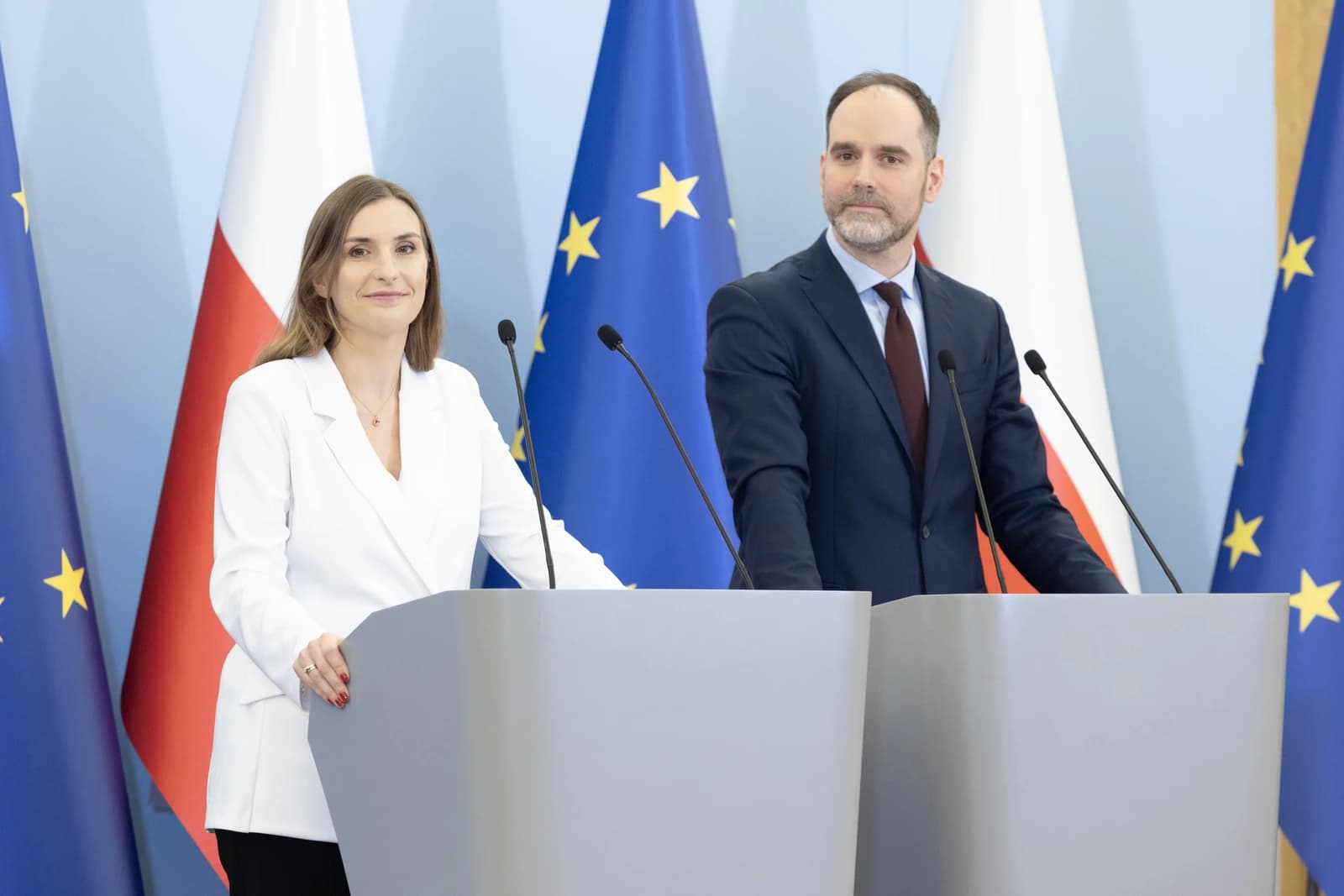
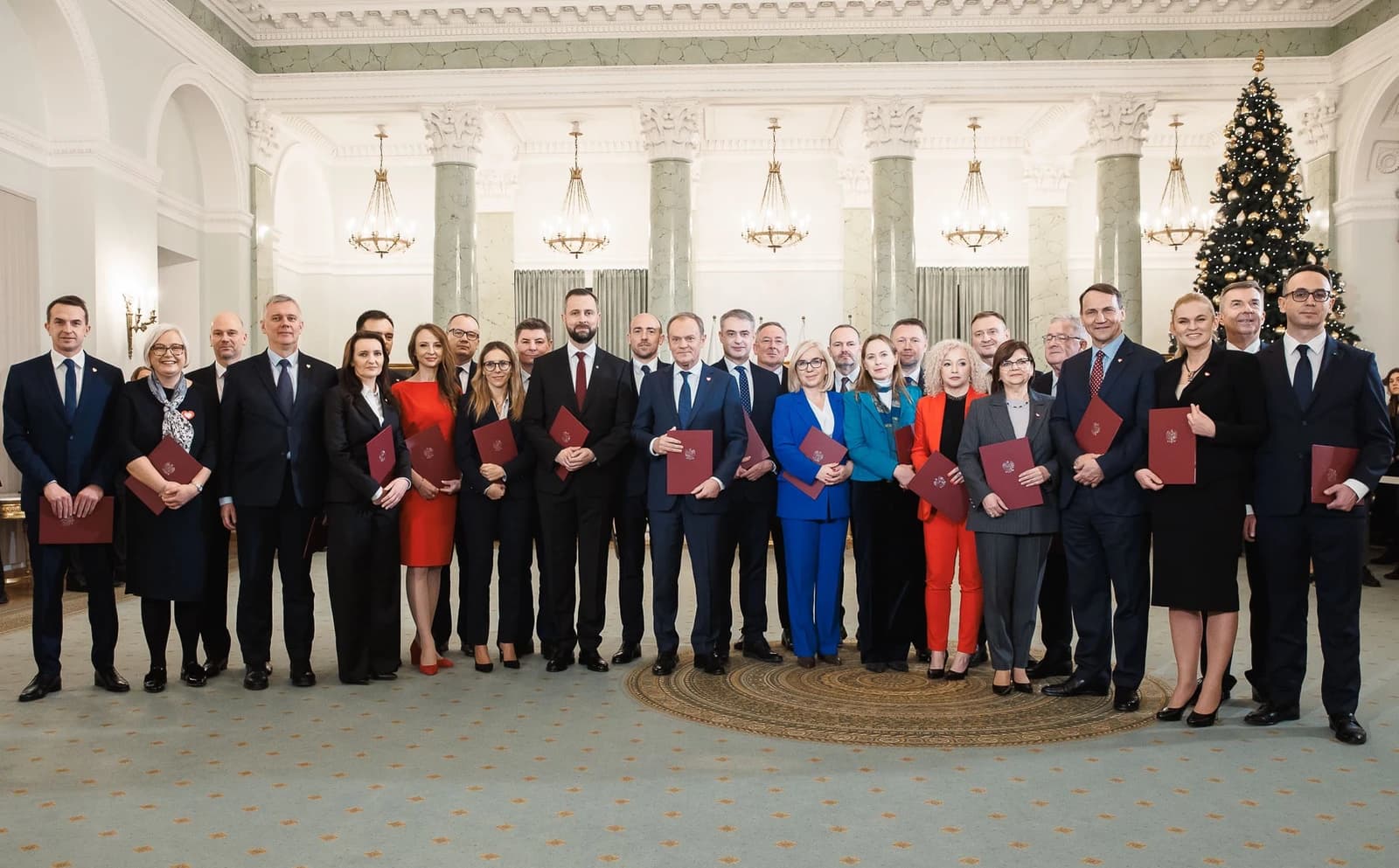
Poland’s institutional standoff is turning into a market risk, with the clash between President Karol Nawrocki and Prime Minister Donald Tusk over the Constitutional Court threatening to erode confidence in a country that has been one of Europe’s faster-growing and more investable stories.
Poland Constitutional Standoff Hits EPOL, Zloty
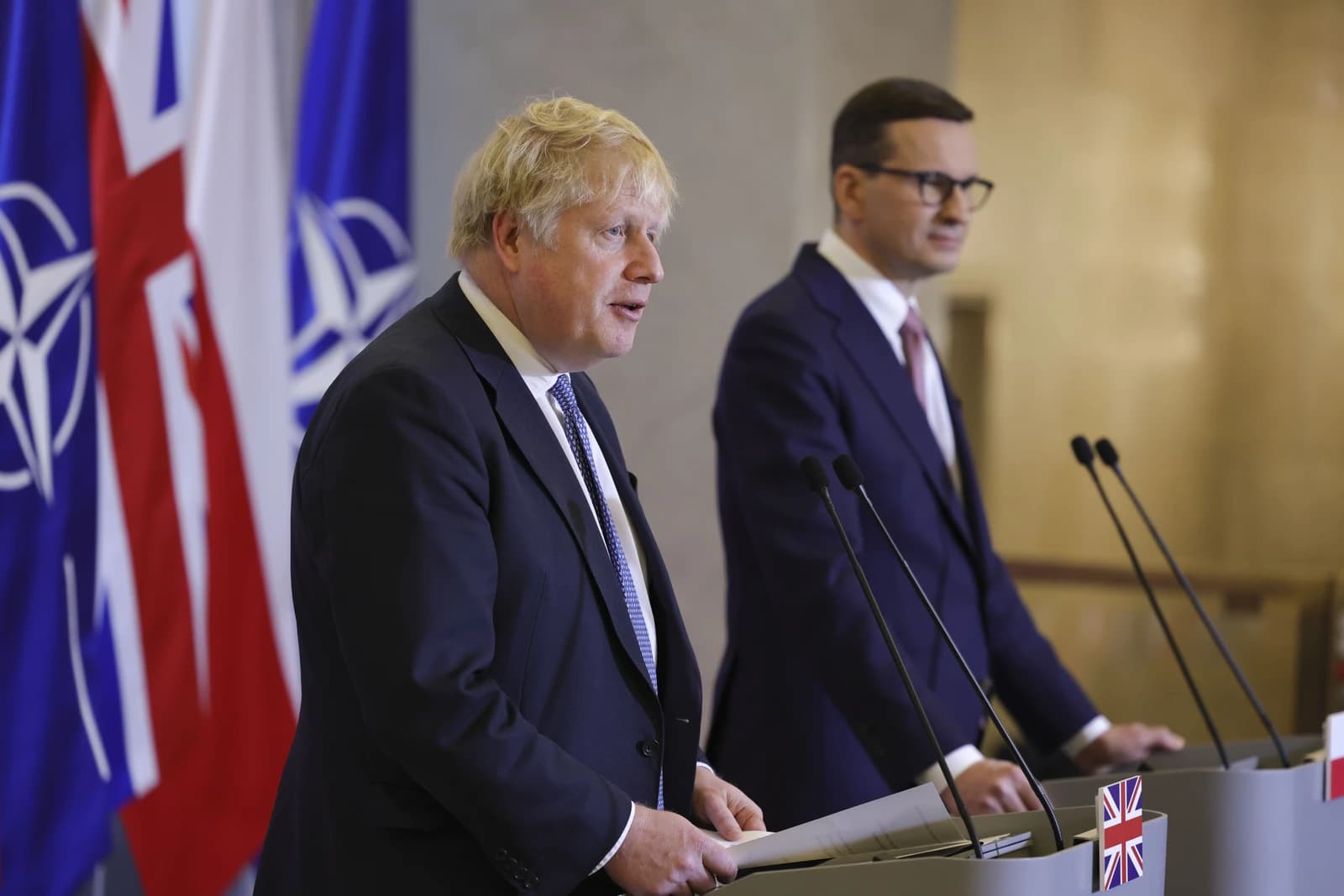
The immediate danger is not just political embarrassment in Warsaw. It is the possibility that a prolonged power struggle around the court, backed by protests and a police presence outside the building, feeds into a broader loss of policy credibility at a time when investors are already parsing Europe through the lens of weak growth, sticky rates and geopolitical stress. For Poland, a market that leans heavily on foreign capital and regional risk appetite, the rule-of-law premium matters.
Sentiment Indicators
That is why the story matters for the zloty, local government bonds and Poland-focused equities. Even a domestic constitutional fight can translate quickly into a higher risk premium if investors conclude that institutions are becoming less predictable. A country seen as stable and reform-oriented can absorb fiscal and political noise; one in open institutional conflict can’t do that as easily. When confidence slips, funding costs rise, portfolio flows slow and the discount applied to Polish assets widens.
The market backdrop makes that especially relevant now. The 10-year U.S. Treasury yield has pushed back to around 5%, keeping global borrowing conditions tight and leaving less room for idiosyncratic country risk to be ignored. In Europe, the euro is flashing extreme greed in Adalytica’s trade signals, which suggests positioning is stretched and vulnerable to any negative surprise from the region. Poland does not need a full-blown crisis to feel the impact; it only needs a prolonged one.
EPOL, the iShares MSCI Poland ETF, shows the market is still treating the country as a recoverable growth story rather than a broken one. The fund was trading at $43.40 on Oct. 30, above its 200-day moving average of $40.23, but still below its recent highs and slipping from a short-term peak near $45.08. Its 50-day moving average at $44.37 sits almost exactly on top of the latest close, which tells you this is a market waiting for confirmation rather than conviction. A fresh political shock could easily tilt that balance.
The bigger investment question is whether this crisis becomes a temporary headline or a persistent discount. If Nawrocki and Tusk find a way to de-escalate, Poland’s growth story can reassert itself and investors may look through the noise. If they don’t, the country risks paying up in the form of weaker currency support, more volatile bond demand and lower multiples for domestically exposed assets.
For investors, the asymmetric trade is clear: stay selective on Poland until the institutional fight stops escalating, and favor exporters or firms with hard-currency revenue over assets most exposed to local political friction. The longer this standoff drags on, the more it looks like a buying opportunity for the country only after stability returns, not before.
| Entity | Gains | Losses |
|---|---|---|
| Polish exporters | ▲Weaker zloty support | ▼Domestic-policy uncertainty |
| Foreign buyers of Polish assets | ▲Cheaper entry points | ▼Higher risk premium |
| EPOL bulls | ▲Stable institutional outcome | ▼Prolonged constitutional crisis |
| Polish bonds and the zloty | ▲De-escalation and restored confidence | ▼Political paralysis and capital outflows |