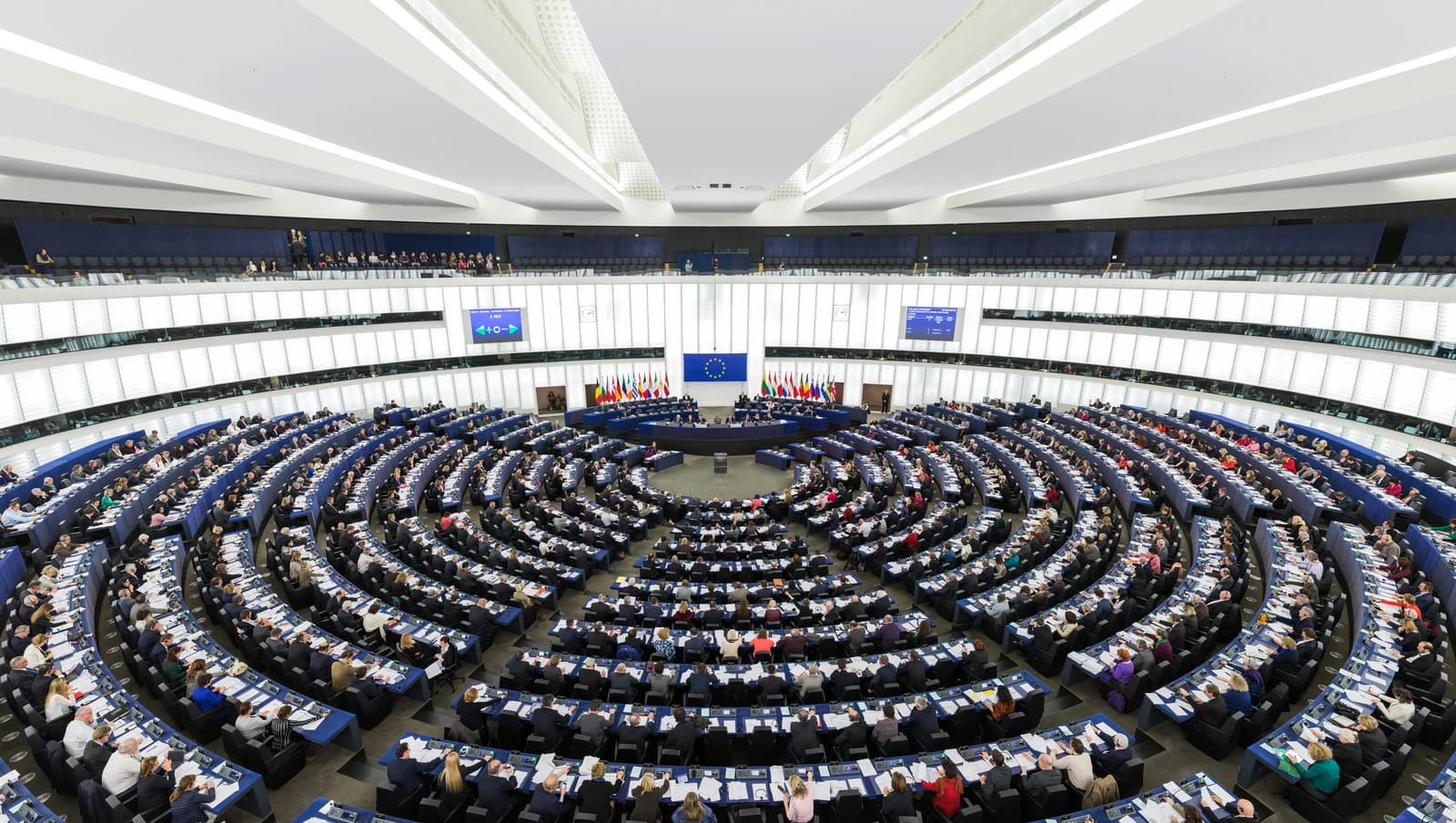
Poland’s latest constitutional showdown is becoming more than an institutional dispute: it is a test of whether the EU’s sixth-largest economy can still resolve political conflict without paralyzing the state or further alienating Brussels.
Poland court dispute raises political risk for assets
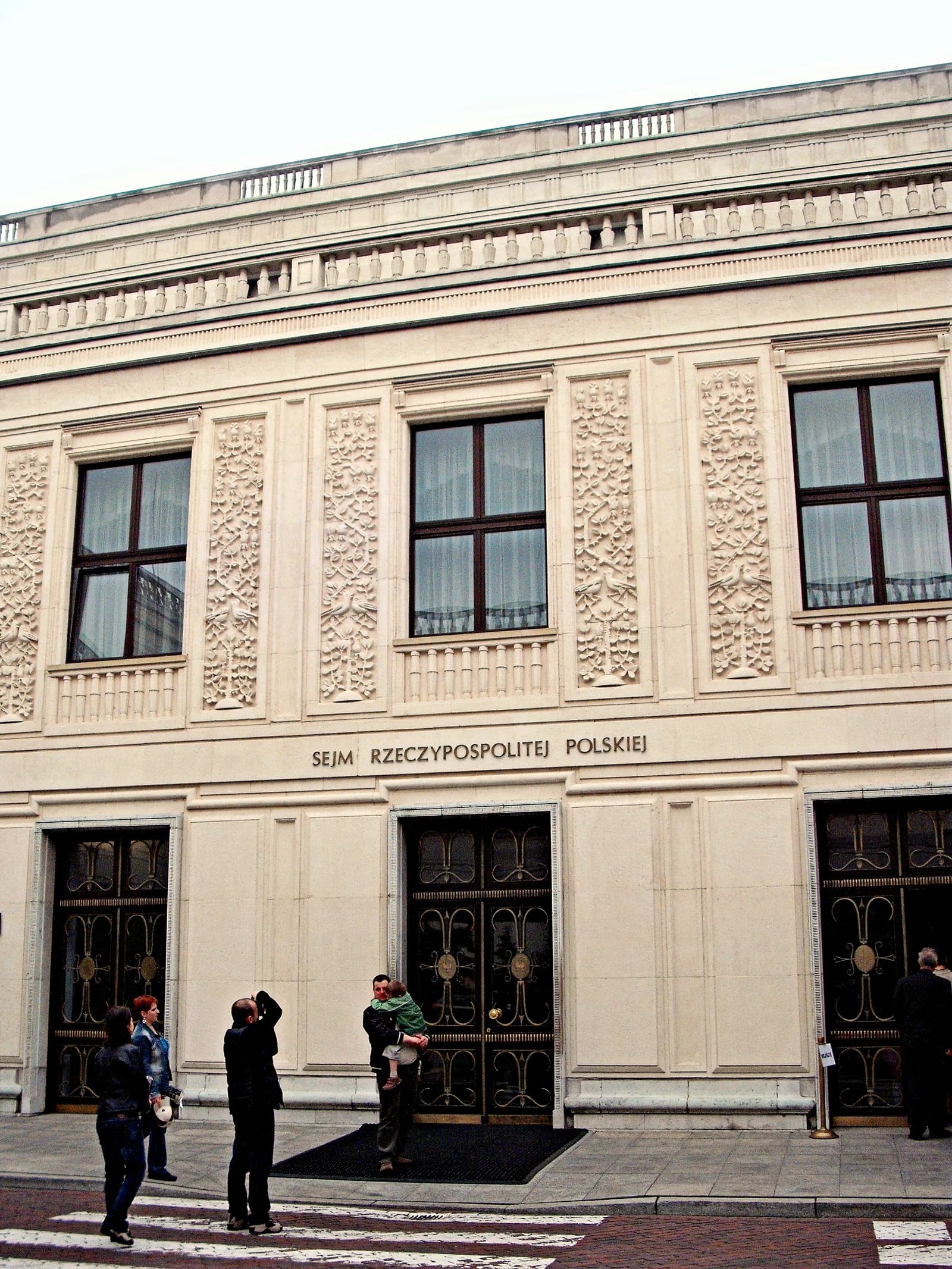
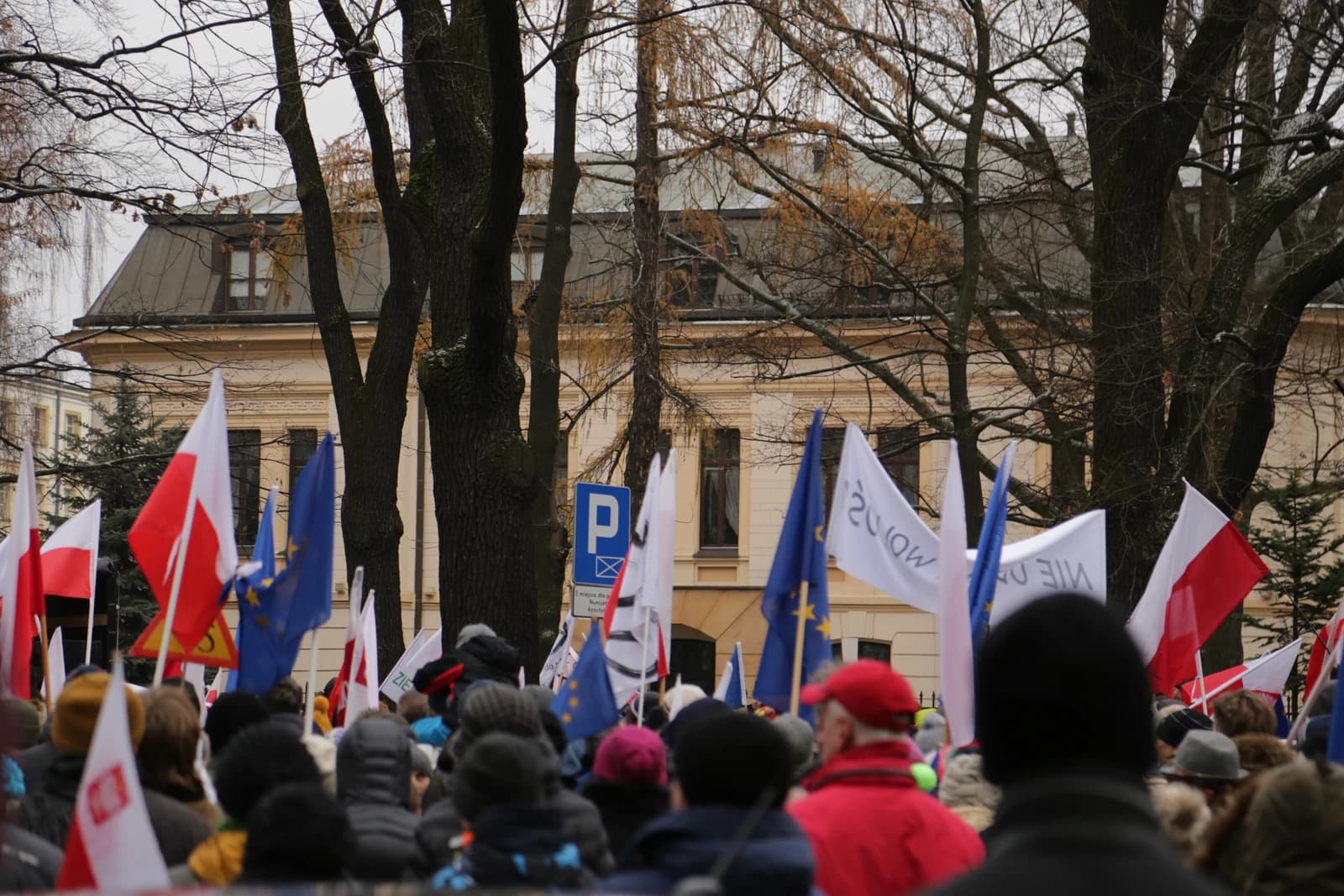
The crisis centers on the Constitutional Tribunal, where a long-running battle over judicial appointments has now spilled into the streets of Warsaw. Police in riot gear blocked access to the court, the justice minister moved to strip the tribunal’s president of immunity, and a newly appointed judge declared the chief suspended and took over in an acting capacity.
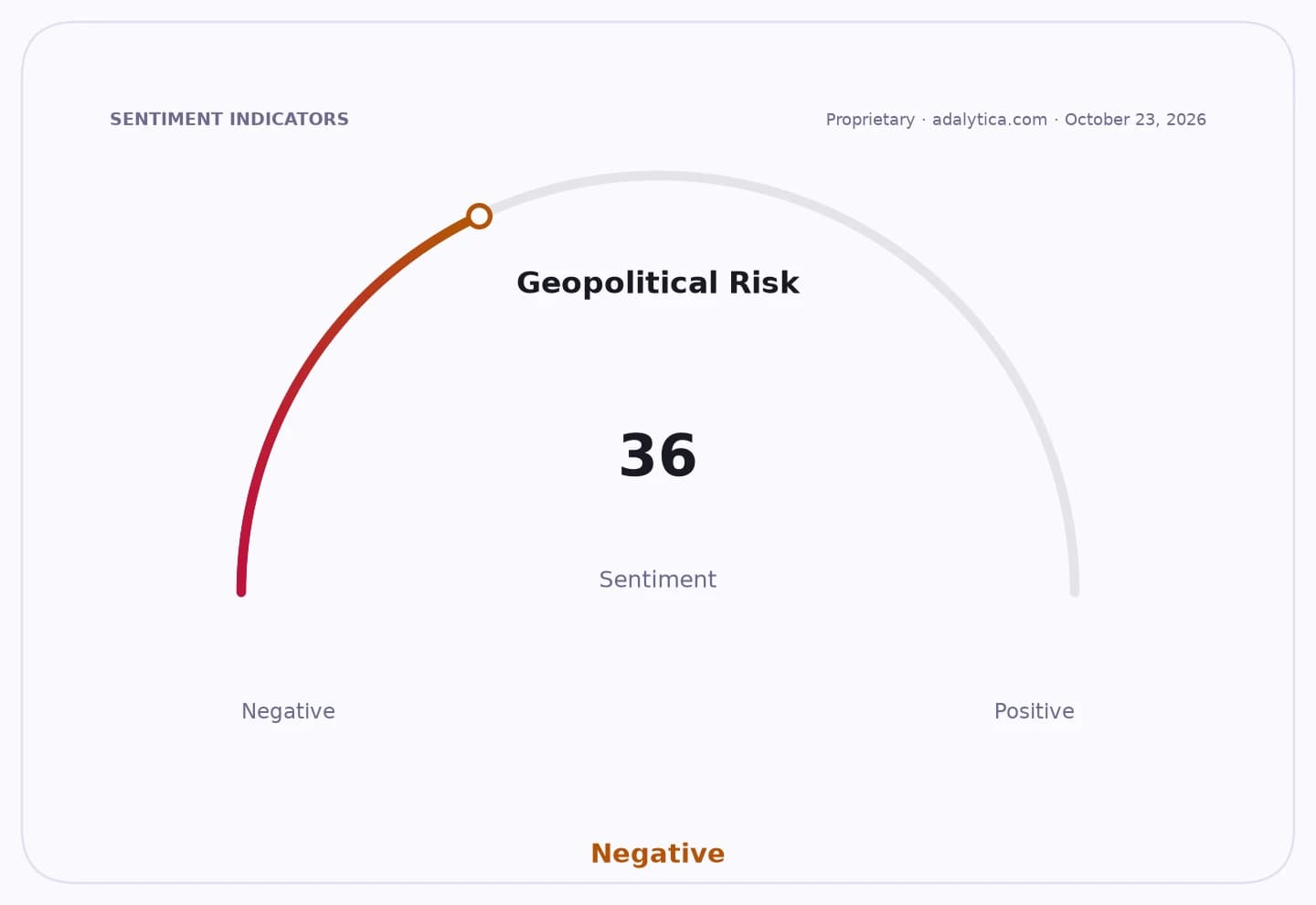
Sentiment Indicators
The escalation comes after years of political engineering around the court began in 2015, when both the then-ruling centrist majority and the incoming Law and Justice, or PiS, camp tried to install judges on favorable terms. The result has been a tribunal whose legitimacy has been repeatedly questioned by the European Commission and, later, by the EU’s top court.
That matters economically because judicial uncertainty raises the cost of governing and complicates everything from EU funding disputes to rule-of-law enforcement. For investors, the risk is not just headline volatility: it is that a prolonged constitutional fight could weaken policymaking, keep relations with Brussels tense and weigh on Polish assets already sensitive to institutional credibility.
Geopolitical Risk — 30-day sentimentadalytica.com
Explore this data interactively — full history, time series and cross-market comparisons.
The clash has intensified since Donald Tusk’s centrist coalition won power in 2023 pledging to restore legality at the court, only for nationalist historian Karol Nawrocki to win the presidency in 2025 and lock in an acrimonious cohabitation. A 2025 ruling by the Court of Justice of the EU said the tribunal, in its current composition, does not meet independence standards, while the Venice Commission later urged that new judges should be allowed to take office even without presidential swearing-in.
The political stakes are high because the next parliamentary election is due in November 2027, and both camps are already mobilizing. Poland’s right is fractured, with some PiS lawmakers defecting, while the broader nationalist bloc is courting voters to the right of PiS, making compromise even harder.
The unrest also reverberates beyond Warsaw. The confrontation has stirred fresh concern in Brussels, which has pressed Nawrocki to confirm the new judges, while the broader standoff feeds into wider European anxieties about democratic backsliding on the bloc’s eastern flank.
For markets, the immediate read-through is caution rather than panic. Poland remains a major emerging-market European economy, but persistent institutional conflict could keep risk premiums sticky and leave investors watching for any sign that the dispute spreads into budget politics, EU transfers or broader social unrest.
The next catalyst is whether Nawrocki and Tusk can agree on a legal off-ramp — or whether the tribunal fight becomes the defining issue of Poland’s political cycle into 2027.
| Entity | Gains | Losses |
|---|---|---|
| Tusk government | ▲Leverage to reset courts | ▼Governing stability |
| PiS and allies | ▲Mobilized base | ▼Institutional credibility |
| EU institutions | ▲Pressure for reform | ▼Confidence in rule of law |
| Polish assets | ▲Possible reform repricing | ▼Higher political risk premium |