Jarosław Kaczyński has turned a dispute over Poland’s Constitutional Tribunal into a broader fight over the legitimacy of the ruling camp, raising the political temperature in Warsaw at a time when institutional conflict is already unsettling investor confidence.
Poland Constitutional Tribunal dispute deepens
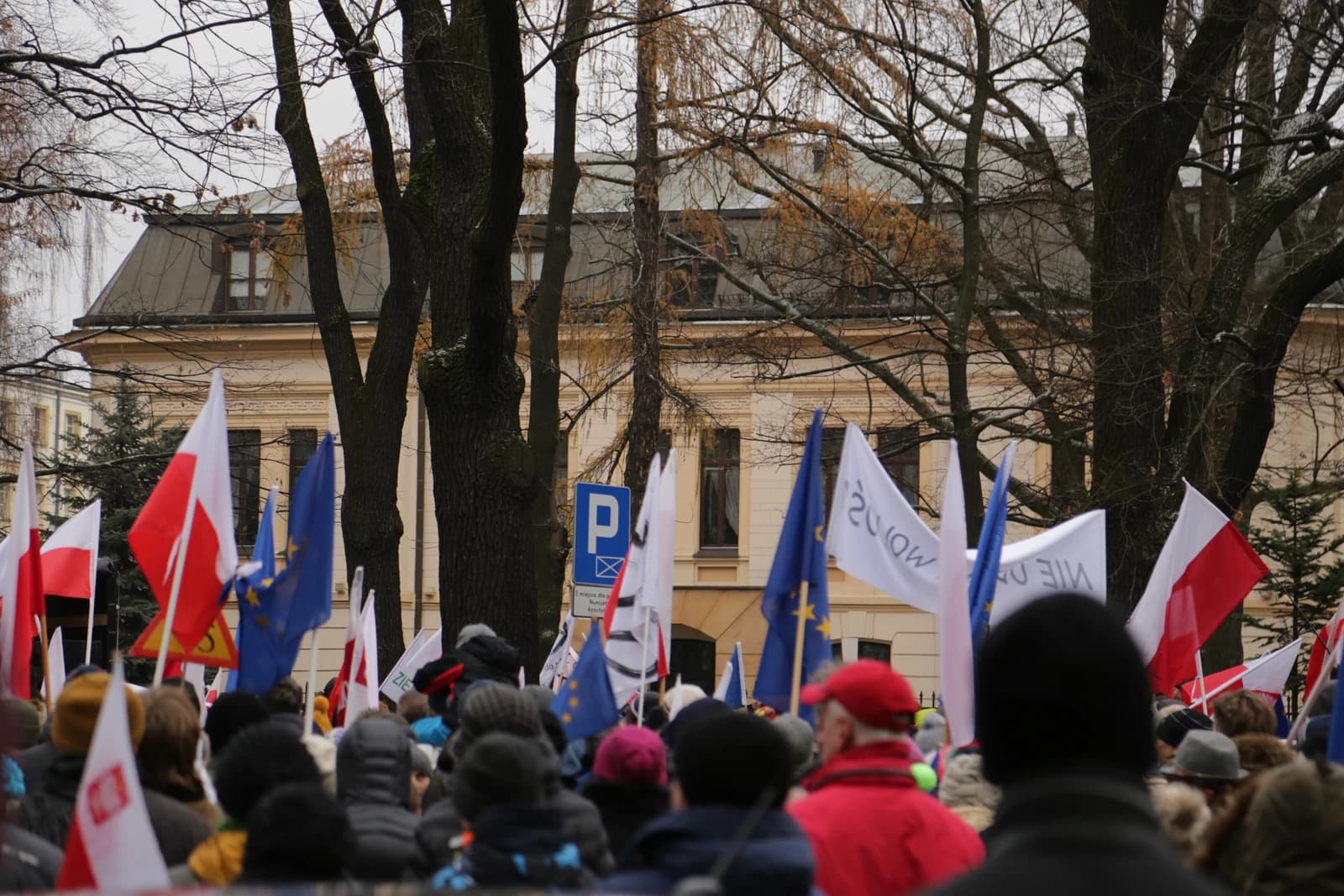
The PiS leader told supporters outside the tribunal on Saturday that the country was being run by a “grim gang” and warned that the opposition and its allies must “secure Poland” against future threats. The rhetoric matters because the standoff is no longer just about one court ruling or one judge’s oath-taking; it is becoming a test of state authority, legal continuity and the independence of institutions that matter to markets, especially the central bank.
Sentiment IndicatorsⓘProprietary · adalytica.com · October 21, 2026
This is a snapshot — live sentiment, awareness and momentum for 130+ markets update continuously in the dashboard.Open AlphaPulse
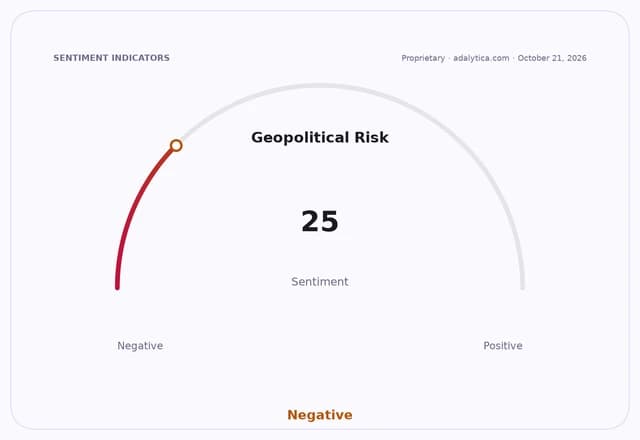
The immediate trigger is the dispute over Maciej Berek, whom the Sejm approved earlier this month as the tribunal’s eighth judge in the current parliamentary term. Berek took his oath in the Sejm “before the president” after President Karol Nawrocki did not invite him to the presidential palace to swear in, then delivered notarized documents to the presidential chancellery. The governing coalition says tribunal actions under chairman Bogdan Święczkowski are illegal and that Berek and other judges should be allowed to work.
That dispute has now spilled into the street. Supporters of PiS, including activists linked to border-defence groups and pro-opposition media outlets, have been camping outside the tribunal for weeks. On Wednesday, police intervened when protesters tried to block access as newly elected judges went to the court. The scene underscores how far Poland’s constitutional conflict has moved beyond parliamentary procedure and into physical confrontation, a sign of institutional strain that can weigh on policy implementation, legal predictability and the zloty’s longer-term risk premium.
For investors, the key issue is not the protest itself but what it says about the durability of governance. Poland has benefited from strong domestic demand, EU funding and a relatively resilient economy, but persistent clashes between the government, the presidency and constitutional bodies raise the odds of delayed decisions on regulation, judicial appointments and monetary policy oversight. Kaczyński’s warning that the National Bank could be the next target is especially sensitive because central bank independence remains one of the clearest markers of policy credibility in emerging Europe.
The political upside for PiS is also clear. By framing the tribunal fight as a defence of the state, Kaczyński is trying to mobilize loyal voters and keep pressure on the governing camp. The downside is that prolonged institutional warfare can deepen polarization and complicate relations with European partners already watching rule-of-law disputes closely. That is why the episode matters beyond party politics: it feeds directly into Poland’s governance discount, which investors tend to price through sovereign spreads, currency volatility and equity risk appetite.
The near-term watchpoints are whether the presidency moves to resolve the standoff over Berek, whether the protest around the tribunal broadens, and whether the confrontation reaches the National Bank. If it does, the dispute could shift from a symbolic battle over the courts to a direct test of economic institutions, with implications for policy credibility and market sentiment.
| Entity | Gains | Losses |
|---|---|---|
| PiS / Jarosław Kaczyński | ▲Mobilizes base | ▼Institutional credibility |
| Government coalition | ▲Legal authority claim | ▼Political stability |
| Constitutional Tribunal | ▲Visibility | ▼Legitimacy under dispute |
| Investors in Poland | ▲Clarity if crisis eases | ▼Higher governance risk |