The FOZZ affair remains one of the most economically damaging symbols of Poland’s post-communist transition because it exposed how weak oversight, opaque financing and political ties could drain public money at the moment the state was trying to stabilize its debt burden.
Poland FOZZ affair and debt buyback scandal
The fund was created in 1989 with a seemingly pragmatic mission: buy back Polish debt on the secondary market at a discount and ease pressure on the country’s finances. That mattered because Poland was emerging from a decade of heavy borrowing under Edward Gierek and by the end of 1989 its external debt had exceeded $40 billion. In principle, the strategy could have reduced liabilities cheaply. In practice, the mechanism became a vehicle for diversion, hidden transfers and a labyrinth of intermediary firms that obscured where the money went.
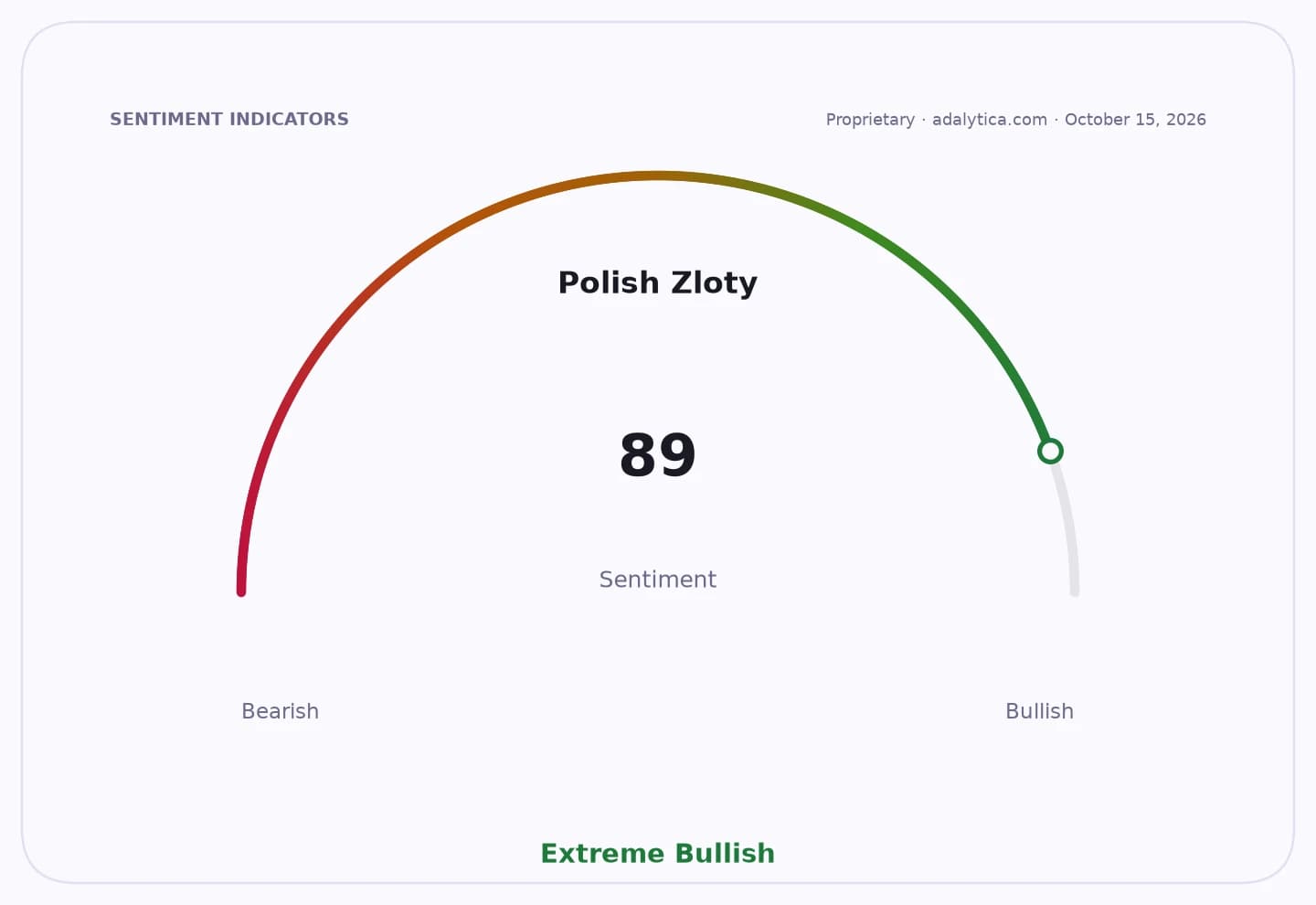
Sentiment IndicatorsⓘProprietary · adalytica.com · October 22, 2026
This is a snapshot — live sentiment, awareness and momentum for 130+ markets update continuously in the dashboard.Open AlphaPulse
What made the scandal so consequential was not only the alleged theft, but the institutional damage it revealed. FOZZ received massive state funding, with National Audit Office findings cited in Polish reporting putting 1989-90 subsidies at 9.8 trillion old zlotys, or about $1.7 billion at the time. Yet only a fraction was used for debt buybacks, including roughly $69 million spent to retire claims with a nominal value of about $272 million. Even if not every dollar was stolen, the gap between the sums allocated and the limited debt reduction achieved showed how easily a public policy instrument could be captured by insiders.
For investors, the broader lesson is about governance risk and state credibility. FOZZ became shorthand for the dangers that arise when governments mix large public flows, weak disclosure and politically connected intermediaries. That legacy still matters in Poland’s investment narrative because institutional trust is a core part of any reform story: foreign creditors, domestic savers and strategic investors all price the quality of enforcement, audits and legal accountability. The scandal also fed a lasting suspicion that the early winners of the transition used state channels to build private fortunes.
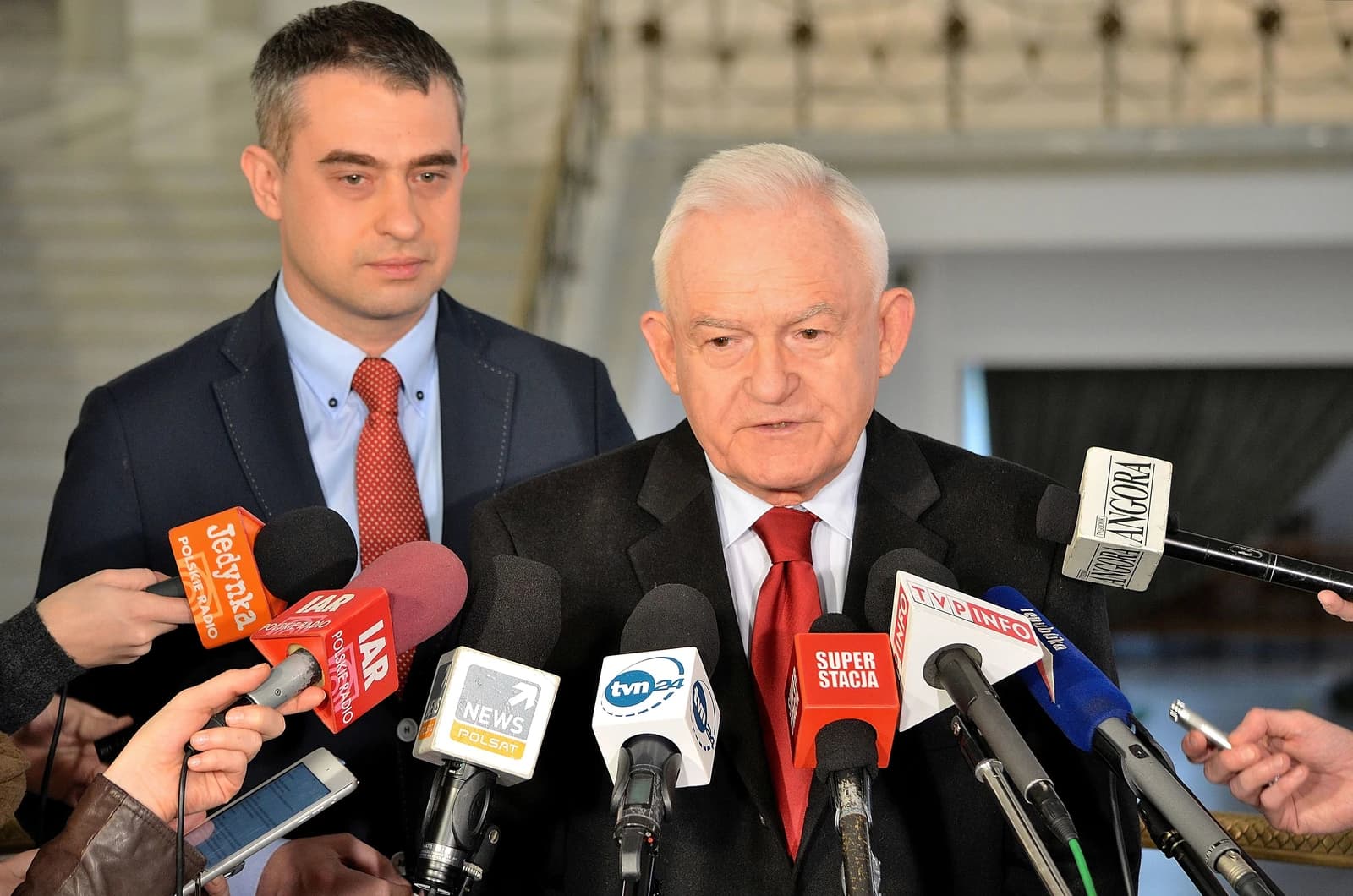
The case has never fully lost its political edge because it sits at the intersection of economics, intelligence services and the privatization of power after 1989. Former Bank Handlowy banker Grzegorz Żemek, a senior FOZZ figure with past ties to military intelligence, became one of the central names in the affair, alongside Janina Chim and businessman Dariusz Przywieczerski. The long-running court process ended in convictions in 2005 and later appeals, but it did not resolve every question about who benefited or where all the funds went.
That unresolved element is why FOZZ still resonates in public debate. It was supposed to help Poland manage a crushing debt overhang. Instead, it became a template for how a transition-era state could lose control over public money, and a lasting warning that economic reform without strong institutions can create as many liabilities as it removes.
| Entity | Gains | Losses |
|---|---|---|
| Polish state debt managers | ▲Cheaper debt buybacks in theory | ▼Credibility and funds in practice |
| FOZZ insiders and intermediaries | ▲Access to public money | ▼Legal exposure and reputational damage |
| Foreign creditors selling claims | ▲Immediate cash recovery | ▼Reduced upside from discounted debt |
| Investors in Polish reform story | ▲Stronger awareness of governance risk | ▼Confidence in early transition institutions |