Polish Deputy Foreign Minister Władysław Teofil Bartoszewski has waived parliamentary immunity as prosecutors move to bring charges in a case alleging the misappropriation of millions of zlotys, a development that deepens pressure on the government’s image and adds another layer of political risk in Warsaw.
Poland minister waives immunity in misappropriation case
The immediate significance is institutional as much as legal: by giving up immunity, Bartoszewski removes the procedural shield that delayed criminal scrutiny and allows prosecutors to proceed in a case that now sits at the intersection of public trust, elite accountability and government stability. For investors, that matters because repeated political scandals can raise the perceived risk premium on Polish assets, especially when they touch senior officials in sensitive portfolios such as foreign affairs.
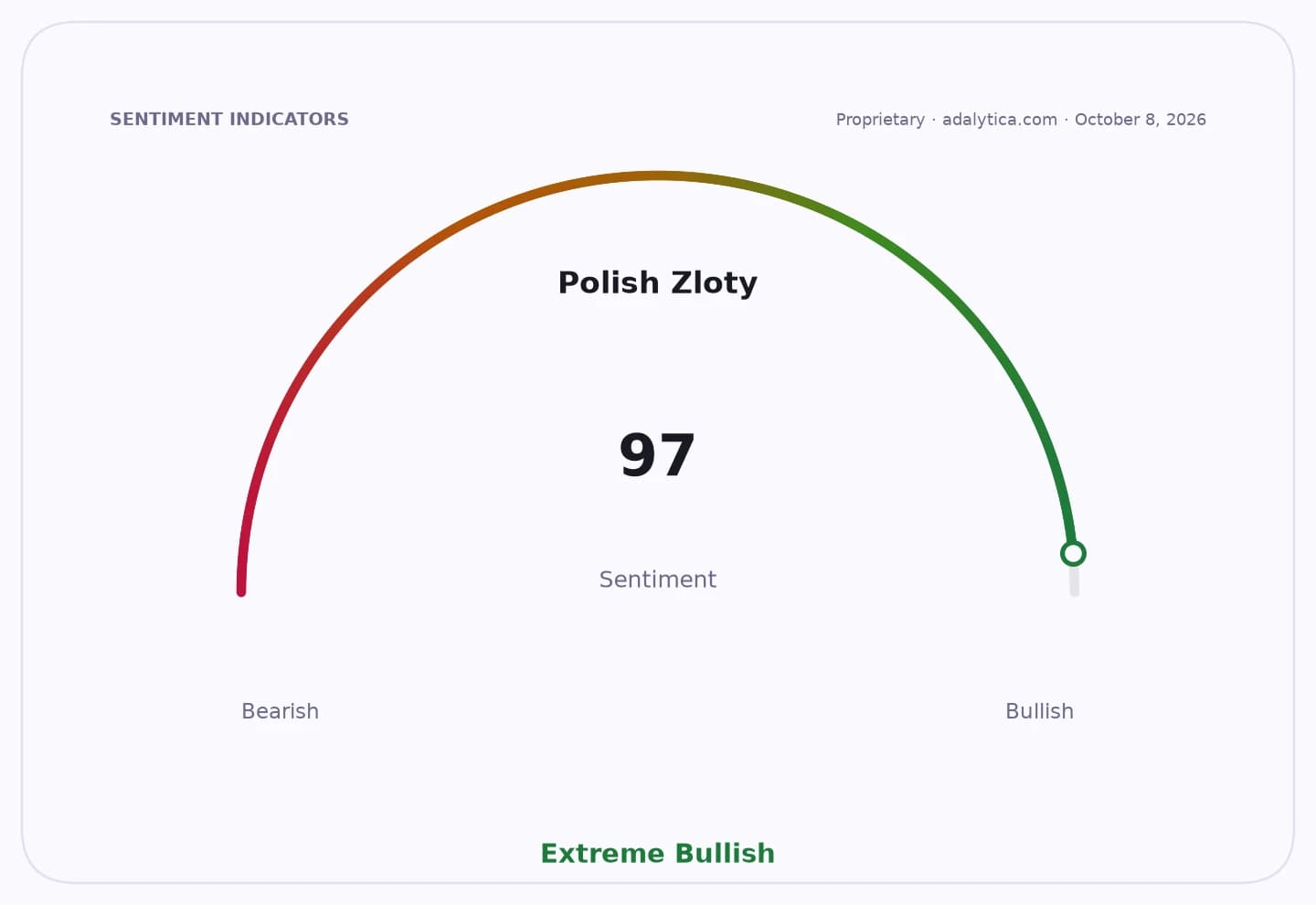
Sentiment IndicatorsⓘProprietary · adalytica.com · October 9, 2026
This is a snapshot — live sentiment, awareness and momentum for 130+ markets update continuously in the dashboard.Open AlphaPulse
A parliamentary committee on Wednesday said Bartoszewski’s waiver was valid, following its earlier backing for stripping his immunity over suspicions including property misappropriation. Prosecutors have asked that he be held to account over two alleged offences: appropriation and frustrating a creditor. The case stems from a complaint by the Ciechanowiecki Foundation at Warsaw’s Royal Castle and is being handled by the National Prosecutor’s Office’s organised crime and corruption unit.
According to prosecutor Andrzej Michalski, investigators have evidence pointing to a “high probability” that Bartoszewski misappropriated assets entrusted to him by his godfather, the late Andrzej Ciechanowiecki, and the Non Omnis Moriar foundation. The assets included 1 million British pounds, 45,000 euros and 6,683,705.86 zlotys — funds prosecutors say were used to buy three Warsaw apartments through Max&Max, the company where Bartoszewski served as director. Prosecutors allege the flats were later sold and the proceeds not returned.
The alleged value of the cash and property at the centre of the dispute is large enough to keep the story politically charged even by Polish standards. Prosecutors also say Bartoszewski’s actions may have been designed to frustrate eventual enforcement, with Michalski warning that the minister may no longer have sufficient assets for any future court ruling to be effectively collected. That turns the case from a private inheritance-style dispute into a broader question of whether assets were moved to put them beyond creditors’ reach.
Bartoszewski had asked for the committee hearing to be postponed until civil proceedings in the matter were finally resolved, arguing that newly submitted evidence could affect the outcome. That request was not enough to halt the parliamentary process. The legal track now appears likely to move in parallel with the civil case, increasing the chance of prolonged headlines and political fallout.
For markets, the direct macro impact is limited, but the indirect one is not. Poland has benefited from relatively strong investor interest as one of the region’s larger, more liquid economies, and the zloty has recently seen elevated bullish positioning according to Adalytica’s trade-signal snapshot. Still, corruption-related controversy at the top of government can matter at the margin, particularly if it feeds perceptions of policy distraction or weak governance at a time when investors are weighing fiscal discipline, external financing and regional risk.
The bullish case is that the episode proves Poland’s institutions are functioning: immunity was waived, the committee processed the case, and prosecutors are pursuing allegations through formal channels. The bearish case is that the allegations involve a senior diplomat and a large sum of money, ensuring a longer political drag and potentially amplifying scrutiny of the ruling coalition.
What investors will watch next is whether the case remains contained to a single official or broadens into a wider political embarrassment, and whether it starts to affect sentiment toward Polish sovereign risk, the zloty and domestically focused equities. If the proceedings move quickly, the market impact may stay modest; if they turn into a prolonged scandal, the reputational cost could outlast the legal one.
| Entity | Gains | Losses |
|---|---|---|
| Prosecutors | ▲Broader case momentum | ▼None if evidence weakens |
| Government credibility | ▲Shows formal process | ▼Suffers from scandal headlines |
| Bartoszewski | ▲Chance to defend in court | ▼Immunity protection, reputation |
| Polish assets | ▲Institutional clarity if resolved | ▼Risk premium if scandal widens |