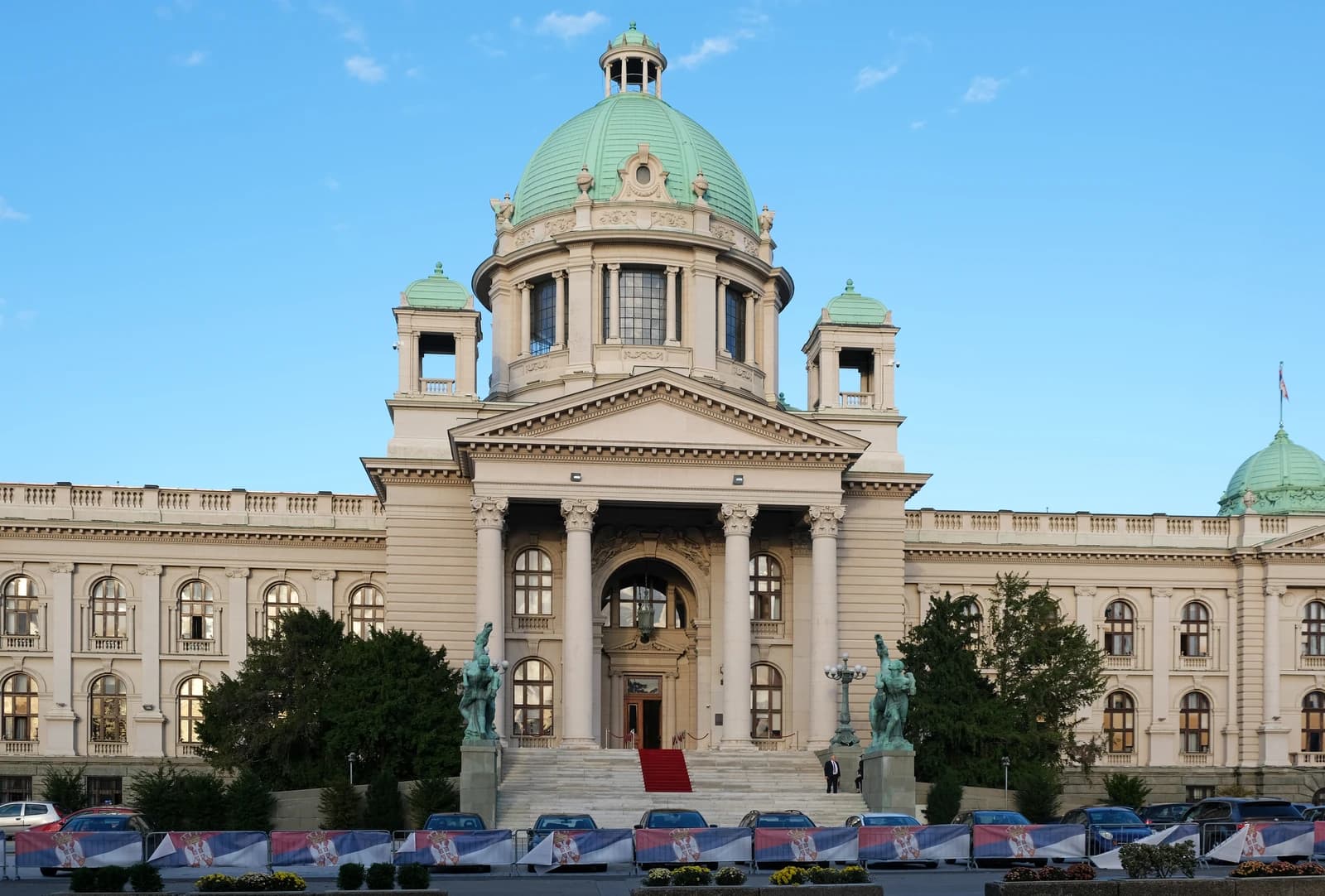
Kosovo’s parliament has moved to amend the law governing the Special Court in The Hague, a step that could trigger a fresh legal clash with the EU and Germany and test Pristina’s ties with its Western backers.
Kosovo Parliament Moves to Amend Hague Special Court Law
The dispute matters because the Special Court was created as part of Kosovo’s international commitments to investigate alleged war crimes linked to the Kosovo Liberation Army, and any attempt to narrow its mandate or alter sentencing rules is likely to be read in Brussels and Washington as pressure on judicial independence. That raises more than a legal question: it goes to the credibility of Kosovo’s institutions, the reliability of its commitments to allies and the country’s room to maneuver in future talks with the EU.
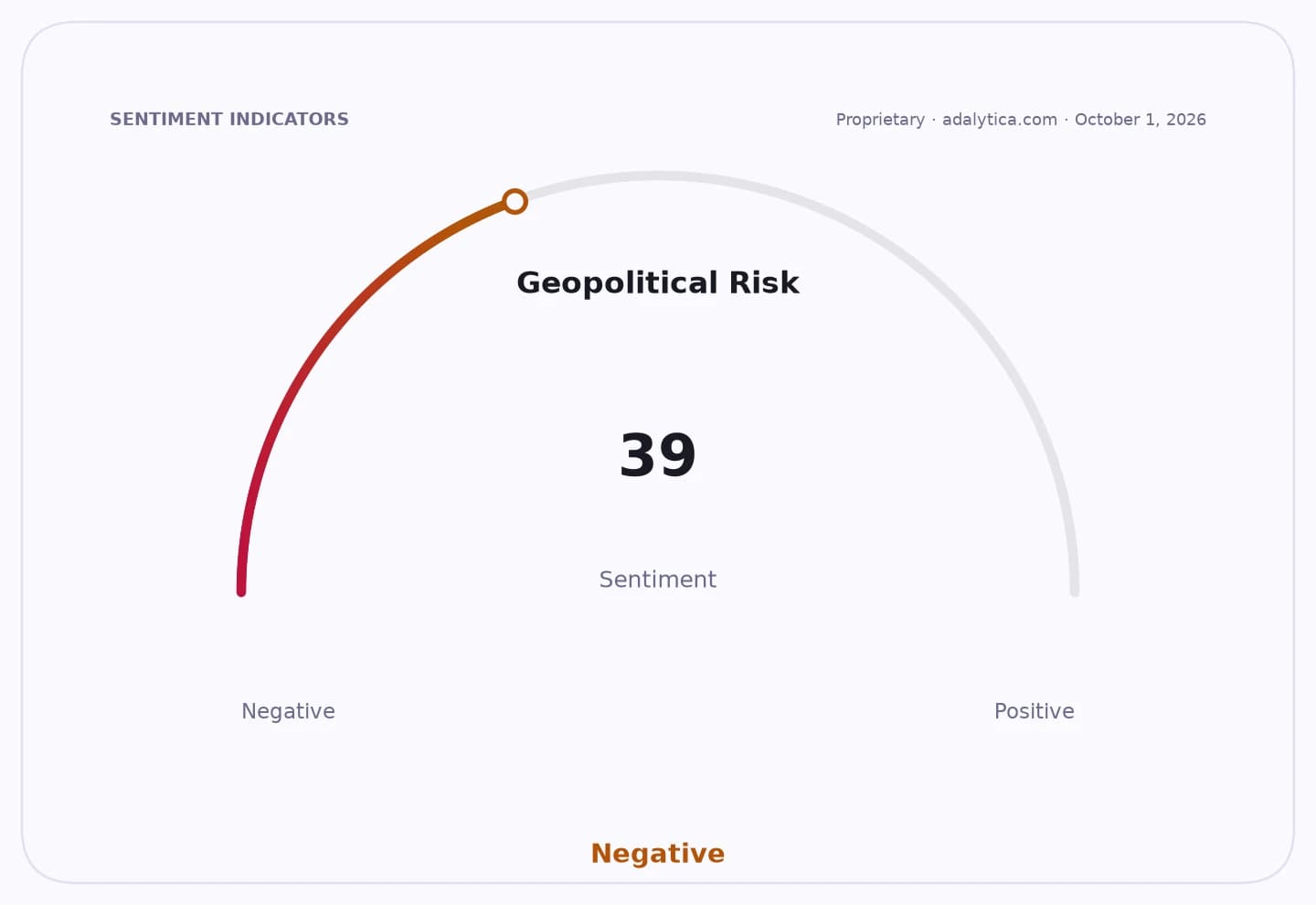
Sentiment IndicatorsⓘProprietary · adalytica.com · October 12, 2026
This is a snapshot — live sentiment, awareness and momentum for 130+ markets update continuously in the dashboard.Open AlphaPulse
The European Commission and Germany quickly signaled concern, saying the changes run against Kosovo’s international obligations and must not undermine the court’s independence, witness protection or accountability for victims. The reaction suggests the issue is not being treated as an internal procedural matter but as a test of whether Kosovo will respect a court embedded in its own constitutional order and backed by international partners.
At the center of the controversy are amendments that would narrow the period covered by the court from January 1998-December 2000 to July 1999-December 2000, cap prison sentences at 15 years, allow sentences to be served in Kosovo and open the door to presidential pardons. Supporters, including lawmakers from the PDK, argue the changes do not breach Kosovo’s constitution or international obligations and say Pristina should have the power to enforce its own law. Critics say the move could invite obstruction from the court itself and create a direct institutional confrontation.
For investors, the immediate market impact is limited, but the political risk premium around Kosovo rises when relations with the EU deteriorate. The country is dependent on Western political support, donor flows and the investment climate that comes with closer European integration. Any perception that Pristina is undermining rule-of-law commitments can weigh on foreign direct investment, delay accession progress and complicate financing conditions for a small, open economy that cannot afford prolonged diplomatic isolation.
The broader signal is that Kosovo’s domestic politics remain tightly bound to war-era justice and unresolved questions of statehood, making legal reforms highly combustible. That tension is visible in Adalytica’s Global Stability Sentiment gauge, which shows extreme greed in global stability even as awareness sits in extreme fear, a backdrop that can amplify geopolitical shocks and spill into regional risk assets.
The near-term focus is whether President Justina Pula-Shiroka signs the amended law and how strongly Brussels and Washington respond. If the changes are challenged in The Hague, Kosovo could find itself in a legal and diplomatic standoff that would be costly even if the amendments never materially change proceedings. For markets, the key issue is not the court statute itself, but whether Kosovo is seen as deepening the institutional rule-of-law framework or reopening a fight that unsettles its Western path.
| Entity | Gains | Losses |
|---|---|---|
| Kosovo lawmakers backing the changes | ▲Domestic political leverage | ▼Diplomatic trust |
| EU and Germany | ▲Rule-of-law credibility | ▼Influence if ignored |
| Special Court in The Hague | ▲Supporters of judicial independence | ▼Perceived autonomy |
| Kosovo economy and investors | ▲Little near-term benefit | ▼Higher political risk |