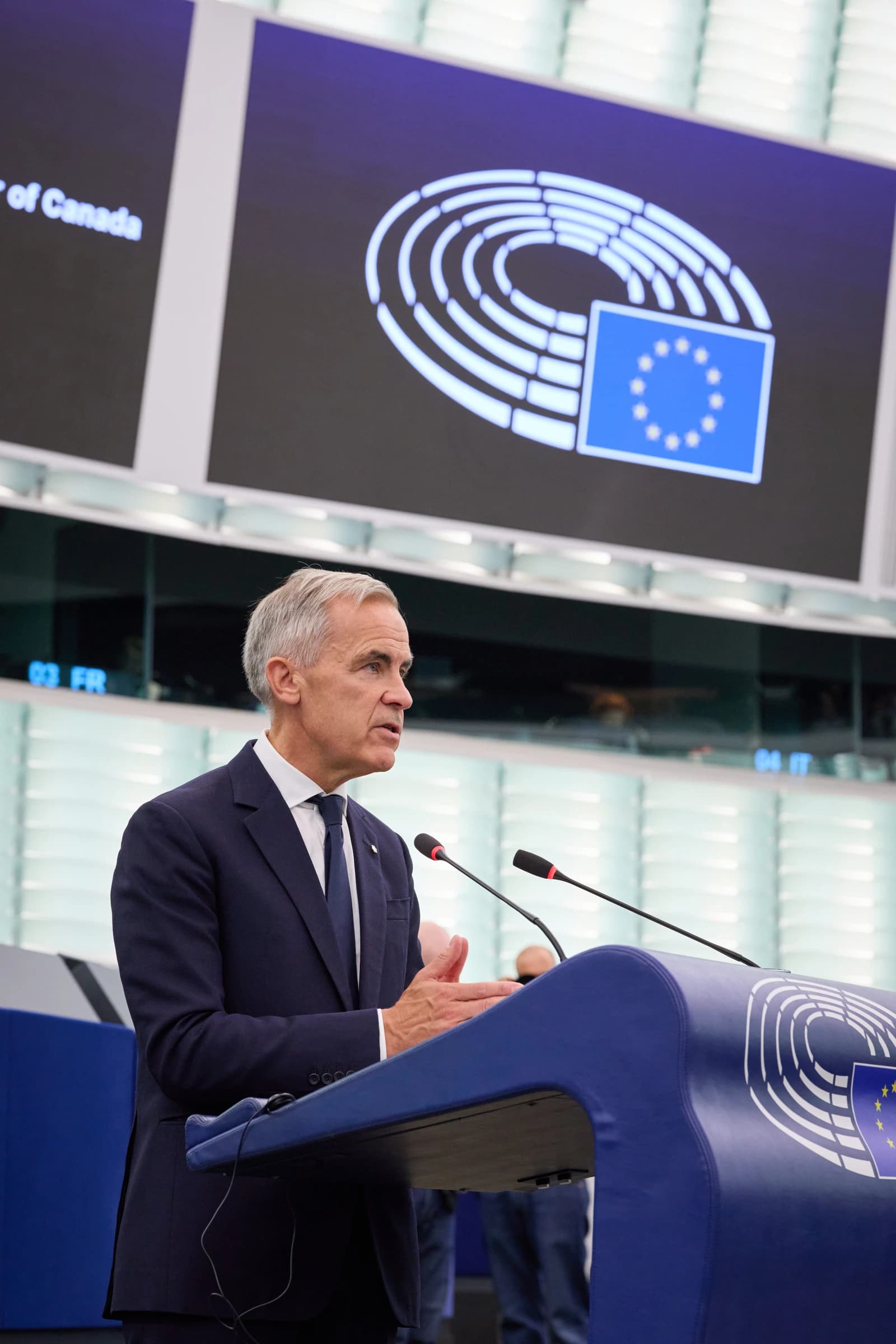
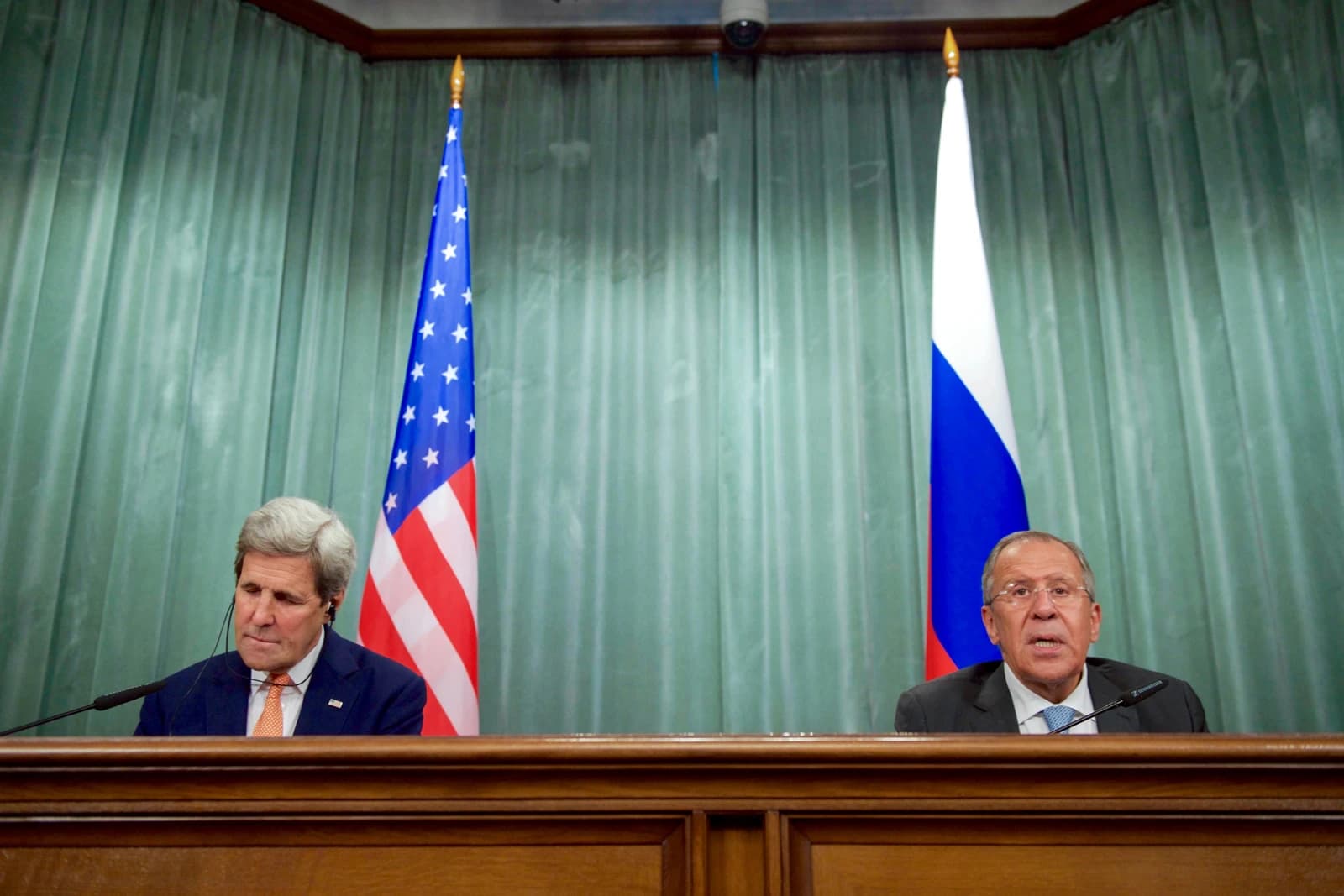
The European Union on Friday denounced new U.S. sanctions on the International Criminal Court and said it was prepared to take “any necessary measures” to keep the tribunal operating, widening a transatlantic rift over international justice just as Washington gives the dispute a six-month runway before the penalties take effect.
EU Vows Support for ICC After U.S. Sanctions

The European Commission said the sanctions were “deeply regrettable” and said it would work closely with the ICC to make sure the court can continue to function effectively. Brussels also pointed to the six-month delay before the measures bite, saying that leaves “room for dialogue” with Washington and a chance to blunt a clash that could complicate cooperation on war-crimes investigations and broader rule-of-law issues.
Sentiment IndicatorsⓘProprietary · adalytica.com · October 13, 2026
This is a snapshot — live sentiment, awareness and momentum for 130+ markets update continuously in the dashboard.Open AlphaPulse

The standoff matters economically because it adds another layer of policy risk to already fragile global political relations, with legal institutions, diplomacy and sanctions policy increasingly intersecting. When Washington targets an international body that EU governments see as central to accountability, it raises the odds of countermeasures, compliance costs and fresh uncertainty for cross-border investigations and enforcement.
For investors, the immediate market impact is limited, but the episode is another sign of elevated geopolitical stress. Adalytica’s Global Stability Sentiment gauge is at 93, labeled “Extreme Greed,” while awareness sits at 4, marked “Extreme Fear,” suggesting markets may be underpricing headline risk even as traders remain comfortable with broad risk assets.
Currency and defensive positioning reflect that tension only partially. The euro ETF FXE has slipped to $102.99, below its 50-day moving average of $105.96 and 200-day average of $106.66, with the relative strength index at 19.5, a level typically seen as deeply oversold. The dollar ETF UUP, by contrast, has climbed to $29.13, above both its 50-day and 200-day moving averages, underscoring a bid for the greenback as investors stay cautious on global politics.
The broader narrative is a familiar one: Washington is using sanctions to pressure an institution it says has overreached, while the EU is moving to shield the court and preserve international legal norms. With the sanctions not scheduled to start for six months, the next catalyst is whether Brussels and other allies can force a compromise before the measure hardens into another transatlantic confrontation.
| Entity | Gains | Losses |
|---|---|---|
| U.S. government | ▲Pressure on ICC | ▼Diplomatic goodwill in Europe |
| European Union | ▲Rule-of-law stance | ▼Transatlantic relations |
| ICC | ▲Potential EU backing | ▼Operational uncertainty |
| Dollar/UUP | ▲Safe-haven demand | ▼Risk appetite in FX markets |