Kosovo’s parliament elected academy chief Justina Shiroka-Pula president after lawmakers rushed through changes to the Special Court in The Hague, averting another snap election and preserving access to €170 million in European Union funding.
Kosovo elects Justina Shiroka-Pula president after deal
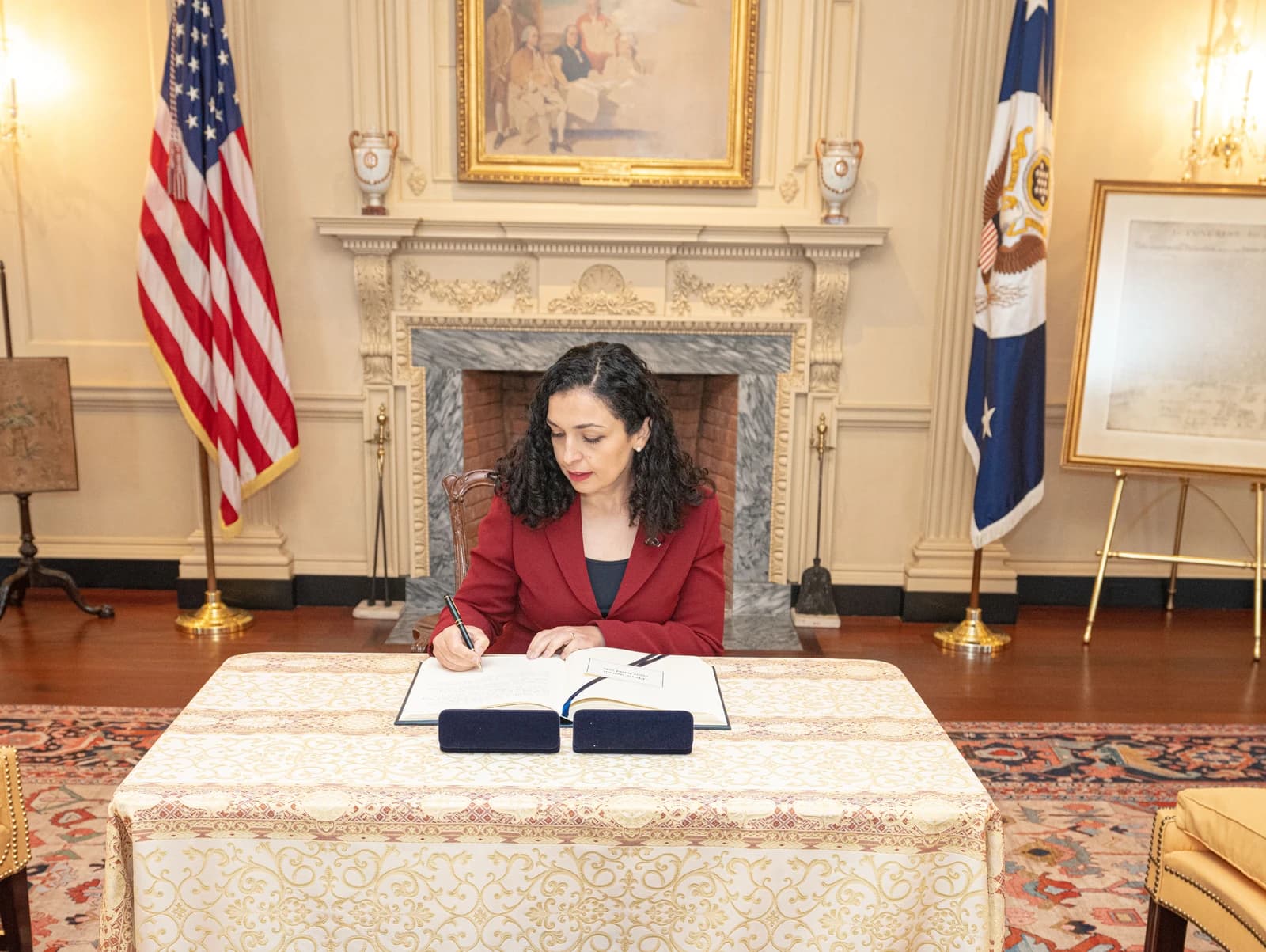
The last-minute deal ended a bruising political standoff that had threatened to dissolve parliament after a constitutional deadline expired. The vote also helped Kosovo avoid a fourth election in 18 months, a cycle of instability that has increasingly tested investor confidence, delayed policy making and frustrated Western efforts to push Pristina and Belgrade toward normalization.
Sentiment IndicatorsⓘProprietary · adalytica.com · October 8, 2026
This is a snapshot — live sentiment, awareness and momentum for 130+ markets update continuously in the dashboard.Open AlphaPulse
The election was only possible after Prime Minister Albin Kurti’s ruling Self-Determination movement struck a compromise with the Democratic Party, the largest opposition force. The opposition had insisted that amendments to the Special Court law come first, making the court change the price of the presidency.
Lawmakers approved the changes in final reading before backing Shiroka-Pula, a 73-year-old economist and former minister and lawmaker, with 81 votes in the 120-seat chamber. The amendments would narrow the court’s powers, cap prison terms at 15 years, allow appeals to Kosovo’s Supreme Court and let convicted defendants serve sentences in Kosovo.
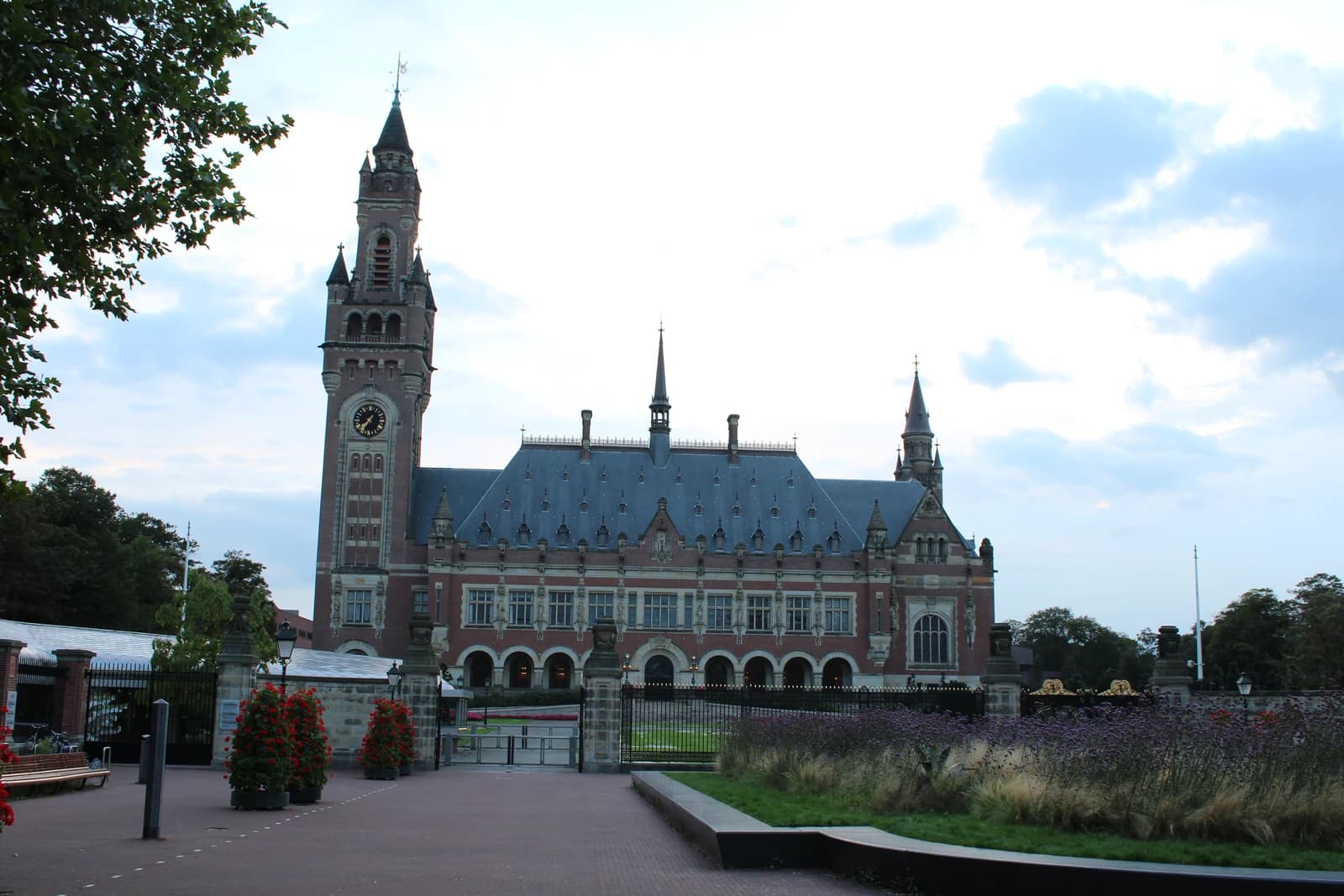
The Special Court was created in 2015 under U.S. pressure to try former Kosovo Liberation Army fighters for wartime crimes. Its latest rulings, including a 25-year sentence for former president Hashim Thaci and prison terms for three other ex-commanders, have fueled anger in Kosovo and intensified demands to rein in the tribunal.
For investors and policymakers, the immediate significance is less about the presidency itself than about what the compromise prevents: a deeper institutional breakdown, the possible freeze of EU integration momentum and the loss of funding tied to Brussels’ growth plan. Stability in Pristina remains a prerequisite for progress with the EU and for the broader Balkans normalization process that Western governments have been trying to keep alive.
The new president now faces a fragile political balance, with the same divisions that brought down the previous arrangement still unresolved. Any further clash between the government and opposition, or a backlash over the court changes, could quickly reopen the crisis and put Kosovo’s European path back at risk.
| Entity | Gains | Losses |
|---|---|---|
| Kosovo government | ▲Avoids snap election | ▼Faces scrutiny over court changes |
| Democratic Party | ▲Wins leverage in deal | ▼Risks criticism over Hague law compromise |
| EU / Western backers | ▲Keeps stability and funding intact | ▼Normalization push remains delayed |
| Special Court in The Hague | ▲Keeps operating | ▼Sees powers narrowed |