Dragan Đilas said his “European Serbia” list would impose sanctions on Russia immediately if it takes power, sharpening the foreign-policy choice facing Serbian voters and investors ahead of the next political test.
Serbia Opposition Pledges Sanctions on Russia
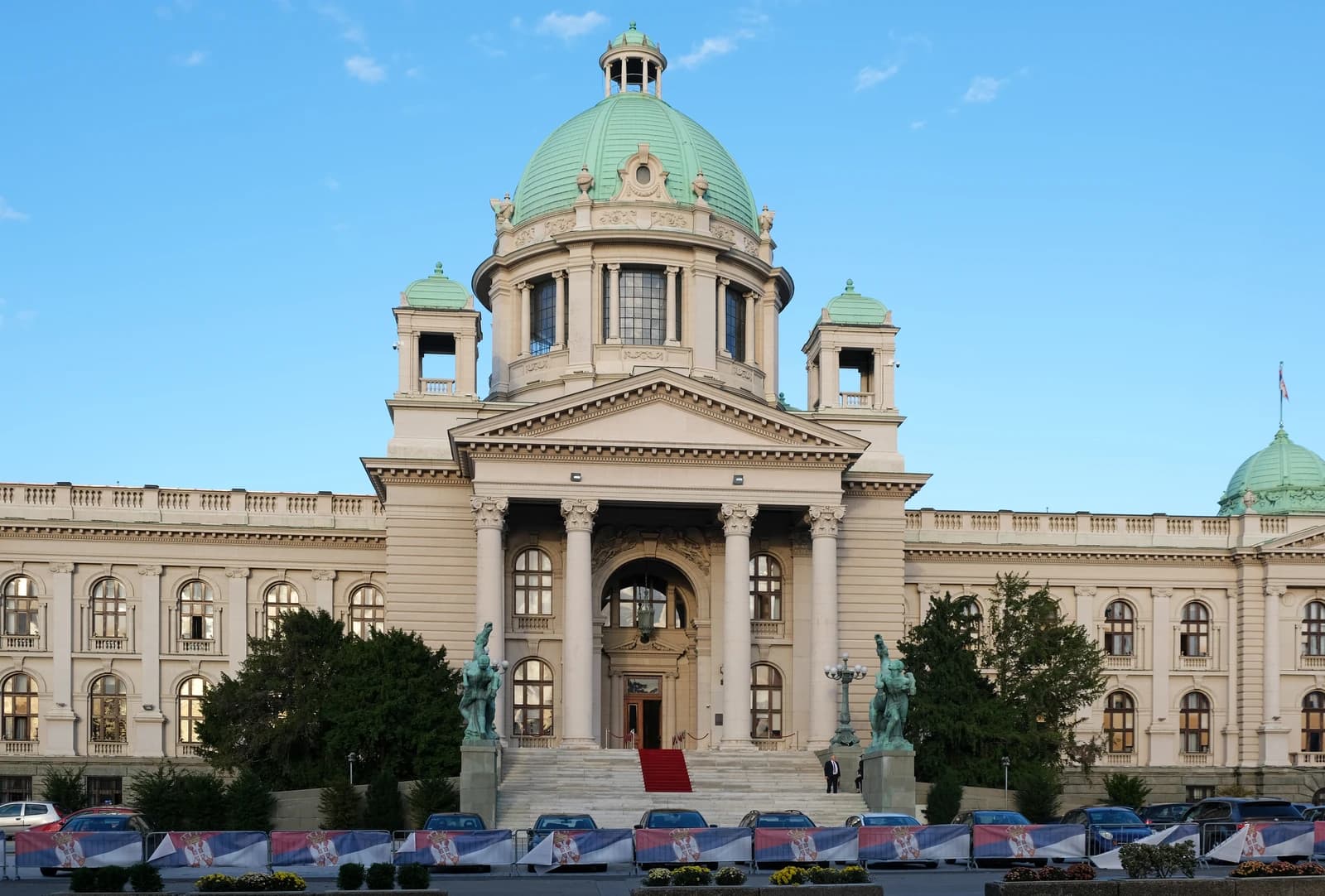
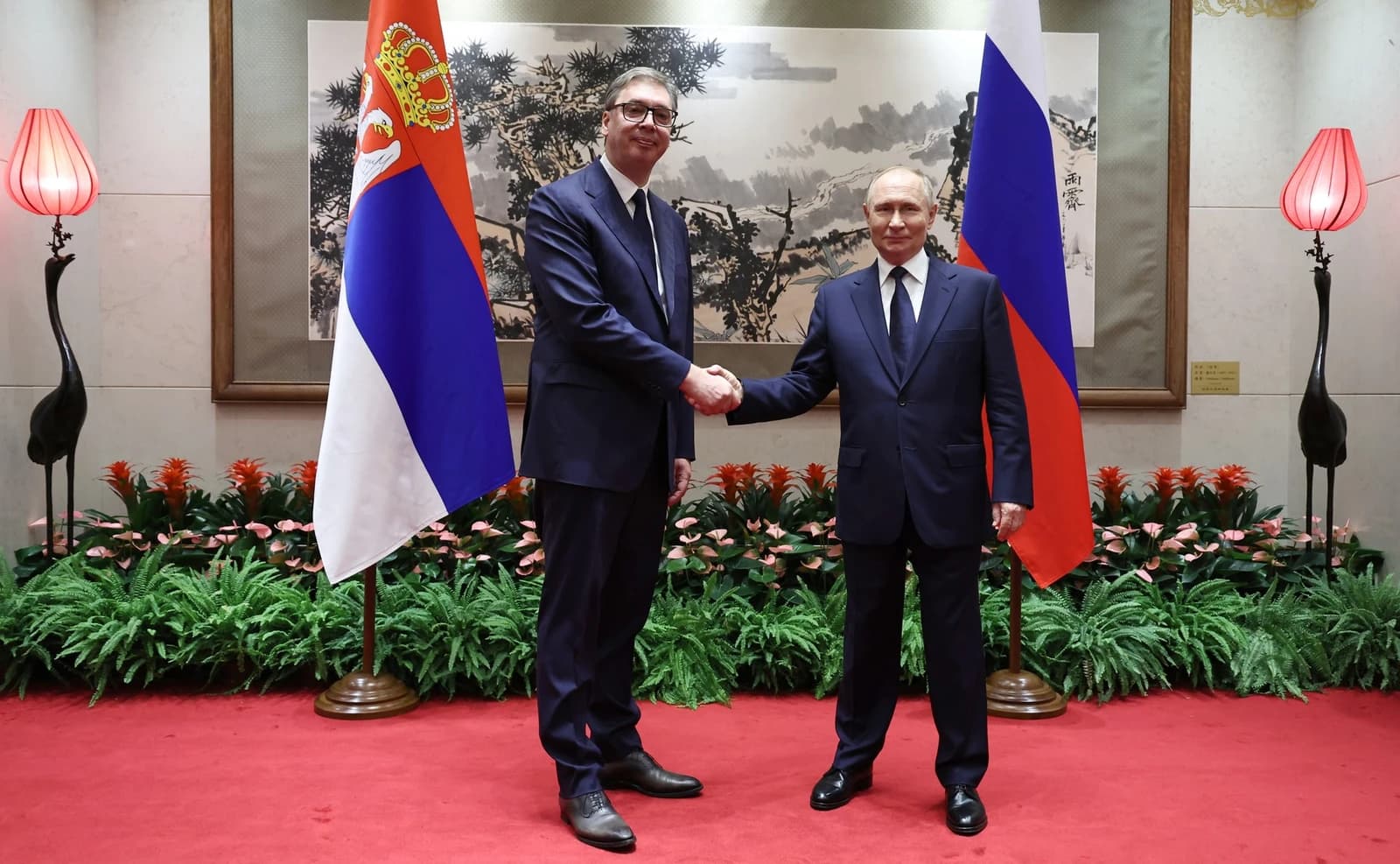
The pledge matters because it would mark a clear break from Belgrade’s current balancing act between Brussels and Moscow. Serbia has so far resisted joining Western sanctions on Russia, even as the European Union has pressed candidates and aspirants to align more closely with bloc policy. Đilas framed that stance as untenable, saying the opposition list does not support “sitting on two chairs” and that full alignment with the EU would be a matter of survival.
Sentiment IndicatorsⓘProprietary · adalytica.com · October 11, 2026
This is a snapshot — live sentiment, awareness and momentum for 130+ markets update continuously in the dashboard.Open AlphaPulse
For markets, the issue is not the sanctions language itself so much as what it implies about Serbia’s strategic direction. A government willing to move against Russia would likely be read in Brussels as a stronger EU accession signal, potentially improving the country’s standing with member states that have been skeptical about Belgrade’s foreign-policy ambiguity. It could also reduce some diplomatic friction with Western capitals that have criticized Serbia’s refusal to join sanctions despite the broader European response to Moscow.
The downside is domestic and geopolitical. Serbia’s current leadership has treated non-alignment with Russia as a core political position, and any move toward sanctions would be a sharp reversal that could unsettle a voter base accustomed to hedging between East and West. It would also risk retaliation from Moscow at a time when the Balkans remain exposed to political spillovers from the war in Ukraine and broader regional instability.
The election therefore has significance beyond party politics: it is effectively a referendum on whether Serbia continues to hedge or starts paying the economic and diplomatic cost of a cleaner pro-EU line. For investors, the key watchpoint is whether a shift in government would translate into faster accession progress, more predictable relations with the West and a lower geopolitical discount on Serbian assets, or whether the transition would instead trigger internal backlash and policy uncertainty.
| Entity | Gains | Losses |
|---|---|---|
| EU-aligned opposition | ▲Credibility with Brussels | ▼Risks domestic backlash |
| Current Serbian government | ▲Keeps pro-Russia posture | ▼Faces pressure over ambiguity |
| European Union | ▲Stronger policy alignment | ▼Still faces accession delays |
| Russia | ▲Maintains leverage if Serbia stays neutral | ▼Loses influence if sanctions imposed |