Serbia’s latest leader-to-leader call with Vladimir Putin underscores a deeper economic reality: Belgrade still leans on Moscow for energy security even as political pressure builds to move closer to the European Union.
Serbia and Putin Discuss Energy Ties and Gas Supply
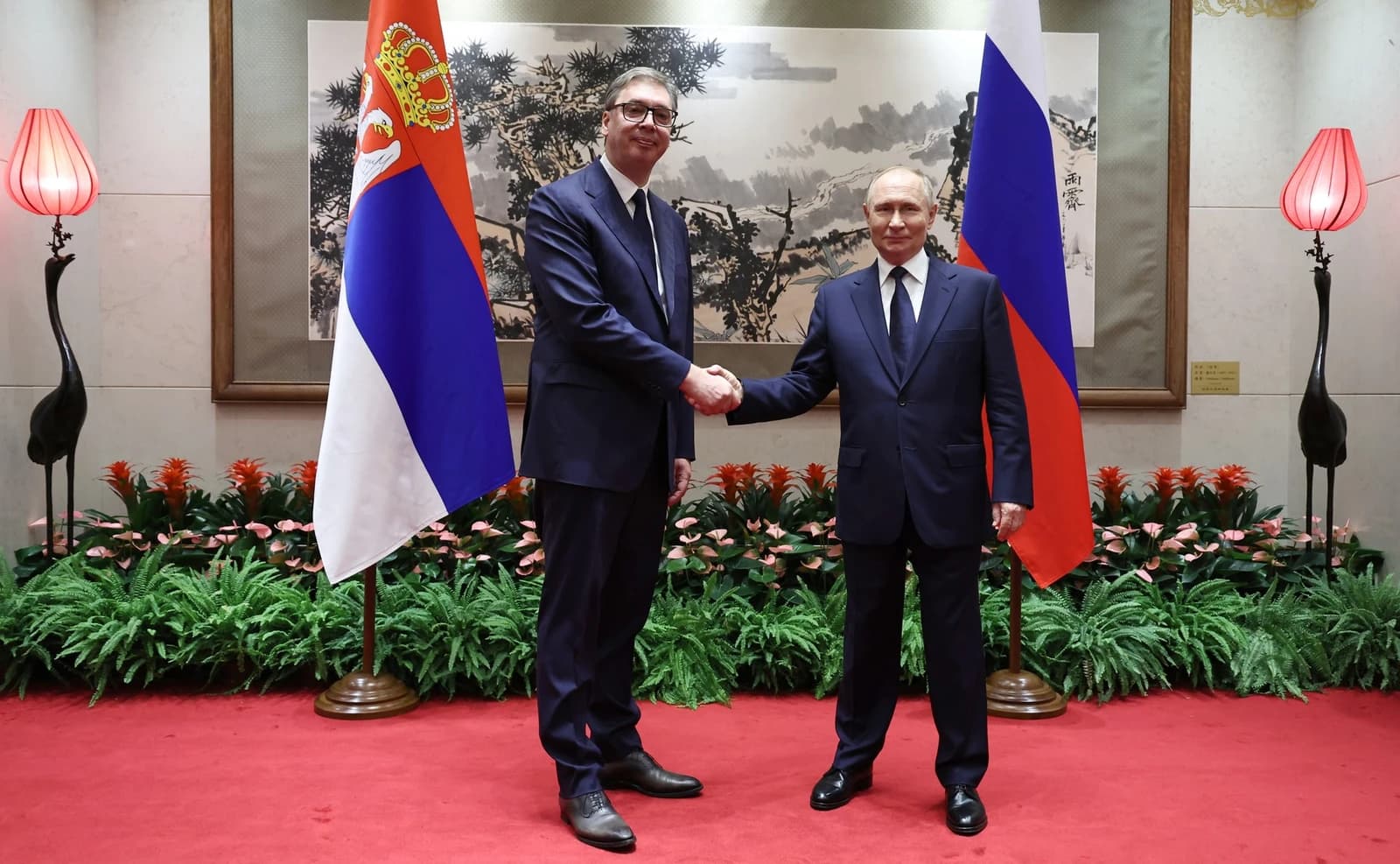
The Kremlin said Putin and Serbian President Aleksandar Vučić discussed “strategic partnership” ties that include energy, oil and gas, transport and healthcare, a reminder that Russian gas remains a critical lever in Serbia’s economy. They also spoke about Ukraine and the Balkans, with both sides stressing the need to preserve the Dayton framework in Bosnia and protect the rights of Republika Srpska.
That matters because energy is not just diplomacy here — it is pricing power, supply security and political room to maneuver. Serbia has repeatedly resisted Western sanctions on Russia, and the new conversation suggests Moscow still sees Belgrade as a useful partner in Europe, particularly on gas. For investors, that keeps the path open for Russian-linked energy arrangements to remain a short-term support for Serbia’s import bill and industrial costs, even if the longer-term direction of travel points toward diversification.
The call also lands at a sensitive political moment. Vučić told Putin about preparations for snap parliamentary elections, and both sides denounced outside interference in electoral processes. That language reinforces the idea that Serbia’s foreign policy is becoming more contested domestically, with pro-EU forces pushing against a stance that has preserved ties with Russia. Any shift in government composition could change the country’s energy procurement strategy and its exposure to European regulatory pressure.
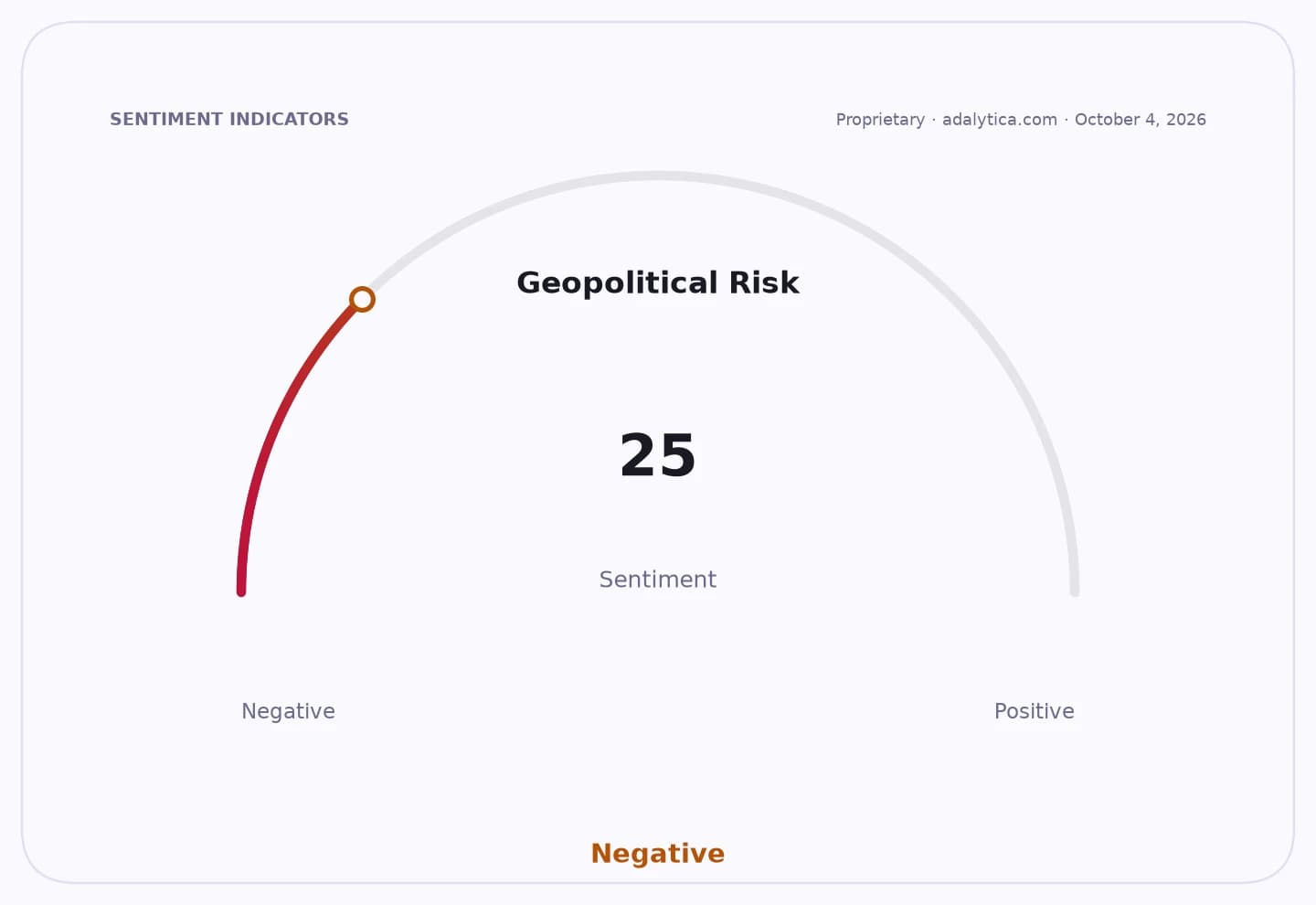
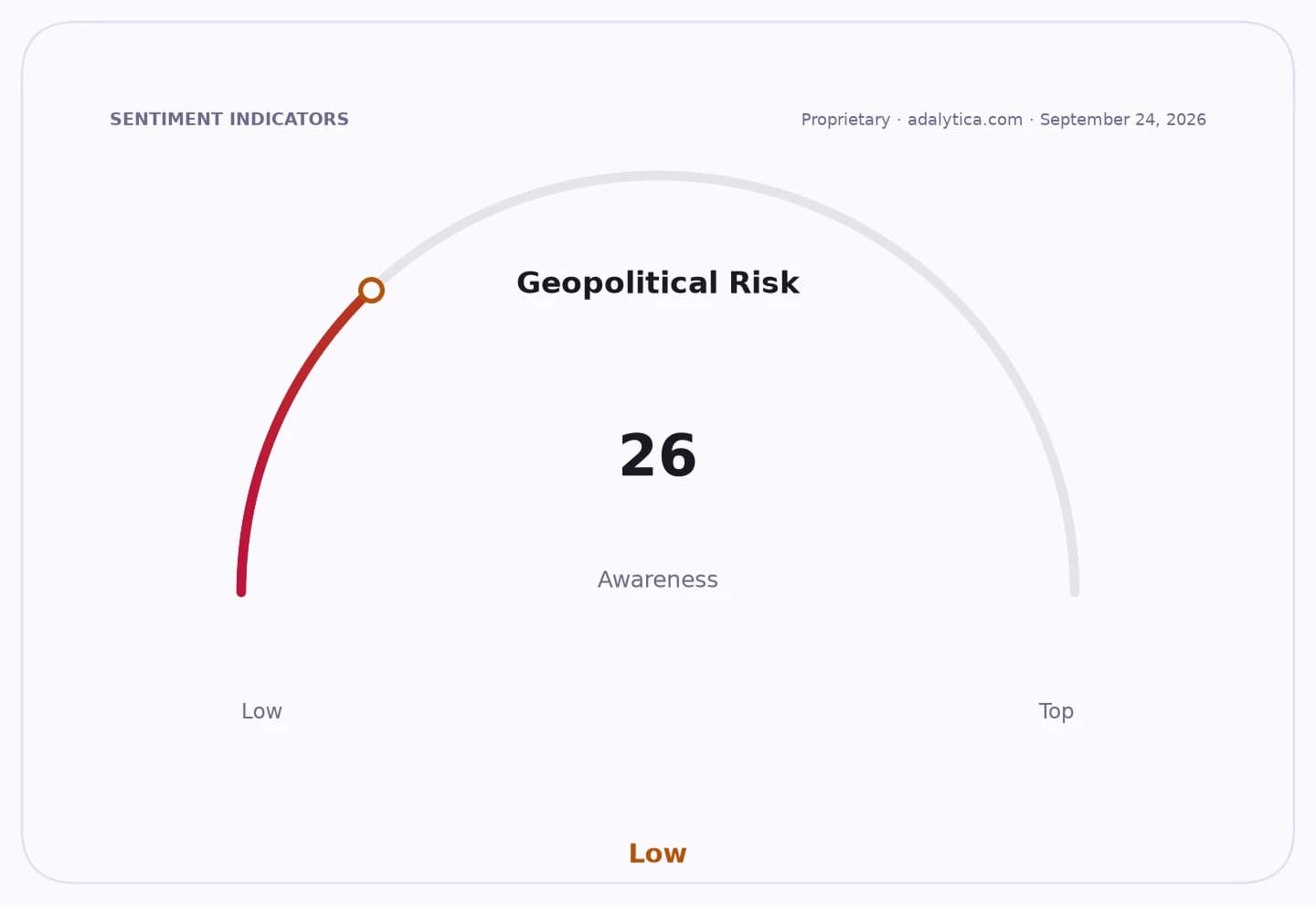
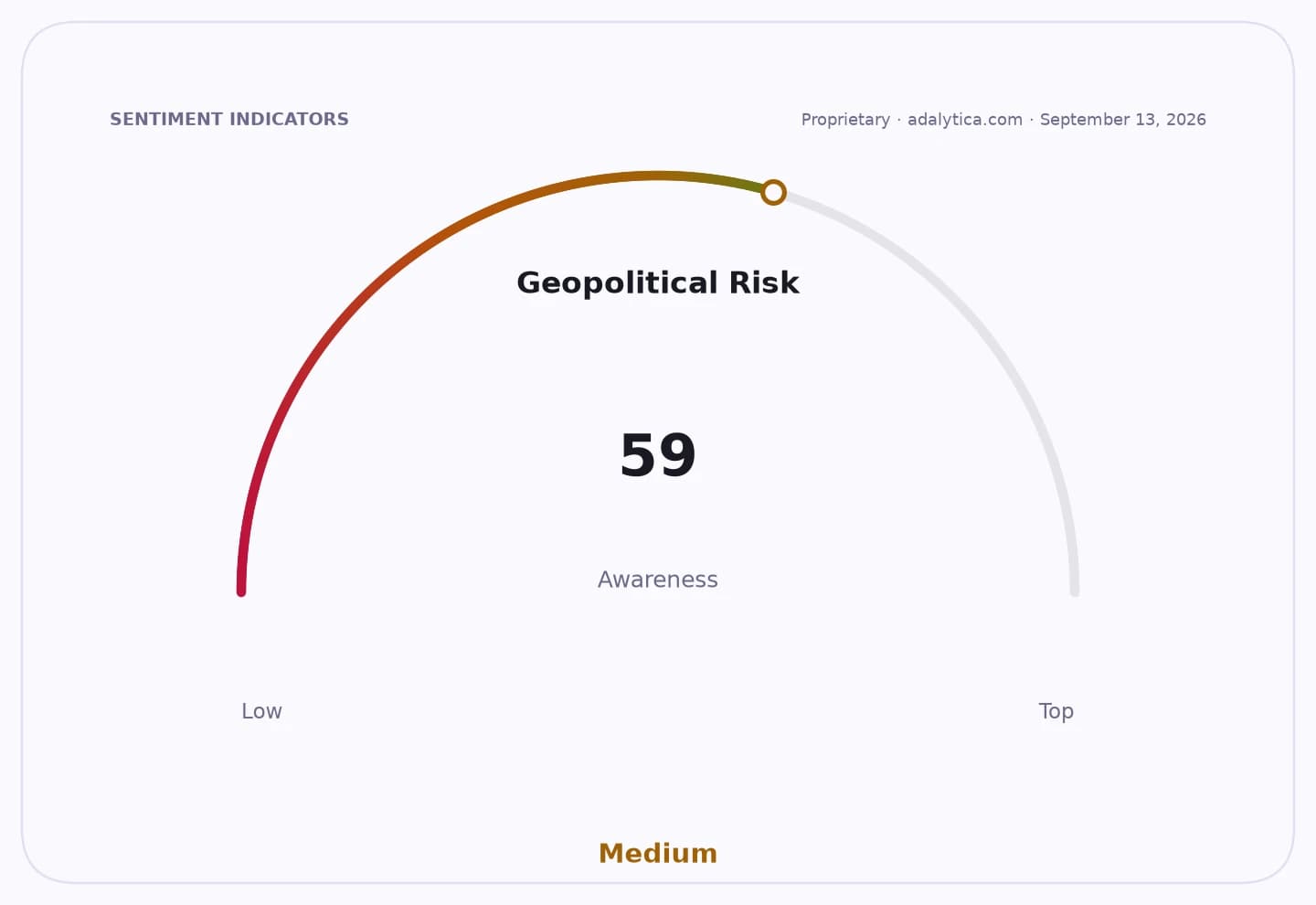
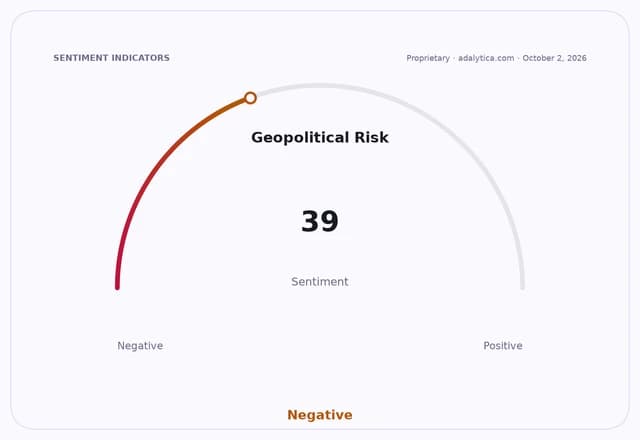
Geopolitical Risk — 30-day sentimentadalytica.com
Explore this data interactively — full history, time series and cross-market comparisons.Open AlphaPulse
For markets, the key is second-order impact. Serbia is not a global price-setter, but its continued reliance on Russian gas speaks to the broader European energy map: Russian supply is not fully gone, it is simply routed through a narrower set of political channels. That keeps upside in regional gas volatility, supports the case for energy infrastructure and LNG alternatives, and preserves a geopolitical premium in Balkan assets.
The bigger investment lesson is that geopolitical alignment still has a direct cost. Countries that stay outside the Western sanction bloc may secure cheaper or more dependable near-term energy terms, but they also deepen strategic dependence on Moscow and face rising friction with Brussels. Watch for any renewed gas deal, because it will tell investors whether Serbia is buying time — or doubling down on a fragile bridge between two blocs.
| Entity | Gains | Losses |
|---|---|---|
| Serbia | ▲Near-term gas security | ▼EU alignment leverage |
| Russia | ▲Balkan influence | ▼Diplomatic isolation |
| Gazprom/Russian energy | ▲Contract visibility | ▼Supply diversification trend |
| EU-backed energy alternatives | ▲Longer-term demand case | ▼Immediate share gains |