Political churn across the Balkans is reviving an old fault line: the region’s governments are being pulled between Russian influence and U.S.-backed energy realignment just as a fresh round of elections could reset power in Serbia, Bosnia and Kosovo.
Balkans Elections, Gas Projects, and Russian Influence
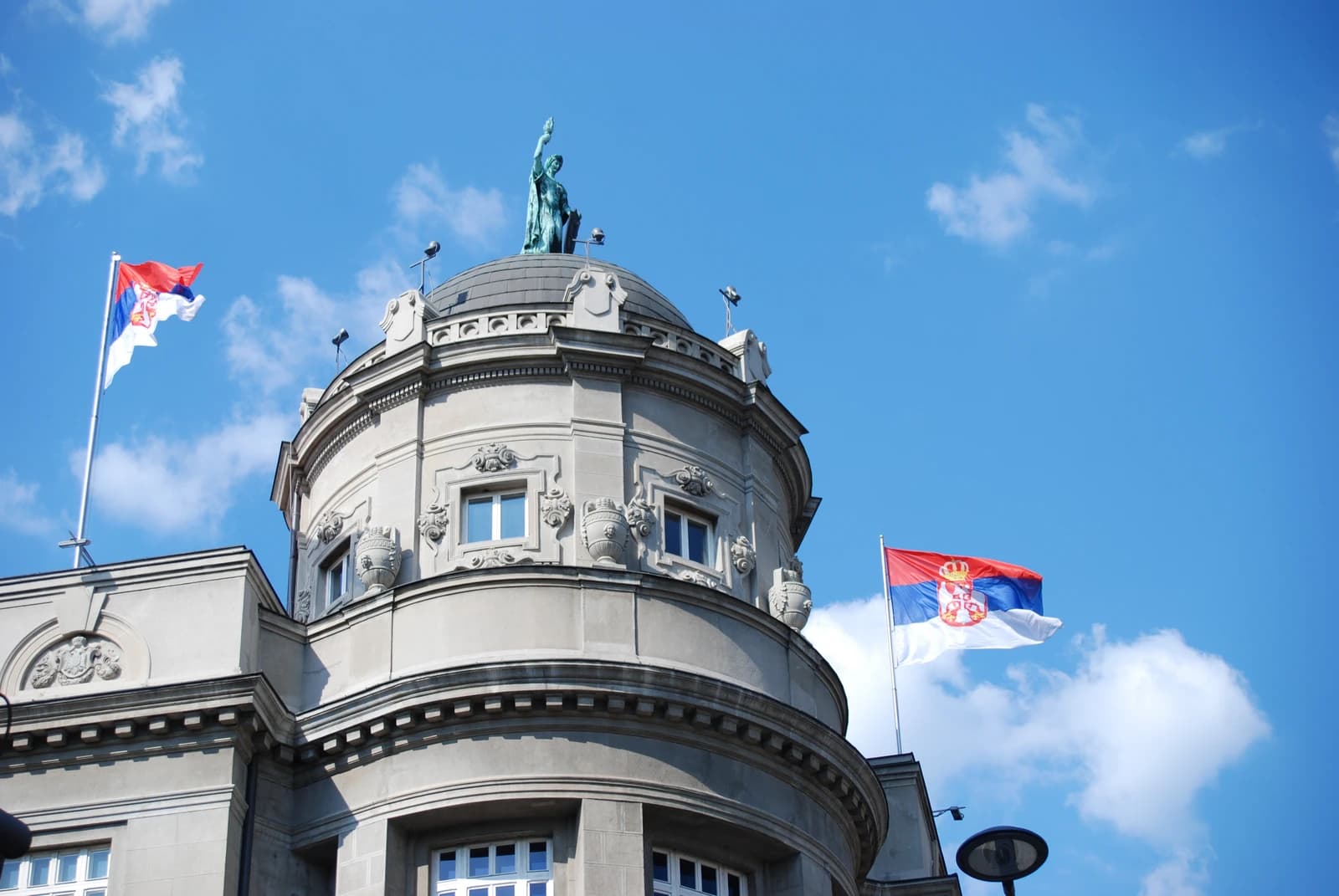
The immediate economic significance is less about ballots than about control of energy routes, infrastructure and market access in a corner of Europe that still depends heavily on imported fuel and outside capital. With Serbia due to hold early parliamentary elections on Oct. 25, Bosnia voting and Kosovo facing the risk of new elections if its parliament cannot settle the presidency, the chance of policy drift or paralysis is rising at the exact moment Western governments want faster integration and more secure gas supply.
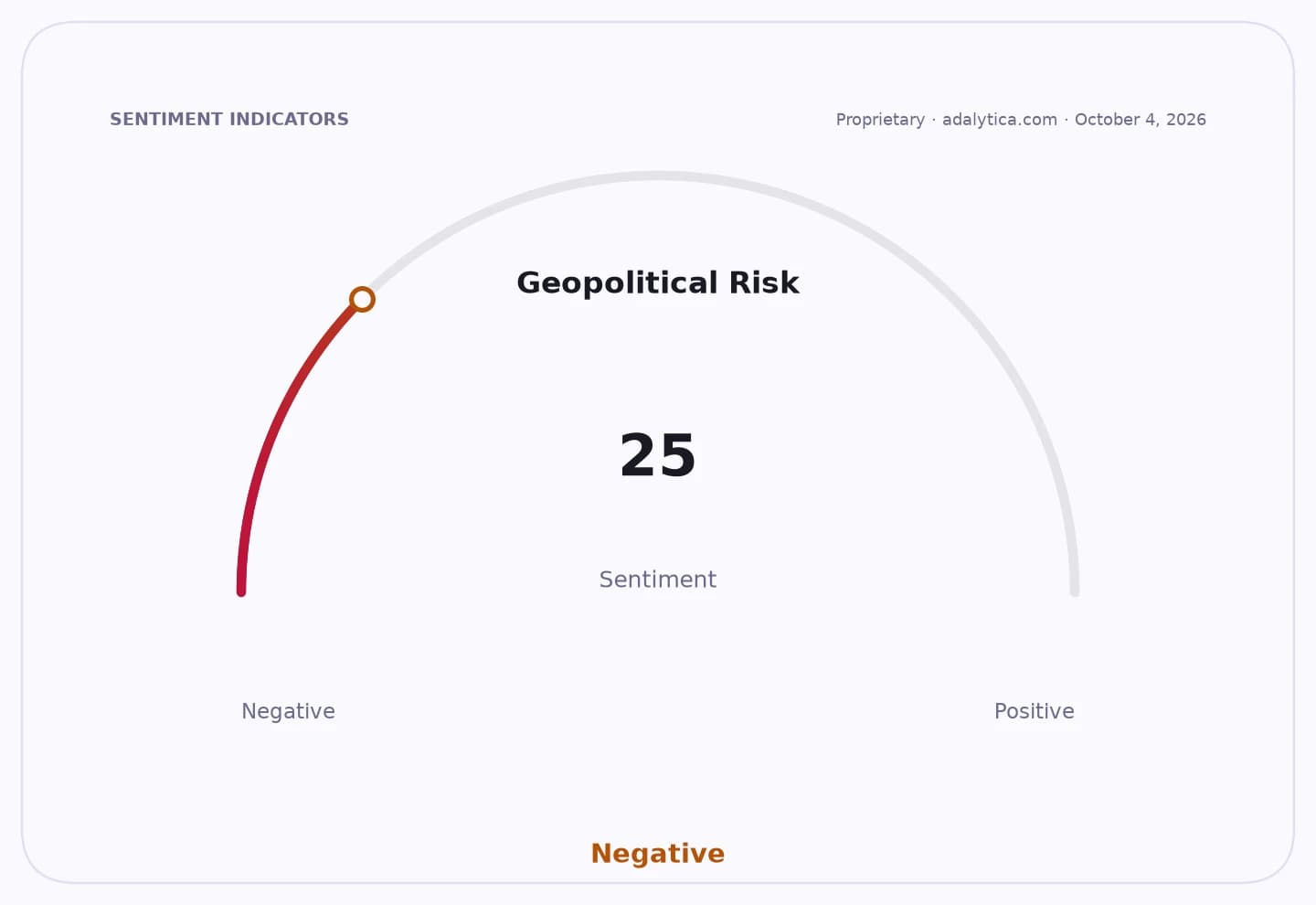
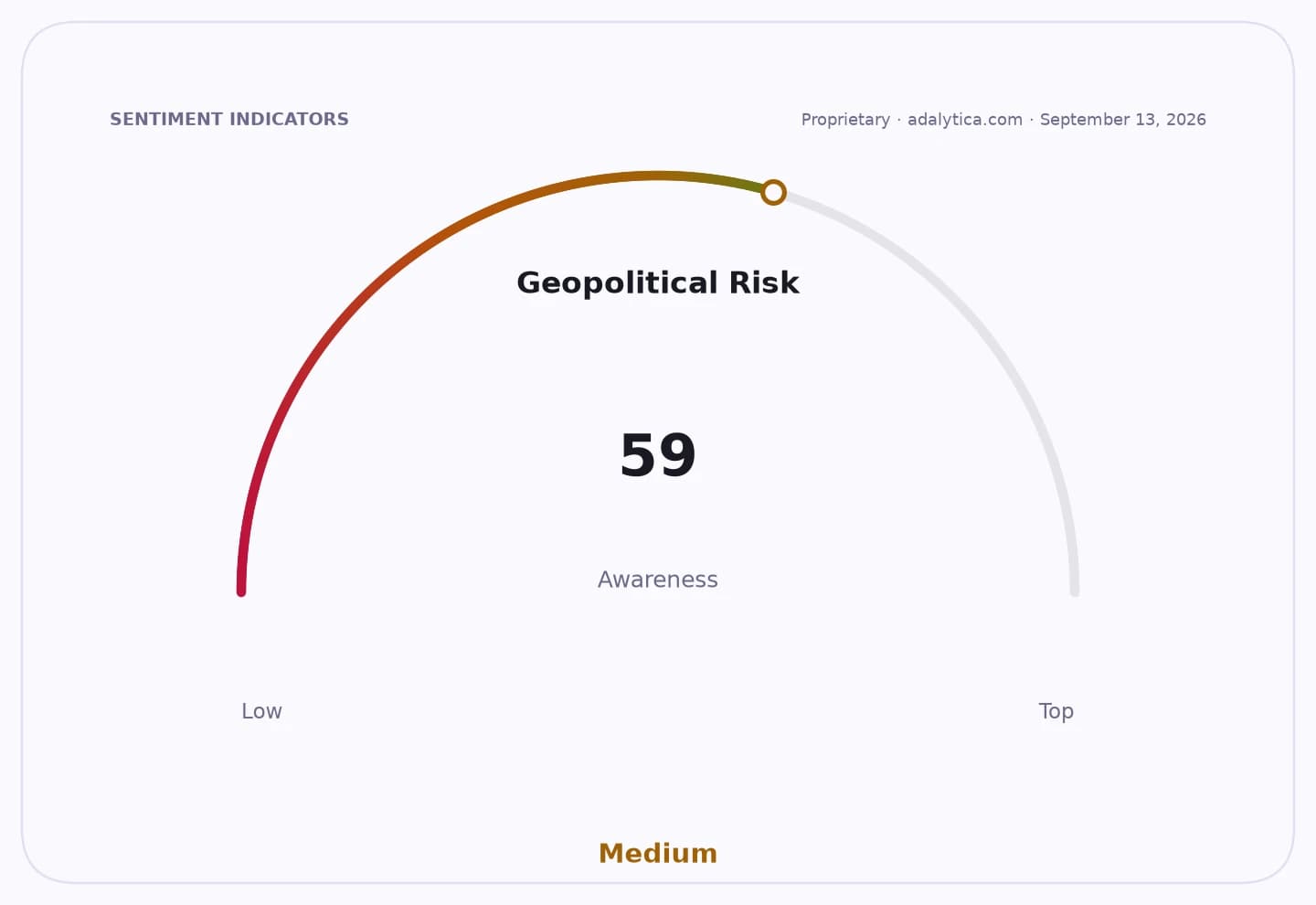
Sentiment IndicatorsⓘProprietary · adalytica.com · October 4, 2026
This is a snapshot — live sentiment, awareness and momentum for 130+ markets update continuously in the dashboard.Open AlphaPulse
Former Balkans and Russia correspondent Nikolay Krastev said Moscow is seeking to preserve geopolitical leverage, protect its energy positions and slow Euro-Atlantic integration through hybrid activity and disinformation, while Washington is pressing to dislodge Russian economic influence through energy deals. That rivalry matters because the Balkans remain a transit zone where pipeline politics, procurement decisions and regulatory alignment can still move billions of dollars in investment and trade.
A key example is the proposed Southern Gas Interconnector, meant to link Croatia, Bosnia and Herzegovina and Serbia. Any progress on that project would improve diversification and reduce the region’s reliance on Russian supply routes. Any delay, by contrast, would prolong exposure to price shocks and political leverage, keeping local economies vulnerable to imported energy costs and limiting the region’s bargaining power with suppliers.
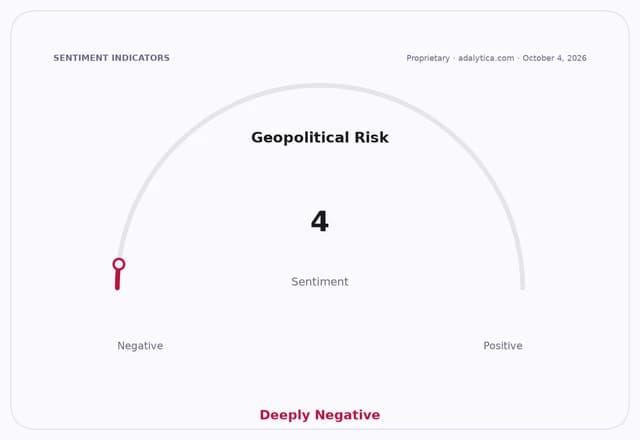
Geopolitical Risk — 30-day sentimentadalytica.com
Explore this data interactively — full history, time series and cross-market comparisons.Open AlphaPulse
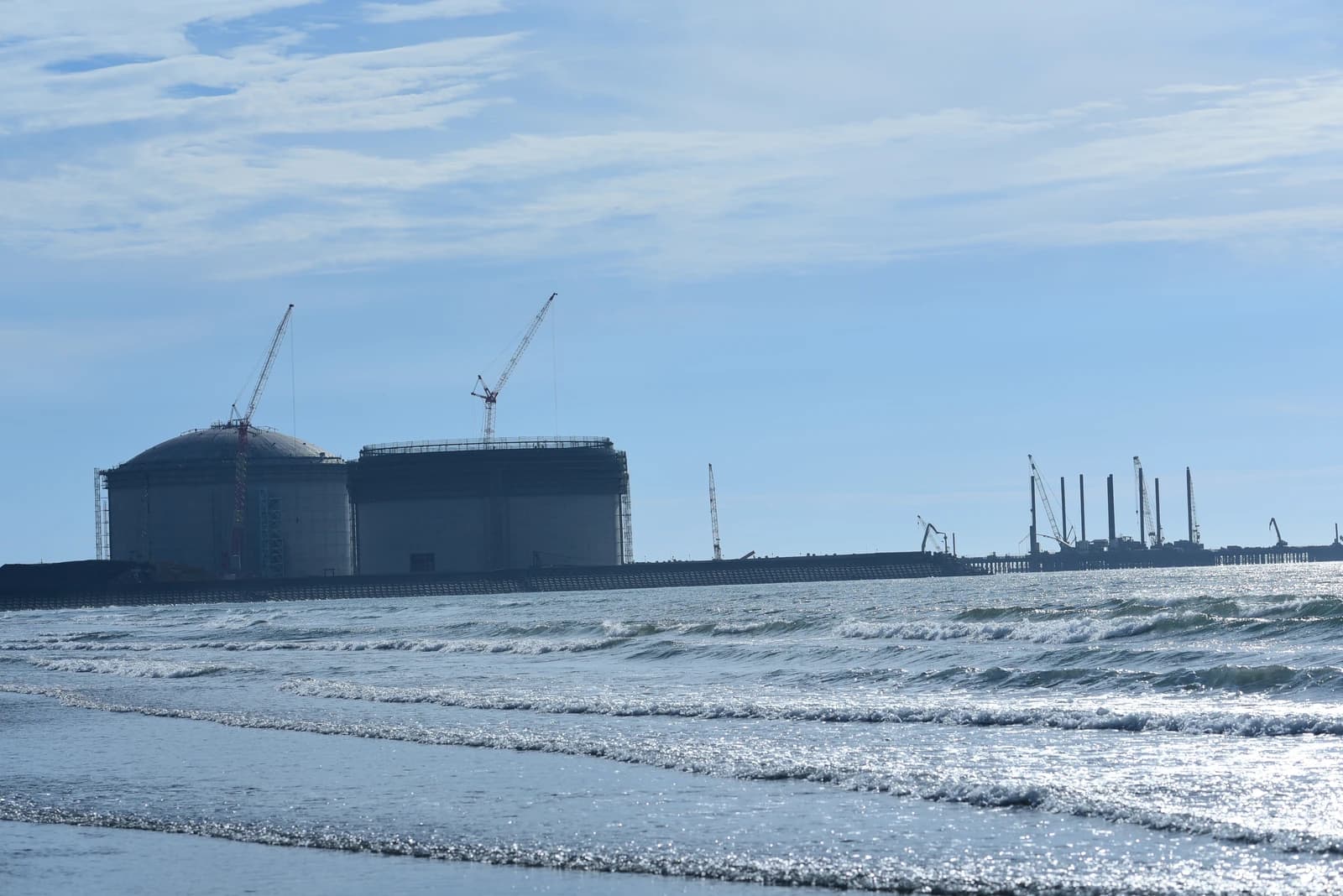
For investors, the story cuts across utilities, pipelines, LNG exporters and broader European energy markets. The prospect of more Western-aligned infrastructure is constructive for non-Russian gas suppliers and for companies tied to LNG shipments, while Russian-linked energy interests stand to lose if the Balkans accelerate away from their orbit. The regional political backdrop also matters for sovereign risk: unstable coalitions, contested mandates and protest pressure tend to delay permitting, financing and cross-border projects.
Market signals point to the same tension. Oil and energy assets have been trading against a backdrop of geopolitical premium, while broader risk gauges show elevated fear around global stability. At the same time, U.S. energy producers have been looking for openings to expand market share where Russian supply remains politically contentious, a dynamic that could sharpen if Balkan states push ahead with infrastructure that bypasses Moscow.
The bull case is that election-driven turnover creates room for reformers and for a clearer energy strategy tied to the EU and the U.S. The bear case is that the Balkans’ fragmented politics and outside interference freeze decision-making, leaving the region stuck between competing powers and dependent on whichever supplier can move fastest.
For markets, the next catalysts are straightforward: the Serbian vote, the shape of Bosnia’s political outcome, and whether interconnector and gas-link projects keep moving despite the regional noise. The more decisive the shift toward diversified supply, the more the Balkans become a test case for Europe’s broader effort to cut strategic dependence on Russia.
| Entity | Gains | Losses |
|---|---|---|
| U.S. LNG and energy firms | ▲New export demand | ▼Russian-linked suppliers |
| Balkan consumers | ▲More supply options | ▼Higher import dependence |
| Russia | ▲Political leverage if projects stall | ▼Influence if diversification advances |
| Investors in regional infrastructure | ▲Project upside | ▼Delay and regulatory risk |