Croatia is heading into the heating season with gas storage in better shape than much of Europe, a small but important cushion as the continent tries to keep energy prices stable and industry supplied through the winter.
Croatia gas storage rises above EU average
The key takeaway for investors is not just that Croatia is above the European Union average, but that Europe as a whole is starting from a decent, if not comfortable, position. Croatian gas storage is 73% full versus an EU average of 65%, according to the data. That gap matters because storage levels help determine how exposed countries are to winter price spikes, emergency imports and pressure on utilities and heavy industry.
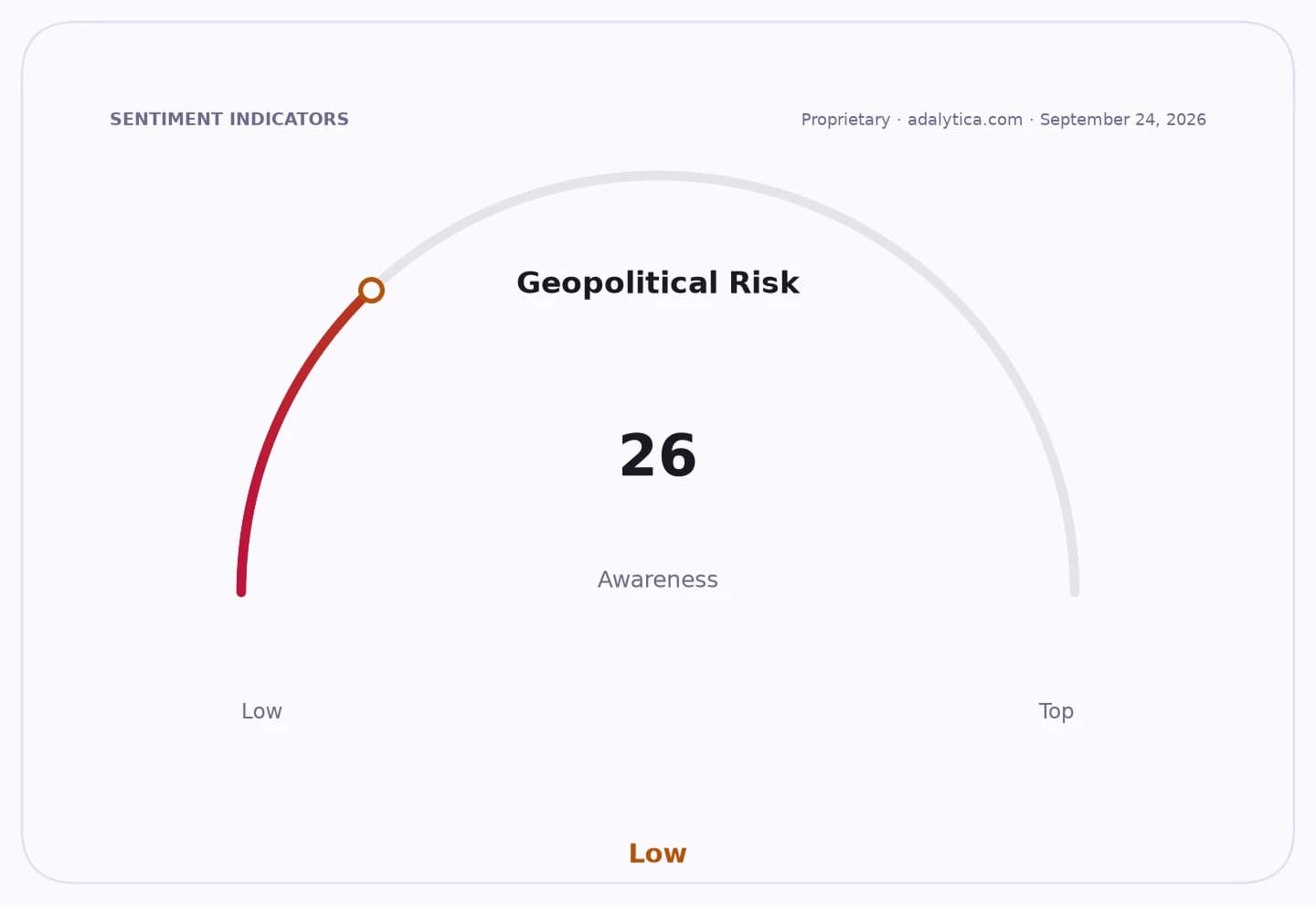
Sentiment IndicatorsⓘProprietary · adalytica.com · September 24, 2026
This is a snapshot — live sentiment, awareness and momentum for 130+ markets update continuously in the dashboard.Open AlphaPulse
For long-term investors, the broader story is one of resilience. Europe has spent the past several years trying to reduce energy vulnerability after the supply shock sparked by Russia’s war in Ukraine. Even now, with inventories above emergency lows, the region remains sensitive to cold weather, pipeline flows and competition for liquefied natural gas cargoes. When storage is fuller, governments have more breathing room and consumers face less risk of a sudden bill shock. When it is thinner, power producers, chemical makers and industrial users feel the squeeze first.
Croatia looks relatively well positioned within that landscape. Its 73% fill level puts it above the EU average and comfortably behind only a few larger holders. Poland and Portugal are at 93%, while Italy stands at 83%, showing that some countries have rebuilt buffers more aggressively than others. That dispersion matters because Europe’s gas market is still fragmented by infrastructure, weather patterns and import routes. A country with healthier storage can better absorb a cold snap or a supply interruption, while weaker markets may need to buy spot gas at premium prices.
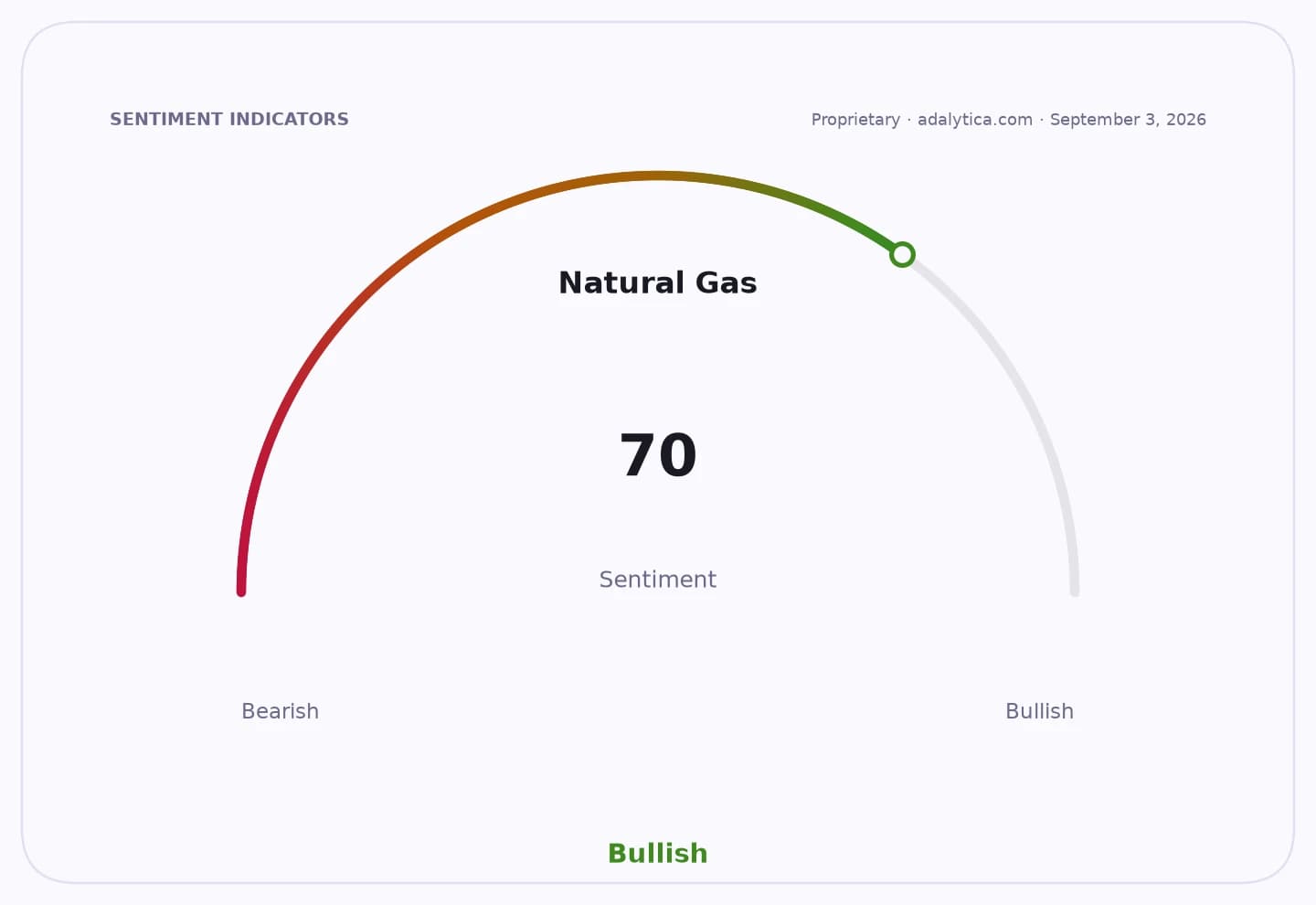
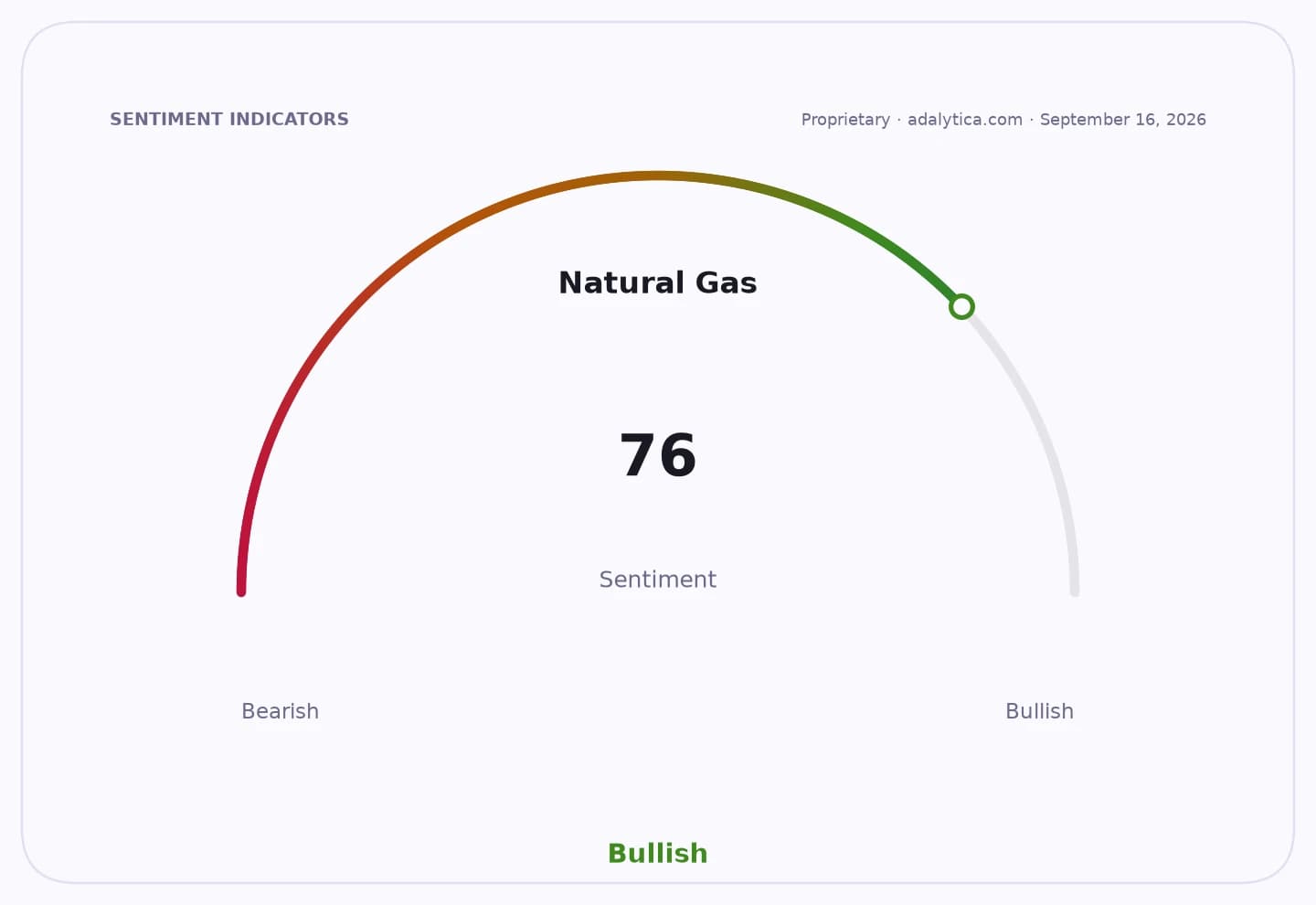
The backdrop in energy markets also points to continued sensitivity. Oil prices and broad risk sentiment can move quickly on geopolitical headlines, and Europe’s gas market remains tightly linked to those shifts through LNG competition and overall energy costs. Technical readings on natural gas prices show the market has been volatile, but storage data are what investors should watch for the bigger picture: if inventories stay adequate, it supports a more orderly winter and lowers the odds of a sharp policy response.
That does not mean the risk is gone. A colder-than-normal winter, a disruption to LNG shipments or a sudden jump in industrial demand could quickly tighten balances. But for now, Croatia’s gas supplies look healthier than the EU average, and that is good news for households, utilities and the broader European economy. For investors, the right conclusion is simple: Europe enters the season better prepared than in the crisis years, but not so comfortable that gas can be ignored. Worth watching, especially if you own European utilities, industrials or energy-sensitive stocks.
| Entity | Gains | Losses |
|---|---|---|
| Croatia | ▲Higher winter buffer | ▼Less urgent buying pressure |
| EU households and industry | ▲Lower shortage risk | ▼Still exposed to price spikes |
| Italy, Poland, Portugal | ▲Strong storage positions | ▼Need to preserve inventories |
| Gas bulls | ▲Winter demand support | ▼Oversupply fears ease less |