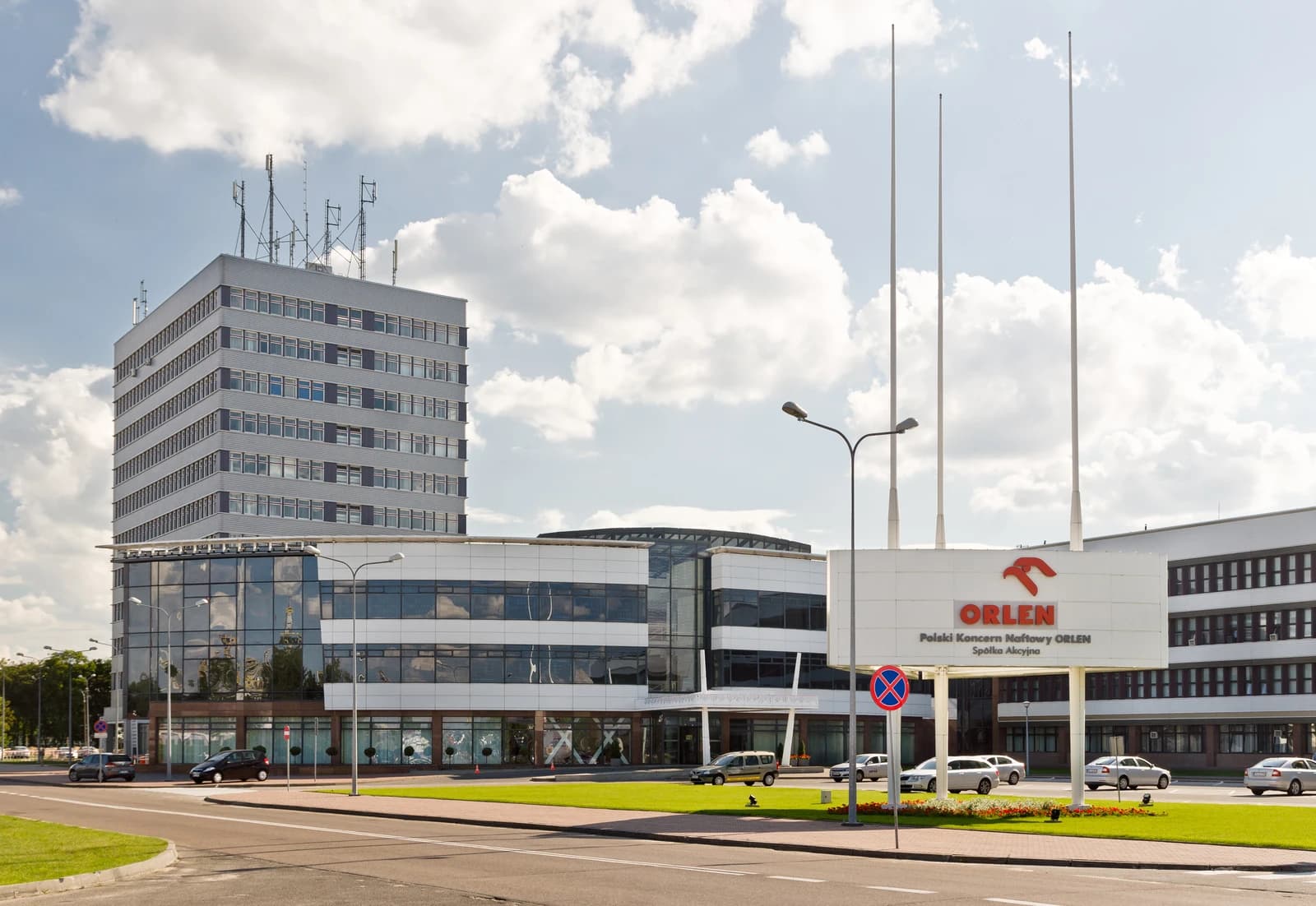
Poland’s prosecutors have charged five former and current Orlen managers over alleged manipulation of fuel prices before the 2023 election, escalating a politically charged case that could reshape scrutiny of the state-controlled energy group’s governance and past pricing decisions.
Orlen managers charged in Poland fuel price case
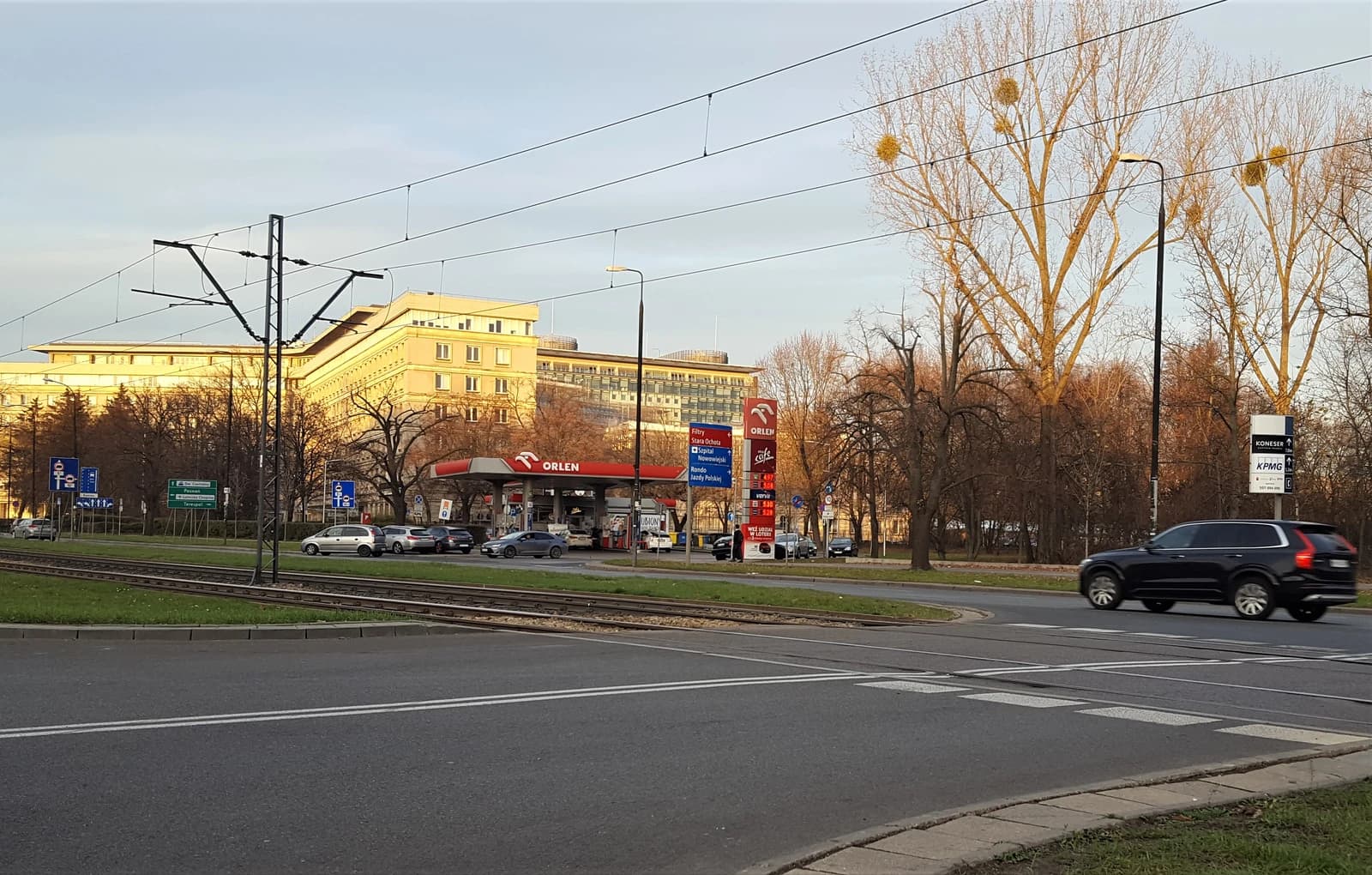
The allegations matter because Orlen is not just any listed company: it is Poland’s dominant fuel supplier, a major industrial employer and a strategic asset whose pricing choices can move consumer inflation, transport costs and voter sentiment. Prosecutors said the managers are accused of overstepping their authority and failing their duties in a way that caused more than 4.1 billion zlotys in damage to Orlen, by setting retail fuel prices at 5.99 zlotys per litre from at least Oct. 1 to 15, 2023 at levels detached from market fundamentals.
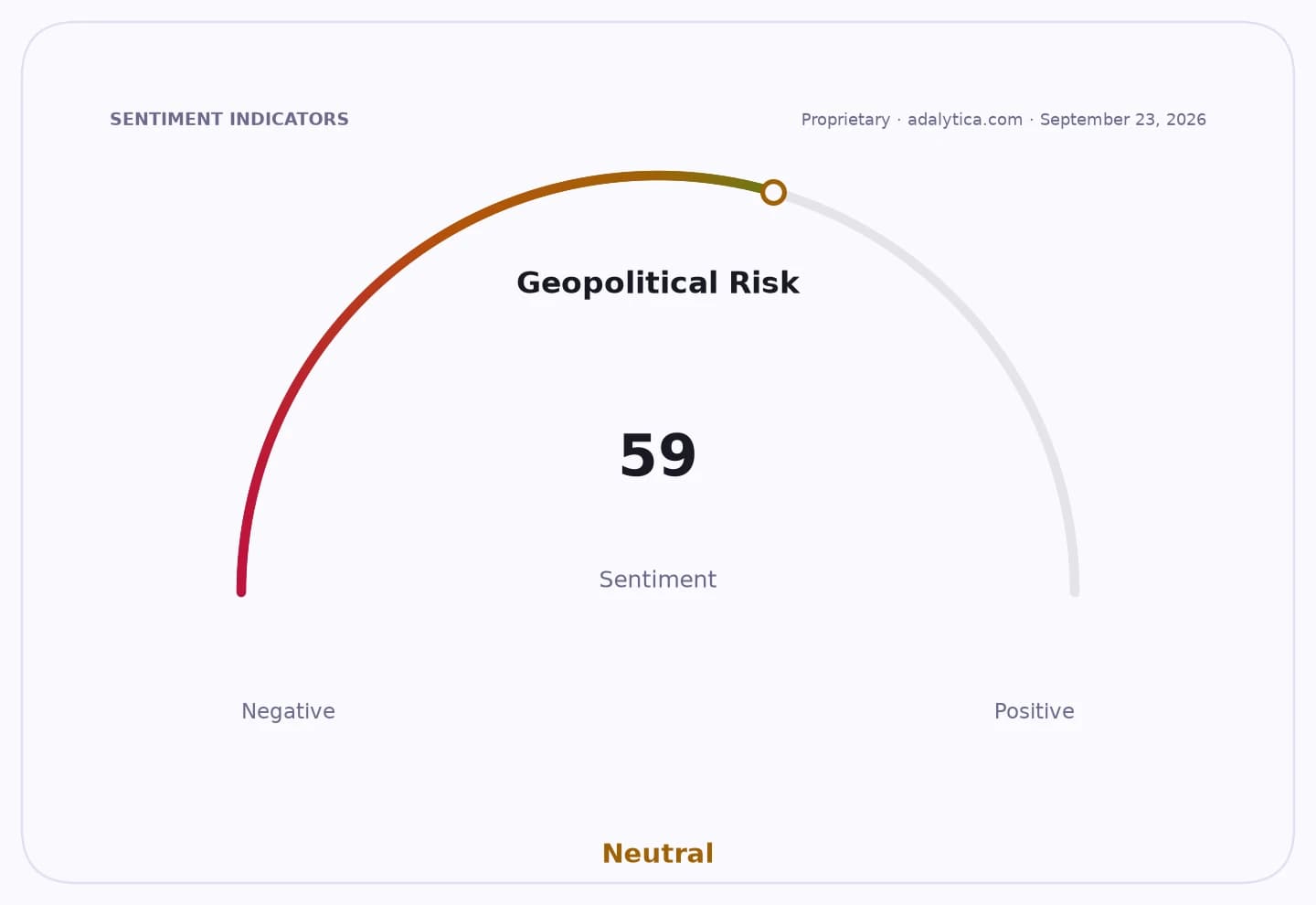
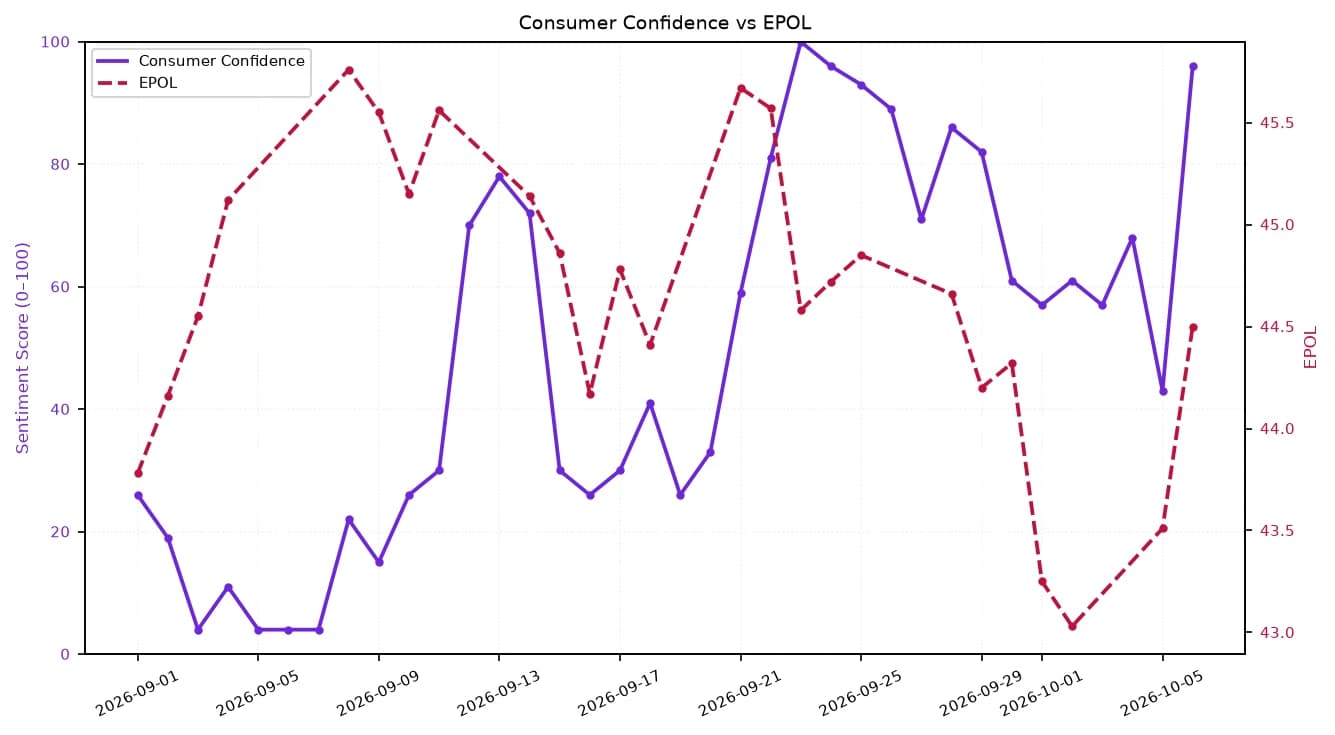
Sentiment IndicatorsⓘProprietary · adalytica.com · October 7, 2026
This is a snapshot — live sentiment, awareness and momentum for 130+ markets update continuously in the dashboard.Open AlphaPulse
The case goes to the heart of how much room state-linked companies have to absorb commodity swings for political or social goals. Lower pump prices can ease household inflation and support consumer spending in the short term, but they can also compress margins, distort inventory management and shift losses onto the company’s balance sheet. In this case, prosecutors say the pricing policy was not only uneconomic but also breached multiple formal and informal procedures inside Orlen.
The timing is economically sensitive. The investigation says Orlen kept gasoline and diesel below levels justified by crude prices, the zloty and wholesale fuel markets in Europe from August through November 2023, even as oil prices rose in September and early October. That helped fuel suspicions that the pricing policy was linked to the parliamentary election campaign. After the vote, prices at the pumps rose sharply, reinforcing the view among critics that the pre-election discounts were temporary and political rather than commercial.
For investors, the implications extend beyond the criminal case itself. Orlen’s shares and risk premium can be affected by any sign that corporate decision-making was subordinated to state interests, because that raises questions about capital allocation, margin discipline and the predictability of future management actions. A company under legal and political pressure may also face tougher oversight of pricing, inventories and reserve policy, with consequences for profitability in the retail fuel business.
Orlen’s new management has already said an internal audit suggested the underpricing and release of strategic stocks may have cost the company more than 3.5 billion zlotys, though that is not a court ruling. The company has also argued that neighboring countries benefited, saying more than 80 million litres of fuel were bought in Poland by foreign drivers during the period in question. That claim underscores a second economic angle: artificially cheap domestic fuel can leak across borders, subsidizing non-residents and worsening supply strains at home.
Former Orlen chief Daniel Obajtek rejected the allegations, arguing that low prices were consistent with broader market realities and pointing to comments by then-opposition leader Donald Tusk that fuel could be sold at 5.19 zlotys a litre. The political crossfire suggests the case will remain more than a corporate governance dispute; it is likely to stay tied to the legacy of state intervention in energy markets and the broader debate over how far public policy should reach into a listed company’s pricing.
The immediate market focus now shifts to whether prosecutors seek preventive measures and whether the investigation widens to other executives or agencies. For investors, the key question is whether Orlen’s current leadership can draw a firmer line between commercial returns and political expectations without sacrificing its role as a national energy anchor.
| Entity | Gains | Losses |
|---|---|---|
| Polish prosecutors | ▲Political leverage | ▼Neutrality risk |
| Orlen current management | ▲Governance reset | ▼Legal overhang |
| Former Orlen executives | ▲None | ▼Criminal charges |
| Consumers/drivers in Poland | ▲Lower past fuel prices | ▼Future price volatility |